Buyer Briefing
3 min read · 671 words
This vegetable juice recipe combines spinach, cucumber, celery, green apple, and lemon for a nutrient-dense, homemade drink rich in vitamins, minerals, and antioxidants. It takes just a few minutes to prepare and offers a fresh alternative to store-bought juices.
- This recipe blends spinach, cucumber, celery, green apple, and lemon for a balanced, nutrient-rich juice.
- Vegetable juice is naturally low in calories, though juicing removes most of the insoluble fiber found in whole vegetables.
- Claims linking vegetable juice directly to cancer prevention go beyond what current evidence supports — a vegetable-rich diet overall is what's actually associated with lower chronic disease risk.
- A basic juicer or high-speed blender with a strainer both work for homemade juice.
- Drink fresh juice within 24 hours for the best nutrient retention and flavor.
Listen to the article summary
AI-generated voice · English · 2:28
Read transcript
Vegetable juice offers numerous health benefits, serving as a healthy and nutritious drink packed with essential vitamins, minerals, and antioxidants. These include vitamins A, B, C, and E, which are vital for the immune system, energy levels, and cell regeneration. Drinking vegetable juice is presented as a fast way for the body to absorb these nutrients. Nutritionally, vegetable juice is an excellent source of essential vitamins, minerals, and antioxidants. Depending on the vegetables used, it can provide vitamin A, vitamin C, folate, potassium, and magnesium. It's also low in calories, making it a reasonable beverage choice for weight management, though it's important to note that juicing removes much of the insoluble fiber found in whole vegetables. The article highlights several specific benefits. Firstly, it can improve digestion and reduce intestinal inflammation due to the fiber content. Secondly, the vitamins and minerals in vegetable juices can increase energy levels, offering an alternative to sugary energy drinks. Thirdly, the antioxidants in the juice may contribute to better skin health by fighting free radicals and boosting collagen production, potentially reducing wrinkles. Fourthly, it supports a stronger immune system by protecting cells from damage and reducing inflammation. Fifthly, vegetable juices can aid in weight management efforts, as they are low in calories and high in fiber, promoting fullness and potentially boosting metabolism. Lastly, supporting long-term health, a diet rich in vegetables, whether whole or juiced, is associated with a lower risk of certain chronic conditions like heart disease. However, this benefit stems from an overall vegetable-rich diet, with juice acting as a supportive part, not a standalone treatment. Making vegetable juice is quick and easy, requiring a juicer and your preferred vegetables. A simple recipe includes spinach, cucumber, celery, green apple, and lemon. For those preferring ready-made options, VINUT's fruit juice range is mentioned as a convenient alternative. In summary, vegetable juice is presented as an excellent way to support overall health and well-being as part of a balanced, vegetable-rich diet.
Vegetables have long been known to be an excellent source of natural fiber. In addition, vegetables can also make juices to help quench thirst and replenish water, but also provide many health benefits that can improve your overall health. For a deeper look at vegetable juice's nutritional profile, see our companion guide: Vegetable Juice Benefits: Nutrition & Health Guide.
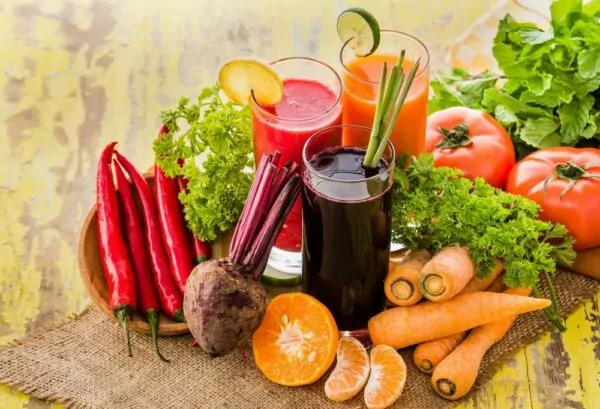
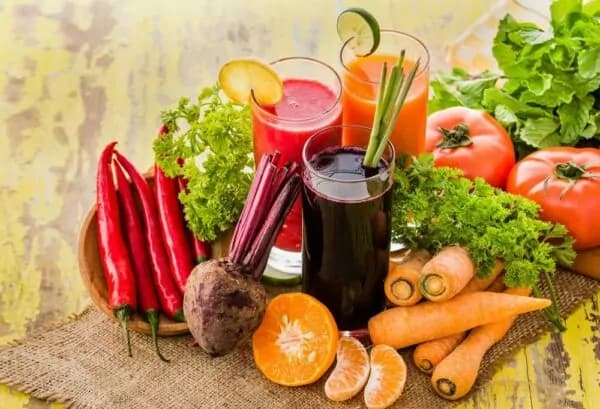
Vegetable Juice
1. Vegetable Juice Description
Vegetable juice is a healthy and nutritious drink because most vegetables are packed with vitamins, such as vitamins A, B, C and E. These are important for the immune system, your energy levels and cell regeneration. Drinking the juice is the fastest way for the body to absorb vitamins, minerals and antioxidants that can help improve health and well-being.
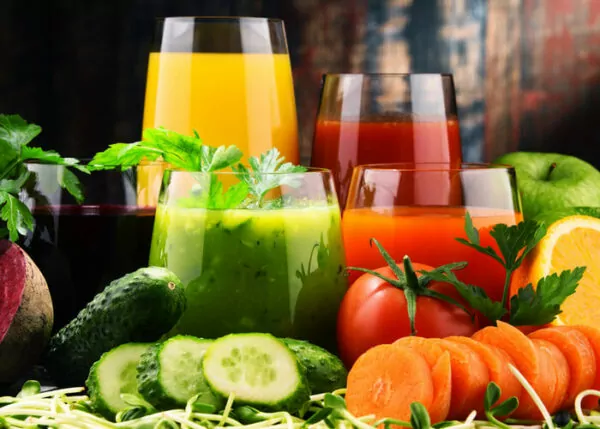
Vegetable Juice Description
2. The Nutritional Value
Vegetable juice is an excellent source of essential vitamins, minerals, and antioxidants that are vital for maintaining good health. Depending on the vegetables used, vegetable juice can be a good source of vitamin A, vitamin C, folate, potassium, and magnesium.
Additionally, the juice is low in calories, making it a reasonable beverage choice for those looking to maintain a healthy weight, though it's worth noting that juicing removes much of the insoluble fiber found in whole vegetables.
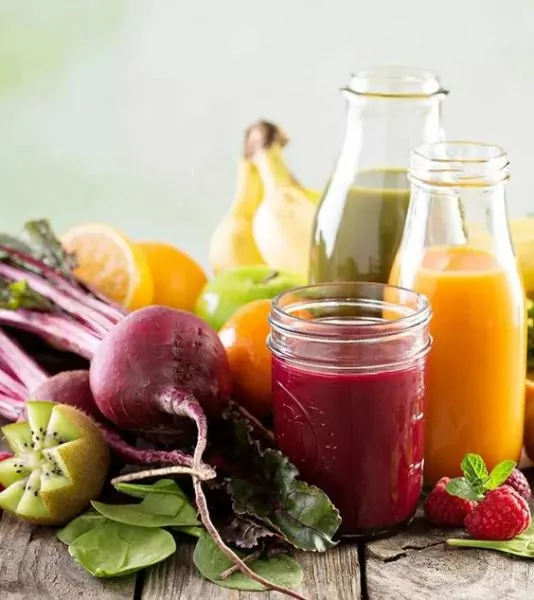
The Nutritional Value of Vegetable Juice
3. The Benefits of Vegetable Juice
3.1 Improved Digestion
Drinking vegetable juice is one of the effective ways to improve digestion as well as reduce intestinal pellets because vegetables contain a lot of fiber to help the digestive system work more smoothly. In addition, this juice also reduces inflammation in the intestines.

Improved Digestion
3.2 Increased Energy
Vegetable juices are packed with vitamins and minerals that can help boost your energy levels and help you feel alert throughout the day. In addition, this is also a great alternative to sugary energy drinks.

Increased Energy
3.3 Better Skin Health
This juice are rich in antioxidants, which can help fight free radicals and protect your skin from damage. Additionally, it can help improve your skin by boosting collagen production, which can reduce the appearance of wrinkles.

Better Skin Health
3.4 Stronger Immune System
The juice is packed with vitamins and minerals especially antioxidants that can help protect your cells from damage and reduce inflammation in your body, which can help boost your immune system disease and prevent disease.

Stronger Immune System
3.5 Improved Weight Management
Drinking vegetable juices can also help improve your weight management efforts because vegetables are low in calories and high in fiber, which can help you feel fuller longer and reduce calorie intake. In addition, this juice can also help boost metabolism, helping you burn more calories throughout the day.

Improved Weight Management
3.6 Supporting Long-Term Health
A diet rich in vegetables — whether eaten whole or enjoyed as juice — is associated with a lower risk of certain chronic conditions, including heart disease, according to dietary guidance from the World Cancer Research Fund / American Institute for Cancer Research. It's worth noting that this benefit comes from an overall vegetable-rich diet rather than juice alone, and vegetable juice should be seen as one supportive part of that pattern rather than a treatment or cure for any disease.
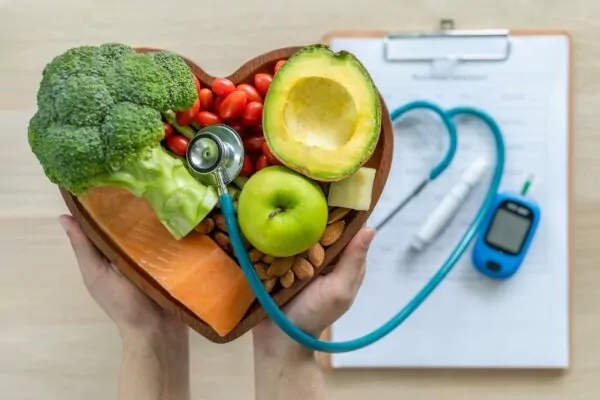
Supporting Long-Term Health
4. How to Make Vegetable Juice
Making vegetable juice is quick and easy. All you need is a juicer and a selection of your favorite vegetables. Here's a simple recipe to get you started:
4.1 Ingredients:
2 cups of spinach
1 cucumber
2 stalks of celery
1 green apple
1 lemon
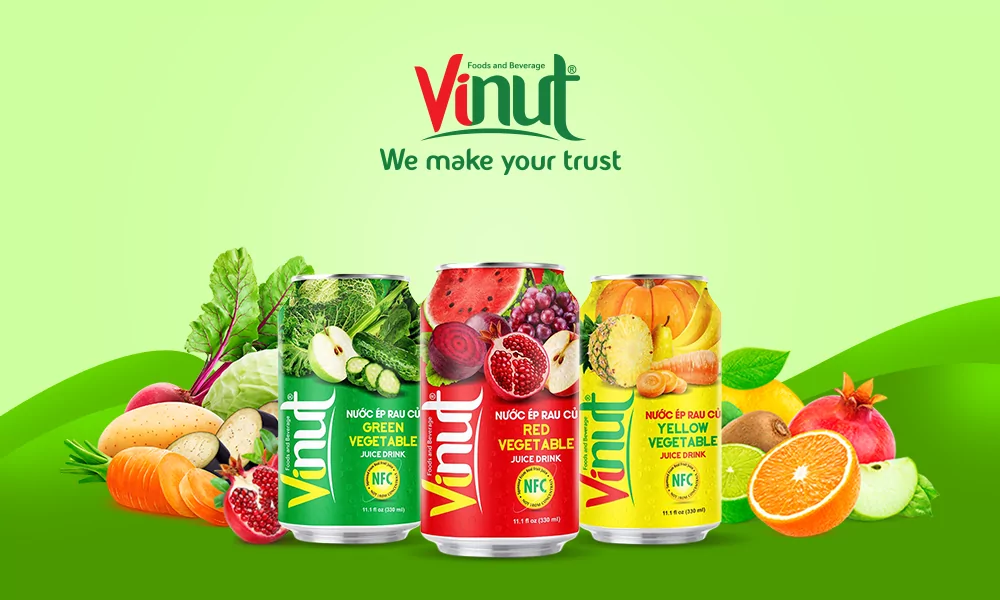
VINUT Vegetable Juice
4.2 Instructions:
Wash all the vegetables and fruit thoroughly.
Cut the cucumber, celery, and apple into small pieces.
Remove the stems from the spinach.
Juice all the ingredients together.
Squeeze the juice of one lemon into the mixture.
Stir well and serve immediately.
Prefer a ready-made option? Explore VINUT's fruit juice range for convenient, export-ready alternatives.
5. Summary
Drinking vegetable juice is an excellent way to support your overall health and well-being. It's packed with essential vitamins, minerals, and antioxidants that can support your immune system, digestion, weight management, and long-term health as part of a balanced, vegetable-rich diet.
Interested in trying vegetable juice for yourself? Explore VINUT's fruit juice range or request a free catalog to learn more.
Related reading: Vegetable Juice Benefits: Nutrition & Health Guide
VINUT products
Explore related drinks
View ingredients, sizes and packaging.
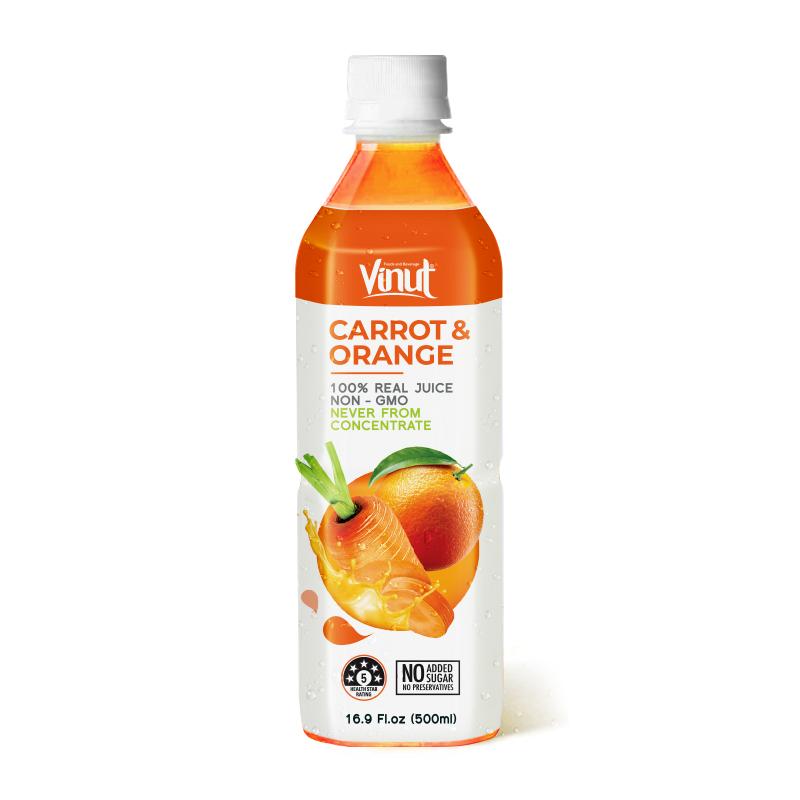
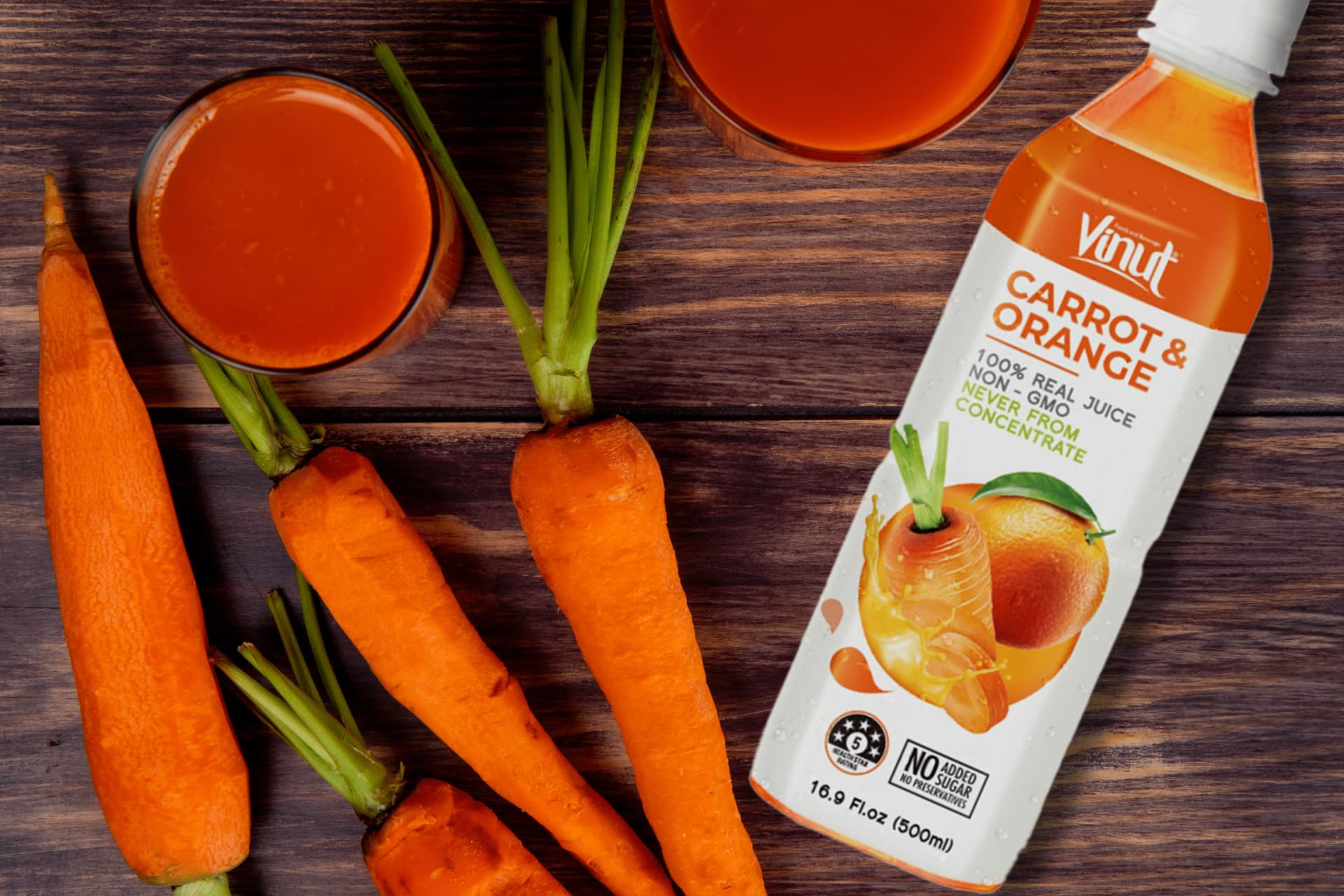
16.9 fl oz Vinut NFC Carrot + Orange juice drink(100% Real Juice, Non GMO)
16.9 fl oz · bottle
View product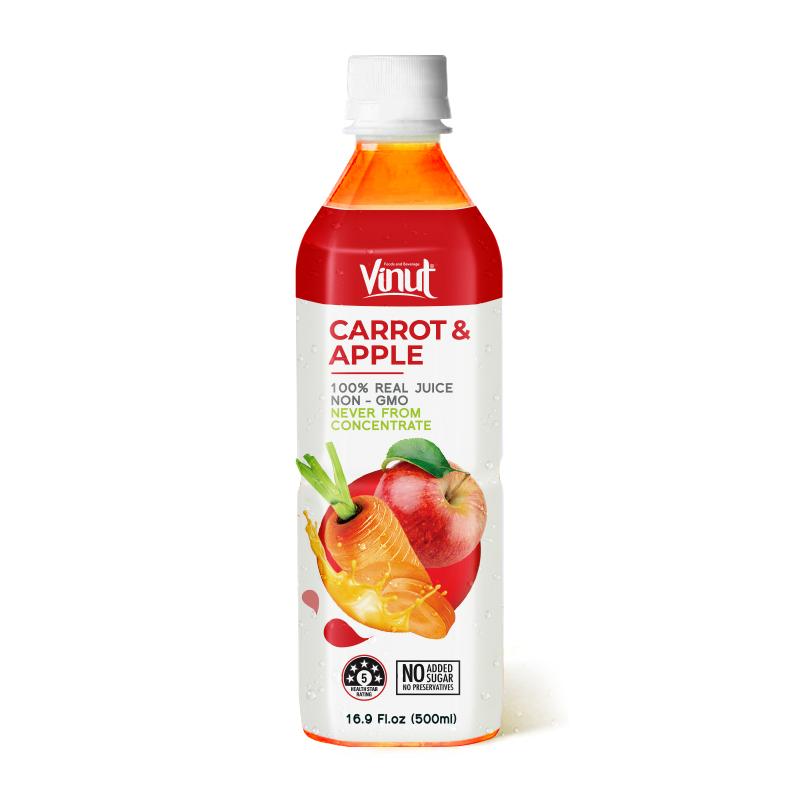
16.9 fl oz Vinut NFC Carrot & Apple Juice Drink (100% Real Juice, Non GMO)
16.9 fl oz · bottle
View product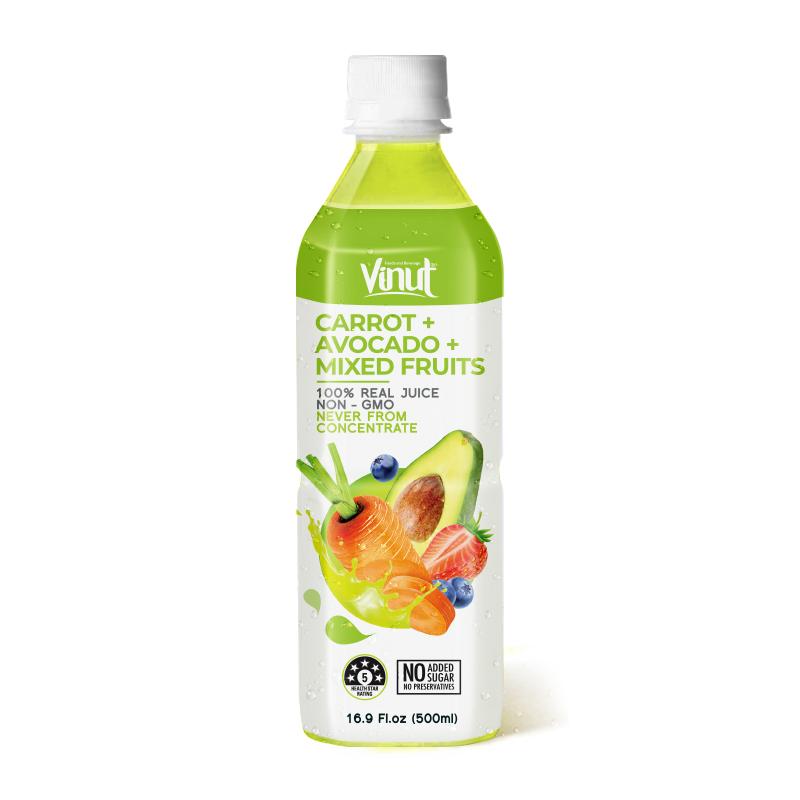
16.9 fl oz Vinut NFC Carrot + Avocado + Mixed fruits ( 100% Real Juice, Non GMO)
16.9 fl oz · bottle
View product
FAQ
What vegetables are best for juicing at home?
Leafy greens like spinach, along with cucumber, celery, carrots, and beets, are popular choices that juice well and offer balanced nutrition.
Can I add fruit to vegetable juice?
Yes — apple, lemon, or ginger are common additions that balance the earthy taste of vegetables with natural sweetness.
How long does homemade vegetable juice last?
It's best consumed within 24 hours and stored in an airtight container in the refrigerator to preserve freshness and nutrients.
Do I need a special juicer to make vegetable juice?
A juicer works best for a smooth consistency, but a high-speed blender with a fine mesh strainer can also work well.
Is homemade vegetable juice better than store-bought?
Homemade juice lets you control ingredients and freshness, while store-bought options offer convenience — both can fit into a healthy diet depending on your needs.
About this article

The VINUT editorial team publishes articles about beverage ingredients, product characteristics, and practical information for readers and international buyers.