
Buyer Briefing
6 min read · 1,166 words
Aloe vera juice is a plant-based beverage made from processed aloe vera leaves or inner-leaf gel. It is available in natural, decolorized, flavored, and ready-to-drink forms. Aloe vera has traditionally been used for wellness and skin care, but some health claims require stronger scientific evidence.
- Aloe vera juice is made from processed aloe vera gel and is available in several forms.
- Common varieties include natural, decolorized, flavored, and ready-to-drink aloe vera beverages.
- Aloe vera has a long history of use in traditional wellness and topical skin care.
- Aloe vera is also commonly used in moisturizers, hair products, and soothing skin formulations.
- Homemade aloe vera drinks require careful preparation to remove the yellow latex layer.
- Aloe latex contains compounds with strong laxative effects and should not be casually consumed.
- Aloe vera products can cause digestive discomfort or interact with certain medications.
- - People with medical conditions should consult a healthcare professional before regularly consuming aloe vera juice.
Listen to the article summary
AI-generated voice · English · 3:04
Read transcript
Aloe vera juice, derived from the succulent aloe vera plant native to North Africa and parts of the Arabian Peninsula, has been used for centuries in traditional medicine due to its perceived health benefits. The clear gel within the leaves contains vitamins, minerals, amino acids, and antioxidants. For those interested in making it at home, the process involves selecting mature leaves, allowing a yellowish resin to drain for 10-15 minutes to prevent stomach discomfort, scooping out the clear gel, and blending it with water, typically in a 1:3 gel-to-water ratio. The juice can be stored in the refrigerator for up to a week, with a recommended daily intake of 1/4 cup on an empty stomach. Commercially, various types of aloe vera juice exist. Natural juice is made from crushed whole leaves, filtered and pasteurized, offering a potent concentration. Decolorized juice has anthraquinones, known for laxative effects, removed, making it suitable for long-term consumption. Flavored juices may include added fruits or herbs, while aloe vera juice drinks are often bottled with additional ingredients like sugar and preservatives. Aloe vera gel capsules are also available as a convenient supplement. While aloe vera juice is widely used, it's important to be aware of potential side effects and qualifications. Some individuals may experience allergic reactions, stomach discomfort, or diarrhea, especially from high doses due to its laxative effects. Pregnant women, breastfeeding mothers, children, and individuals with conditions like diabetes, kidney disease, or electrolyte imbalances should avoid or consult a doctor before consumption. The AEO data emphasizes that evidence for many claimed benefits of drinking aloe vera remains limited, and it should not be considered a treatment for medical conditions. Homemade preparations require careful removal of the yellow latex layer, as it contains compounds with strong laxative effects. Beyond internal consumption, aloe vera juice is also used topically for skin and hair care. For skin, it acts as a moisturizer, offers sunburn relief due to its anti-inflammatory properties, and is used in anti-aging and acne treatments. For hair, it can serve as a natural conditioner, help treat dandruff, and is believed to promote hair growth and shine, though evidence for direct hair growth stimulation is limited. In traditional medicine, particularly Ayurveda, aloe vera is known as "Kumari." It's valued for its anti-inflammatory properties, wound healing capabilities, immune system boosting effects due to vitamins C and E, and as a natural detoxifier that aids digestion and bowel movements.
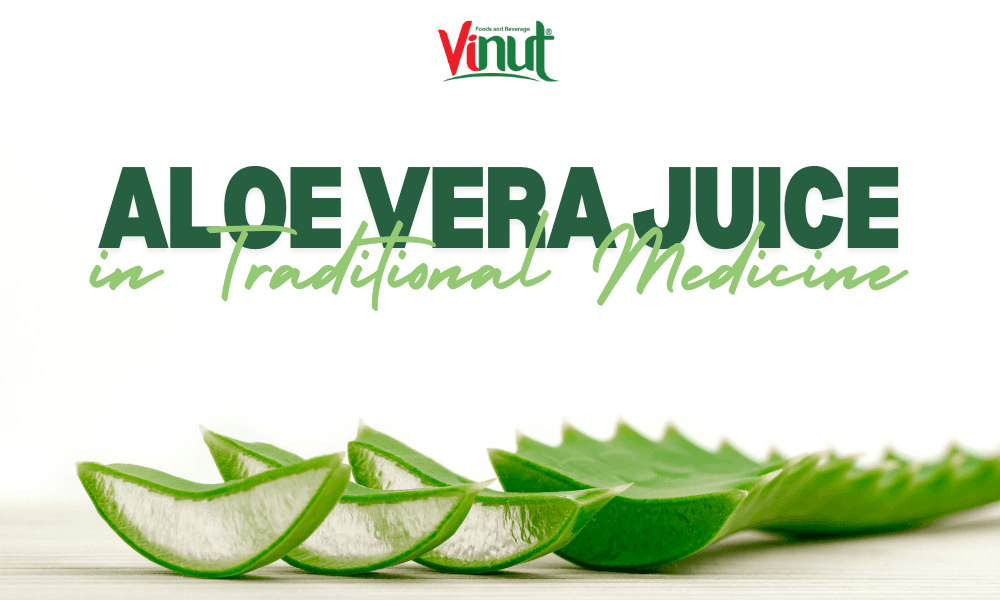
Aloe vera has been used for centuries due to its medicinal properties and health benefits. One of the most popular ways to consume aloe vera is in the form of juice. Aloe vera juice is made from the leaves of the aloe vera plant, which is a succulent plant that is native to North Africa and certain parts of the Arabian Peninsula. The clear gel inside the aloe vera leaves contains a variety of beneficial compounds, including vitamins, minerals, amino acids, and antioxidants.
In this blog post, VINUT will explore the numerous health benefits of aloe vera juice, how to make it at home, the different types available, potential side effects, its uses in traditional medicine, and its effectiveness as a natural remedy for digestive issues.
I/ How Can You Make Aloe Vera Juice at Home?
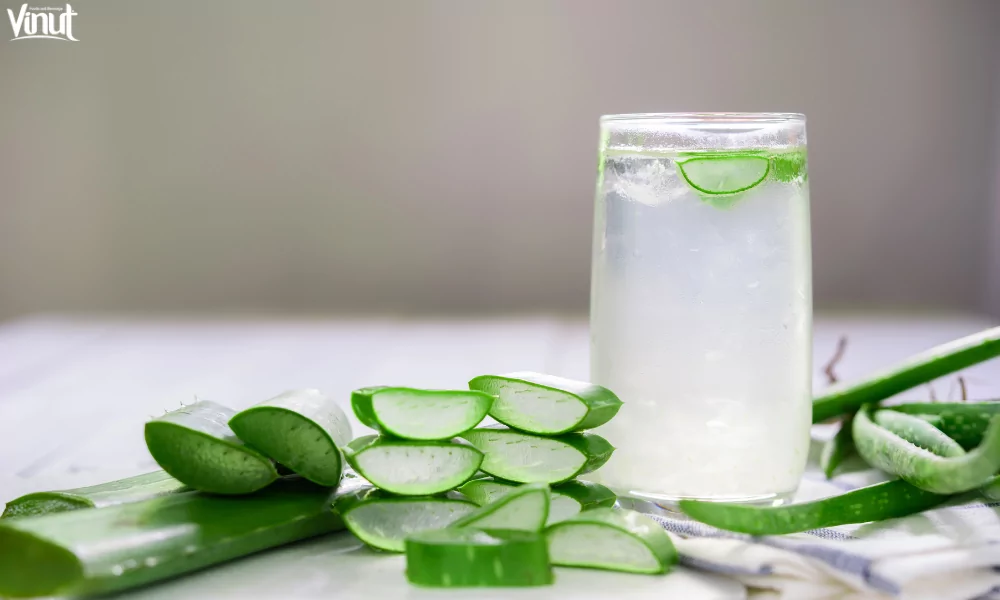
First, select a mature and healthy aloe vera plant. Look for thick and juicy leaves as they contain the most gel.
Use a sharp knife to cut off one or two of the outer leaves of the plant. Make sure not to take too many leaves at once as it can harm the plant.
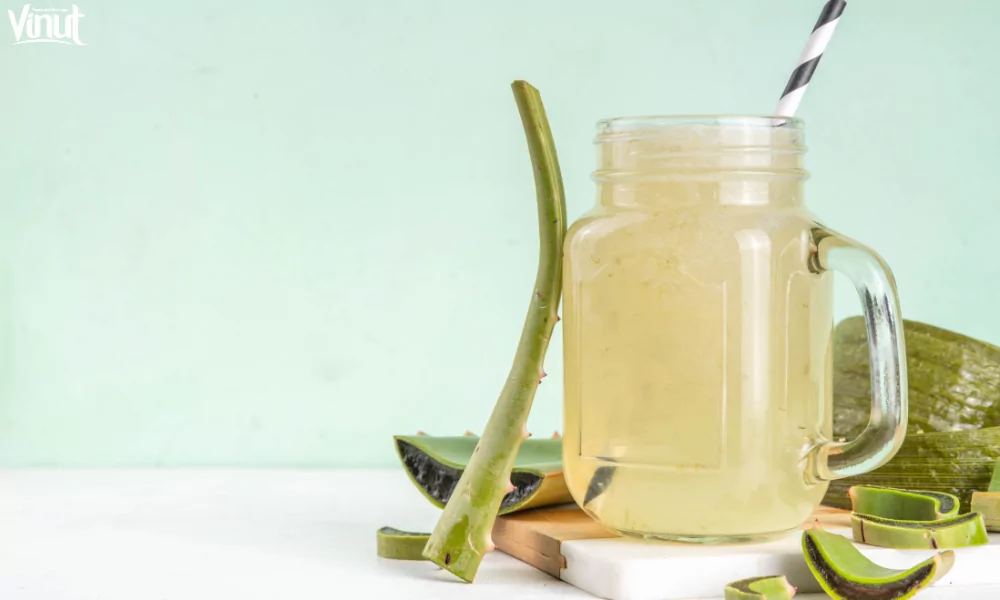
Place the leaves upright in a bowl or container for 10-15 minutes. This will allow any yellowish resin to drain out, as it can cause stomach discomfort.
Use a vegetable peeler to remove the green skin from the top, flat side of the leaf. You should be left with a clear and transparent layer, which is the gel.
Scoop out the gel and place it in a blender. Blend until smooth.
Add water in a 1:3 ratio (one part gel to three parts water). You can also add some lemon juice or honey for added flavor.
Blend again until well mixed.
Pour the juice into a glass jar or bottle and store it in the refrigerator for up to a week.
Your homemade aloe vera juice is now ready to drink! It is recommended to drink 1/4 cup of aloe vera juice daily on an empty stomach for best results.
II/ What Are the Different Types of Aloe Vera Juice?
There are various types of juice available in the market, and it is essential to understand their differences to choose the right one for you.

Natural Juice -It is made by crushing the whole leaf of the plant and then filtering and pasteurizing it. It contains the most potent concentration of aloe vera gel and is considered the purest form of aloe vera juice.
Decolorized Juice – This is made from the entire leaf, but the anthraquinones, which are known for their laxative effects, are removed. This makes it suitable for long-term consumption.
Flavored Juice – Some brands offer flavored juice with added fruits or herbs to improve the taste. However, be sure to read the ingredients list carefully and avoid any artificial additives or sugars.
Aloe Vera Juice Drinks – These are commercially available canned or bottled drinks that contain juice and other added ingredients such as sugar, flavors, and preservatives. They may not be as beneficial as natural aloe vera juice due to the added ingredients.
Aloe Vera Gel Capsules – These are supplements made from dried aloe vera gel and are consumed in capsule form. They are convenient for people who don’t like the taste of aloe vera juice.
III/ What Are the Potential Side Effects of Aloe Vera Juice?
While this juice offers numerous health benefits, it is essential to be aware of its potential side effects. Some people may be allergic to aloe vera and may experience skin irritation, stomach discomfort, or diarrhea after consuming the juice. It is recommended to do a patch test before consuming the juice if you have never tried it before.
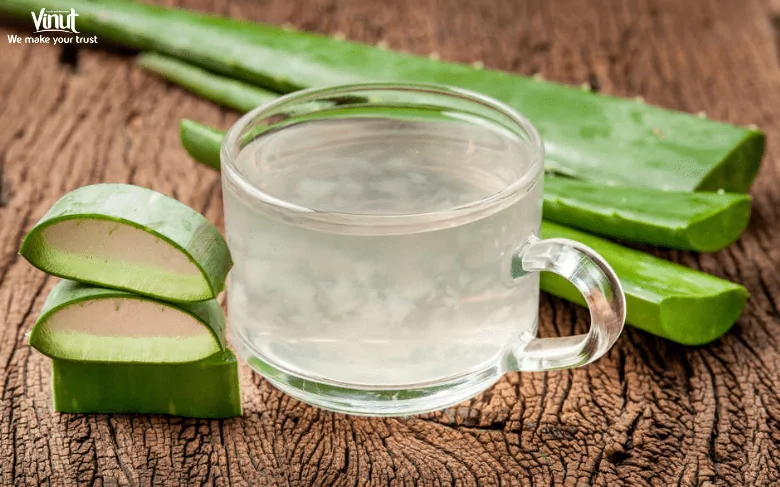
Moreover, the laxative effects of aloe vera can cause cramps and diarrhea if consumed in high doses. Pregnant women, breastfeeding mothers, and children should avoid consuming this juice as it may cause complications. People with underlying medical conditions such as diabetes, kidney disease, or electrolyte imbalances should also consult their doctor before consuming aloe vera juice.
IV/ How Can Aloe Vera Juice Be Used for Skin and Hair Care?
The juice is not only beneficial for consumption but also has numerous benefits for our skin and hair. Here are some ways to use this juice for skin care and hair care:
For Skin Care:
Moisturizer - It is an excellent natural moisturizer for all skin types. It helps to hydrate the skin without making it greasy and can be used as a daily moisturizer.
Sunburn Relief - Aloe vera has anti-inflammatory properties that can soothe sunburned skin. Applying this juice on sunburns can provide relief from pain and help the skin heal faster.
Anti-aging - Aloe vera contains antioxidants that help fight against free radicals, which contribute to premature aging. Regular consumption of this juice can keep your skin looking youthful and radiant.
Acne Treatment - The antibacterial properties of this juice make it an effective acne treatment. It helps to reduce inflammation and redness caused by acne and can also prevent future breakouts.

For Hair Care:
Conditioner - It can be used as a natural hair conditioner. It helps to moisturize and nourish the hair, making it soft and silky.
Dandruff Treatment - The antibacterial and anti-inflammatory properties of aloe vera help to soothe and heal an itchy scalp caused by dandruff. Regular use of this juice can also reduce dandruff flakes.
Hair Growth - It contains enzymes that promote hair growth by removing dead skin cells from the scalp, unclogging hair follicles, and stimulating new hair growth.
Hair Shine - It can add shine to dull and lifeless hair. It helps to seal the moisture in the hair, making it look glossy and healthy.

V/ How Is Aloe Vera Used in Traditional Medicine?
Aloe vera has been used in traditional medicine for centuries due to its medicinal properties. In Ayurveda, it is known as “Kumari.” Here are some ways aloe vera juice is used in traditional medicine:
Anti-Inflammatory - It is known for its anti-inflammatory properties, which can help alleviate symptoms of various inflammatory conditions such as arthritis, ulcerative colitis, and irritable bowel syndrome.
Wound Healing - The gel inside the aloe vera leaf contains compounds that help to speed up the healing process of wounds. It is often used to treat burns, cuts, and other skin injuries.
Immune System Booster - The juice contains vitamins C and E, which are essential for boosting the immune system and fighting against diseases. It also helps to cleanse the digestive tract, which contributes to overall improved health.
Detoxification - It acts as a natural detoxifier, helping to remove toxins from the body and maintain a healthy colon. It also aids in digestion and can improve bowel movements.
VI/ Conclusion
In conclusion, aloe vera juice is a natural and potent medicinal drink that offers various health benefits. From skincare and hair care to digestion and traditional medicine, aloe vera juice has been used for centuries to improve overall health. By learning how to make aloe vera juice at home, choosing the right type of juice, and being aware of potential side effects, you can incorporate this amazing plant into your daily routine and reap its numerous benefits.
FAQ
1. What is aloe vera juice?
Aloe vera juice is a beverage produced from processed aloe vera leaf material. Commercial products may use inner-leaf gel or processed whole-leaf ingredients, depending on the formulation.
2. What are the potential benefits of aloe vera juice?
Aloe vera contains various plant compounds and nutrients. However, evidence for many claimed benefits of drinking aloe vera remains limited, so it should not be considered a treatment for medical conditions.
3. How do you make aloe vera juice at home?
Homemade aloe vera juice typically involves separating the clear inner gel from the green outer leaf and yellow latex layer. The prepared gel can then be blended with water.
4. What are the different types of aloe vera juice?
Common types include inner-leaf aloe vera juice, decolorized whole-leaf products, flavored aloe drinks, and ready-to-drink beverages containing aloe vera pieces or gel.
5. Does aloe vera juice have side effects?
Yes. Some aloe products may cause abdominal discomfort, cramping, or diarrhea. Products containing aloe latex can have particularly strong laxative effects.
6. Is aloe vera juice good for skin?
Aloe vera is widely used topically for its soothing and moisturizing properties. Drinking aloe vera juice should not be presented as a proven treatment for skin conditions.
7. Is aloe vera good for hair?
Aloe vera is commonly included in shampoos, conditioners, and scalp-care products. It can provide moisture and conditioning, although evidence for claims such as directly stimulating hair growth is limited.
8. Can you drink aloe vera juice every day?
Regular consumption depends on the formulation, serving size, and individual health circumstances. Consumers should follow product directions and seek medical advice when taking medications or managing health conditions.
9. Who should be careful with aloe vera juice?
Pregnant or breastfeeding people and those taking medications should seek professional medical advice before using aloe products internally. Extra caution is appropriate with products containing aloe latex.
About this article

The VINUT editorial team publishes articles about beverage ingredients, product characteristics, and practical information for readers and international buyers.