

Buyer Briefing
5 min read · 961 words
Avocado (Persea americana) is a nutrient-dense fruit rich in monounsaturated fats, fiber, potassium, and antioxidants like lutein and zeaxanthin. Regular consumption is linked to better heart health, healthy weight management, and improved skin, eye, and digestive health.
- Avocado, scientifically known as Persea americana, originated in Central and South America and was first cultivated by the Aztecs.
- Avocados are typically pear-shaped, ranging from 3 to 8 inches in length, with a tough, dark green to black skin that can be smooth or pebbled.
- They are rich in essential nutrients including potassium, vitamin K, vitamin E, vitamin C, healthy monounsaturated fats, and fiber.
- Avocados offer several health benefits, including promoting heart health, aiding in weight management, nourishing skin, supporting eye health, and improving digestive health.
- Avocados are versatile in culinary uses, suitable for salads, smoothies, baked goods, and creamy salad dressings.
Avocado, the creamy green fruit with a buttery texture, has soared in popularity in recent years. Whether you enjoy it sliced on toast, mashed in guacamole, or blended into a smoothie, avocados have become a staple in many kitchens around the world.
Join VINUT as we will take you into the marvelous world of avocados and discover why they have earned their reputation as versatile superfoods.
VINUT_Avocado
1. The Origins
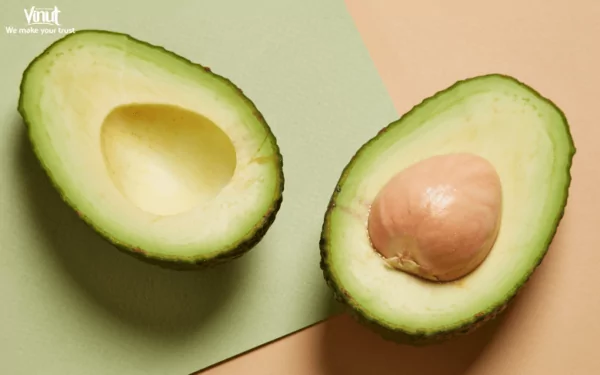
Avocado, scientifically known as Persea americana, traces its roots back thousands of years to the ancient civilizations of Central and South America. The Aztecs were among the first to cultivate avocados, treasuring them for their rich flavor and high nutritional value. These ancient cultures recognized the avocado’s potential and revered it as a symbol of fertility and vitality.
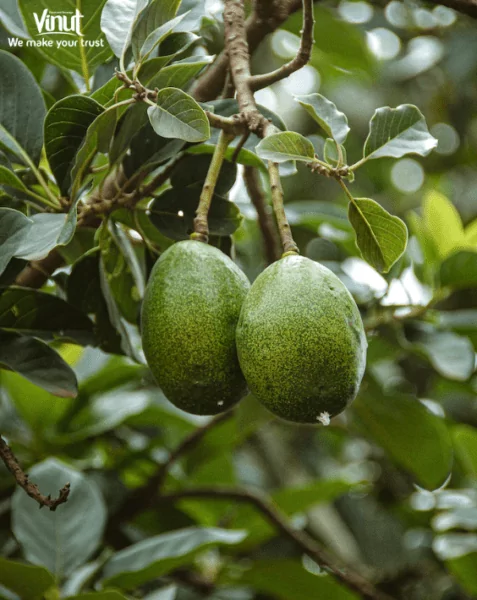
VINUT_Avocado, scientifically known as Persea americana
2. The Description and Appearance
2.1 Size
Avocados vary in size, but they are generally about the size of a pear or an average-sized fist. The size can range from small (about 3 inches or 7.5 centimeters in length) to large (up to 8 inches or 20 centimeters in length).
2.2 Shape
Avocados have a distinctive pear-like shape. They are typically rounded at the bottom, tapering towards the top where the stem was attached. The overall shape can also be described as oval or egg-shaped.
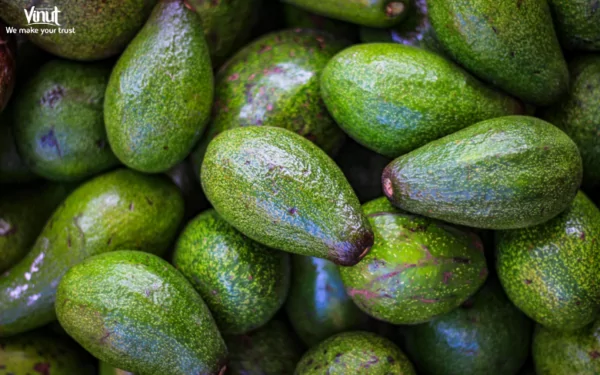
VINUT_Avocado
2.3 Skin
The skin of an avocado is thin but tough, and it is usually dark green to black in color. The texture of the skin can vary depending on the variety, ranging from smooth to slightly bumpy or pebbled. As the avocado ripens, the skin may become slightly softer and may develop a purplish hue.
2.4 Texture
The texture of the avocado’s skin is typically smooth, with a slight sheen. When touched, it can feel slightly waxy or leathery.
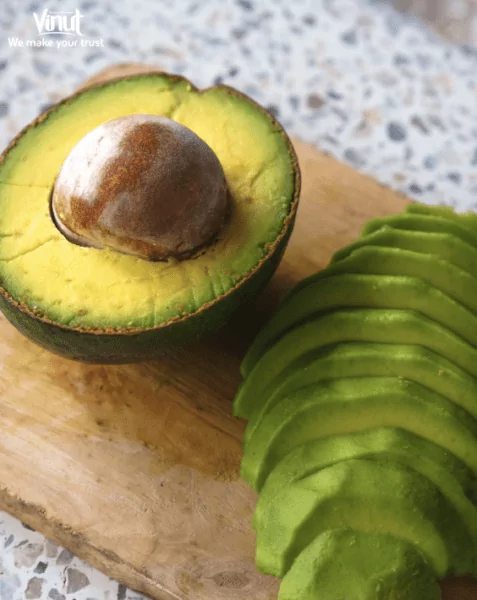
VINUT_The texture of the avocado’s skin is typically smooth, with a slight sheen
3. Nutritional Value
The fruit contains many essential nutrients including potassium, vitamin K, vitamin E, and vitamin C. Furthermore, they are an excellent source of healthy fats, mainly monounsaturated fats, which contribute to heart health.
They are also higher in potassium than bananas, which are essential for maintaining proper muscle function, nerve transmission, and healthy fluid balance in the body. Furthermore, they contain a significant amount of fiber, which aids digestion and contributes to a feeling of fullness.
Nutritional Value (per 100g)
Nutrient | Amount |
|---|---|
Calories | ~160 kcal |
Fat (mostly monounsaturated) | ~15 g |
Fiber | ~7 g |
Potassium | ~485 mg (higher than a banana) |
Vitamin K | ~26% of Daily Value |
Vitamin E | ~10% of Daily Value |
Vitamin C | ~10% of Daily Value |
Source: USDA FoodData Central
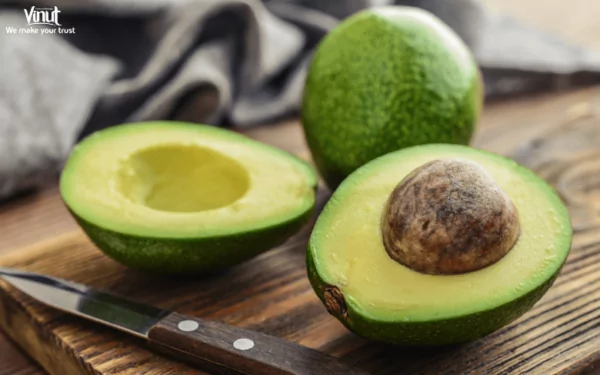
VINUT_Nutritional Value
4. Health Benefits
4.1 Heart Health
The monounsaturated fats in avocados, especially oleic acid, may help reduce inflammation and lower "bad" LDL cholesterol when used to replace saturated fats in the diet, according to the American Heart Association. Avocados also contain natural plant sterols, which further support healthy cholesterol levels.

VINUT_ Boosting Cardiovascular Health
4.2 Weight Management
Although they are high in calories, they are packed with nutrients and help promote satiety thanks to their high fiber content and healthy fats. The combination of fiber, healthy fats, and low sugar content helps regulate appetite and promote satiety, preventing overeating. So eating more foods rich in fiber, like avocados, can be a good choice for people looking to lose weight or maintain body weight.

VINUT_Low in Calories and Sugar
4.3 Skin Nourishment
The healthy fats in the fruit provide nourishment for your skin, promoting a vibrant and youthful appearance. They help keep the skin hydrated and supple, reducing the appearance of wrinkles and fine lines. Avocado oil, derived from the fruit, is often used in skincare products for its moisturizing and rejuvenating properties. It can help soothe dry, flaky skin and improve overall skin texture.

VINUT_Promotes Healthy Skin
4.4 Eye Health
Avocados are a good source of antioxidants like
Lutein
Zeaxanthin
which support eye health. These compounds may help reduce the risk of age-related macular degeneration and cataracts, according to research summarized by the NIH National Eye Institute.

VINUT_Eye Health
4.5 Digestive Health
The high fiber content in this fruit supports a healthy digestive system. Fiber aids in smooth digestion prevents constipation, and promotes regular bowel movements. Additionally, the combination of fiber and healthy fats in avocados optimizes nutrient absorption, ensuring your body can get the most out of the vitamins and minerals you consume.

VINUT_Digestive Relief: How Bael Juice Aids Digestion
5. Culinary Uses
5.1 Salads
The fruit is a versatile ingredient that can elevate the flavor and texture of salads. Sliced or cubed avocado adds a creamy element, enhancing the overall taste of the dish.
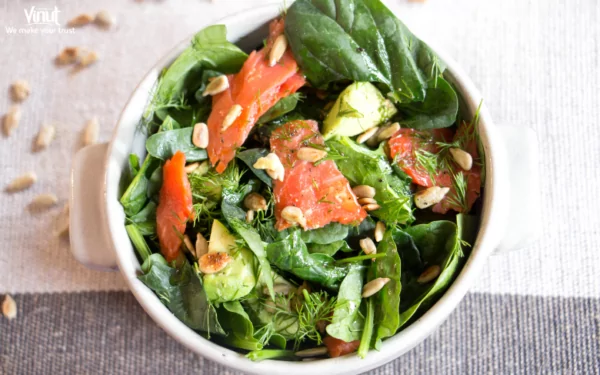
VINUT_Avocado Salads
5.2 Smoothies
Avocado's smooth texture makes it an excellent smoothie ingredient. Blended with bananas, berries, or mangoes, it adds creaminess and a nutritional boost. Pair it with VINUT's fruit juice range as a smoothie base for a naturally sweet, tropical flavor.
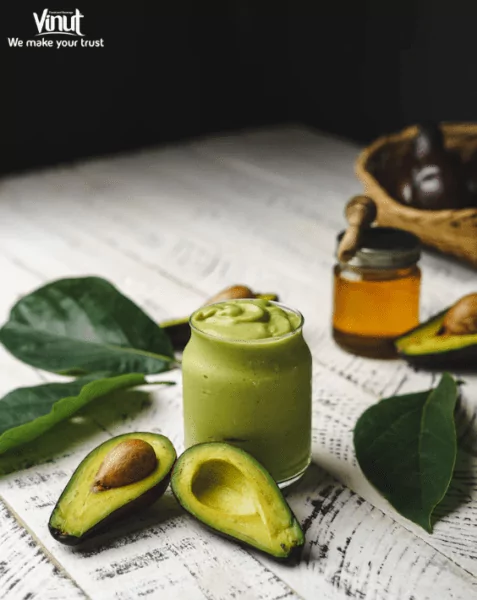
VINUT_Avocado Smoothies
5.3 Baked Goods
Avocado can replace traditional fats like butter or oil in certain baked goods, providing a healthier alternative. It adds moisture and richness to recipes, resulting in moist muffins, cakes, and brownies. Avocado also works well in vegan or plant-based baking, acting as a binding agent.
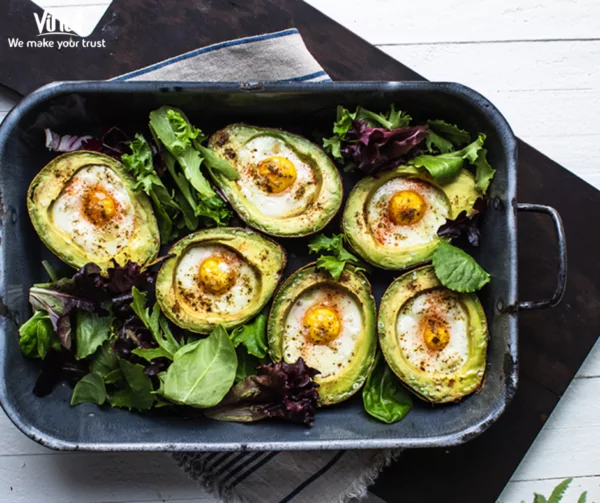
VINUT_Avocado Baked Goods
5.4 Creamy Salad Dressings
Whip up a nutritious and creamy salad dressing by blending avocados with lime juice, olive oil, garlic, and your choice of herbs. This homemade dressing will elevate any salad, providing a healthy dose of flavor and good fats.
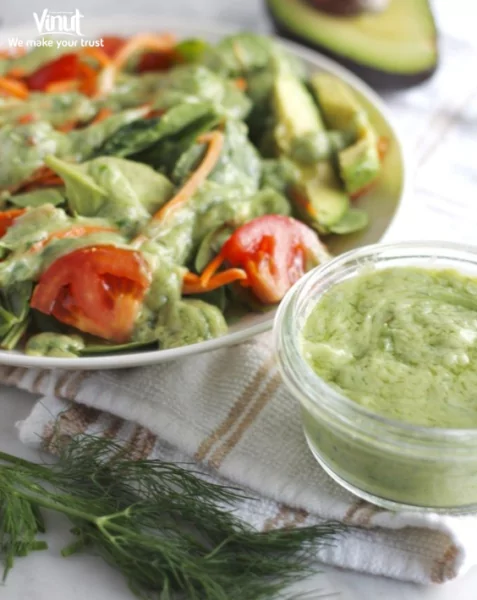
VINUT_ Avocado Creamy Salad Dressings
6. Summary
Avocado is more than just a fruit — it's a versatile ingredient with a wide range of culinary uses and health benefits. From adding creaminess to salads and sandwiches to starring in smoothies and baked goods, avocados offer endless possibilities. Their rich nutritional content — healthy fats, fiber, and essential vitamins and minerals — contributes to heart health, digestive well-being, weight management, and even skin and eye health.
Looking for beverages that pair well with fresh, healthy ingredients like avocado? Explore VINUT's product catalog or request a free catalog to learn about our export-ready juice solutions.
Related reading: Mango Juice Benefits for Skin and Hair Health · Dragon Fruit Benefits, Types & Nutrition Facts
FAQ
Is avocado good for weight loss despite being high in calories?
Yes, in moderation — its fiber and healthy fats promote satiety, which may help reduce overall calorie intake when eaten as part of a balanced diet.
How many avocados can I eat per day safely?
About half to one avocado per day is a reasonable amount for most people, given its calorie and fat content.
What is the best way to tell if an avocado is ripe?
A ripe avocado yields slightly to gentle pressure and often has darker skin. Avoid ones that feel mushy or have sunken spots.
Can avocado help lower cholesterol?
Its monounsaturated fats may help lower LDL ("bad") cholesterol when used to replace saturated fats in the diet.
Are avocado skin and pit edible?
The skin is tough and not typically eaten, and the pit isn't commonly consumed either — its safety and nutritional value are not well established.
About this article
The VINUT editorial team publishes articles about beverage ingredients, product characteristics, and practical information for readers and international buyers.