Buyer Briefing
4 min read · 781 words
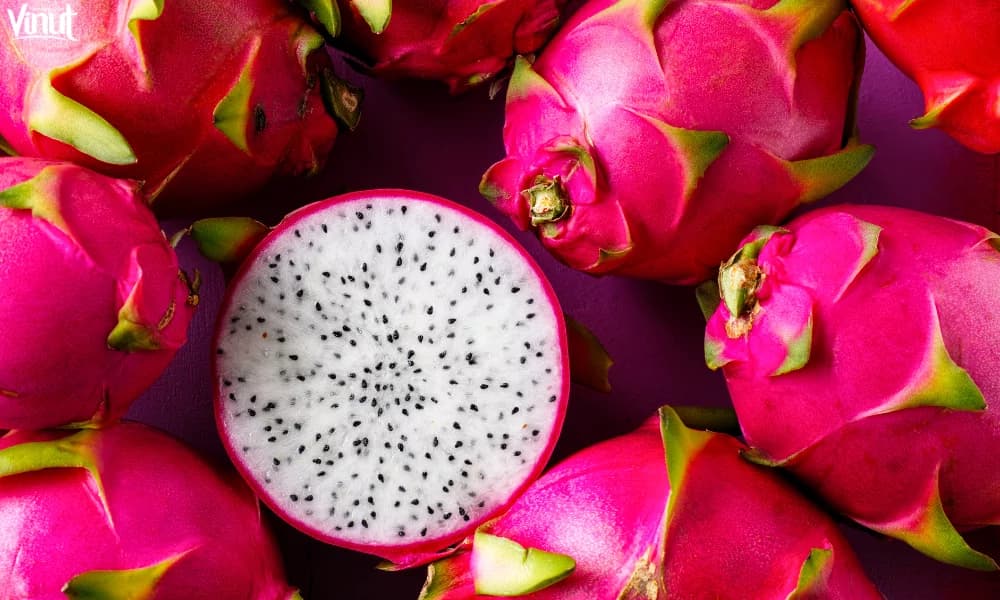
Dragon fruit (pitaya) is a tropical cactus fruit native to Central America, sold in white-, red-, and yellow-fleshed varieties. It's low-calorie and rich in antioxidants, vitamin C, and fiber — supporting immunity, digestion, hydration, and skin health. Best enjoyed fresh, blended into smoothies, or as juice.
- Dragon fruit, also known as pitaya or pitahaya (Hylocereus undatus), is native to Central America and belongs to the cactus family.
- Common varieties include white-fleshed (pink/yellow skin, mildly sweet), red-fleshed (red skin, sweeter, like strawberry/watermelon), and yellow-fleshed (yellow skin, sweet with citrusy notes).
- It is rich in antioxidants, boosts immunity due to vitamin C, supports digestive health with fiber, aids in weight management, provides hydration, and contributes to skin health.
- Dragon fruit can be enjoyed fresh, in smoothies, sorbets, salsas, or various desserts.
When it comes to exotic fruits, the Dragon Fruit stands out as a captivating gem in the world of produce.
With its vibrant colors, unique appearance, and an array of health benefits, it has gained popularity worldwide. But what exactly is this intriguing fruit, where does it come from, and why should you consider making it a part of your diet?. In this article, VINUT will dive deep into the fascinating world of the dragon fruit and explore its origins, varieties, and the numerous ways it can positively impact your health.
1. The Dragon Fruit’s Exotic Origins
VINUT_The Dragon Fruit’s Exotic Origins
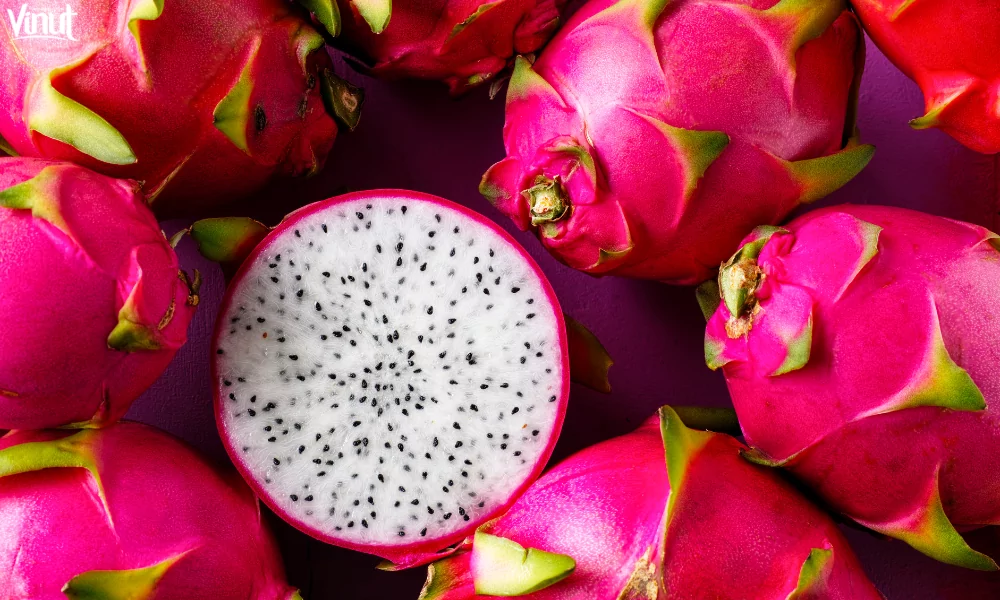
Dragon fruit, also known as pitaya or pitahaya, is native to Central America but is now cultivated across tropical and subtropical regions worldwide, including Vietnam — one of the world's largest dragon fruit exporters. It belongs to the cactus family (Cactaceae), and its striking pink or yellow skin covered in green scales gives it an otherworldly, dragon-like appearance.
Different varieties actually belong to different species within the Hylocereus and Selenicereus genera, which explains the differences in flesh color and flavor described below.
2. Varieties of Dragon Fruit
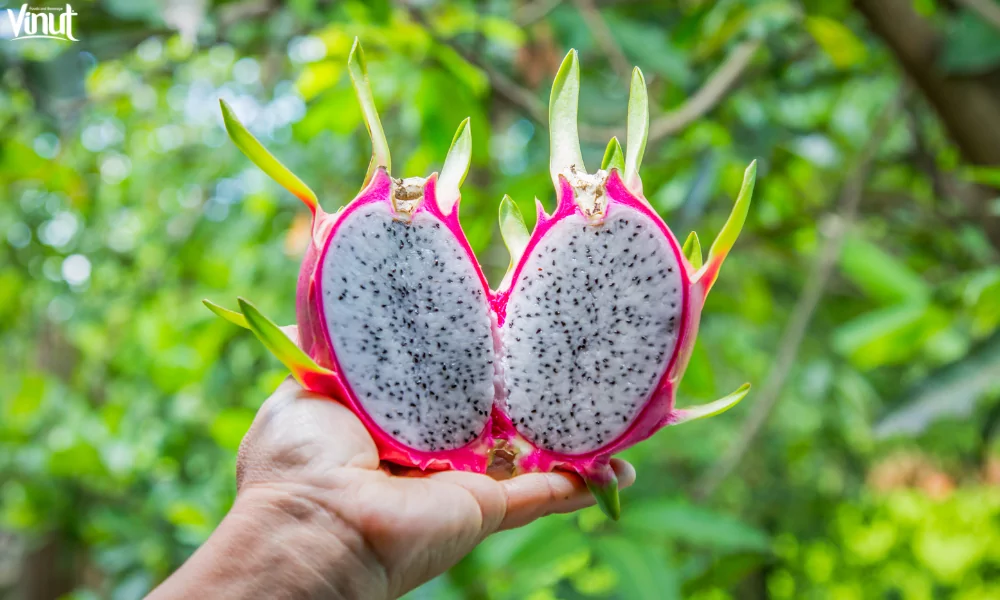
2.1 White-Fleshed Dragon Fruit (Hylocereus undatus)
VINUT_White-fleshed Dragon Fruit
The most common variety, with pink or yellow skin and white flesh.
Mildly sweet flavor, often compared to a combination of kiwi and pear.
Contains tiny black seeds that are entirely edible and add a delicate crunch.
2.2 Red-Fleshed Dragon Fruit (Hylocereus polyrhizus)
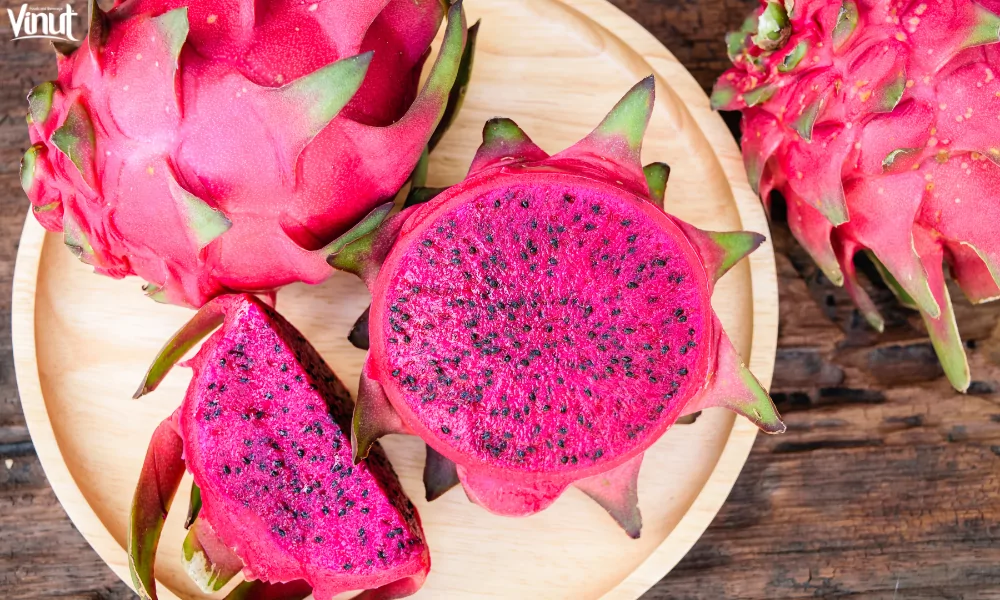
VINUT_Red-Fleshed Dragon Fruit
Bright pink to deep red flesh with red skin and green scales.
Sweeter than the white variety, often likened to a blend of strawberry and watermelon.
Contains higher levels of betalain antioxidants, which give it its deep red color.
2.3 Yellow-Fleshed Dragon Fruit (Selenicereus megalanthus)
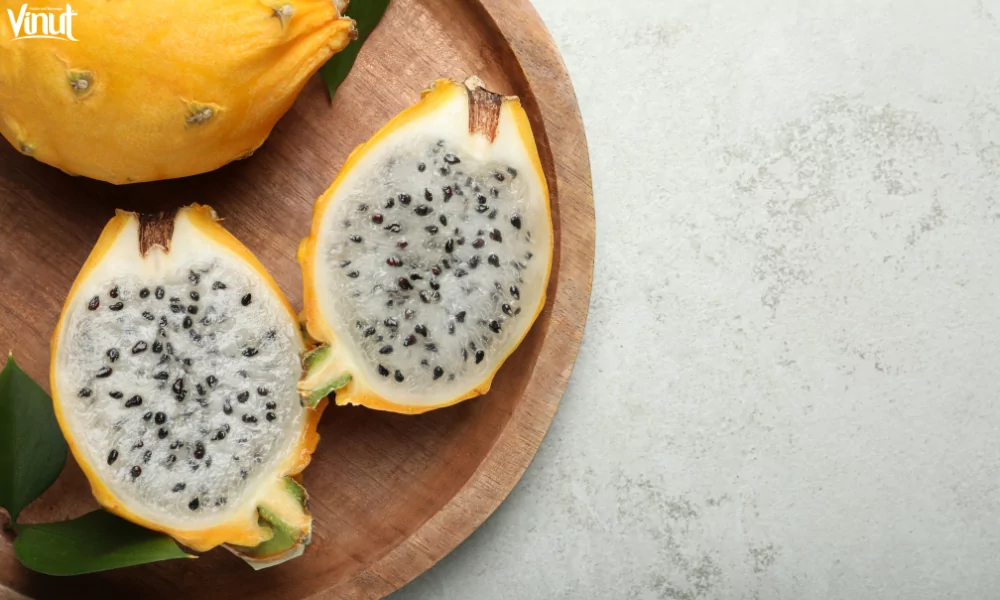
VINUT_Yellow-Fleshed Dragon Fruit
Also called pitaya amarilla; has yellow, slightly spiky skin and white flesh.
The sweetest of the three varieties, with subtle citrusy notes.
Particularly refreshing and popular for smoothies and juices.
3. Health Benefits of Dragon Fruit
3.1 Rich in Antioxidants
The vibrant colors of the fruit are indicative of its high antioxidant content. Antioxidants help combat free radicals in the body, reducing the risk of chronic diseases and promoting overall well-being.

VINUT_Rich in Antioxidants
3.2 Boosts Immunity
Dragon fruit contains a meaningful amount of vitamin C, which supports immune function according to the NIH Office of Dietary Supplements.

VINUT_Boosts Immunity
3.3 Supports Digestive Health
It is an excellent source of dietary fiber, aiding in digestion and promoting a healthy gut. It can help prevent constipation and other digestive issues.

VINUT_Supports Digestive Health
3.4 Weight Management
Low in calories and rich in fiber, this fruit can be a valuable addition to your weight management efforts. It keeps you feeling full and satisfied, reducing the urge to snack on unhealthy options.

VINUT_Weight Management
3.5 Hydration
With its high water content, the fruit is a fantastic way to stay hydrated, especially in hot climates. Proper hydration is essential for various bodily functions.

VINUT_Hydration
3.6 Skin Health
The antioxidants and vitamin C in the fruit can contribute to healthy and radiant skin. They help reduce signs of aging and promote a youthful complexion.

VINUT_Skin Health
4. Potential Side Effects and Precautions
Dragon fruit is safe for most people, but a few things are worth knowing:
Natural color change: Red-fleshed varieties can temporarily turn urine or stool pinkish-red — this is harmless (a condition sometimes called pseudohematuria).
Allergies: Rare, but some people report mild oral itching or hives after eating dragon fruit.
Blood sugar: While generally low-glycemic, people with diabetes should monitor portion sizes as part of a balanced diet.
5. How to Enjoy Dragon Fruit
5.1 Eating it Fresh
The simplest way to enjoy this fruit is by scooping out the flesh with a spoon, just like you would with a kiwi. You can also slice it and add it to fruit salads for an exotic twist.
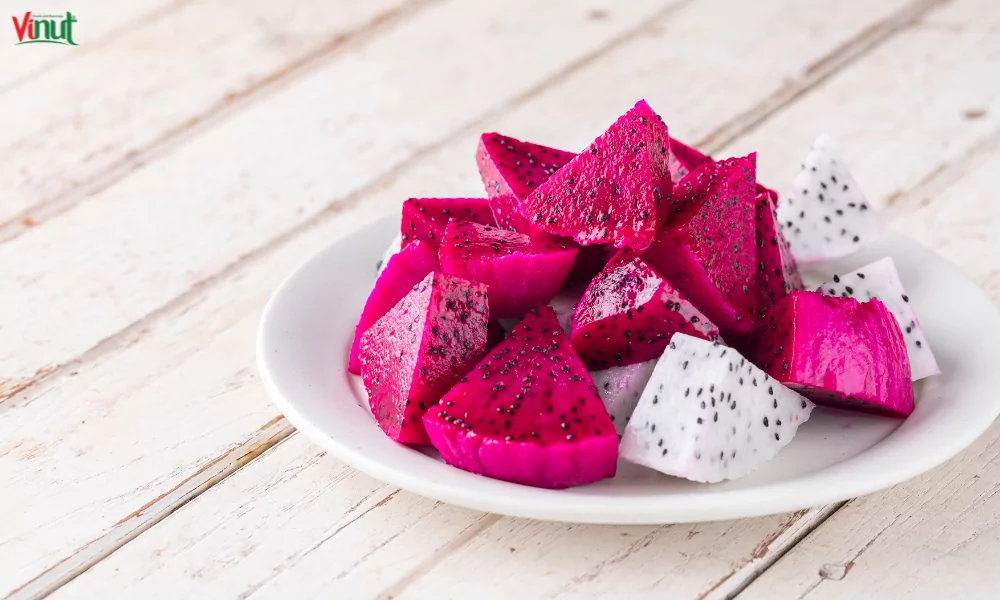
VINUT_Eating it Fresh
5.2 Dragon Fruit Smoothies
Blend with pineapple, mango, and coconut water for a tropical, nutrient-packed drink. Prefer a ready-made option? Explore VINUT's fruit juice range for convenient, export-ready tropical juices.
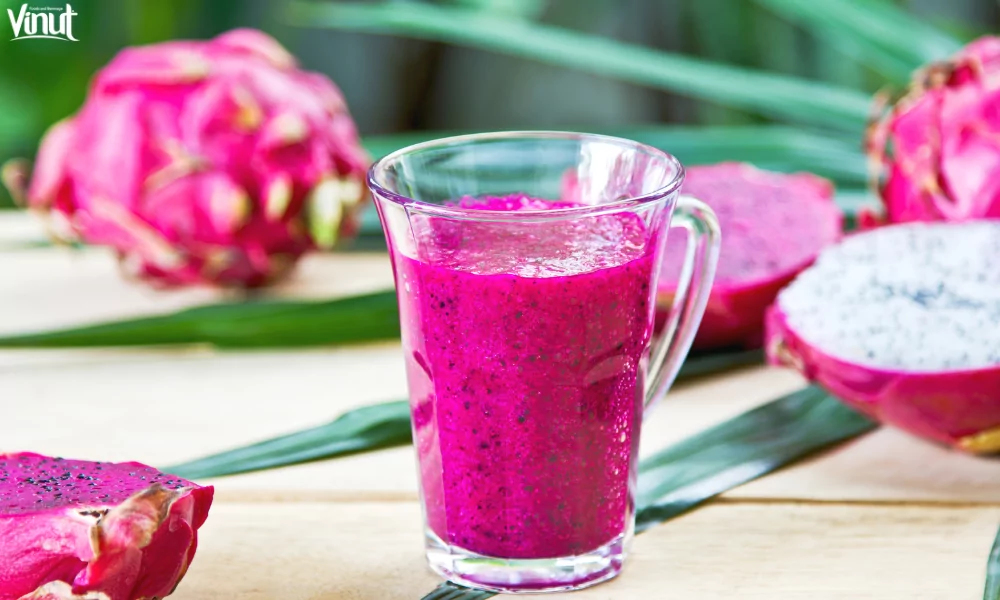
VINUT_Dragon Fruit Smoothies
5.3 Dragon Fruit Sorbet
Blend with a touch of honey and freeze for a refreshing, guilt-free dessert.

VINUT_Dragon Fruit Sorbet
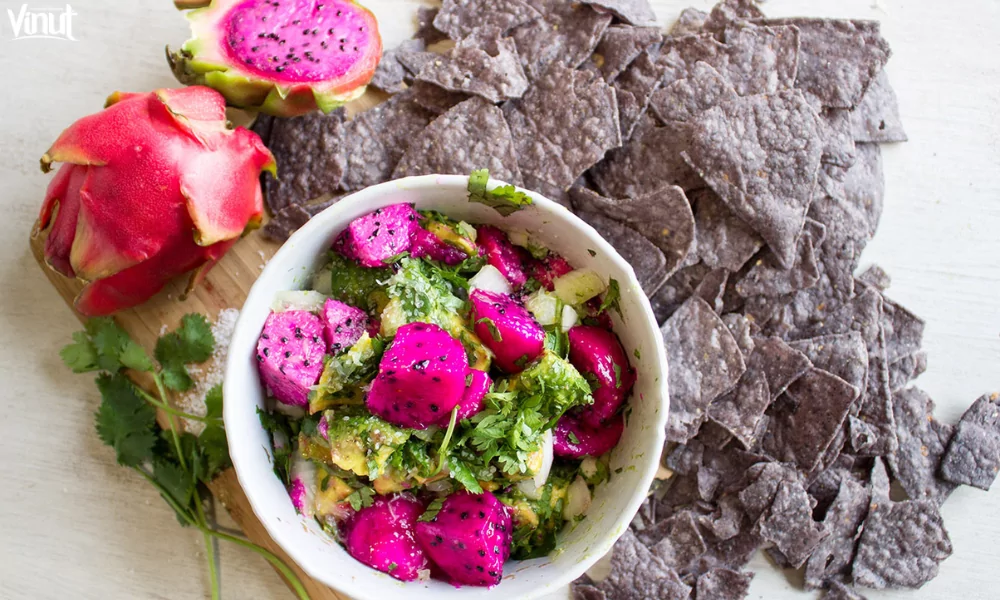
5.4 Dragon Fruit Salsa
Dice and mix with red onion, cilantro, and lime juice for a unique topping for grilled chicken or fish.
VINUT_Dragon Fruit Salsa
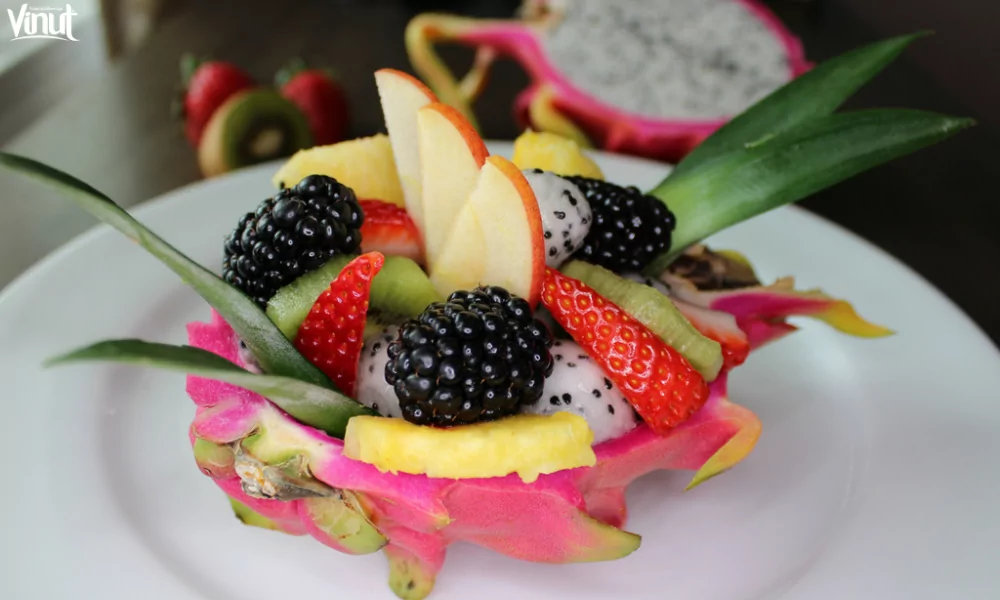
5.5 Dragon Fruit Desserts
Explore creative dessert recipes like dragon fruit cheesecake, dragon fruit tarts, or dragon fruit ice cream. The possibilities are endless.
VINUT_Dragon Fruit Desserts
6. Conclusion
Intriguing in appearance, delightful in taste, and packed with health benefits, dragon fruit is a remarkable addition to the world of exotic fruits. Whether you choose the white-fleshed, red-fleshed, or yellow-fleshed variety, you're in for a treat that nourishes your body as much as it delights your taste buds.
Sourcing dragon fruit-based beverages for your market? Explore VINUT's product catalog or request a free catalog to learn more about our export-ready fruit juice solutions.
Related reading: RTD Tea and Coffee: Convergence or Competition? · The Science of Shelf-Stable, No-Preservative Tea
VINUT products
Explore related drinks
View ingredients, sizes and packaging.

16.9 fl oz Vinut White Dragon fruit juice drink with pulp
16.9 fl oz · Can (Tinned)
View product
VINUT Dragon Fruit Juice Drink, NFC Squeezed From Real Juice Not From Concentrate, Can, 11.1 fl oz (330 mL)
11.1 fl oz (330 mL) · Can (Tinned)
View productVINUT Red Dragon Fruit Juice Drink, NFC Squeezed From Real Fruit Juice Not From Concentrate, Can, 16.9 fl oz (500 mL)
16.9 fl oz (500 mL) · Can (Tinned)
View product
FAQ
What does dragon fruit taste like?
Mildly sweet, often compared to a mix of kiwi and pear, with crunchy edible seeds.
Can you eat dragon fruit skin?
No, the skin is not edible; only the flesh and seeds inside are consumed.
What's the difference between red and white dragon fruit?
Red-fleshed dragon fruit (Hylocereus polyrhizus) is sweeter and higher in antioxidants than the milder white-fleshed variety (Hylocereus undatus).
Is dragon fruit good for weight loss?
Yes, it's low in calories and high in fiber, helping you feel full longer.
How do you know when a dragon fruit is ripe?
The skin should be bright and slightly soft to the touch, similar to a ripe avocado.
About this article

The VINUT editorial team publishes articles about beverage ingredients, product characteristics, and practical information for readers and international buyers.