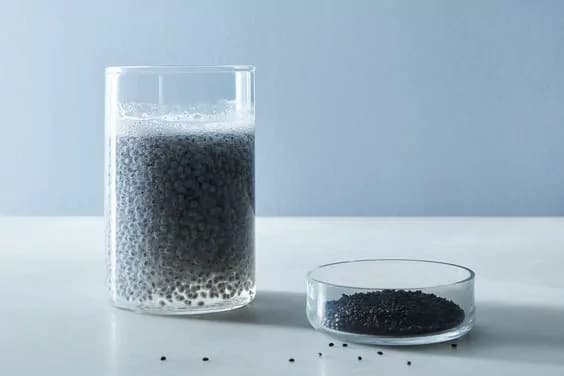

Buyer Briefing
5 min read · 956 words
Basil seeds are tiny, fiber-rich seeds used in drinks and desserts. They may support digestion, weight management, and antioxidant intake — but should always be soaked before eating and avoided by people on blood thinners or before surgery.
- High in fiber, plant protein, and minerals like iron and magnesium
- May support digestion, fullness, and weight management
- Contains antioxidants with early antibacterial potential
- Must be soaked in water before eating to avoid choking risk
- Has blood-thinning effects — avoid before surgery or with blood-thinning medication
- Good alternatives: chia seeds, flax seeds, psyllium husk
Listen to the article summary
AI-generated voice · English · 3:49
Read transcript
Basil seeds, derived from the basil plant, have been utilized for centuries in traditional medicine and cooking, particularly in Asian cuisine. These small, black seeds are recognized for their nutritional value and health benefits, often used as a jelly-like drink topping or a natural fiber boost. Nutritionally, per 100 grams, basil seeds offer 14.8 grams of protein, 13.8 grams of fat, 63.8 grams of carbohydrates, and a significant 22.6 grams of fiber. They also provide minerals like iron, magnesium, and zinc, while being low in calories, with about 57.5 calories per tablespoon. When soaked in water, they swell and become gelatinous, similar to tapioca pearls. Basil seeds are versatile in their uses. They are popular in beverages such as lemonade, iced tea, and smoothies, adding a unique texture and a cooling effect. For example, stirring a spoonful into a chilled VINUT fruit juice can enhance texture and fiber. They also serve as a healthier thickener in desserts like puddings, ice creams, and sorbets. The potential health benefits of basil seeds are notable. They are rich in fiber, which can aid in preventing constipation, support a healthy gut microbiome, and may reduce the risk of cardiovascular disease, colorectal cancer, and type 2 diabetes. Fiber also contributes to feelings of fullness, potentially assisting with weight management. Additionally, basil seeds contain phenolic and flavonoid compounds, which exhibit antioxidant properties, helping to combat cell damage from free radicals. Preliminary research also suggests they may possess antibacterial properties, effective against certain bacteria like Pseudomonas aeruginosa, though more human studies are needed. However, there are important qualifications and potential side effects. Consuming basil seeds without adequate water can lead to choking as they expand in the throat. They also have blood-thinning properties, which can lower blood pressure, and some individuals may experience allergic reactions. Certain groups should exercise caution or avoid basil seeds entirely, including pregnant or breastfeeding women due to limited research, individuals with digestive issues who might experience bloating or diarrhea from the high fiber content, and those with low blood pressure. It's also advised to avoid them for at least two weeks before and after surgery, or if taking blood-thinning medication, as they can increase the risk of bleeding. People with a known allergy to basil should also avoid the seeds. To consume basil seeds safely, always soak them in water for at least 10 minutes before eating to allow them to swell and become gelatinous, thereby reducing the choking risk. Consume them in moderation, and if any allergic reactions like hives or difficulty breathing occur, stop consumption and seek medical attention. Starting with small amounts is recommended to observe how your body reacts. This article is for general information and not a substitute for medical advice; always consult a healthcare provider before use, especially if pregnant, on medication, or before surgery.
Basil seeds have been used for centuries in traditional medicine and cooking. These tiny black seeds are packed with nutrients and known for their health benefits, from a jelly-like drink topping to a natural fiber boost.
1. What Are Basil Seeds?
Basil seeds come from the basil plant (Ocimum basilicum), part of the mint family (Lamiaceae).
They are small and black, widely used in Asian cuisine, especially in India and Southeast Asia.
They're a good source of fiber and minerals like calcium, magnesium, and iron.
They're low in calories and turn gelatinous — similar to tapioca pearls — when soaked in water.
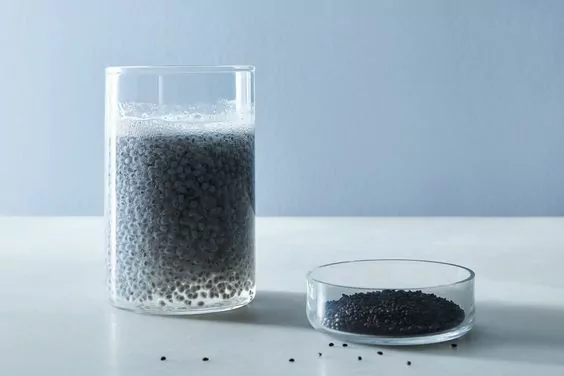
VINUT_Basil seeds
2. Basil Seeds Nutrition Facts
Per 100 grams:
14.8 g protein
13.8 g fat
63.8 g carbohydrates
22.6 g fiber
2.27 mg iron
31.55 mg magnesium
1.58 mg zinc
~442 calories (about 57.5 calories per tablespoon / 13 g)
Source: USDA FoodData Central
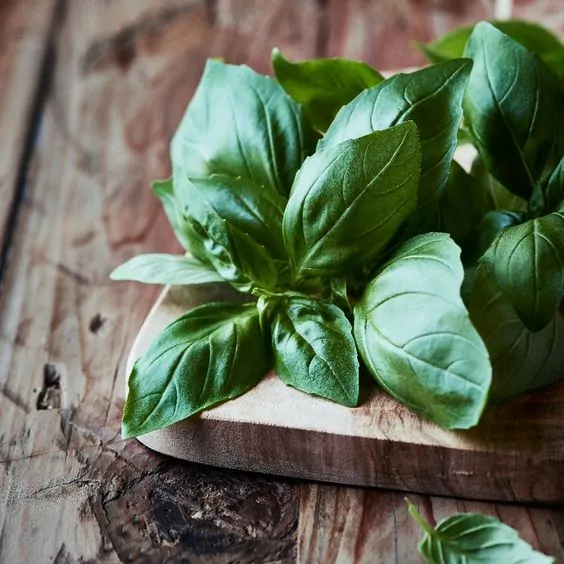
Basil Seeds
3. How Are Basil Seeds Used?
3.1 In Beverages
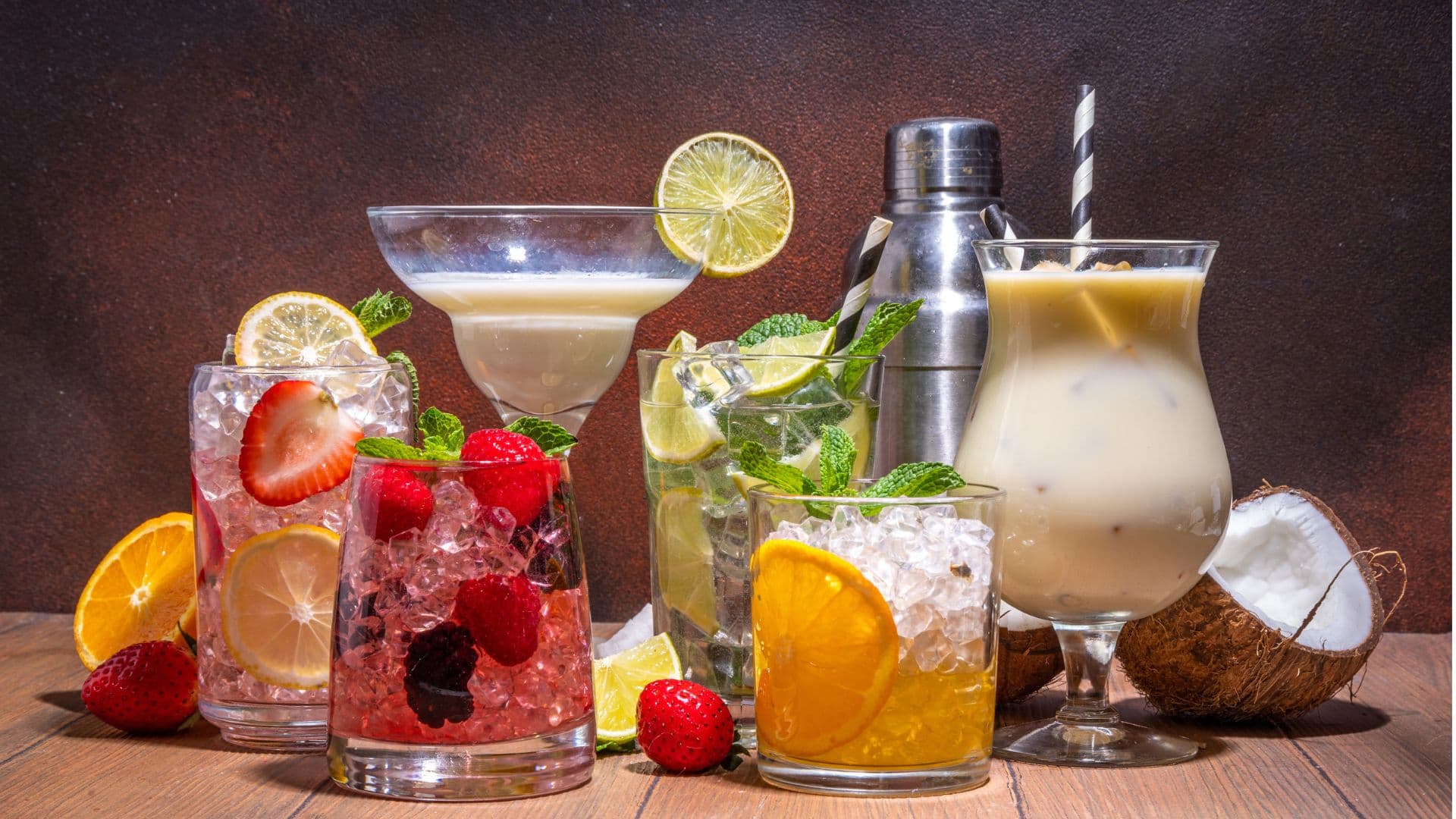
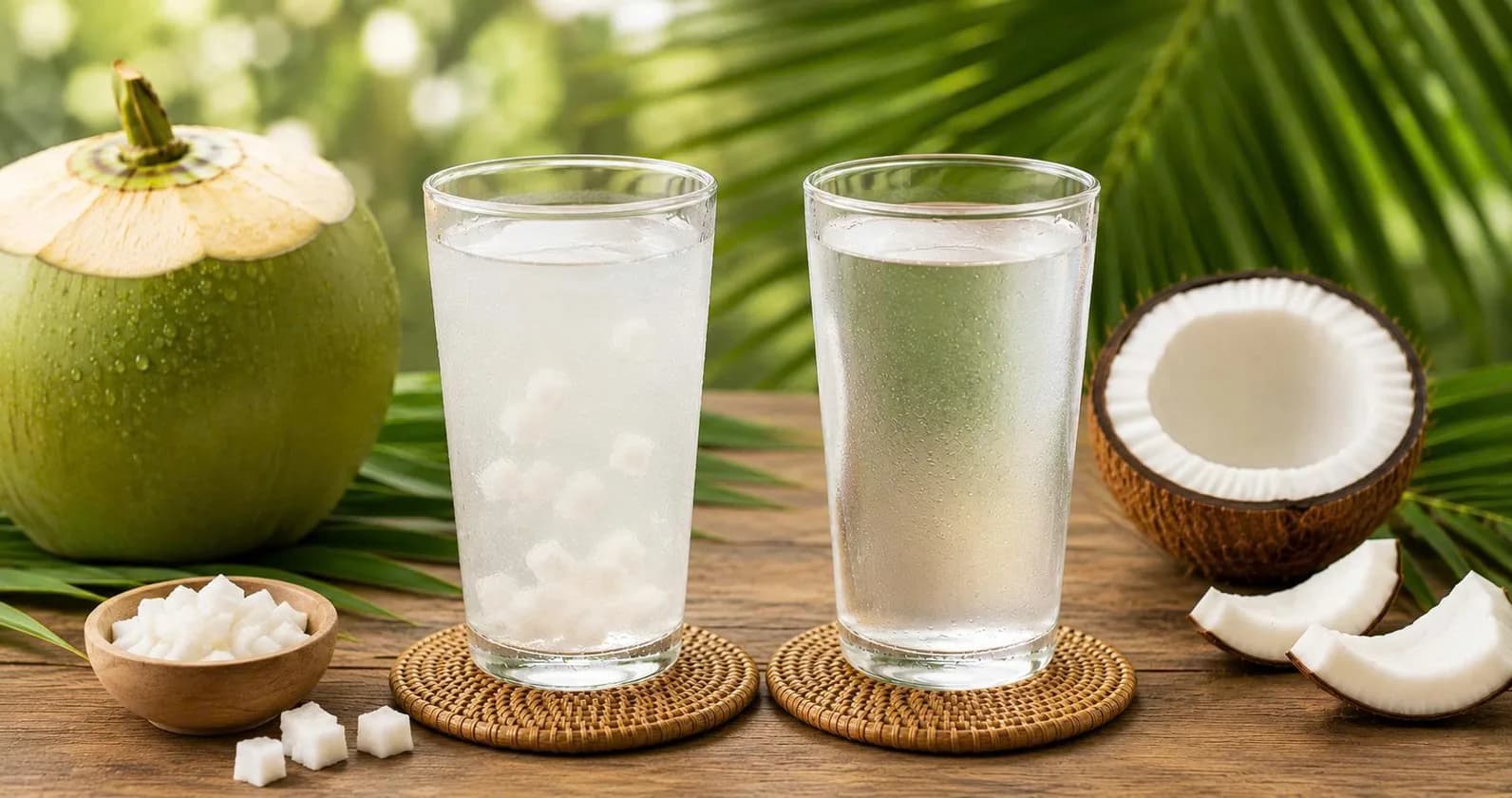
Basil seeds are popular in lemonade, iced tea, and smoothies. Soaked seeds add a jelly-like texture and a cooling effect, perfect for hot days. Try stirring a spoonful into a chilled VINUT fruit juice for extra texture and fiber.
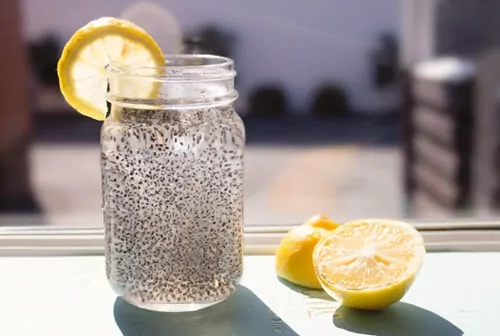
VINUT_Basil seeds drink
3.2 In Desserts
They're also used in puddings, ice creams, and sorbets. Soaked basil seeds work as a healthier thickener than cornstarch or flour.
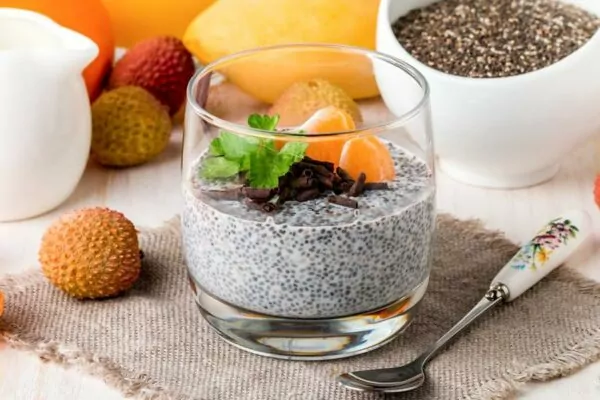
VINUT_Basil seeds dessert
4. Potential Benefits
4.1 Rich in Fiber
Basil seeds are high in fiber, a substance that has health benefits such as preventing constipation, which is a stomach problem. It does this by helping waste move around the body and also contributes to a healthy gut microbiome. Furthermore, fiber may reduce the risk of diseases such as cardiovascular disease, colorectal cancer, and type 2 diabetes.
Fiber can also be beneficial for people who want to control their weight. A diet with enough fiber can prolong feelings of fullness after eating. Research shows that increased fiber intake may be associated with promoting weight loss and more success when it comes to diet adherence.
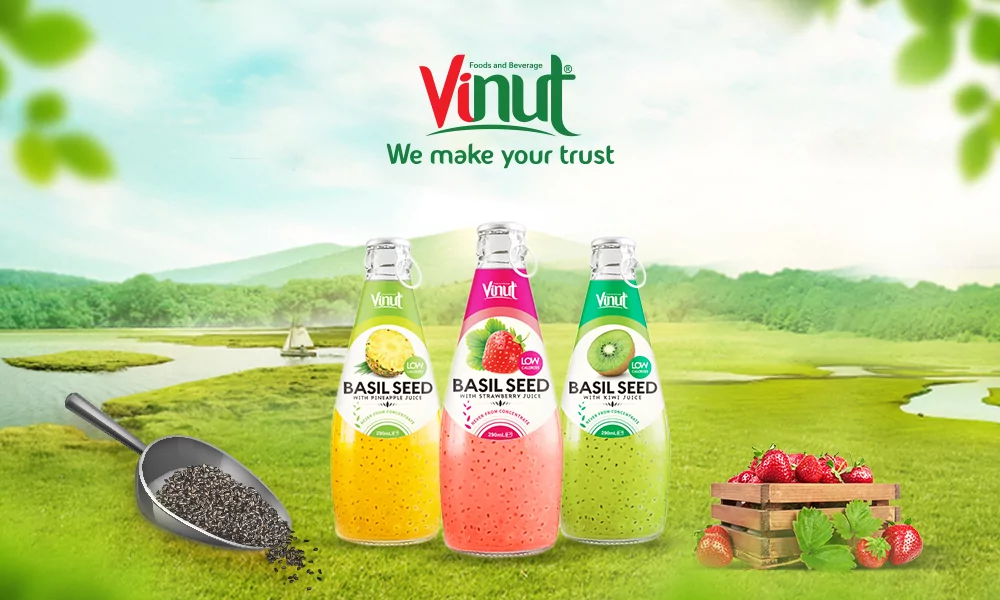
VINUT_Basil seed flavour drinks
4.2 Antioxidants
Basil seeds contain compounds such as phenolic and flavonoid content, which appear to have antioxidant properties.
Antioxidants are substances that can fight unstable molecules, called free radicals, in the body that can damage cells. Oxidative stress caused by free radicals has been linked to cardiovascular disease, neurodegenerative diseases, and some cancers. Evidence suggests that they may have a better antioxidant capacity than other nuts and thus may be beneficial to human health.
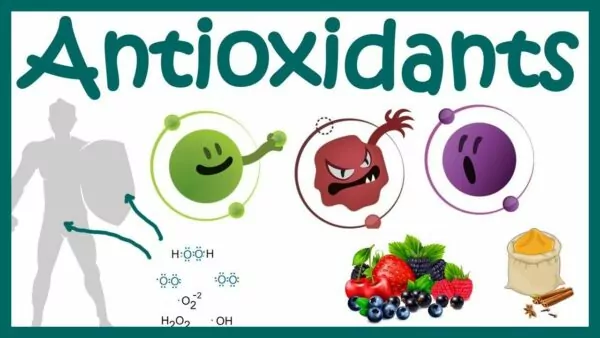
Antioxidants
4.3 Antibacterial properties
Preliminary research suggests that basil seeds may also have promising antibacterial properties. One study found that the seeds were effective against several different types of bacteria and were most effective against Pseudomonas aeruginosa, a bacteria that can cause pneumonia. More human research is needed to confirm these effects. (Source: PubMed/NCBI)
Antibacterial properties
5. What Are the Side Effects of Consuming Basil Seeds?
5.1 Choking
When swelled up and becomes gelatinous when soaked in water. Consuming them without adequate water can cause them to expand in the throat, leading to choking.
5.2 Low blood pressure:
They have blood-thinning properties and can lower blood pressure. Consuming too many can lead to a significant drop in blood pressure.
5.3 Allergic reactions
Some people may be allergic and may experience symptoms such as hives, itching, and difficulty breathing.
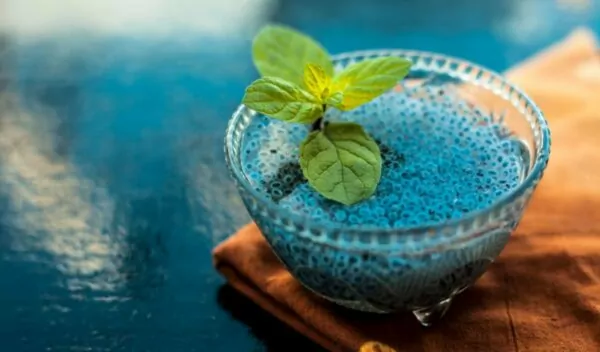
Basil seeds
6. Who Should Be Concerned About Basil Seeds Side Effects?
6.1 Pregnant or breastfeeding women
There is limited research on the effects of this seeds on pregnant or breastfeeding women. It is best to avoid consuming basil seeds during this time.
6.2 People with digestive issues
The seeds are high in fiber and can cause digestive issues such as bloating, gas, and diarrhea in some people.
6.3 People with low blood pressure
Basil seeds have blood-thinning properties and can lower blood pressure. If you have low blood pressure, it is best to avoid consuming them.
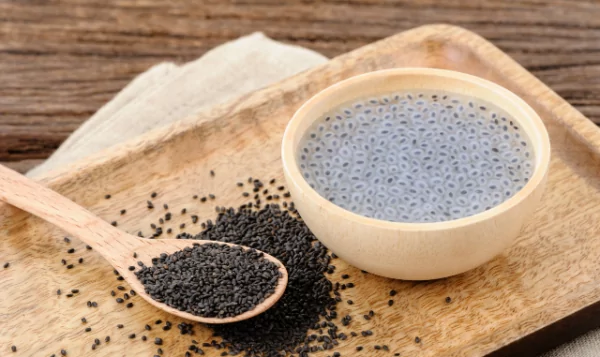
Side effects of basil seeds
7. When Should You Avoid Consuming Basil Seeds?
7.1 Before or after surgery
Basil seeds have blood-thinning properties and can increase the risk of bleeding during or after surgery. It is best to avoid consuming basil seeds for at least two weeks before and after surgery.
7.2 If you are taking blood-thinning medication
Basil seeds can interact with blood-thinning medication and increase the risk of bleeding. If you are taking blood-thinning medication, it is best to avoid consuming basil seeds.
7.3 If you are allergic to basil
It is best to avoid consuming basil seeds if you are allergic to basil.
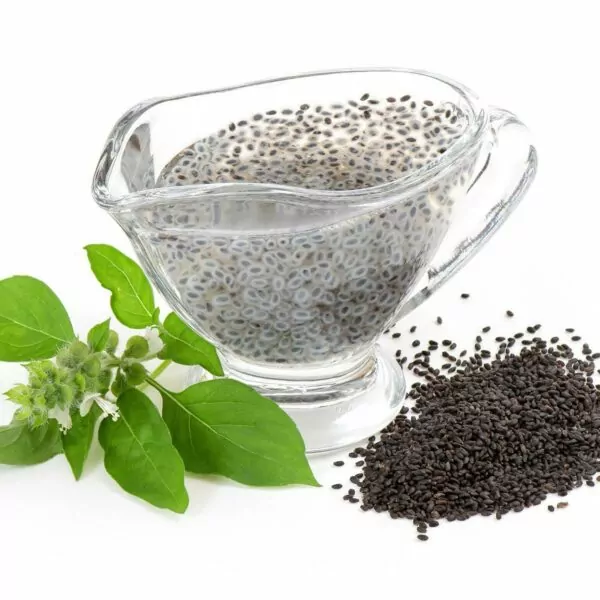
Raw-unroasted-basil-seeds
8. How to Consume Basil Seeds Safely?
8.1 Soak the seeds in water
They should be soaked in water for at least 10 minutes before consumption. This will allow them to swell up and become gelatinous, reducing the risk of choking.
8.2 Consume in moderation
Consuming large amounts can lead to side effects such as low blood pressure and choking. It is best to consume basil seeds in moderation.
8.3 Watch for allergic reactions
If you experience symptoms such as hives, itching, or difficulty breathing after consuming basil seeds, stop consuming them immediately and seek medical attention.
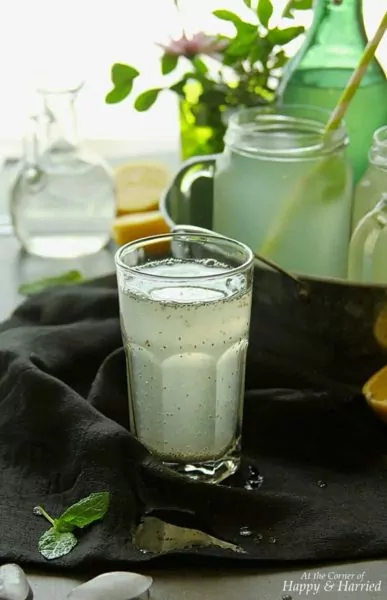
A glass of basil seeds
9. Tips for Consuming Basil Seeds Safely
Start with small amounts to see how your body reacts.
Soak the seeds properly: Soak the seeds in water for at least 10 minutes to reduce the risk of choking.
Consume in moderation: Consuming large amounts of this seeds can lead to side effects
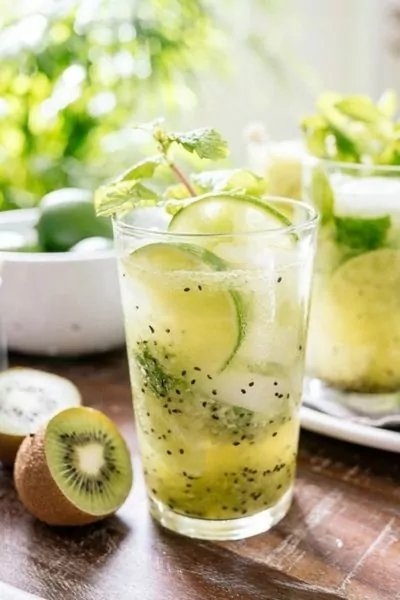
Basil seeds drink
10. Conclusion
Basil seeds are a simple, low-calorie way to add fiber and antioxidants to your diet. They work well in drinks and desserts, offering a unique jelly-like texture. Soak them properly and consume in moderation to avoid side effects. Avoid them if you're on blood thinners, pregnant, or preparing for surgery. For most people, they're a safe, nutritious addition to everyday meals and drinks. Explore VINUT's fruit juice range for more ideas on pairing basil seeds with refreshing beverages.
This article is for general information only and is not a substitute for medical advice. Consult a healthcare provider before use, especially if pregnant, on medication, or before surgery.
Related reads: Green Tea with Lemon Benefits · Vegetable Juice Benefits
FAQ
Are basil seeds safe to consume?
Yes, generally safe in moderation. Large amounts may cause digestive discomfort.
Can basil seeds help with weight loss?
They may support fullness and reduce appetite due to their high fiber and gel-forming texture.
Can basil seeds cause choking?
Yes, if eaten dry. Always soak them in water for at least 10 minutes first.
Do basil seeds lower blood pressure?
Yes, due to blood-thinning properties. People with low blood pressure should avoid them.
What are good alternatives to basil seeds?
Chia seeds, flax seeds, and psyllium husk offer similar fiber content and gel-like texture.
About this article
The VINUT editorial team publishes articles about beverage ingredients, product characteristics, and practical information for readers and international buyers.