
Buyer Briefing
5 min read · 1,072 words
Bubble tea (also called boba tea) is a Taiwanese drink made from tea, milk or fruit flavoring, sweetener, and chewy tapioca pearls. It can be made at home with basic ingredients and a shaker, and while it offers some antioxidants, most versions are high in added sugar, so moderation matters.
- Bubble tea originated in Taiwan in the 1980s and combines tea, milk or fruit flavor, sweetener, and tapioca pearls.
- Popular variations include classic milk tea, fruit tea, matcha, taro, and brown sugar.
- A typical serving can have 300–500 calories and 30–50 g of sugar, so it's best as an occasional treat.
- The global bubble tea market was valued at about $2.8 billion in 2025 and is projected to reach $5.4 billion by 2034.
- Tapioca pearls pose a choking risk for young children, so supervise them closely when drinking bubble tea.
Listen to the article summary
AI-generated voice · English · 2:44
Read transcript
Bubble tea, also known as boba tea or pearl milk tea, is a sweet and refreshing drink that originated in Taiwan in the 1980s. It combines a tea base with milk or fruit flavoring, a sweetener, and chewy tapioca balls called pearls or boba, often served with ice and a wide straw. The name "bubble" can refer to these pearls or the foam created when the drink is shaken. Making bubble tea at home involves choosing high-quality ingredients like fresh tea leaves and milk, and experimenting with different tea bases such as black, green, oolong, or fruit tea. VINUT suggests not overcooking the tapioca pearls to maintain their chewy texture and using a cocktail shaker to achieve the drink's signature frothy consistency. Sweetness can be adjusted, and fresh toppings like fruit jellies enhance the experience. The DIY process involves cooking tapioca pearls, shaking brewed tea, milk, sugar, and ice, then combining them in a glass with the pearls and desired toppings. The drink's signature chewy texture comes from tapioca pearls, made from cassava root starch. The frothy top is created by shaking the mixture, which aerates the liquid and forms tiny air bubbles, an effect enhanced by milk. Bubble tea has become a global cultural phenomenon due to its unique taste, customizable options, and Instagram-worthy appearance. It's a staple in many Asian countries and has introduced Taiwanese cuisine to the world, creating opportunities for Asian-owned businesses. Popular flavors include Classic Milk Tea, Fruit Tea, Matcha, Taro, and Brown Sugar, with VINUT offering inspiration for trending popping boba and fruit juice bases. While bubble tea offers potential benefits like antioxidants from tea leaves and calcium/protein when made with milk, there are health concerns. A medium milk tea with tapioca pearls can range from roughly 300 to 500 calories and 30–50 grams of sugar, often exceeding recommended daily added sugar intake. VINUT advises choosing less sugar or fewer toppings. Tapioca pearls also pose a choking risk, especially for young children, requiring close supervision. The future of bubble tea looks bright, with the global market projected to reach about $5.4 billion by 2034, driven by health-conscious consumers seeking low-sugar options and technological advancements in ordering and preparation.
Bubble tea, also known as boba tea or pearl milk tea, has taken the world by storm. Originating from Taiwan in the 1980s, this sweet and refreshing drink has become a global phenomenon, with bubble tea shops popping up in every corner of the world. But what exactly is bubble tea, and how is it made?
In this comprehensive guide, VINUT delves into the art of making bubble tea, explores its flavors and variations, and discusses its health considerations and cultural impact. So grab your favorite cup and let's dive into the world of bubble tea.
1. What Is Bubble Tea?
Bubble tea is a Taiwanese drink invented in Tainan and Taichung in the 1980s. Most recipes combine a tea base with milk or fruit flavoring, a sweetener, and chewy tapioca balls known as pearls or boba, often finished with ice and a wide straw. The name "bubble" refers either to the pearls themselves or to the foam created when the drink is shaken.
2. How Do You Make the Perfect Bubble Tea at Home?
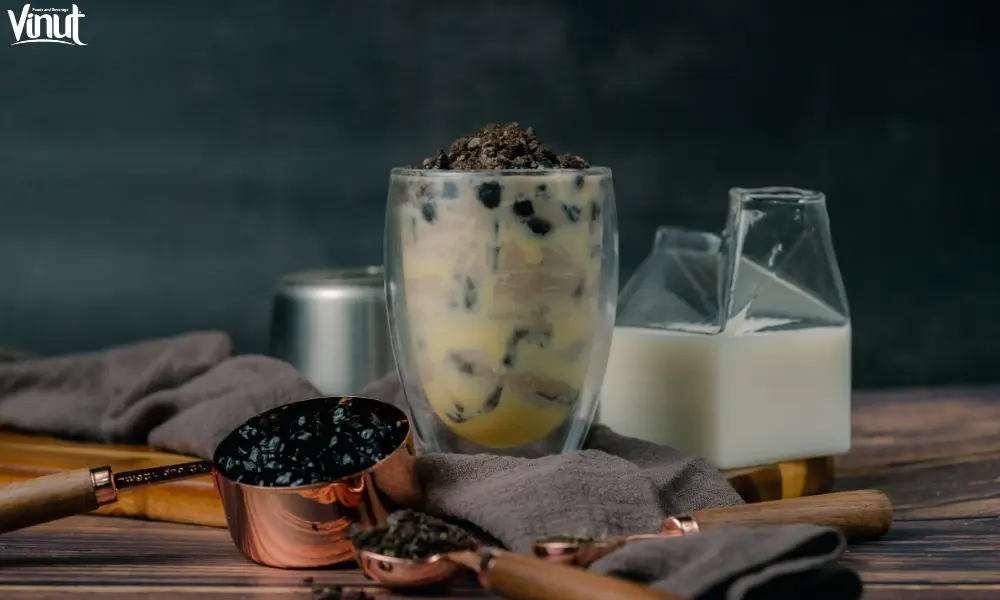
VINUT_Essential Tips for Crafting the Perfect Bubble Tea
Making bubble tea may seem simple, but several key elements go into crafting the perfect cup, from choosing the right ingredients to mastering the shaking technique.
Choose high-quality ingredients. Fresh, high-quality tea leaves, milk, and toppings make the biggest difference in taste.
Experiment with different teas. Black tea is the traditional base, but green tea, oolong tea, or fruit tea all work well for a unique flavor.
Don't overcook the tapioca pearls. Follow the package instructions closely — overcooked pearls turn too soft and lose their signature chewy texture.
Use a cocktail shaker. Shaking the tea, milk, and ice together creates the drink's signature frothy, creamy texture.
Adjust sweetness to your liking. Reduce the sugar or sweetener, or try alternatives such as honey or agave syrup.
Use fresh toppings. From tapioca pearls to fruit jellies, fresh, high-quality toppings make a noticeable difference in taste and texture.
3. What Are the Most Popular Bubble Tea Flavors?
Bubble tea comes in a wide variety of flavors and variations, making it a versatile, customizable drink:
Flavor | Base | Flavor Profile |
|---|---|---|
Classic Milk Tea | Black tea + milk | Rich, creamy, lightly sweet |
Fruit Tea | Passionfruit, peach, or mango tea | Refreshing and fruity, often with fresh fruit chunks |
Matcha | Green tea powder + milk | Earthy, slightly bitter |
Taro | Taro root + coconut milk | Nutty, creamy, distinct purple color |
Brown Sugar | Brown sugar syrup + milk | Rich, caramel-like sweetness |
For more inspiration, check out VINUT's roundup of trending popping boba flavors. If you like fruit tea variations, VINUT's 100% fruit juice range works well as a base too.
4. How Do You Make DIY Boba at Home?
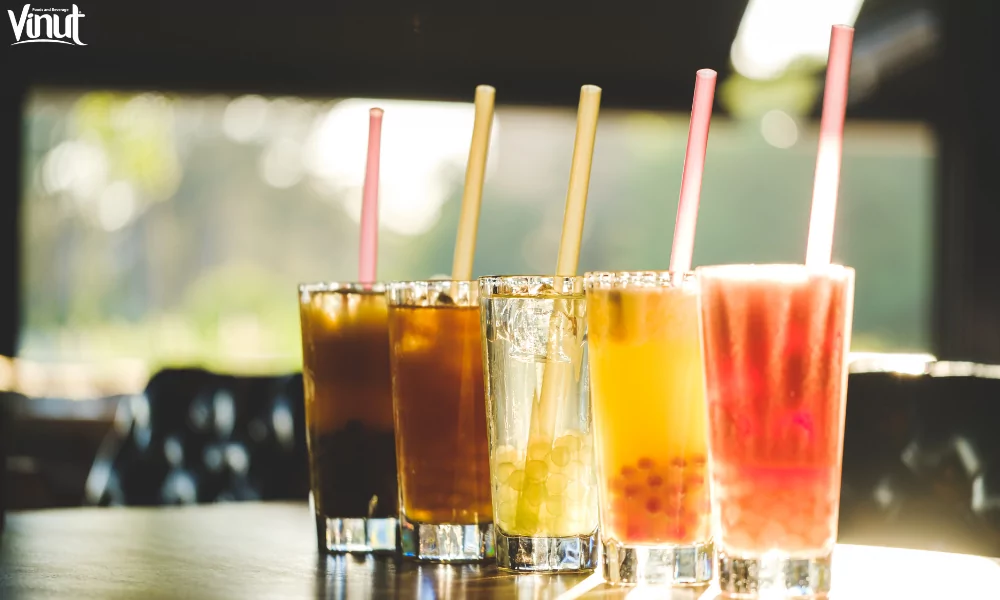
VINUT_DIY Boba: Step-by-Step Instructions
4.1 What Ingredients Do You Need?
1/4 cup dried tapioca pearls
1 cup brewed tea of your choice
1/4 cup milk of your choice
1–2 tablespoons sugar or sweetener (adjust to taste)
Ice cubes
Toppings of your choice (tapioca pearls, fruit jellies, etc.)
4.2 What Are the Step-by-Step Instructions?
Cook the tapioca pearls according to the package instructions. Once cooked, drain and rinse with cold water.
In a cocktail shaker, combine the brewed tea, milk, sugar, and ice cubes. Shake vigorously for about 30 seconds.
Add the cooked tapioca pearls to a glass and pour the tea mixture over them.
Add your desired toppings on top.
Insert a wide straw and enjoy your homemade bubble tea.
5. What's the Science Behind Bubble Tea's Texture?
Bubble tea's signature chewy texture comes from tapioca pearls, also known as boba — small, translucent balls made from cassava root starch, cooked in boiling water until soft and chewy.
The bubbles or foam on top are created by shaking the tea mixture in a cocktail shaker. This aerates the liquid, forming tiny air bubbles that give the drink its frothy, creamy texture, an effect enhanced by the milk.
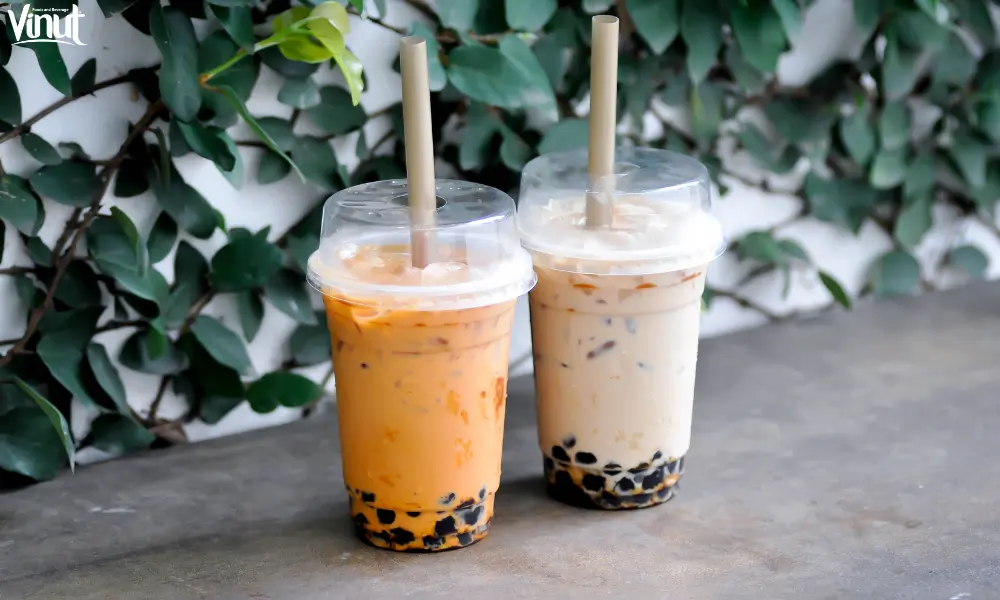
VINUT_The Science Behind Bubble Tea
6. Why Has Bubble Tea Become a Cultural Phenomenon?
Bubble tea has evolved from a simple drink into a cultural phenomenon, driven by its unique taste, customizable options, and Instagram-worthy appearance. Beyond its trendiness, it has become a staple in many Asian countries, with dedicated shops and chains dominating the market.
In recent years, bubble tea has also gained recognition in the culinary world, with chefs incorporating it into dishes and desserts — from bubble-tea-flavored ice cream to bubble tea cakes — expanding well beyond its traditional form.
In Taiwan, where it originated, bubble tea has become a symbol of youth and modernity, often enjoyed as a social activity among students and young adults. In other countries, it has become a representation of Asian culture, helping introduce Taiwanese cuisine to the world and creating opportunities for Asian-owned bubble tea businesses.
7. What Are the Health Benefits and Concerns of Bubble Tea?
7.1 Potential benefits:
Antioxidants from tea leaves
A source of calcium and protein when made with milk
7.2 Potential concerns:
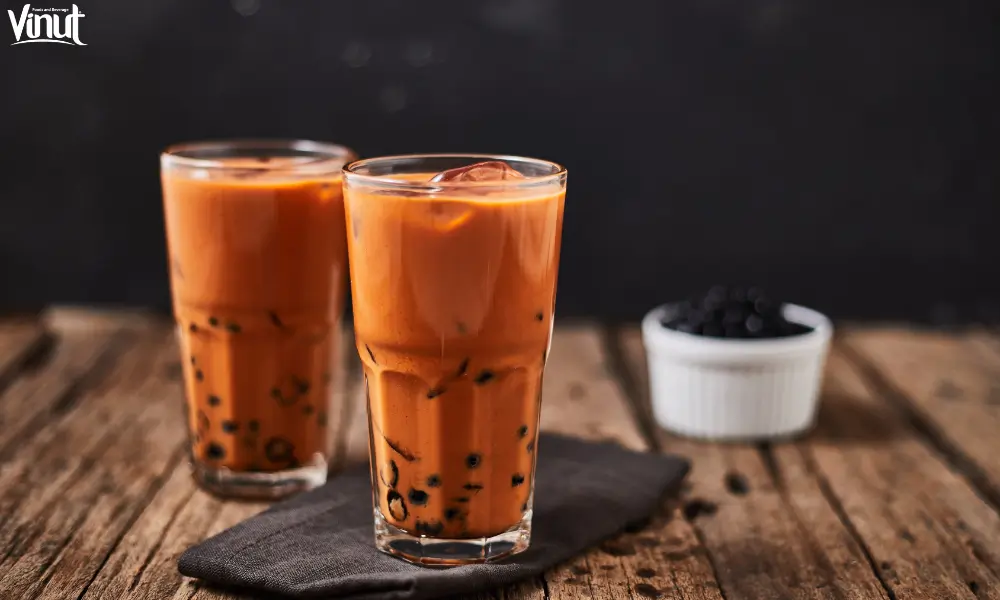
Sugar and calories: A medium milk tea with tapioca pearls can range from roughly 300 to 500 calories and 30–50 g of sugar, depending on the recipe and sweetness level — well above the added sugar guidance many health authorities recommend for a single drink. Choosing less sugar or fewer toppings can help.
Choking hazard: Tapioca pearls are a choking risk, especially for young children. Supervise children closely and consider smaller pearls or straws designed for younger drinkers.
Plastic waste: Plastic straws and cups contribute to pollution; many shops now offer paper or metal straw alternatives.
VINUT_The Health Benefits and Concerns
8. What's the Future of Bubble Tea?
The future of bubble tea looks bright, with no signs of its popularity slowing down. According to market research, the global bubble tea market was valued at roughly $2.8 billion in 2025 and is projected to reach about $5.4 billion by 2034. As health-conscious consumers grow in number, expect more low-sugar and dietary-friendly variations.
Technology is also playing a role: some shops now offer self-ordering kiosks and mobile apps for faster, more convenient ordering, with automated machines that can prepare a cup in seconds already in development.
9. Conclusion
Bubble tea has come a long way since its humble beginnings in Taiwan. From a simple drink to a global cultural phenomenon, it has captured the hearts and taste buds of people everywhere. With its endless flavor combinations and customizable options, bubble tea is here to stay — just remember to enjoy it in moderation, watch the sugar content, and keep an eye on young children around tapioca pearls. Next time you sip your favorite cup, you'll know the art, science, and story behind this beloved drink.
What Else Should You Read About Drinks and Beverage Trends?
FAQ
What is bubble tea made of?
Bubble tea combines brewed tea, milk or fruit flavoring, sweetener, and chewy tapioca pearls (boba), often served with ice and a wide straw.
Is bubble tea healthy?
In moderation — it offers antioxidants from tea and calcium/protein if made with milk, but many versions are high in added sugar, so it's best enjoyed occasionally.
How many calories are in bubble tea?
A medium milk tea with tapioca can range from roughly 300 to 500 calories and 30–50 g of sugar, depending on the recipe and sweetness level.
Can I make bubble tea at home without special equipment?
Yes — you can shake ingredients in a jar or use a whisk instead of a cocktail shaker, though a shaker gives the classic frothy texture.
What's the difference between bubble tea and boba tea?
They're generally the same drink; "boba" refers to the tapioca pearls, and the names are often used interchangeably.
About this article
The VINUT editorial team publishes articles about beverage ingredients, product characteristics, and practical information for readers and international buyers.