Buyer Briefing
8 min read · 1,590 words
Premium aloe vera drinks are ready-to-drink beverages made with processed aloe vera gel, pulp, or juice. Depending on the formulation, they may also contain water, fruit juice, flavors, or sweeteners. These drinks are known for their refreshing character and distinctive aloe texture. When choosing one, compare the ingredients, sugar content, serving size, aloe pulp, and nutrition information.
- Premium aloe vera drinks can contain aloe vera gel, juice, or pulp.
- Aloe pulp creates a distinctive soft and slightly chewy texture.
- Aloe vera can be combined with many fruit flavors.
- Nutritional profiles vary significantly between products.
- Sugar and calorie content should be checked on the product label.
- Premium quality can relate to ingredients, processing, flavor, texture, and packaging.
- Processed food-grade aloe beverages differ from consuming raw aloe leaves.
- Consumers should compare labels rather than rely only on wellness claims.
Premium aloe vera drinks combine the distinctive characteristics of aloe vera with the convenience of ready-to-drink beverages. Known for their refreshing taste and unique texture, these drinks have become an interesting category within the global beverage market.
Aloe vera has a long history of use in food, beverages, cosmetics, and personal care products. In beverages, manufacturers can combine processed aloe vera gel or pulp with water, fruit flavors, and other ingredients. The result ranges from light refreshments to drinks with noticeable pieces of aloe vera pulp.
But what makes a premium aloe vera drink different from a regular beverage? This guide explores aloe vera ingredients, processing methods, nutritional considerations, flavors, and practical tips for choosing a product.
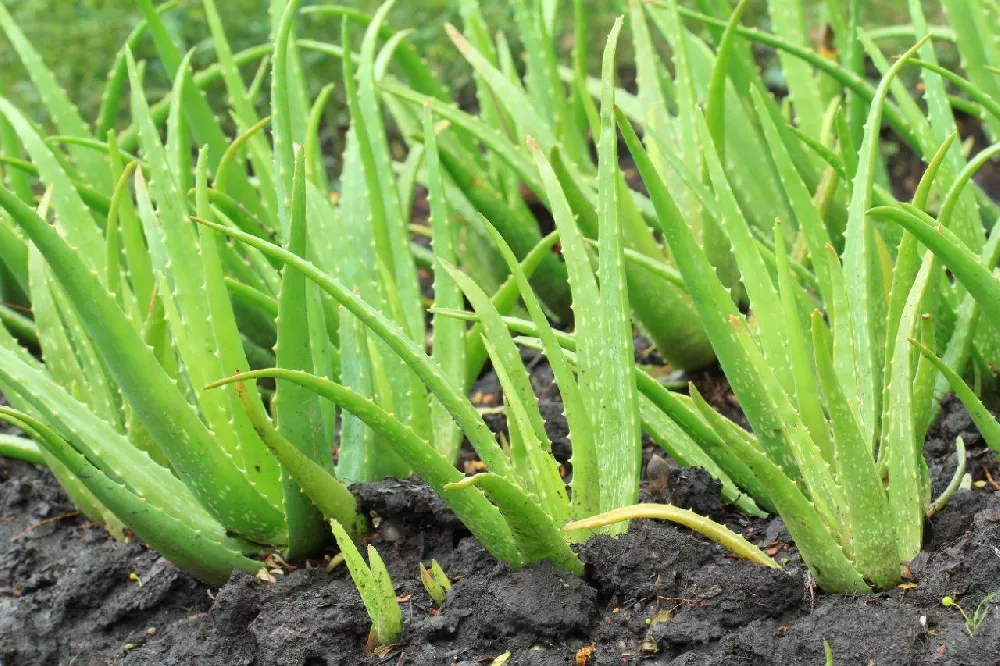
I/ What Are Premium Aloe Vera Drinks?
Premium aloe vera drinks are beverages made with processed aloe vera gel, pulp, or juice as a key ingredient. Depending on the formulation, they may also contain water, fruit juice, sweeteners, flavors, or other ingredients.
What makes a product "premium" can differ between brands. The term may refer to ingredient selection, aloe vera content, flavor development, processing, packaging, or overall drinking experience.
Unlike conventional fruit juice, aloe vera drinks are often recognized for their distinctive texture. Some products contain small pieces of aloe vera pulp, creating a different mouthfeel from ordinary soft drinks.
1. Aloe Vera Drinks With Pulp
Aloe vera pulp can give a beverage a more noticeable texture. Small aloe pieces create a soft and slightly chewy drinking experience.
The amount and size of the pulp can vary between products. Consumers who enjoy beverages with texture may find this style particularly appealing.
2. Aloe Vera Juice
Some products emphasize the liquid component rather than pieces of aloe pulp. These beverages may provide a smoother drinking experience.
However, the term "aloe vera juice" does not guarantee an identical formulation across products. Consumers should check the ingredient list to understand what a particular beverage contains.
3. Flavored Aloe Vera Beverages
Aloe vera has a relatively subtle flavor. This allows manufacturers to pair it with a wide variety of fruits and other flavors.
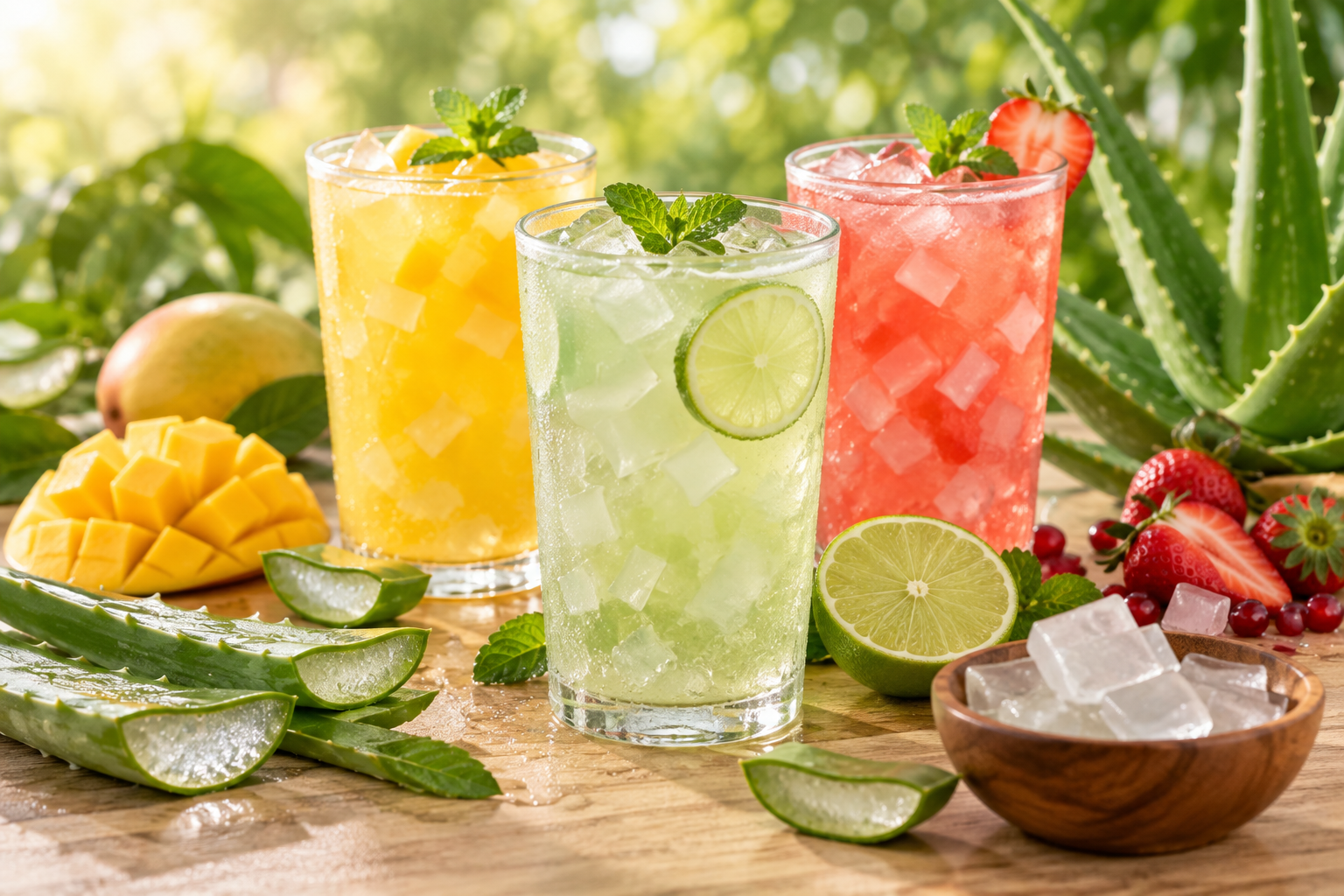
Popular combinations can include mango, strawberry, pineapple, lychee, pomegranate, and other tropical fruits. These additions create more opportunities for consumers to explore the category.
II/ How Are Premium Aloe Vera Drinks Made?
Turning an aloe vera leaf into a packaged beverage requires several processing stages. Exact manufacturing methods vary according to the producer and product formulation.
Proper processing is particularly important because aloe leaves contain different components. Beverage manufacturers need to carefully prepare the edible inner material before using it in a drink.
1. Selecting and Preparing Aloe Vera Leaves
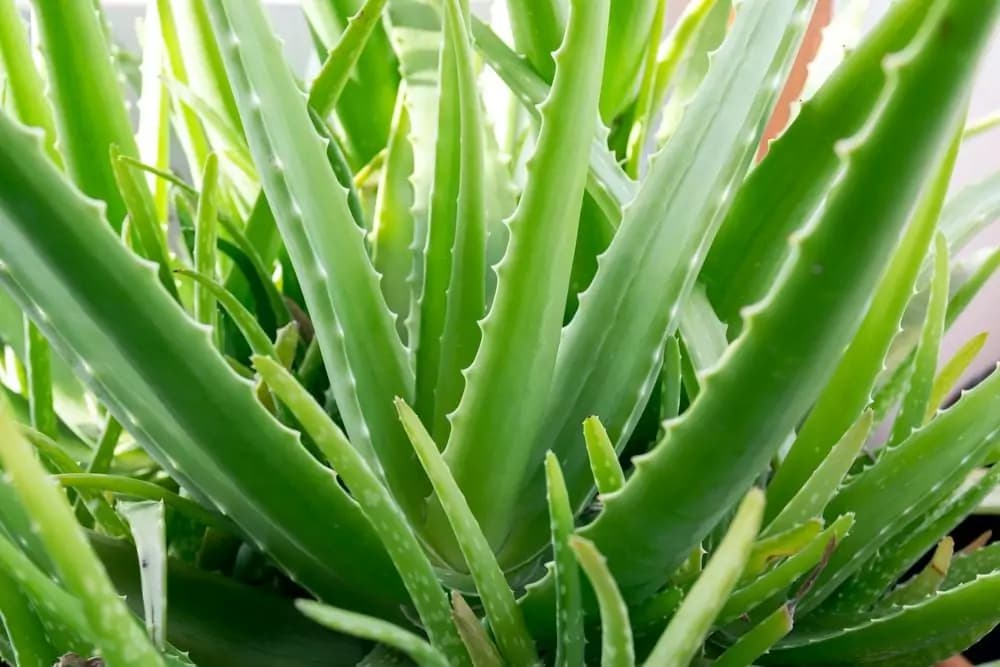
Production begins with aloe vera leaves suitable for processing. The leaves are cleaned before the inner material is separated from the outer portions.
Ingredient quality can influence the final beverage. Manufacturers therefore need appropriate sourcing, handling, and quality-control procedures.
2. Separating the Inner Aloe Gel
The thick outer portion of the leaf surrounds the clear inner gel. During processing, the inner material is carefully separated.
This step is important because aloe latex associated with the outer leaf contains compounds such as aloin. Appropriate processing helps reduce unwanted components before the aloe ingredient enters the beverage formulation.
3. Washing and Processing
The separated aloe material can undergo additional washing and processing. The exact procedure depends on the intended product.
For drinks containing pulp, manufacturers may cut the aloe into small pieces. Other formulations may use processed aloe juice or gel ingredients.
4. Blending the Beverage
The prepared aloe ingredient is then incorporated into the beverage formulation.
Depending on the product, manufacturers may combine it with:
Water
Fruit juice or fruit flavors
Sweeteners
Acidity regulators
Other permitted beverage ingredients
The formulation determines the sweetness, acidity, aroma, texture, and overall flavor profile.
5. Packaging and Quality Control
After formulation and appropriate processing, the beverage is packaged for distribution.
Manufacturers may use bottles, cans, or other suitable packaging formats. Quality controls can cover factors such as food safety, formulation consistency, packaging integrity, and shelf stability.
III/ What Makes an Aloe Vera Drink Feel Premium?
There is no universal definition of a "premium" aloe vera beverage. However, several characteristics can influence consumers' perception of quality.
1. Ingredient Selection
The ingredient list is one of the first places to look when comparing aloe vera drinks.
Consumers can check where aloe vera appears on the list. They can also identify added sugars, fruit ingredients, flavors, and other components.
A simple label does not automatically make one beverage superior. However, transparent labeling makes comparison easier.
2. Texture and Aloe Pulp
Texture is one of the most distinctive characteristics of aloe vera beverages.
Aloe pulp adds another sensory dimension beyond taste. The size, softness, and amount of aloe pieces can influence the overall drinking experience.
3. Flavor Balance
A good aloe vera beverage should provide a pleasant balance between sweetness, acidity, aroma, and aloe characteristics.
Fruit flavors can make the category more approachable. Tropical combinations can also reinforce the refreshing identity associated with aloe beverages.
4. Product Presentation
Packaging contributes to the premium experience as well.
Bottle or can design, serving size, label clarity, and visual presentation can influence how consumers perceive a product before tasting it.
IV/ What Is the Nutritional Profile of Aloe Vera Drinks?
The nutritional profile of an aloe vera beverage depends heavily on its formulation. Two products labeled as aloe vera drinks may contain very different amounts of calories, carbohydrates, and sugar.
For this reason, consumers should avoid assuming that every aloe vera drink has the same nutritional characteristics.
1. Calories and Carbohydrates
Calories can vary depending on the amount of sugar, juice, and other energy-containing ingredients used.
If calorie intake matters to you, compare the nutrition information per serving rather than relying on front-label descriptions.
2. Sugar Content
Sugar is another important consideration.
Some aloe vera beverages contain added sugars, while others may be formulated with less or no added sugar. Fruit-containing products may also contain naturally occurring sugars.
Check both the nutrition panel and ingredient list when comparing products.
3. Vitamins and Minerals
The vitamin and mineral content also depends on the formulation and serving size.
Rather than assuming aloe vera drinks provide specific amounts of nutrients, use the product's nutrition label as your primary reference.
V/ What Are the Potential Benefits of Aloe Vera Drinks?
Aloe vera beverages are often promoted with numerous wellness claims. It is important to distinguish the properties of a beverage from claims made about aloe vera in general.
1. A Refreshing Beverage Option
One straightforward benefit is hydration. Like other non-alcoholic beverages with a high water content, aloe vera drinks contribute to daily fluid intake.
Their distinctive flavor and texture can also provide variety for people looking beyond conventional beverages.
2. A Different Way to Experience Aloe Vera
A ready-to-drink beverage provides a convenient way to experience aloe vera without preparing the plant at home.
Commercial processing can also provide greater consistency in flavor, texture, and formulation.
3. Versatile Flavor Experiences
Aloe vera pairs with many fruit flavors. This versatility allows consumers to explore combinations ranging from light and refreshing to sweeter tropical profiles.
However, aloe vera drinks should not be treated as a cure or medical treatment. Their role should be considered within the context of an overall balanced diet.
VI/ How Do You Choose a Premium Aloe Vera Drink?
With many options available, reading the package can help you make a more informed choice.
Consider the following factors:
Check the ingredient list: Identify aloe vera, fruit ingredients, sweeteners, and other components.
Compare sugar content: Look at total and added sugars where this information is available.
Check the serving size: Nutrition values should always be interpreted alongside serving size.
Consider the texture: Choose pulp-containing or smoother varieties according to your preference.
Explore different flavors: Fruit combinations can create very different drinking experiences.
Review storage instructions: Follow the manufacturer's directions before and after opening.
These simple steps can make it easier to compare products beyond marketing claims.
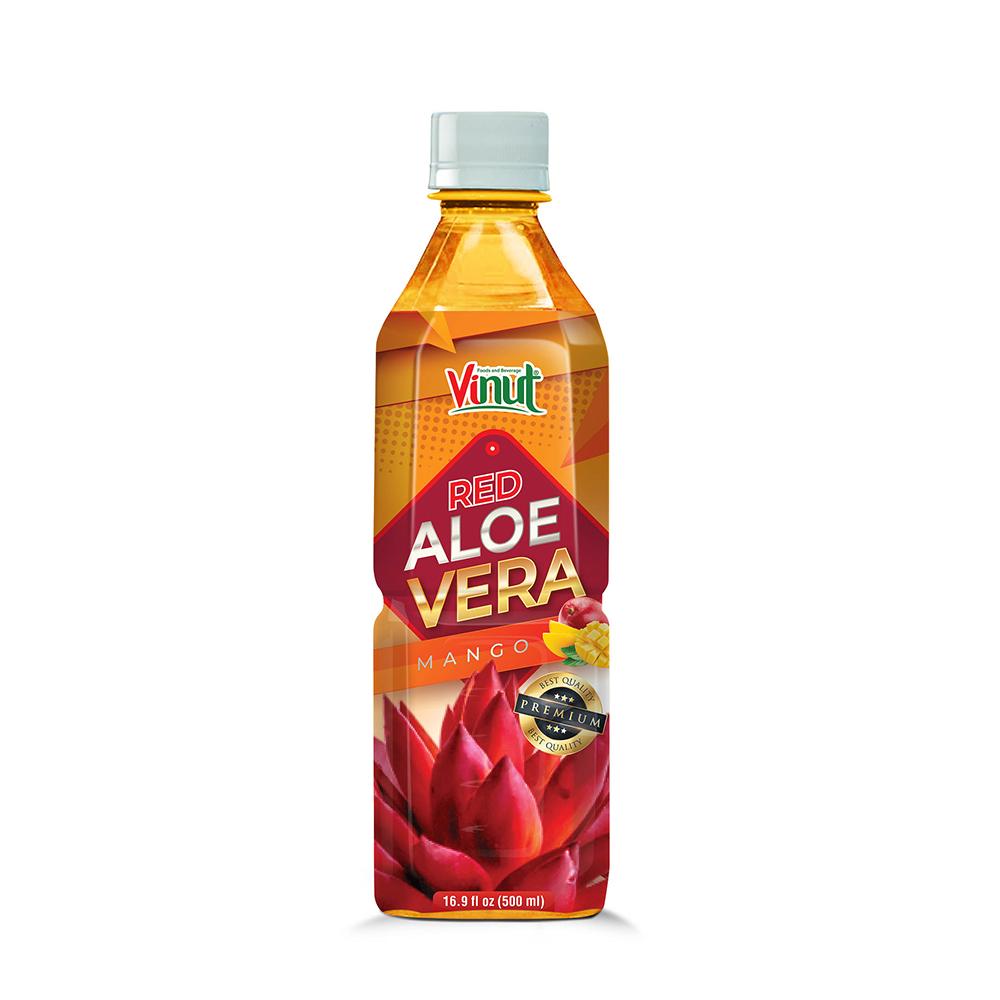
VINUT products
Explore related drinks
View ingredients, sizes and packaging.
VII/ When Can You Enjoy Aloe Vera Drinks?
Aloe vera beverages can fit into many everyday occasions.
They can be served chilled with a meal, enjoyed during a break, or offered at casual gatherings. Their fruit-forward flavor options can also make them suitable for warm-weather occasions.
Some people may prefer aloe vera drinks straight from the package. Others may use them as an ingredient in creative beverages.
For example, aloe vera drinks can inspire:
Fruit mocktails
Tropical beverage mixes
Chilled refreshments
Fruit-and-aloe combinations
Drinks served over ice
The best serving style ultimately depends on the particular product and personal preference.
VIII/ Are Premium Aloe Vera Drinks Suitable for Everyone?
Aloe vera drinks can be enjoyed by many consumers, but individual needs vary.
People with allergies or dietary restrictions should always review the product label. Sugar content may also matter for people monitoring their carbohydrate or sugar intake.
It is also important to distinguish processed food-grade aloe beverages from consuming raw aloe leaves at home. The whole aloe leaf contains components that require appropriate processing.
If you have a medical condition or concerns about a particular aloe product, consult an appropriate healthcare professional.
IX/ Why Are Aloe Vera Drinks an Interesting Beverage Category?
Aloe vera beverages combine several characteristics that distinguish them from conventional drinks.
They can offer:
A recognizable plant-based ingredient
A distinctive pulp texture
Multiple fruit flavor combinations
Convenient ready-to-drink formats
A refreshing sensory experience
Opportunities for product and flavor innovation
This combination makes aloe vera an interesting ingredient for beverage manufacturers and consumers seeking new drinking experiences.
The category can also evolve through different sweetness levels, fruit combinations, packaging formats, and aloe textures.
X/ Conclusion
Premium aloe vera drinks offer a distinctive combination of flavor, texture, and convenience. Their soft aloe pulp and diverse fruit combinations can create an experience unlike conventional juice or soft drinks.
However, products within the category can differ significantly. Aloe content, sugar, calories, ingredients, and texture all depend on the individual formulation.
Consumers should therefore check the ingredient list and nutrition information when comparing options. This is more useful than relying solely on broad wellness or "premium" claims.
Whether enjoyed chilled on its own or explored through different fruit flavors, aloe vera offers plenty of possibilities. For beverage lovers, it is a refreshing category worth discovering.
FAQ
1. What Are Premium Aloe Vera Drinks?
Premium aloe vera drinks are beverages containing processed aloe vera gel, pulp, or juice. They may also include fruit flavors and other beverage ingredients. Premium varieties often emphasize ingredient quality, flavor, texture, packaging, or the overall drinking experience.
2. What Are the Potential Benefits of Aloe Vera Drinks?
Aloe vera drinks can contribute to daily fluid intake and provide an alternative to conventional beverages. Their nutritional value varies by formulation, so consumers should check the nutrition and ingredient labels rather than assume all aloe drinks offer the same benefits.
3. How Do You Choose a Premium Aloe Vera Drink?
Check the ingredient list, aloe vera content, sugar, calories, serving size, and nutrition information. You can also consider whether you prefer a smooth drink or one containing aloe vera pulp.
About this article

The VINUT editorial team publishes articles about beverage ingredients, product characteristics, and practical information for readers and international buyers.