

Buyer Briefing
6 min read · 1,137 words
Kiwi fruit is a nutrient-dense fruit that provides vitamin C, fiber, potassium, vitamin K, vitamin E, and antioxidants. Its nutrients can support normal immune function, digestion, and overall health. Kiwi can be eaten fresh or added to smoothies, salads, breakfast bowls, desserts, and savory dishes.
- Kiwi fruit is a source of vitamin C, fiber, potassium, and antioxidants.
- Green and golden kiwi are two common varieties.
- Kiwi can contribute to a varied and balanced diet.
- Whole kiwi provides dietary fiber that supports normal digestion.
- Kiwi can be eaten fresh or used in smoothies, salads, and desserts.
- Kiwi can also work in savory dishes such as fruit salsa.
- A ripe kiwi should feel slightly soft when gently pressed.
Listen to the article summary
AI-generated voice · English · 2:54
Read transcript
Kiwi fruit, also known as kiwifruit, is a small fruit recognized by its brown skin and vibrant green or golden flesh, offering a refreshing sweet-tart taste. Originally from China, where it was known as the Chinese gooseberry, kiwi was introduced to New Zealand in the early 20th century, leading to its widespread commercial cultivation and association with the name 'kiwifruit.' Common varieties include green kiwi, like the Hayward, which has fuzzy brown skin and a sweet-tart flavor, and golden kiwi, which typically has smoother skin, yellow flesh, and a sweeter, less tart taste. Kiwi is a nutrient-dense fruit, providing an impressive combination of vitamins, minerals, antioxidants, and dietary fiber. It is particularly known for its high vitamin C content, which supports normal immune function, collagen formation, and iron absorption. The fruit also supplies dietary fiber, important for digestive health and promoting feelings of fullness, as well as potassium, which supports normal muscle and nervous system function and contributes to maintaining normal blood pressure. Additionally, kiwi contains smaller amounts of vitamin K, vitamin E, folate, and various antioxidant compounds that help protect cells against oxidative stress. These nutritional components contribute to several potential health benefits. Kiwi can support normal immune function due to its vitamin C content, and its fiber and the enzyme actinidin can aid digestive health. The presence of potassium and fiber makes it a contributor to heart-healthy nutrition, while vitamin C also supports skin health by contributing to collagen formation. Beyond specific benefits, kiwi adds valuable nutrient variety to a balanced diet. Kiwi's versatile flavor and color make it suitable for many culinary uses. It can be eaten fresh, blended into smoothies with other fruits or leafy greens, or sliced into fruit salads. It also serves as a simple topping for breakfast bowls like oatmeal, yogurt, and granola. For desserts, its bright color enhances fruit tarts, parfaits, and sorbets. Interestingly, kiwi can also be used in savory dishes, such as a fruit salsa combined with herbs and chili to complement grilled foods. To include kiwi in your daily diet, simply add sliced kiwi to breakfast, blend it into a smoothie, or enjoy it as a snack. When choosing a ripe kiwi, it should yield slightly when gently pressed, and firm fruit can be ripened faster by placing it in a paper bag with an apple or banana.
Kiwi fruit may be small, but it offers an impressive combination of flavor and nutrition. Its vibrant green flesh has a refreshing sweet-tart taste and contains several essential nutrients.
Also known as kiwifruit, kiwi provides vitamin C, fiber, potassium, vitamin K, and antioxidants. It can be eaten fresh or added to smoothies, salads, desserts, and many other dishes.
In this article, VINUT explores the origins, varieties, nutritional value, health benefits, and culinary uses of kiwi fruit. You will also discover simple ways to include kiwi in your daily diet.
I/ What Is Kiwi Fruit?
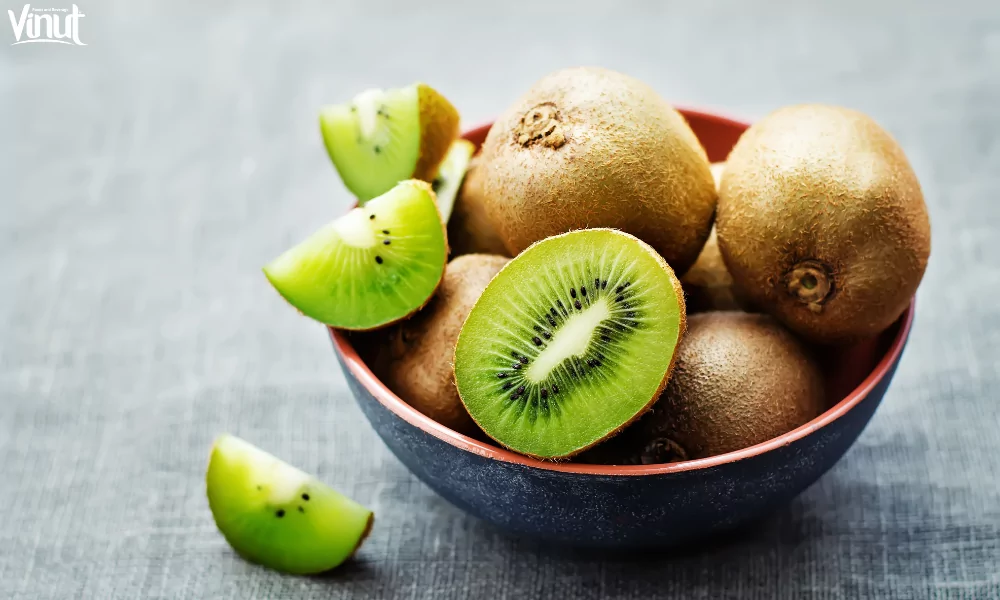
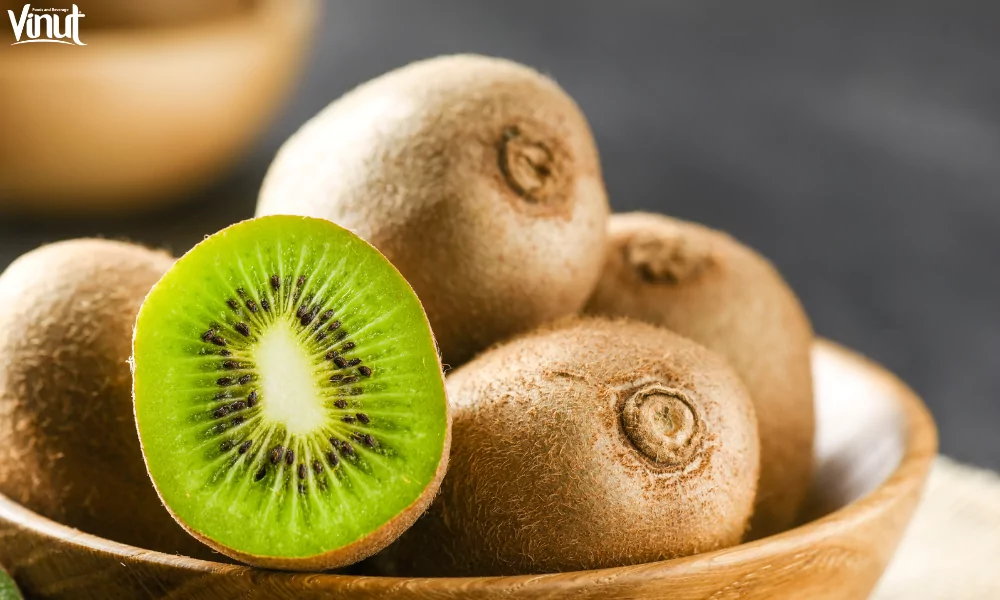
Kiwi fruit is a small fruit recognized by its brown skin and colorful flesh. Most green varieties have tiny black seeds surrounding a lighter center.
The fruit is known for its distinctive combination of sweetness and acidity. This refreshing flavor makes kiwi suitable for both eating fresh and using in recipes.
1. Where Does Kiwi Fruit Come From?
Kiwi originated in China, where it was historically known as the Chinese gooseberry. The fruit was later introduced to New Zealand in the early 20th century.
Commercial cultivation expanded over time, and the name "kiwifruit" became widely associated with the fruit. Today, kiwi is cultivated in several countries with suitable growing conditions.
2. What Are the Most Common Kiwi Varieties?
Several kiwi varieties are available, but green and golden kiwi are among the most familiar.
Green kiwi, including the widely cultivated Hayward variety, typically has fuzzy brown skin and bright green flesh. Its flavor combines sweetness with noticeable tartness.
Golden kiwi usually has smoother skin and yellow or golden flesh. It often tastes sweeter and less tart than traditional green kiwi.
These varieties provide different flavor experiences while sharing many of the nutritional qualities associated with kiwifruit.
II/ What Nutrients Are Found in Kiwi Fruit?
Kiwi is a nutrient-dense fruit that provides several vitamins, minerals, antioxidants, and dietary fiber.
One of its most notable nutrients is vitamin C. This essential vitamin contributes to normal immune function and collagen formation. It also helps the body absorb iron from plant-based foods.
Kiwi also provides:
Vitamin C
Vitamin K
Vitamin E
Folate
Potassium
Dietary fiber
Antioxidant compounds
Its combination of nutrients makes kiwi an easy addition to a varied and balanced diet.
1. Vitamin C
Kiwi is particularly known for its vitamin C content. Vitamin C acts as an antioxidant and supports several normal functions within the body.
It also contributes to collagen production, which is important for skin, blood vessels, bones, and connective tissue.
2. Dietary Fiber
Kiwi provides dietary fiber, an important component of digestive health. Fiber contributes to normal bowel function and can help support feelings of fullness.
Eating whole kiwi fruit also retains more fiber than consuming heavily filtered fruit beverages.
3. Potassium and Other Micronutrients
Potassium supports normal muscle and nervous system function. It also contributes to maintaining normal blood pressure.
Kiwi additionally provides smaller amounts of nutrients such as vitamin E, vitamin K, and folate.
4. Antioxidants
Kiwi contains antioxidant compounds, including vitamin C, vitamin E, and polyphenols. Antioxidants help protect cells against oxidative stress caused by free radicals.
Eating a varied diet rich in fruits and vegetables provides numerous antioxidant compounds rather than relying on a single food.
III/ What Are the Potential Health Benefits of Kiwi?
The nutritional profile of kiwi can contribute to several aspects of a healthy diet. Its fiber, vitamins, minerals, and antioxidants make it particularly interesting from a nutritional perspective.
1. Supports Normal Immune Function
Vitamin C is one of the nutrients associated with normal immune system function. Since kiwi provides vitamin C, it can contribute to daily intake of this essential nutrient.
However, no single fruit can prevent illness. Kiwi is best considered part of an overall balanced diet.
2. Supports Digestive Health
The fiber found in whole kiwi can support normal digestion and bowel function.
Kiwi also contains actinidin, a naturally occurring enzyme that can help break down certain proteins during digestion.
3. Contributes to Heart-Healthy Nutrition
Kiwi contains potassium and fiber, two nutrients commonly found in heart-healthy eating patterns.
Potassium contributes to normal blood pressure, while fiber is an important part of a balanced diet.
4. Supports Skin Health
Vitamin C contributes to normal collagen formation. Collagen plays an important structural role in healthy skin.
Kiwi also provides antioxidant compounds that help protect cells against oxidative stress.
5. Adds Nutrient Variety to the Diet
Another advantage of kiwi is simple: it adds variety.
Eating different fruits can provide a broader range of vitamins, minerals, fiber, and plant compounds. Kiwi can complement bananas, berries, citrus fruits, and other everyday choices.
IV/ How Can You Use Kiwi in Food and Drinks?
Kiwi's combination of sweetness, acidity, and vibrant color makes it a versatile ingredient.
It can be eaten directly with a spoon or sliced into different recipes. Its refreshing flavor works particularly well with other tropical and citrus fruits.
1. Smoothies
Blend kiwi with banana, strawberry, mango, pineapple, or other fruits. Yogurt or milk can create a creamier texture.
Kiwi also works well in green smoothies containing leafy vegetables.
2. Fruit Salads
Sliced kiwi can add both color and acidity to fruit salads.
Try combining it with strawberries, grapes, mango, pineapple, or oranges for contrasting flavors and textures.
3. Breakfast Bowls
Kiwi makes a simple topping for oatmeal, yogurt, granola, and smoothie bowls.
Adding fresh fruit to breakfast can also provide additional fiber, vitamins, and natural flavor.
4. Desserts
The bright green or golden color of kiwi makes it particularly attractive in desserts.
It can be used in fruit tarts, parfaits, sorbets, frozen treats, or as a fresh topping.
5. Savory Dishes
Kiwi does not have to be limited to sweet recipes.
Finely chopped kiwi can be combined with herbs, chili, onion, and lime to create a fruit salsa. This can complement grilled dishes with a refreshing sweet-tart contrast.
V/ How Can You Include Kiwi in Your Daily Diet?
Adding kiwi to everyday meals does not require complicated recipes.
You can slice fresh kiwi over breakfast, blend it into a smoothie, or enjoy it as a snack. It can also add flavor to drinks and desserts.

Here are some easy ideas:
Add sliced kiwi to oatmeal or cereal.
Mix kiwi into Greek yogurt and granola.
Blend kiwi with banana for a breakfast smoothie.
Add kiwi to a colorful fruit salad.
Pair kiwi with berries for a refreshing snack.
Use kiwi in homemade smoothies or mocktails.
Add chopped kiwi to salsa for savory dishes.
These simple options make it easier to enjoy kiwi regularly without significantly changing your diet.
How Do You Choose a Ripe Kiwi?
Gently press the fruit with your thumb. A ripe kiwi should yield slightly without feeling excessively soft.
Very firm kiwi may need additional time to ripen.
How Can You Ripen Kiwi Faster?
Place firm kiwi in a paper bag with an apple or banana. These fruits release ethylene, which can help accelerate ripening.
Once ripe, kiwi can be refrigerated to slow further ripening.
VIII/ Conclusion
Kiwi fruit combines refreshing flavor, attractive color, and a valuable nutritional profile in one small package. It provides vitamin C, fiber, potassium, and several antioxidant compounds.
Its versatility is another advantage. Kiwi can be eaten fresh or incorporated into smoothies, breakfast bowls, salads, desserts, and savory recipes.
Adding kiwi to a varied diet is therefore a simple way to introduce more fruit, flavor, and nutritional diversity into everyday meals.
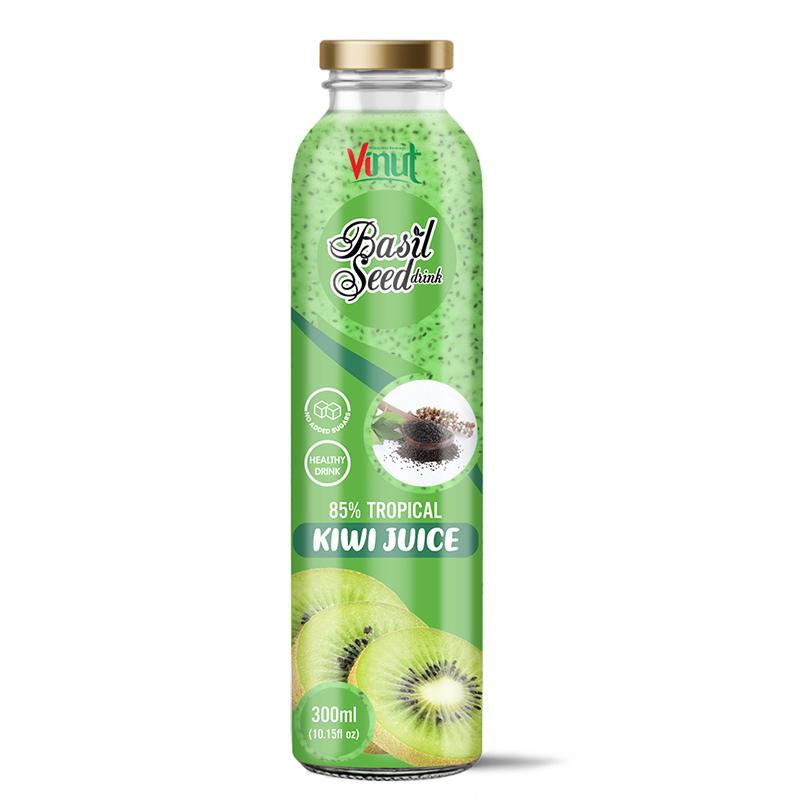
VINUT products
Explore related drinks
View ingredients, sizes and packaging.

FAQ
What are the main health benefits of kiwi fruit?
Kiwi provides vitamin C, fiber, potassium, and antioxidants. These nutrients contribute to normal immune function, digestive health, and overall nutrition.
Is kiwi fruit high in vitamin C?
Yes. Kiwi is well known as a source of vitamin C, an essential nutrient that supports normal immune function and collagen formation.
Is kiwi good for digestion?
Kiwi contains dietary fiber and the natural enzyme actinidin. These components can contribute to normal digestive function.
Can you eat kiwi fruit every day?
For most people, kiwi can be regularly included as part of a varied and balanced diet.
Can you eat the skin of kiwi fruit?
Yes. Kiwi skin is edible when properly washed, although some people remove it because they dislike its fuzzy texture.
How do you know when kiwi is ripe?
A ripe kiwi should yield slightly when gently pressed. Very firm fruit can be left at room temperature until it softens.
About this article

The VINUT editorial team publishes articles about beverage ingredients, product characteristics, and practical information for readers and international buyers.