
Buyer Briefing
5 min read · 911 words
Kiwi fruit (Actinidia deliciosa) is a nutrient-dense fruit rich in vitamin C, fiber, potassium, vitamin K, and antioxidants. One medium kiwi provides roughly 70% or more of daily vitamin C needs, and it can be eaten fresh, blended, or added to salads and desserts.
- A medium kiwi supplies roughly 60–65 mg of vitamin C, plus fiber, potassium, vitamin K, and vitamin E.
- Its fiber and the enzyme actinidin support digestion.
- Antioxidants such as flavonoids and carotenoids help protect cells from oxidative stress.
- The skin is edible when washed, and kiwi works well in smoothies, salads, and desserts.
- Kiwi originated in China, and New Zealand popularized it worldwide.
- People with latex or kiwi allergies should take care.
Listen to the article summary
AI-generated voice · English · 2:56
Read transcript
The kiwi fruit, known scientifically as Actinidia deliciosa, originated in China, where it was called the "Chinese gooseberry." Seeds were brought to New Zealand in the early 20th century, and growers there developed the fruit commercially. In the late 1950s, exporters renamed it "kiwifruit," inspired by New Zealand's national bird. Today, China is the world's largest producer, with New Zealand among the leading exporters. Kiwi is a small, low-calorie, nutrient-dense fruit. A medium green kiwi, weighing about 70 grams, contains roughly 40–45 calories. It is well-known for its high vitamin C content, providing approximately 60–65 milligrams, which covers around 70% or more of many adults' daily needs. Vitamin C supports the immune system, aids collagen production, and acts as an antioxidant. Gold varieties typically offer even higher amounts of vitamin C. Kiwi is also a good source of dietary fiber, with about 2 grams per medium fruit, which supports regular bowel movements and may help prevent constipation. It also contains actinidin, an enzyme that assists in breaking down proteins. Beyond vitamin C, kiwi supplies potassium, vitamin K, vitamin E, and folate. These nutrients contribute to bone health, normal blood clotting, cell protection, and healthy blood pressure. The fruit also contains antioxidants like flavonoids and carotenoids, which help neutralize free radicals. Kiwi fruit is remarkably versatile in the kitchen. It can be enjoyed simply by slicing it in half and scooping out the flesh. It adds a delightful zing to smoothies, blends well with other fruits for a tropical twist, and can elevate fruit salads. For dessert enthusiasts, kiwi can be used in sorbets, tarts, or pavlova. Some interesting facts about kiwi include that it naturally contains serotonin, and some small studies suggest it may support sleep quality. The skin is edible and adds fiber and nutrients, though it should be washed well, and some people dislike its fuzzy texture. The enzyme actinidin also allows kiwi to tenderize meat, though it should be used briefly to avoid making meat mushy. However, kiwi is a common food allergen. People allergic to latex, birch pollen, or other fruits like banana and avocado may react to kiwi with symptoms such as itching or mouth tingling. Actinidin can also cause temporary mouth irritation. If symptoms occur, it's advised to stop eating it and consult a healthcare professional.
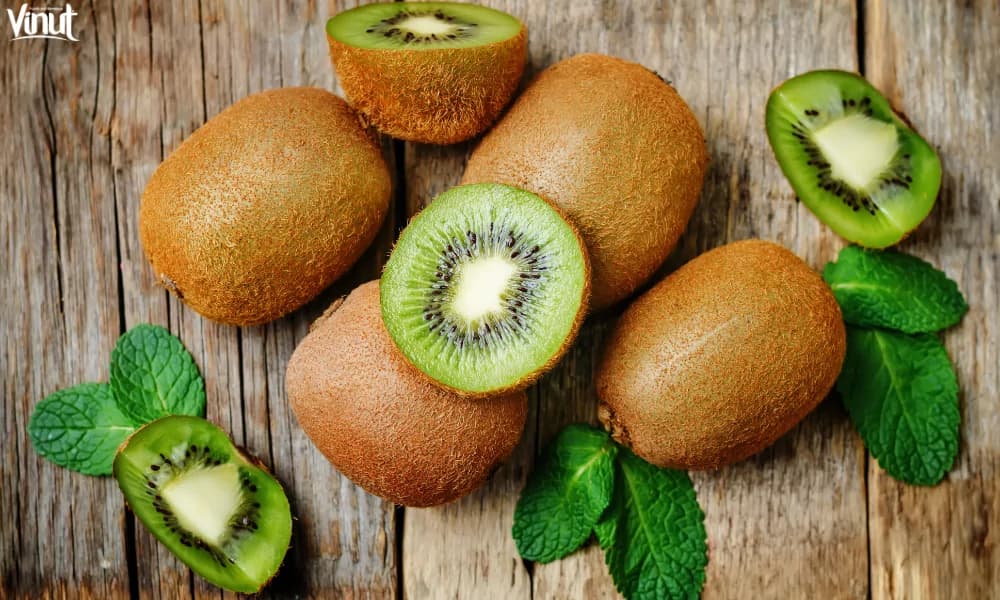
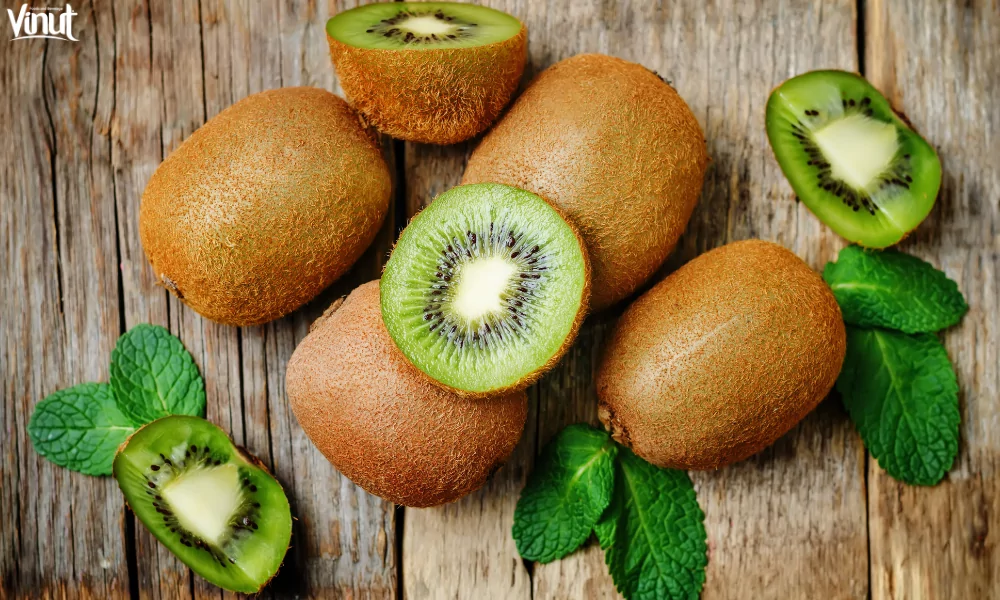
In the world of fruits, one gem stands out in appearance and taste: the kiwi fruit. With its vibrant green flesh, tiny black seeds, and tangy-sweet flavor, the kiwi fruit has captured the hearts and palates of people worldwide.
In this article, VINUT delves into kiwi fruit nutrition, exploring its origins, key nutrients, culinary uses, and even some fun facts.
1. Where Does Kiwi Fruit Come From?
The kiwi fruit, scientifically known as Actinidia deliciosa, originated in China, where it grew wild and was known as the "Chinese gooseberry." Seeds reached New Zealand in the early 20th century, and growers there developed the fruit commercially. In the late 1950s, exporters renamed it "kiwifruit," inspired by New Zealand's national bird, the kiwi, and the name stuck. Today, China is the world's largest producer, with New Zealand among the leading exporters. For more on the fruit's history, see Te Ara, the Encyclopedia of New Zealand.
VINUT_Unveiling the Origins of the Kiwi Fruit
2. What Are the Nutritional Benefits of Kiwi Fruit?
Kiwi packs a lot of nutrition into a small, low-calorie fruit. Approximate values for one medium green kiwi (about 70 g) are below and vary by variety and ripeness. You can check exact figures in USDA FoodData Central.
Nutrient (1 medium green kiwi, approx.) | Approximate amount | Why it matters |
|---|---|---|
Calories | ~40–45 kcal | Light, nutrient-dense snack |
Vitamin C | ~60–65 mg | Immune support, collagen production |
Fiber | ~2 g | Digestive health |
Potassium | ~200–220 mg | Blood pressure and muscle function |
Vitamin K | ~25–30 mcg | Normal blood clotting, bone health |
Vitamin E | ~1 mg | Antioxidant protection |
2.1 How Much Vitamin C Does Kiwi Have?
Kiwi is well known for its high vitamin C content. A medium green kiwi provides roughly 60–65 mg, which covers around 70% or more of many adults' daily needs (see the NIH vitamin C guidelines), and gold varieties are typically higher. Vitamin C supports the immune system, aids collagen production, and acts as an antioxidant. For more options, explore other fruits high in vitamin C.

VINUT_Vitamin C Galore
2.2 Is Kiwi Good for Digestion?
Kiwi is a good source of dietary fiber, which supports regular bowel movements and may help prevent constipation. Fiber can also help moderate blood sugar responses and contribute to feeling full, which may support weight management as part of a balanced diet. Kiwi also contains actinidin, an enzyme that helps break down proteins.
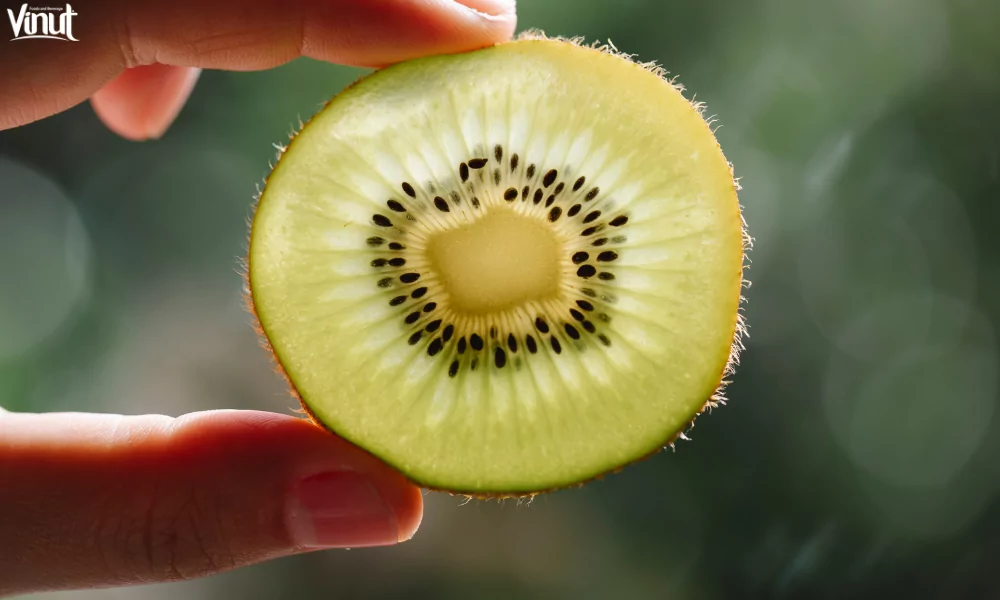
VINUT_Fiber for Digestive Health
2.3 What Vitamins and Minerals Are in Kiwi?
Beyond vitamin C, kiwi supplies vitamin K, vitamin E, folate, and potassium. These nutrients contribute to bone health, normal blood clotting, cell protection, and healthy blood pressure.
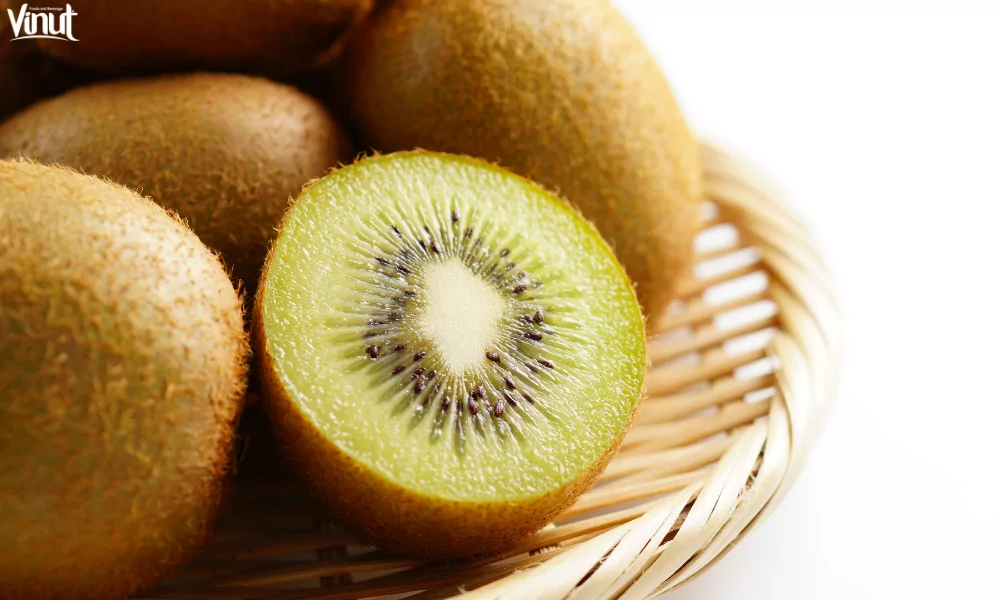
VINUT_Vitamins and Minerals
2.4 Does Kiwi Contain Antioxidants?
Yes. Kiwi contains antioxidants such as flavonoids and carotenoids, which help neutralize free radicals that can damage cells. A diet rich in fruits and vegetables is associated with better long-term health, but no single fruit prevents disease on its own.
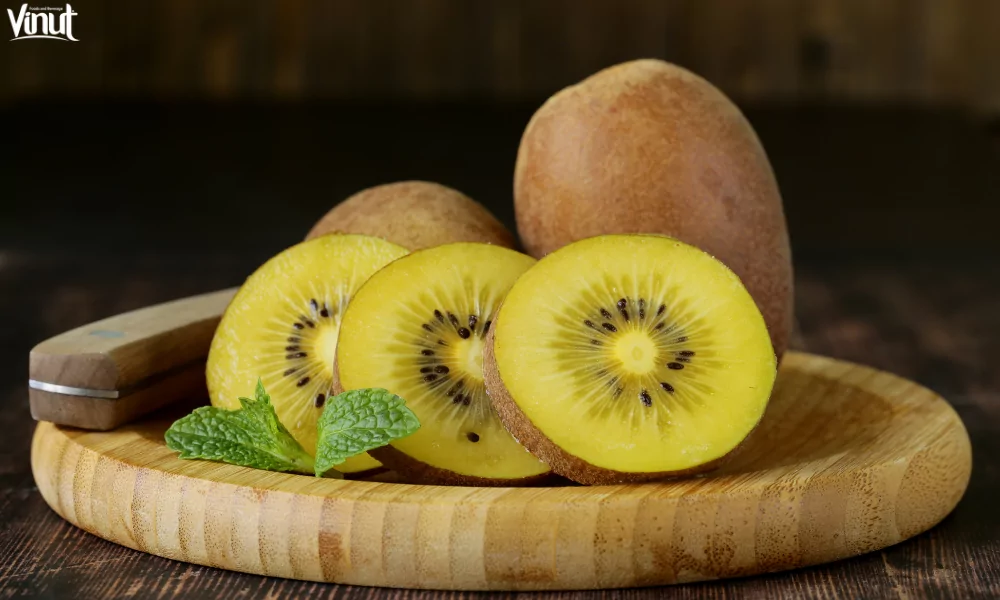
VINUT_Antioxidants for Cellular Health
3. How Can You Enjoy Kiwi Fruit?
The versatility of kiwi fruit in the kitchen is truly remarkable. Whether you prefer it as a standalone snack or incorporated into various dishes, there’s no shortage of ways to enjoy this green wonder.
3.1 Fresh and Simple
The simplest way to enjoy the fruit is by slicing it in half and scooping out the vibrant green flesh with a spoon. Its sweet-tart flavor is refreshing and invigorating, making it a perfect snack for a hot summer day.
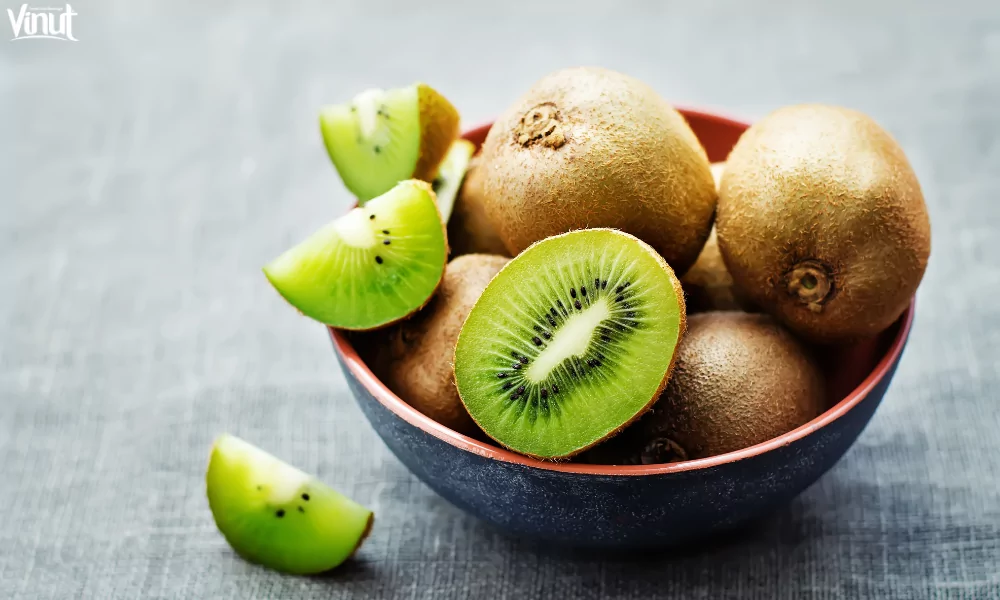
VINUT_Fresh and Simple
3.2 Smoothie Sensation
This fruit adds a delightful zing to your morning smoothie. Blend it with other fruits like banana and pineapple for a tropical twist or combine it with spinach and Greek yogurt for a nutritious green smoothie.

VINUT_Smoothie Sensation
3.3 Exotic Fruit Salad
It can elevate any fruit salad from ordinary to extraordinary. Combine it with strawberries, mangoes, and blueberries for a burst of color and flavor that’s sure to impress at your next gathering.
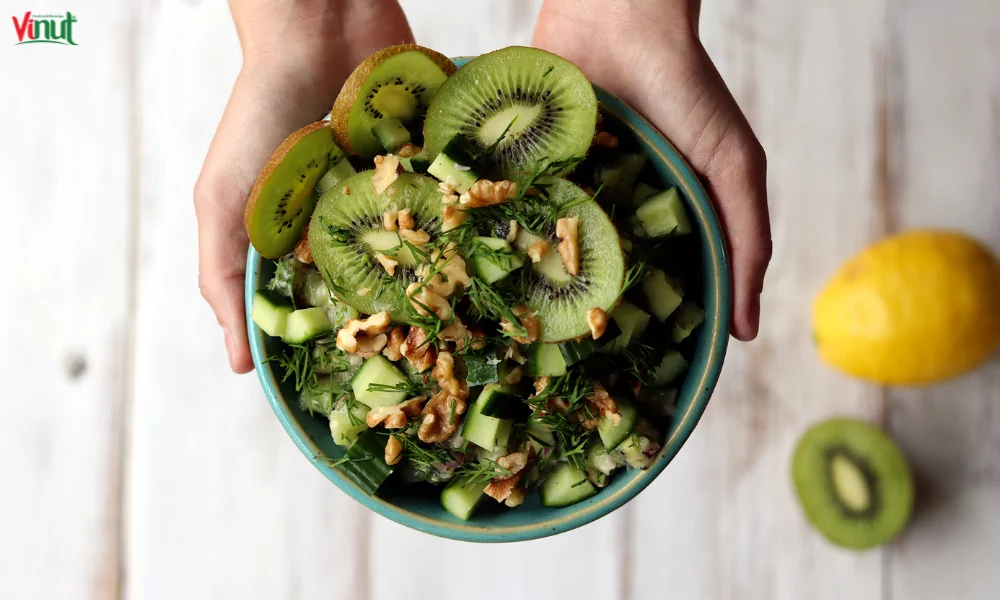
VINUT_Exotic Fruit Salad
3.4 Kiwi-Infused Desserts
For dessert enthusiasts, kiwi can be used in a variety of sweet treats. Try making kiwi sorbet, kiwi tarts, or kiwi pavlova for a delectable dessert experience.

VINUT_Kiwi-Infused Desserts
4. Fun Facts About Kiwi Fruit
Before we wrap up our exploration of the kiwi fruit, here are some fun and intriguing facts that may surprise you:
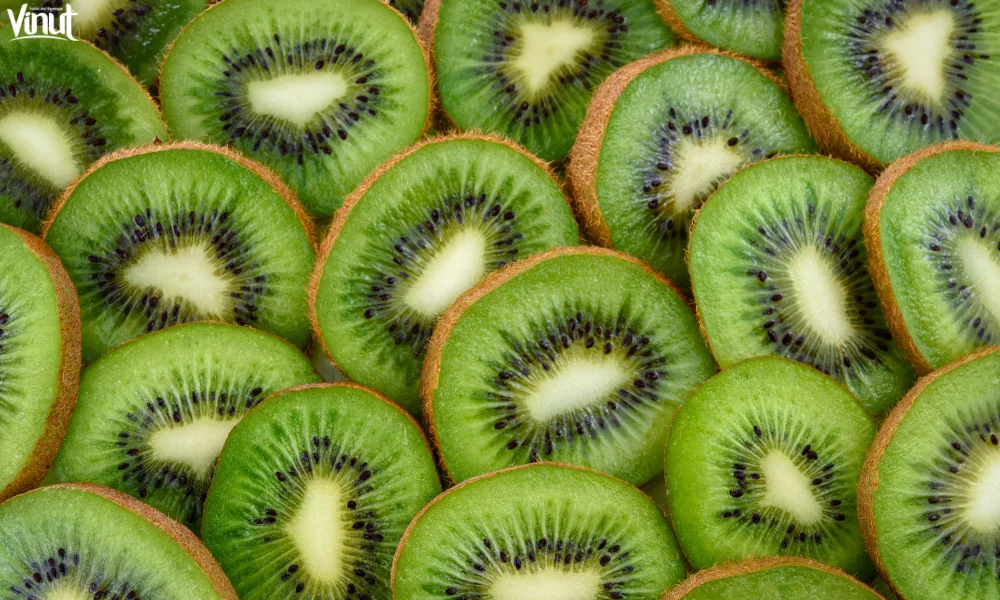
VINUT_Fun Facts About Kiwi Fruit
It contains serotonin. Kiwi naturally contains this neurotransmitter, and some small studies suggest eating kiwi may support sleep quality, though more research is needed.
The skin is edible. It adds fiber and nutrients; just wash it well, and note that some people dislike the fuzzy texture.
It can tenderize meat. The enzyme actinidin breaks down proteins, so kiwi is used in marinades. Use it briefly, since it can turn meat mushy.
It is a global crop. China is the largest producer, and New Zealand is among the leading exporters.
5. Who Should Be Careful With Kiwi?
Kiwi is a common food allergen. People allergic to latex, birch pollen, or other fruits such as banana and avocado may react to kiwi with itching, mouth tingling, or swelling. Actinidin can also cause temporary mouth irritation. If you notice symptoms, stop eating it and consult a healthcare professional.
6. Conclusion
The kiwi fruit is a remarkable gift from nature that delights the taste buds and nourishes the body with vitamin C, fiber, minerals, and antioxidants. Whether you eat it fresh, blend it into a smoothie, or add it to your favorite desserts, kiwi is a versatile and delicious addition to a balanced diet. Just keep allergies in mind, and enjoy it alongside a variety of other fruits. To explore ready-to-drink options, browse VINUT's 100% fruit juice range.
What Else Should You Read About Fruits and Healthy Drinks?
FAQ
Is kiwi good for you?
Yes, kiwi provides vitamin C, fiber, potassium, vitamin K, vitamin E, and antioxidants, with relatively few calories.
How much vitamin C is in a kiwi?
A medium green kiwi has roughly 60–65 mg of vitamin C, around 70% or more of many adults' daily needs; gold kiwi is typically higher.
Can you eat kiwi skin?
Yes, the skin is edible and adds fiber, but it should be washed well, and some people dislike the fuzzy texture.
Where does kiwi fruit come from?
Kiwi originated in China, and it was later commercialized in New Zealand, where it was renamed "kiwifruit."
Who should be careful with kiwi?
People with kiwi, latex, or related pollen allergies may react with itching or swelling and should consult a healthcare professional.
About this article

The VINUT editorial team publishes articles about beverage ingredients, product characteristics, and practical information for readers and international buyers.