

Buyer Briefing
4 min read · 720 words
Sugarcane juice offers antioxidants, minerals, and hydration for the general population, but its high sugar content and glycemic load make it unsuitable for people managing diabetes. Unsweetened tea, coffee, or fruit-infused water are safer alternatives.
- Contains 70–75% water, 13–15% sugar (as sucrose), and some fiber
- Rich in potassium, magnesium, calcium, iron, and B vitamins
- Contains phenolic and flavonoid antioxidants
- Has a low glycemic index but a high glycemic load — risky for blood sugar control
- Not recommended for people with diabetes
- Safer alternatives include unsweetened tea, coffee, or fruit-infused water
Listen to the article summary
AI-generated voice · English · 2:56
Read transcript
Sugarcane juice is a popular sweet beverage, particularly in India, Africa, and Asia, often marketed as a natural drink with various health benefits. Traditionally, it has been used in Eastern medicine for conditions affecting the liver and kidneys. However, its suitability for individuals managing diabetes requires a closer look. Sugarcane juice is a syrupy liquid extracted from pressed sugarcane, typically composed of 70–75% water, 10–15% fiber, and 13–15% sugar, primarily sucrose, which is chemically identical to table sugar. It also contains phenolic and flavonoid antioxidants, along with natural vitamins and minerals due to minimal processing. A standard 1-cup, or 240 ml, serving provides 183 calories and approximately 50 grams of sugar, with no protein or fat. For people with diabetes, sugarcane juice presents significant risks. While it has a low glycemic index, meaning it doesn't spike blood sugar as rapidly as some other sugary drinks, its glycemic load is relatively high. This is because a single serving contains a substantial amount of carbohydrates, specifically 50 grams of sugar, which can meaningfully raise blood sugar levels. Therefore, it is generally recommended that people with diabetes avoid it entirely. Although some preliminary lab research suggests that antioxidants in sugarcane extract might aid insulin production, this research is early-stage and does not make sugarcane juice a safe option for those with diabetes today. For the general population without diabetes, sugarcane juice does offer some nutritional upsides. It's rich in essential nutrients like calcium, potassium, magnesium, iron, and B vitamins. Its flavonoid and phenolic compounds provide antioxidant properties that can help combat oxidative stress. As a natural source of sucrose, it delivers a quick energy boost, making it a popular choice after physical activity or on hot days. It's also traditionally used to support liver health, particularly in treating jaundice, and its high water content makes it an effective hydrating drink that replenishes fluids and electrolytes. For those with diabetes seeking sweet alternatives, safer options include fruit-infused water, unsweetened tea or coffee, or coconut water, which offer flavor and hydration with a gentler impact on blood sugar. In conclusion, while sugarcane juice offers antioxidants, minerals, and natural hydration for people without blood sugar concerns, its high sugar content and glycemic load make it a drink to avoid for anyone managing diabetes.
Sugarcane juice is a popular sweet beverage enjoyed across India, Africa, and Asia, often marketed as a natural drink with numerous health benefits. In traditional Eastern medicine, it has even been used to help treat liver, kidney, and other conditions. But how does it actually hold up for people managing diabetes or watching their blood sugar? Let's take a closer look.
1. What Is Sugarcane Juice?
Sugarcane juice is a syrupy, sweet liquid extracted by pressing peeled sugar cane. It's commonly sold by street vendors who mix it with lime or other juices and serve it over ice. The juice can also be processed further into cane sugar, brown sugar, molasses, and jaggery, or used to produce rum and cachaça, a Brazilian liquor.
Despite its sweetness, sugarcane juice isn't purely sugar. It's made up of roughly 70–75% water, 10–15% fiber, and 13–15% sugar in the form of sucrose — chemically identical to table sugar. It also contains phenolic and flavonoid antioxidants, which are behind some of its potential health benefits, and retains its natural vitamins and minerals thanks to minimal processing. Some research has even looked into its hydrating effects and its ability to help restore muscle energy reserves after exercise.
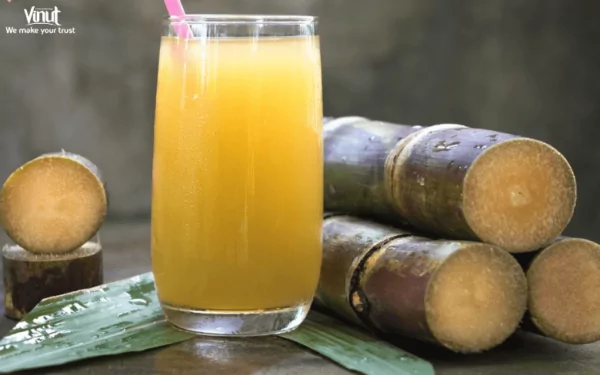
VINUT_Sugarcane Juice – Nature’s Sweet Nectar
1.1 Nutrition Facts

VINUT_The Nutritional Profile of Sugarcane Juice
A 1-cup (240 ml) serving of sugarcane juice provides:
Calories: 183
Protein: 0 g
Fat: 0 g
Sugar: 50 g
Fiber: 0–13 g
2. Is Sugarcane Juice Safe for Diabetes?
This is where sugarcane juice runs into trouble. It does have a low glycemic index (GI), meaning it doesn't spike blood sugar as fast as some other sugary drinks. But its glycemic load (GL) — which factors in both carb quality and the actual amount consumed per serving — is relatively high. In practice, that means a single serving can still meaningfully raise blood sugar levels, despite the low GI.
For anyone managing diabetes, high-carbohydrate beverages like this carry real risk. Given the roughly 50 grams of sugar in a typical serving, sugarcane juice is generally best avoided entirely by people with diabetes. Some preliminary lab research suggests that polyphenol antioxidants in sugarcane extract might help pancreas cells produce more insulin, according to studies indexed on PubMed — but this research is still early-stage and doesn't make sugarcane juice a safe choice for people with diabetes today. For broader guidance on carbohydrate and sugar intake, the American Diabetes Association offers detailed, up-to-date recommendations.
3. Health Benefits for the General Population
For people without diabetes, sugarcane juice does offer some genuine nutritional upsides. It's rich in essential nutrients like calcium, potassium, magnesium, iron, and vitamins B1, B2, B3, and B5, and its flavonoid and phenolic compounds provide antioxidant properties that help combat oxidative stress and may reduce the risk of certain chronic diseases. As a natural source of sucrose, it also delivers a quick, natural energy boost — making it a popular pick-me-up on hot days or after physical activity.
Beyond that, sugarcane juice is traditionally used to support liver health, particularly in treating jaundice, by helping maintain electrolyte balance. And thanks to its high water content, it's an effective hydrating drink that helps replenish fluids and electrolytes lost through sweat.
4. Diabetes-Friendly Alternatives

VINUT_Hydration
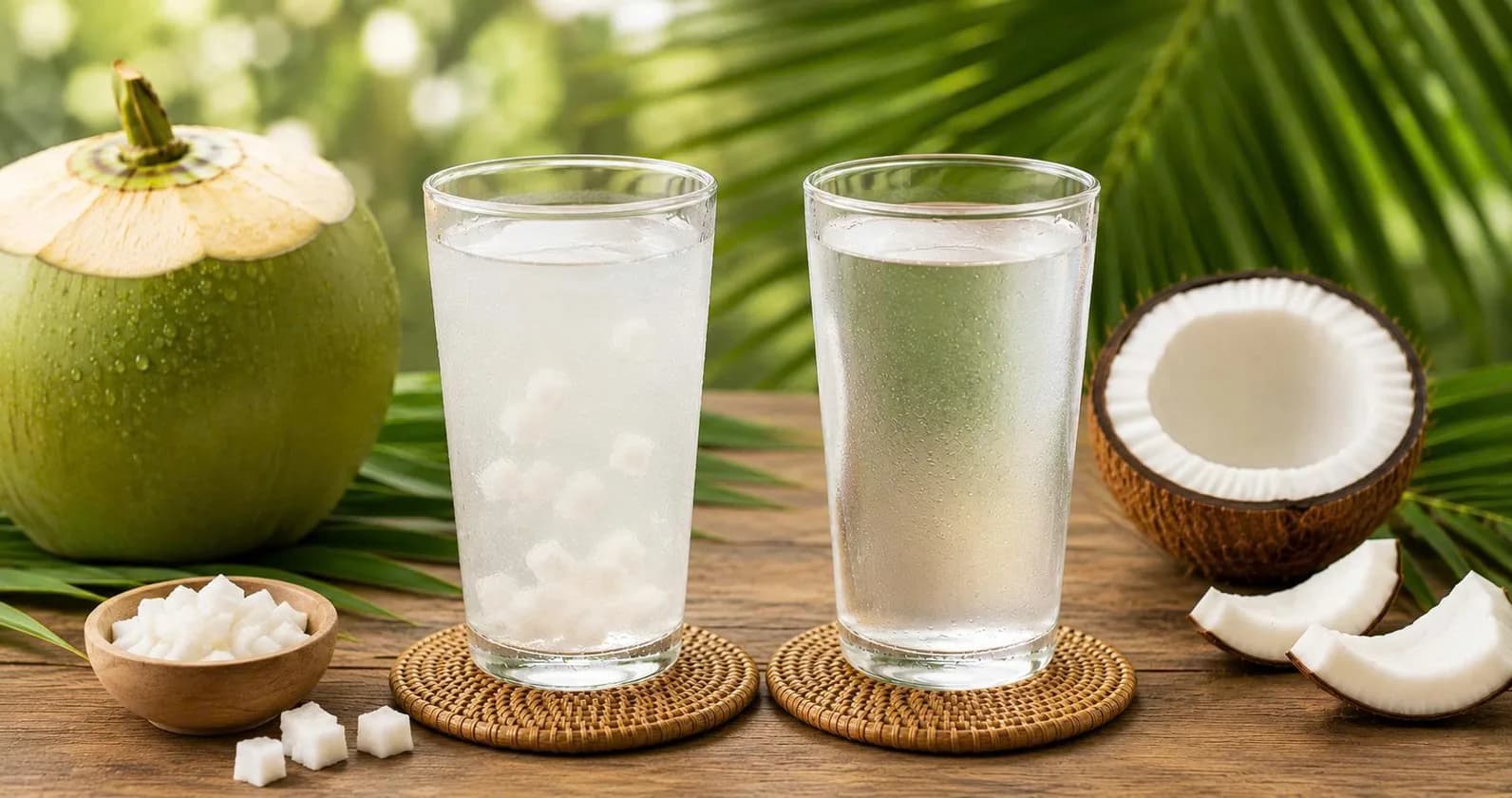
If you have diabetes and are craving something sweet, there are gentler options that won't put your blood sugar at risk. Infusing water with fresh fruit adds natural flavor without the sugar load of juice. Unsweetened tea or coffee is another satisfying choice — and if you want the antioxidant benefits sugarcane juice is known for, green tea with lemon offers a similar profile with far less sugar. Coconut water is another naturally hydrating option worth considering, with a gentler impact on blood sugar than sugarcane juice.
5. Conclusion
Sugarcane juice isn't without merit — it offers antioxidants, minerals, and natural hydration that can benefit people without blood sugar concerns. But for anyone managing diabetes, its high sugar content and glycemic load make it a drink worth avoiding. If you're looking for something naturally sweet and refreshing without the blood sugar risk, unsweetened tea, coffee, or fruit-infused water are far safer choices. Explore VINUT's low-sugar and unsweetened beverage options for alternatives that fit a blood-sugar-conscious lifestyle.
This article is for general information only and is not a substitute for medical advice. Consult a healthcare provider before making dietary changes, especially if you have diabetes.
Related reads: Coconut Water Benefits · Green Tea with Lemon Benefits
FAQ
Can people with diabetes drink sugarcane juice?
It's generally not recommended, as its high sugar content and glycemic load can cause blood sugar spikes.
Why does sugarcane juice have a high glycemic load despite a low glycemic index?
Glycemic load accounts for both carb quality and the total amount consumed per serving, and a typical serving contains around 50 grams of sugar.
Does sugarcane juice have any health benefits?
Yes, for people without diabetes it offers antioxidants, minerals like potassium and magnesium, and hydration.
What are diabetes-friendly alternatives to sugarcane juice?
Unsweetened tea, coffee, or water infused with fresh fruit are safer options that still add flavor.
How much sugar is in one cup of sugarcane juice?
A 240 ml serving contains about 50 grams of sugar and 183 calories.
About this article

The VINUT editorial team publishes articles about beverage ingredients, product characteristics, and practical information for readers and international buyers.