
Buyer Briefing
6 min read · 1,218 words
Apple and aloe vera juice is a popular home remedy for acid reflux, but the evidence is mixed. Apple juice is acidic (pH ~3.4–4.0) and is commonly listed as a reflux trigger rather than a remedy, though tolerance varies by person. Aloe vera has some limited scientific support for soothing GERD symptoms. If trying this remedy, use diluted, low-acid apple varieties and monitor your own response closely.
- Apple and aloe vera juice is a natural remedy for acid reflux, combining the benefits of both ingredients.
- Aloe vera juice helps soothe an inflamed esophagus with its anti-inflammatory properties, while apple juice's natural acids can help balance stomach acid levels.
- To use, mix one cup of apple juice with half a cup of aloe vera juice, optionally adding honey or lemon, and consume 20-30 minutes before meals or at bedtime.
- Benefits include being natural, chemical-free, rich in nutrients, versatile for overall health, and potentially cost-effective.
- Potential drawbacks include varying effectiveness, possible allergies, gastrointestinal issues with excessive consumption, and interactions with certain medications.
- It is crucial to consult a healthcare professional before incorporating apple and aloe vera juice into your diet, especially if you are on medication.

Acid reflux — that burning sensation when stomach acid flows back into the esophagus — is one of the most common digestive complaints. While over-the-counter medications are widely available, many people search for natural alternatives, and one combination that comes up often is apple and aloe vera juice. But does this popular home remedy actually hold up? Let's look at what it is, what the evidence says, and how to try it more safely if you choose to.
1. What is Apple and Aloe Vera Juice?
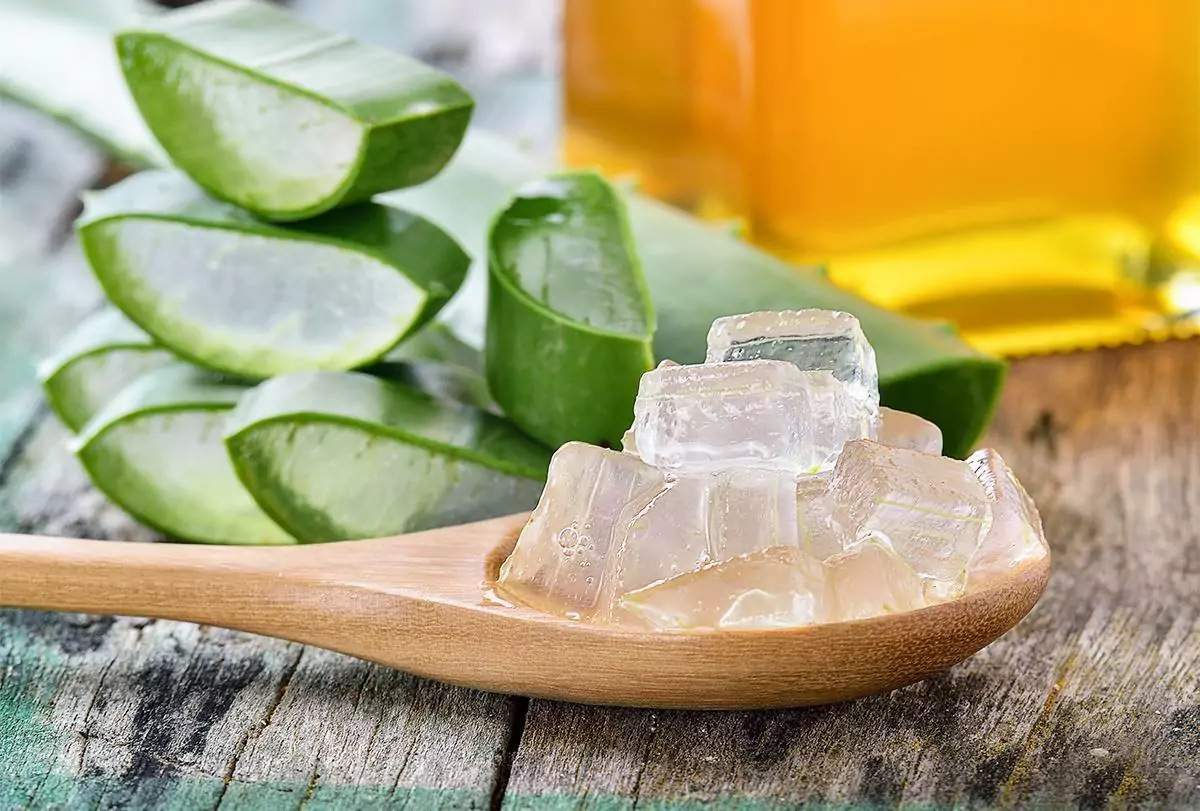
Apple and aloe vera juice is a powerful blend of two natural ingredients renowned for their health benefits. Apple juice, derived from apples, is packed with vitamins, minerals, and antioxidants that promote overall well-being. On the other hand, aloe vera juice, extracted from the succulent plant’s inner gel, contains numerous biologically active compounds known for their soothing properties.
When these two potent liquids are combined, they create a synergy that can alleviate the symptoms of acid reflux and improve digestive health. The unique composition of apple and aloe vera juice makes it an excellent choice for those seeking a natural alternative to traditional medications.
2. Does Apple Juice Actually Help with Acid Reflux?
This is where it's important to be direct: apple juice is generally not recommended as a remedy for acid reflux, and many gastroenterology sources list it as a potential trigger instead. Apple juice has a pH of roughly 3.4–4.0, which is acidic — most clinical guidance suggests avoiding foods and drinks with a pH below 4–5 if you're prone to heartburn, since acidic drinks can directly irritate an already inflamed esophagus.
That said, individual tolerance varies significantly. Some people find that sweeter, less acidic apple varieties (like Fuji or Gala, rather than tart Granny Smith) cause fewer symptoms, especially when diluted with water. Whole apples also contain pectin, a soluble fiber that may help slow gastric emptying — a potential benefit that doesn't fully carry over to juice, since juicing removes most of the fiber.
Bottom line: if apple juice is part of your routine and doesn't bother you, that's a reasonable personal finding — but it shouldn't be marketed as a general acid reflux "fix," since for many people it does the opposite.
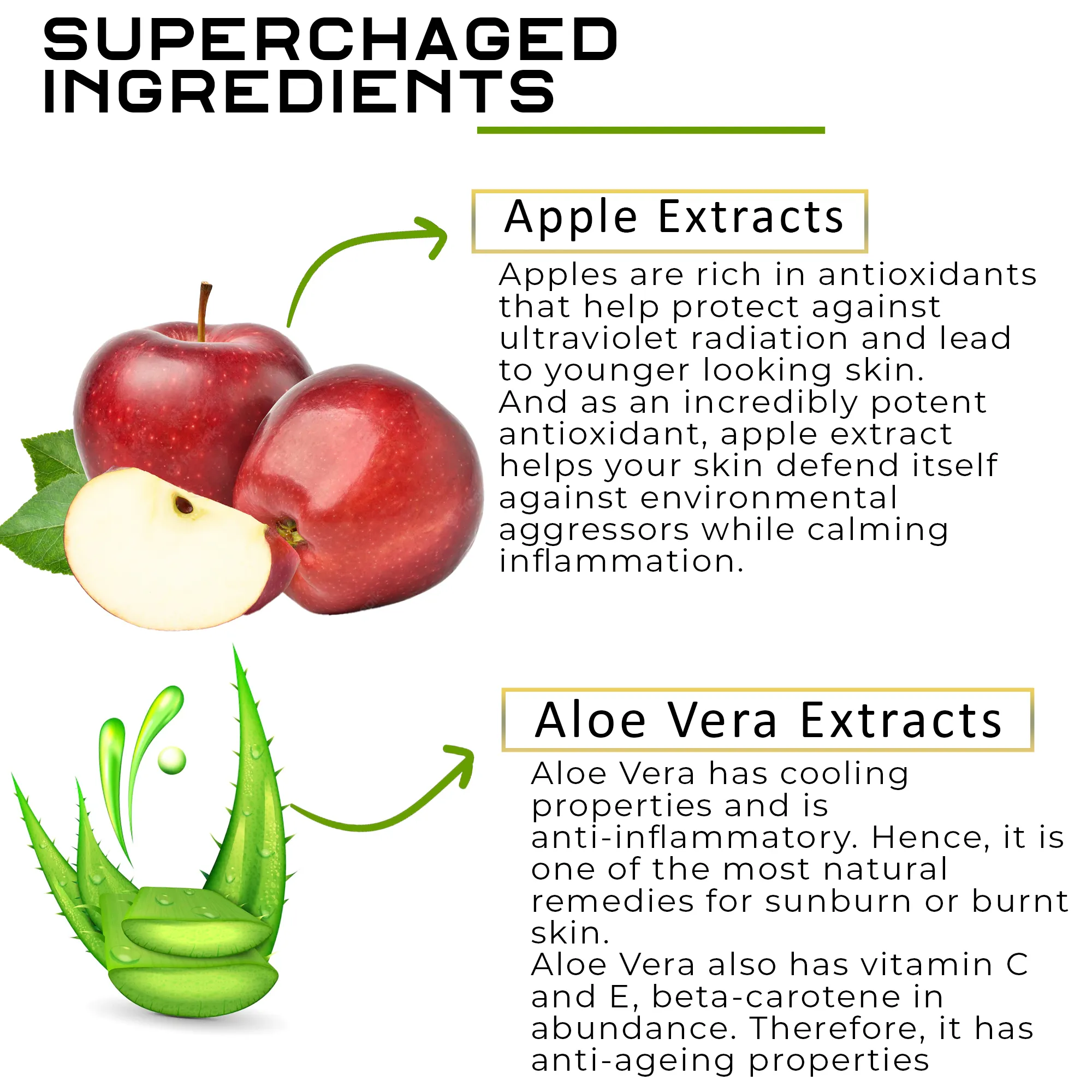
The Power of Apple and Aloe Vera Juice A Natural Remedy for Acid Reflux
3. What About Aloe Vera Juice?
Aloe vera has a more defensible, though still limited, evidence base for digestive comfort. Its gel has anti-inflammatory properties, and some small studies have examined aloe vera syrup for reducing GERD symptom frequency and severity, with promising but preliminary results, according to research indexed on PubMed. Aloe vera juice may:
Soothe the esophagus: Its anti-inflammatory properties may help ease irritation from acid exposure.
Support digestion: Natural enzymes in aloe vera may aid the breakdown of food.
Support regular bowel movements: Aloe vera has natural laxative properties in some formulations, which may indirectly reduce abdominal pressure — though this effect should be used cautiously and not relied upon regularly.
4. A More Honest Way to Try This Remedy
If you'd still like to experiment with this combination, here's a more careful approach than a straight 50/50 blend of regular apple juice and aloe vera juice:
Choose low-acid apple varieties: Opt for sweeter apples like Fuji or Gala rather than tart varieties.
Dilute generously: Mix a smaller amount of apple juice (a few tablespoons) with a larger portion of water and aloe vera juice, rather than using apple juice as the dominant base.
Use purified aloe vera juice: Choose a decolorized, purified product rather than raw aloe latex, which can have a strong laxative effect.
Optional additions: A teaspoon of honey can add flavor without significantly increasing acidity.
Timing: If you choose to try it, some people find sipping small amounts between meals — rather than right before eating — more comfortable, though this varies by individual.
Start small: Try a small amount first and monitor how your body responds before making it a regular habit.
Consult a healthcare professional before relying on this or any home remedy for ongoing acid reflux, especially if you have frequent symptoms (more than twice a week), as this may indicate GERD that needs proper medical evaluation, according to the American College of Gastroenterology's GERD guidelines.
5. Pros and Cons of This Remedy
5.1 Pros:
Natural ingredients: No synthetic additives, unlike some over-the-counter options.
Nutrient content: Both ingredients provide vitamins, minerals, and antioxidants as part of an overall diet.
Versatile: Aloe vera juice in particular offers benefits beyond digestion, including hydration and skin health.
Low cost: An accessible option compared to ongoing medication costs.
5.2 Cons:
Apple juice may worsen symptoms for many people — this is the most important caveat, and the opposite of what's often claimed online.
Effectiveness varies widely from person to person.
Potential allergies: Some individuals may be sensitive to apples or aloe vera.
Gastrointestinal side effects: Overconsumption, especially of aloe vera, can cause bloating or diarrhea.
Medication interactions: Aloe vera may interact with certain medications, including diabetes medications and diuretics — consult a doctor if you take regular medication.
6. Alternatives Worth Considering
If apple and aloe vera juice doesn't work for you — which is common, given apple juice's acidity — consider these alternatives, which have somewhat better-established reputations for reflux comfort:
Ginger: Ginger tea or fresh ginger may help soothe the digestive system and has anti-inflammatory properties.
Chamomile Tea: Known for its calming effect on the stomach and mild anti-inflammatory properties.
Slippery Elm: Forms a gel-like coating that may protect the esophagus from acid exposure.
Marshmallow Root: Contains mucilage that may help soothe the esophageal lining.
Low-acid fruit juices: Pear juice (pH 4.0–4.5) and watermelon juice (pH 5.2–5.6) are considered gentler options than apple juice for many people with reflux.
7. Apple Cider Vinegar vs. Apple and Aloe Vera Juice
Apple cider vinegar (ACV) is another commonly discussed home remedy for acid reflux, and it's worth noting upfront: ACV is also acidic and is frequently listed as a reflux trigger itself, even though some individuals anecdotally use small, diluted amounts as a remedy. Compared to apple and aloe vera juice, ACV has a stronger taste, may cause more throat irritation or enamel erosion with prolonged use, and has similarly mixed evidence for reflux relief.
Neither option is strongly backed by robust clinical evidence for treating acid reflux — both remain personal-experimentation territory rather than established remedies, and neither should replace medical treatment for ongoing GERD symptoms.
8. Ready-to-Drink Options
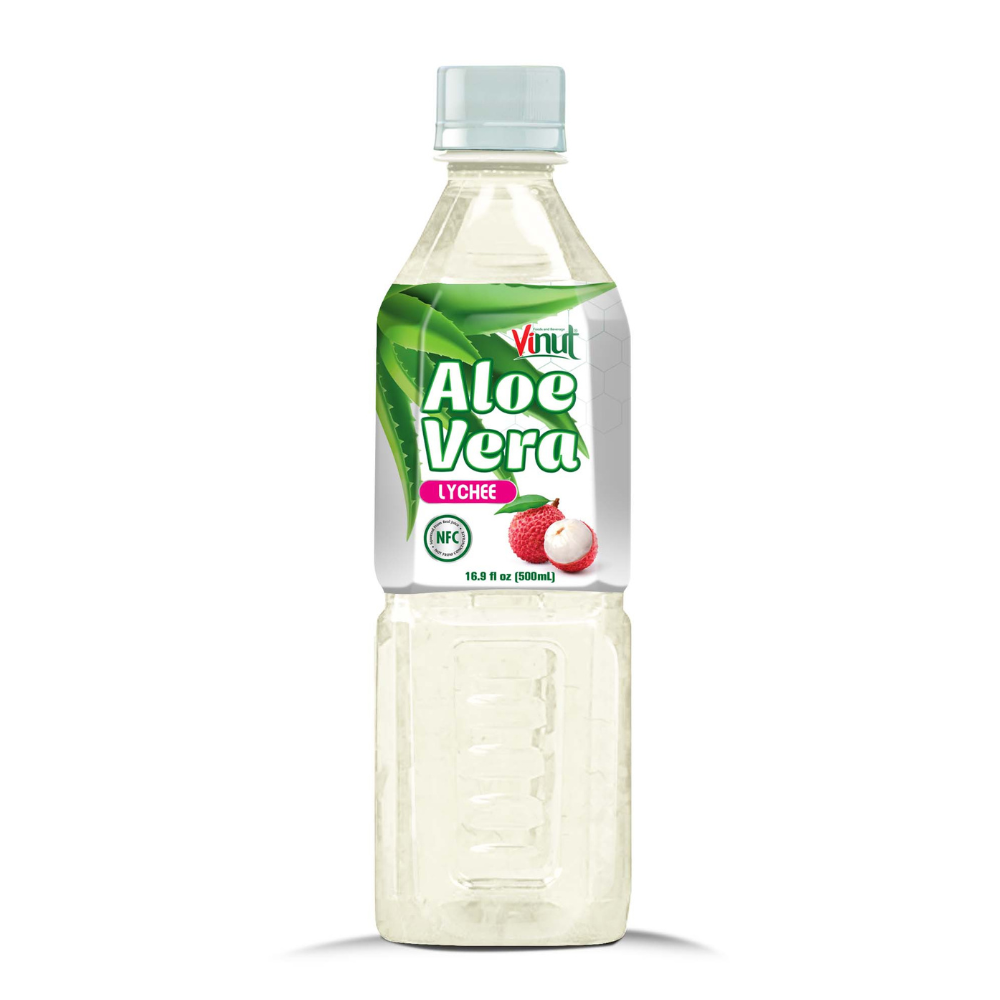
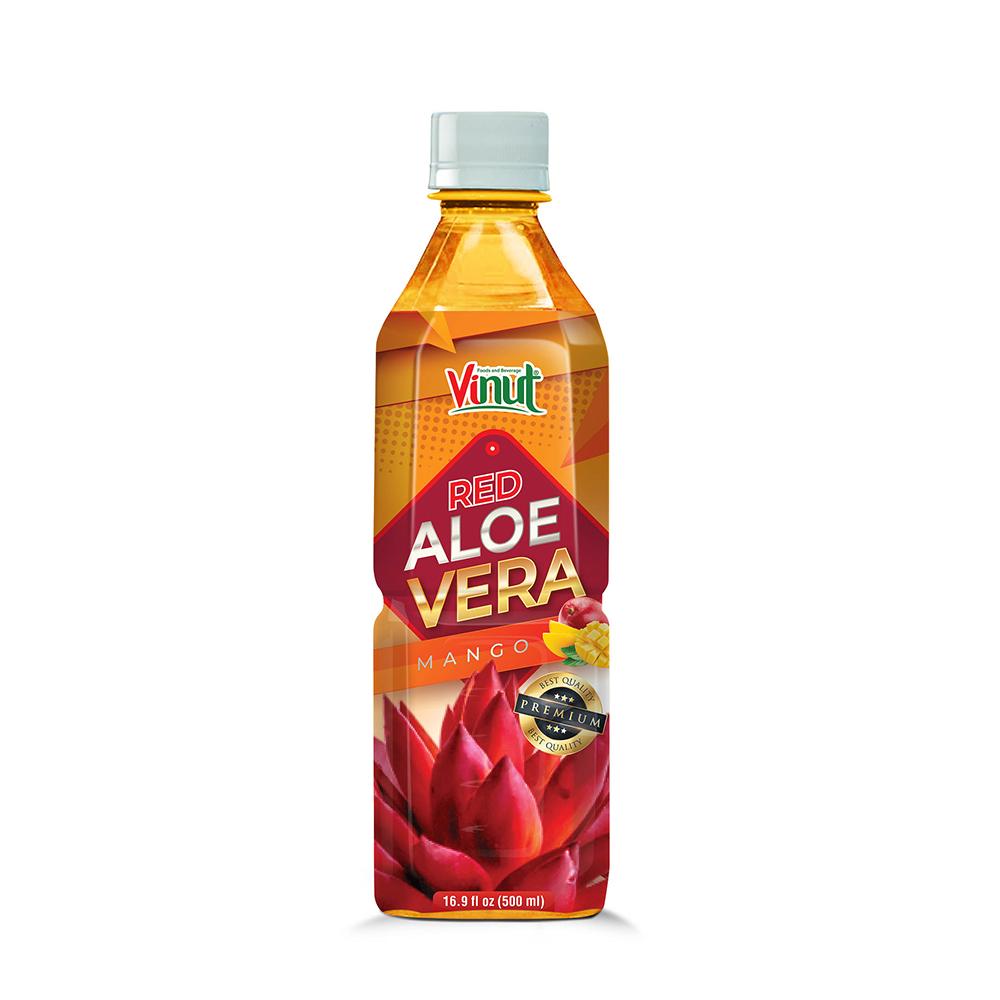
If you'd like to try the individual ingredients in a convenient, quality-controlled form, explore VINUT's Aloe Vera Drink and VINUT's Fruit Juice range — export-ready options made with quality control standards suited for both individual use and business sourcing.
9. Conclusion
Apple and aloe vera juice is a widely shared home remedy for acid reflux, but the science doesn't fully support the "apple juice as acid balancer" claim often made about it — in fact, apple juice's natural acidity makes it a common reflux trigger for many people. Aloe vera juice has somewhat better, though still limited, evidence for soothing digestive discomfort. If you want to experiment with this remedy, use diluted, low-acid apple varieties, pay close attention to your own body's response, and don't hesitate to consult a healthcare professional — especially if symptoms are frequent or persistent.
Interested in quality-controlled aloe vera or fruit juice for your own use or business? Explore VINUT's product catalog or request a free catalog to learn more.
Related reading: Aloe Vera Benefits for Skin, Hair & Health · Aloe Vera Juice: 6 Outstanding Benefits for Your Body
VINUT products
Explore related drinks
View ingredients, sizes and packaging.
FAQ
Can I drink apple and aloe vera juice every day?
You can, but be mindful that apple juice's acidity may cause or worsen symptoms for some people even with daily use. Start with small, diluted amounts and monitor your body's response rather than assuming daily use is automatically beneficial.
Are there any side effects of using apple and aloe vera juice for acid reflux?
Yes — beyond potentially worsening reflux due to apple juice's acidity, some individuals may experience gastrointestinal discomfort or allergic reactions, particularly with aloe vera. Monitor your response and discontinue use if symptoms worsen.
Can I mix apple cider vinegar with apple and aloe vera juice for acid reflux?
This isn't recommended — both apple cider vinegar and apple juice are acidic, and combining them would likely increase the risk of worsening symptoms rather than helping.
How long does it take for apple and aloe vera juice to alleviate acid reflux symptoms?
There's no reliable timeframe, since for many people this remedy doesn't relieve symptoms at all due to apple juice's acidity. If you don't notice improvement within a few days, it's reasonable to try a different approach.
Can I use store-bought apple juice and aloe vera gel instead of fresh juice?
Yes, as long as they're pure, without added sugars or preservatives — but the acidity concern applies to both fresh and store-bought apple juice equally.
About this article

The VINUT editorial team publishes articles about beverage ingredients, product characteristics, and practical information for readers and international buyers.