
Buyer Briefing
4 min read · 802 words
Aloe vera is a succulent plant valued for its soothing gel, used topically for skin and hair care and consumed as juice for digestion and antioxidant support. Used medicinally since ancient Egypt, it remains a staple in skincare, haircare, and wellness drinks today.
- Aloe Vera is a versatile plant known for its soothing, moisturizing, and cooling qualities, used in skincare, health, and nutrition.
- In skincare, Aloe Vera acts as an excellent moisturizer, offers anti-aging benefits with vitamins C, E, and beta carotene, and fights acne and blemishes due to its anti-inflammatory and antimicrobial properties.
- Drinking Aloe Vera juice provides antioxidants, aids digestion, soothes the stomach, and may help reduce constipation.
- For hair care, Aloe Vera can maintain a healthy scalp, promote hair growth, prevent hair loss, and reduce dandruff and inflammation.
- Aloe Vera is easy to grow at home, thriving in dry conditions with indirect sunlight and infrequent watering.
Aloe vera, often called the "plant of immortality" by ancient cultures, is more than a household staple for soothing sunburns. It's a cornerstone of skincare, haircare, and wellness routines around the world. This succulent plant is more than just decor — its applications in skincare, health, and nutrition are extensive and well documented.
In this guide, we'll cover what aloe vera is, its key aloe vera benefits for skin, hair, and health, and simple ways to add it to your routine — including drinking it as juice.
1. What Is Aloe Vera?
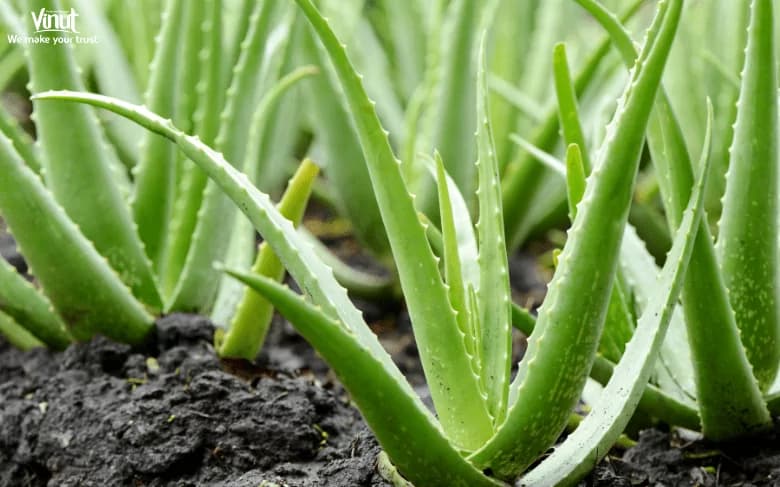
Aloe Vera is a thick, short-stemmed plant that stores water in its leaves, which are thick and fleshy, green to grey-green. The leaves may have white flecks on their upper and lower stem surfaces. The gel of this plant, derived from the inner part of the leaf, is widely used in products ranging from skin lotion to beverages due to its soothing, moisturizing, and cooling qualities.
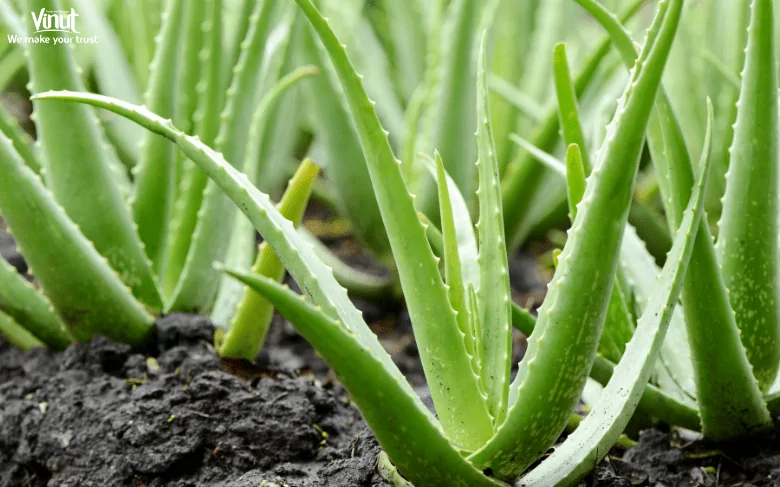
VINUT_Introduction to Aloe Vera
2. Aloe Vera: A Natural Healer
Aloe vera has been used for medicinal purposes since ancient Egypt, where it treated burns, wounds, and other skin conditions. Today, its gel is commonly applied topically for sunburns, scrapes, cuts, and minor skin irritations. According to the NIH National Center for Complementary and Integrative Health, topical aloe vera may help speed healing of first- and second-degree burns.
3. Benefits of Aloe Vera for Skin
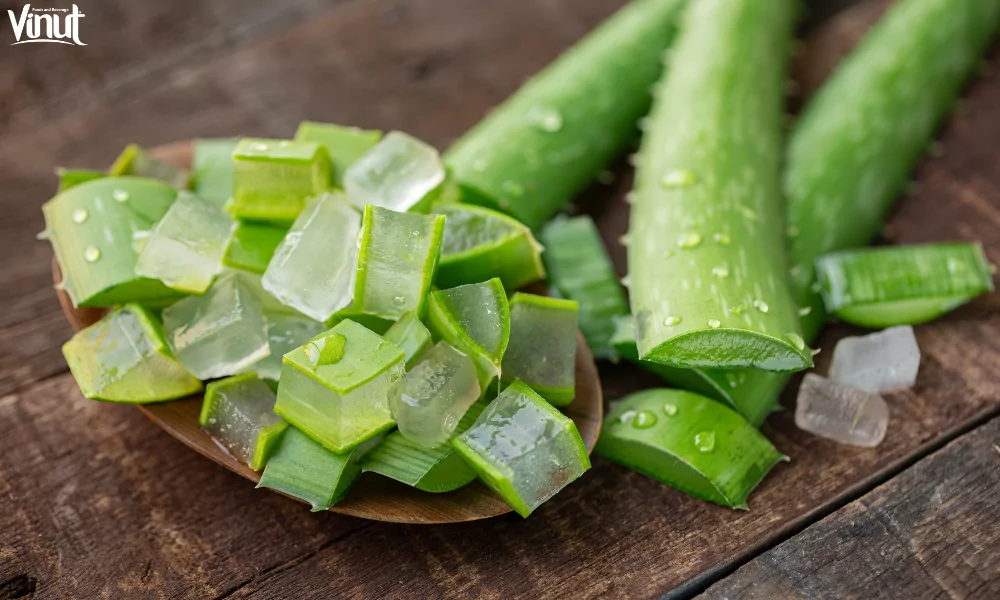
VINUT_Benefits of Aloe Vera in Skincare
3.1 Moisturizing Properties:
Aloe vera gel is a lightweight moisturizer, especially helpful for dry, itchy, or sunburned skin. It hydrates without leaving a greasy residue, so it also suits oily and acne-prone skin types.
3.2 Antioxidant Support:
Aloe vera's mix of vitamins C, E, and beta-carotene contributes to its antioxidant properties, which may help protect skin and support natural firmness and hydration over time.
3.3 May Help with Acne-Prone Skin:
Its anti-inflammatory and antimicrobial properties may help calm active breakouts and soothe irritated skin. Evidence for fading existing acne scars is more limited, so it works best as a supporting step in a full skincare routine.
4. Aloe Vera Juice: Benefits for Digestion and Wellness
Aloe vera's benefits extend beyond the skin — its juice is a popular addition to a healthy diet. Aloe vera juice is rich in antioxidants, which help the body combat free radicals. It's also traditionally used to soothe the stomach, support digestion, and ease occasional constipation.
4.1 Quick facts about aloe vera juice:
Best consumed as a purified, decolorized product (avoid raw aloe latex)
Typically taken in small amounts, such as 30ml per serving
Often blended with other juices for flavor and added nutrients
Should be introduced gradually to assess personal tolerance
Looking for a ready-to-drink option? Explore VINUT's Aloe Vera Drink — a convenient, export-ready way to enjoy aloe vera's benefits without preparing it yourself.
5. Aloe Vera in Hair Care
Aloe vera can also support a hair care routine. The vitamins and minerals in the plant may help maintain a healthy scalp environment, which can indirectly support hair growth and reduce breakage. Aloe vera gel is often used as a pre-shampoo treatment to help reduce dandruff and calm scalp inflammation.
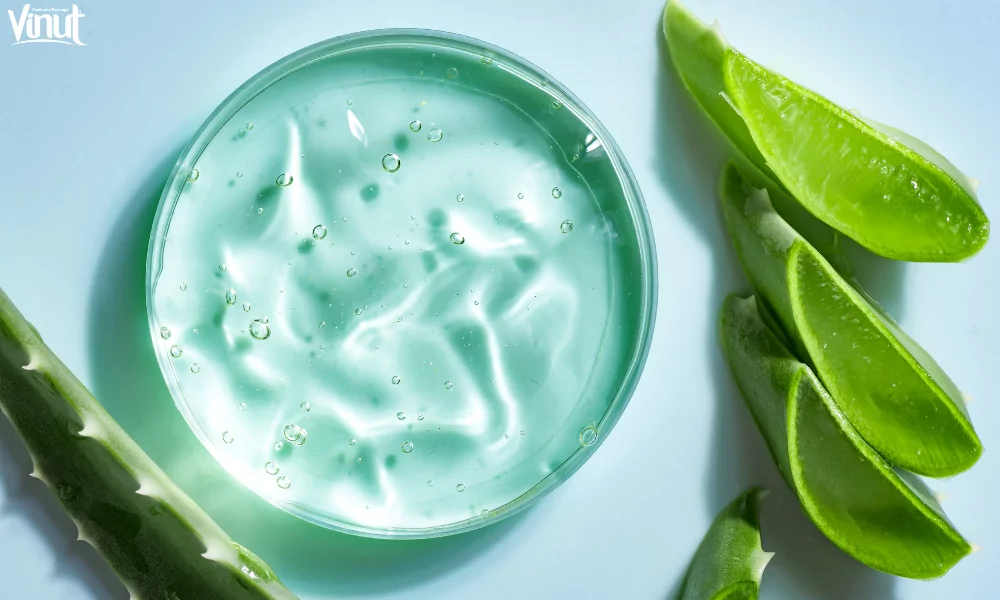
VINUT_Aloe Vera in Hair Care
6. Aloe Vera at Home: Growing and Care Tips
Growing this plant at home is straightforward, making it an even more appealing option for those looking to harness its benefits. It prefers dry conditions and does not require frequent watering, making it perfect for busy individuals or those who are less attentive to the needs of houseplants. Here are some tips:
Light: Place your plant in a sunny spot; they thrive in indirect sunlight or artificial light.
Water: Water deeply but infrequently, allowing the soil to dry at least 1-2 inches deep between waterings.
Temperature and Humidity: The plants prefer warmer temperatures and low humidity.
7. Precautions
Raw aloe latex: The yellow layer just under the skin of the leaf (aloe latex) can act as a strong laxative and should be avoided, especially by pregnant women.
Topical sensitivity: Some people experience mild skin irritation — patch-test on a small area first.
Oral use: Only drink products labeled as purified and safe for consumption; check with a doctor before use if pregnant, breastfeeding, or on medication.
This article is for informational purposes only and is not a substitute for professional medical advice.
8. Conclusion: The Versatility of Aloe Vera
Aloe vera is a multifaceted plant with benefits that go well beyond its use as a houseplant. Its easy cultivation and wide range of applications make it a favorite among health enthusiasts and beauty lovers alike. Whether you're soothing a sunburn, adding it to your diet, or building it into your beauty routine, aloe vera remains a natural, versatile ally for health and wellness.
Want to add aloe vera juice to your product lineup? Explore VINUT's Aloe Vera Drink or request a free catalog to learn about our export-ready beverage solutions.
Related reading: Mango Juice Benefits for Skin and Hair Health · Dragon Fruit Benefits, Types & Nutrition Facts
FAQ
Is it safe to drink aloe vera juice daily?
In moderate amounts (around 30ml per day of a purified, decolorized product), it's generally considered safe for most healthy adults. Check with a doctor first if pregnant or taking medication.
Can aloe vera help with acne scars?
Its anti-inflammatory properties may help calm active breakouts, but evidence for fading existing scars is limited. It works best alongside a full skincare routine.
Does aloe vera help with hair growth?
It may support a healthier scalp environment, which can indirectly benefit hair health, though it isn't a proven standalone treatment for hair loss.
Can you apply aloe vera directly from the plant?
Yes — the clear gel from a fresh leaf can be applied directly. Patch-test first, since some people are sensitive to raw aloe latex.
What are the side effects of aloe vera?
Topical use can occasionally cause skin irritation. Oral use in large amounts may cause digestive upset, and aloe latex specifically should be avoided by pregnant women.
About this article

The VINUT editorial team publishes articles about beverage ingredients, product characteristics, and practical information for readers and international buyers.