
Buyer Briefing
7 min read · 1,401 words
Kiwi and aloe vera juice combines kiwi's vitamin C and fiber with aloe vera's soothing digestive properties for a refreshing, nutrient-rich drink. It's easy to make at home with just kiwi, aloe vera gel, and water, and works well as a morning boost, post-workout drink, or summer refresher.
- Kiwi brings vitamin C, vitamin K, and fiber, while aloe vera contributes soothing digestive and skin-supporting properties.
- The basic recipe needs just 4 ingredients: kiwi, fresh aloe vera gel, water, and an optional sweetener.
- Aloe vera's laxative effect means moderation matters — excess consumption may cause digestive discomfort.
- Aloe vera may interact with blood thinners or diabetes medication, so check with a doctor if you take either.
- Compared to orange or apple juice, this blend offers a tangier flavor with added digestive-supporting properties from aloe vera.
Listen to the article summary
AI-generated voice · English · 2:13
Read transcript
Kiwi and aloe vera juice is presented as a popular, refreshing, and potentially healthy beverage, combining the tangy sweetness of kiwi with the soothing properties of aloe vera. The unique blend is highlighted for its nutritional value, with kiwi fruit providing essential nutrients like vitamin C, vitamin K, dietary fiber, and antioxidants. Aloe vera is noted for its medicinal properties, being rich in vitamins, minerals, enzymes, and amino acids that support skin health, aid digestion, and bolster the immune system. This juice is suggested for a wide range of individuals, including health-conscious people, fitness enthusiasts, or those seeking natural remedies. Specific benefits mentioned include boosting the immune system, supporting digestion, improving skin health, and potentially aiding in weight management. It's versatile for consumption, recommended as a morning boost, for post-workout replenishment, or as a summer quencher. Making the juice at home involves simple steps: peeling two ripe kiwi fruits, carefully scooping the translucent gel from one fresh aloe vera leaf while avoiding the bitter yellow sap, then blending these with one cup of water. Honey or a sweetener can be added optionally, and the mixture can be strained for a pulp-free juice before chilling and serving. For convenience, ready-made options like VINUT's Aloe Vera Drink are also mentioned. While offering benefits like being nutrient-rich, hydrating, and supportive of digestion, skin, and immunity, there are important qualifications. Potential cons include allergic reactions to either kiwi or aloe vera. Aloe vera also has natural laxative properties, so excess consumption may lead to diarrhea or stomach discomfort. Crucially, aloe vera may interact with medications such as blood thinners or diabetes medication, advising consultation with a healthcare provider if these are taken.
In the realm of healthy beverages, the combination of Kiwi and Aloe Vera juice has gained significant popularity for its refreshing taste and potential health benefits. This unique fusion brings together the tangy sweetness of kiwi fruit with the soothing properties of aloe vera, resulting in a delightful and invigorating drink.

1. What Makes Kiwi and Aloe Vera Juice Special?
The magic lies in the combination of two extraordinary natural ingredients: kiwi fruit and aloe vera.
1.1 Kiwi Fruit:
Known for its vibrant green color and delectable taste, kiwi is packed with essential nutrients. It is an excellent source of vitamin C, vitamin K, dietary fiber, and antioxidants, which contribute to overall health and vitality.
1.2 Aloe Vera:
Revered for centuries for its medicinal properties, aloe vera possesses numerous therapeutic benefits. It is rich in vitamins, minerals, enzymes, and amino acids that promote skin health, aid digestion, and support the immune system.
2. Who can Benefit from Kiwi and Aloe Vera Juice?
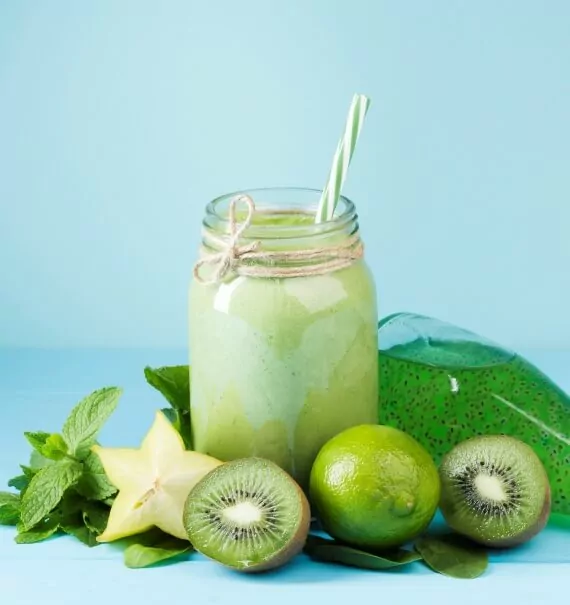
Kiwi and aloe vera juice can be enjoyed by a wide range of individuals looking to enhance their well-being. Whether you are a health-conscious individual, a fitness enthusiast, or someone seeking natural remedies, this beverage holds something for everyone. Additionally, those who may benefit from the goodness of kiwi and aloe vera juice include people:
Seeking to boost their immune system
Looking for digestive support
Wanting to improve skin health
Hoping to manage weight effectively
3. When to Enjoy Kiwi and Aloe Vera Juice?
The beauty of kiwi and aloe vera juice lies in its versatility, making it suitable for various occasions:
Morning Boost: Kickstart your day with a glass of kiwi and aloe vera juice to awaken your senses and provide a refreshing burst of energy.
Post-workout Replenishment: Rehydrate and rejuvenate after a strenuous exercise session by consuming this revitalizing beverage, which aids in replenishing electrolytes and supporting muscle recovery.
Summer Quencher: During scorching summer days, sip on kiwi and aloe vera juice as a thirst-quenching elixir that cools and hydrates the body.
4. How to Make Kiwi and Aloe Vera Juice?
4.1 Ingredients:
2 ripe kiwi fruits
1 fresh aloe vera leaf (or 2 tbsp store-bought aloe vera gel)
1 cup water
Honey or sweetener of choice (optional)
4.2 Instructions:
Peel the kiwi fruits and cut them into small chunks.
If using a fresh leaf, slice off the thorny edges, cut the aloe vera leaf open lengthwise, and scoop out the translucent gel with a spoon — avoid the yellow sap just under the skin, as it has a bitter taste.
Combine the kiwi chunks, aloe vera gel, and water in a blender.
Blend until smooth and well-incorporated.
Add honey or your preferred sweetener to taste, if desired.
Strain through a fine-mesh sieve if you prefer a pulp-free juice (optional — the pulp adds extra fiber).
Chill in the refrigerator for a few minutes, then serve garnished with a kiwi slice or mint sprig.
Prefer a ready-made option? Explore VINUT's Aloe Vera Drink for a convenient, export-ready alternative.
5. Pros and Cons
5.1 Pros:
Nutrient-rich: Packed with vitamins, minerals, and antioxidants.
Hydrating: Delivers fluids alongside essential nutrients.
Digestive support: Aloe vera may help ease occasional gastrointestinal discomfort.
Skin health: The nourishing properties of both ingredients may support healthy-looking skin.
Immune support: Kiwi's vitamin C content supports immune function.
5.2 Cons:
Allergic reactions: Some individuals may be allergic to kiwi or aloe vera — patch-test or consult a doctor if unsure.
Laxative effect: Aloe vera has natural laxative properties; excess consumption may cause diarrhea or stomach discomfort.
Medication interactions: Aloe vera may interact with blood thinners or diabetes medication, according to the NIH National Center for Complementary and Integrative Health — consult your healthcare provider if you take either.
6. Alternatives to Try
Kiwi smoothie: Blend kiwi with almond milk or coconut water and other fruits or greens.
Aloe vera water: Mix aloe vera gel with water, lemon, and a natural sweetener.
Kiwi-infused water: Add kiwi slices to a jug of water with cucumber, mint, or berries.
Aloe vera gel supplement: Capsule or tablet form for those who prefer not to consume the gel directly.
7. Step-by-Step Guide to Making Kiwi and Aloe Vera Juice
To make kiwi and aloe vera juice at home, follow these detailed step-by-step instructions:
Begin by selecting ripe kiwi fruits. Look for fruits that yield to gentle pressure when squeezed, indicating they are ripe and juicy.
Wash the kiwi fruits under cool water to remove any dirt or residue from the skin.
Peel the kiwi fruits using a sharp knife or a spoon. Insert the knife just beneath the skin and gently slide it around the fruit to remove the peel. Alternatively, you can cut the ends of the kiwi and use a spoon to scoop out the flesh.
Cut the peeled kiwi fruits into small chunks to make them easier to blend.
Obtain a fresh aloe vera leaf. Look for leaves that are plump and green in color, indicating freshness.
Rinse the aloe vera leaf under running water to remove any dirt or debris.
Using a sharp knife, carefully slice off the thorny edges of the leaf.
Next, slice the aloe vera leaf lengthwise to expose the translucent gel inside.
Use a spoon to scoop out the gel from the leaf. Be gentle to avoid getting any of the yellow sap, as it can have a bitter taste.
Place the kiwi chunks and aloe vera gel in a blender.
Add a cup of water to the blender for easier blending and to achieve the desired consistency.
Blend the ingredients on high speed until the mixture is smooth and well combined.
If you prefer a sweeter taste, you can add honey or your preferred sweetener at this stage. Start with a small amount and adjust according to your taste preferences.
Once blended, pour the kiwi and aloe vera juice into a glass or a jug.
Optionally, you can strain the juice through a fine-mesh sieve to remove any pulp or seeds, although the pulp adds extra fiber and texture to the juice.
Chill the juice in the refrigerator for a few minutes to enhance its refreshing qualities.
Serve the kiwi and aloe vera juice in a tall glass and garnish with a slice of kiwi or a sprig of mint, if desired.
Enjoy the invigorating flavors of homemade kiwi and aloe vera juice.
8. Kiwi and Aloe Vera Juice vs. Other Fruit Juices
Factor | Kiwi & Aloe Vera Juice | Orange Juice | Apple Juice | Pineapple Juice |
|---|---|---|---|---|
Taste | Tangy, slightly sweet | Sweet, citrusy | Sweet, mild | Tropical, tart-sweet |
Key nutrients | Vitamin C, K, fiber, antioxidants | Vitamin C, folate, potassium | Vitamin C, fiber (pectin) | Vitamin C, manganese, bromelain |
Digestive support | Aloe vera soothes digestion | Natural enzymes aid digestion | Pectin supports bowel regularity | Bromelain aids digestion |
Hydration | High water content | High water content | High water content | High water content |
9. Tips and Best Practices
Choose ripe kiwi fruits (they yield to gentle pressure) and fresh, plump aloe vera leaves for the best flavor and nutrition.
Extract aloe vera gel carefully, avoiding the yellow sap layer, which has a bitter taste.
Adjust the water-to-fruit ratio to reach your preferred consistency.
Sweeten lightly with honey if desired, but avoid overdoing it to preserve the natural flavor.
Clean all equipment thoroughly before juicing to maintain hygiene.
Serve chilled, garnished with a kiwi slice or mint sprig for presentation.
Consider organic ingredients to minimize pesticide exposure.
Start with a small portion to see how your body responds, especially given aloe vera's laxative effect.
Store in an airtight container in the refrigerator for up to two days; shake well before drinking.
10. The Best Practices for Kiwi and Aloe Vera Juice Preparation
To make the most out of your kiwi and aloe vera juice, follow these best practices:
Select ripe and high-quality kiwi fruits for optimal taste and nutritional value.
Harvest fresh aloe vera leaves and extract the gel carefully to avoid including the yellow sap, which can have a bitter taste.
Clean all the equipment and utensils thoroughly before making the juice to maintain hygiene and prevent contamination.
Blend the ingredients until smooth and well-incorporated for a consistent texture.
Adjust the sweetness of the juice according to your preference, but avoid adding excessive amounts of sweeteners to retain the natural flavors.
Consume the juice fresh or store it in an airtight container in the refrigerator for a maximum of two days to maintain its freshness and nutritional integrity.
11. Conclusion
Kiwi and aloe vera juice offers a refreshing and nutritious blend that can benefit a wide range of people — from health-conscious individuals to fitness enthusiasts. With its unique combination of tangy sweetness, essential nutrients, and potential health benefits, it's a simple way to support your immune system, aid digestion, and enjoy a hydrating, delicious drink.
Interested in trying aloe vera juice for yourself? Explore VINUT's Aloe Vera Drink or request a free catalog to learn more.
Related reading: Aloe Vera Benefits for Skin, Hair & Health · Pineapple Aloe Vera Juice: Benefits and Refreshing Taste · Aloe Vera Juice: 6 Outstanding Benefits for Your Body
VINUT products
Explore related drinks
View ingredients, sizes and packaging.
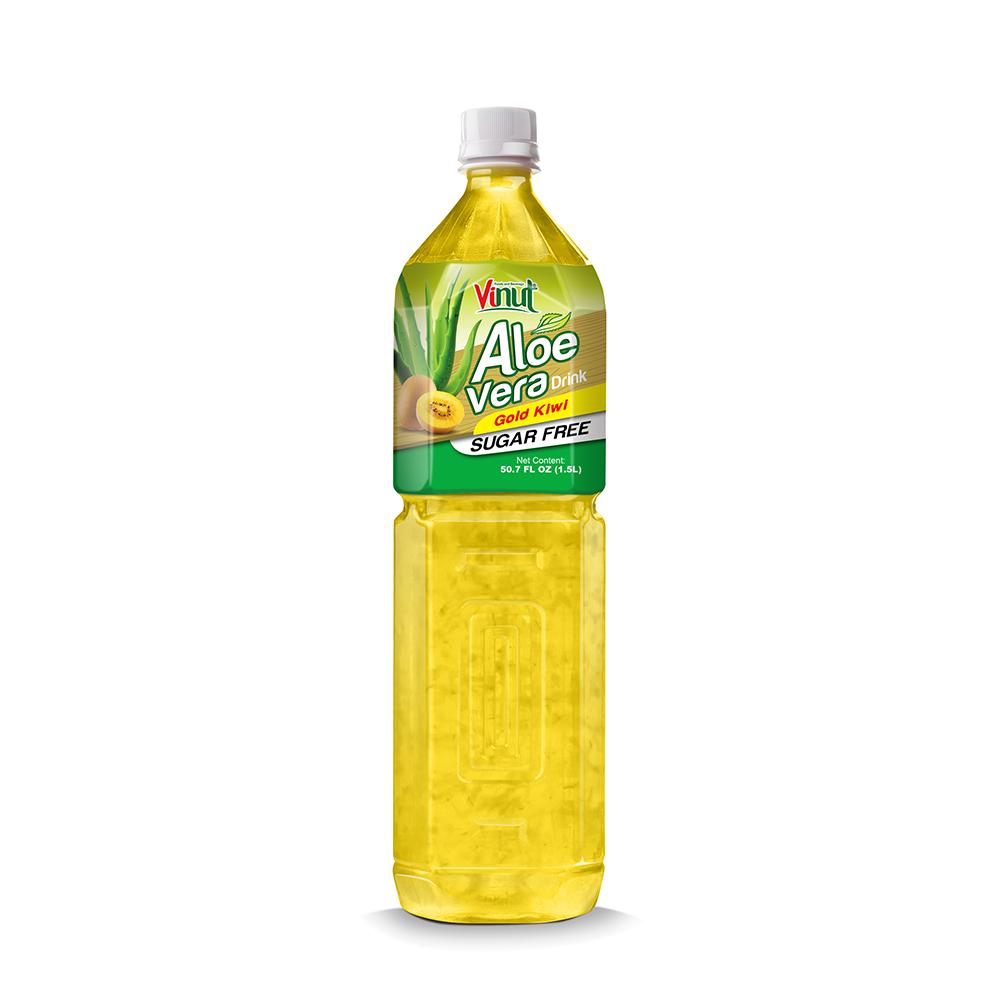
Vinut Aloe Vera Drink, Gold Kiwi Flavor, Sugar Free, PET Bottle, 50.7 fl oz (1.5L)
50.7 fl oz (1.5L) · PET Bottle
View product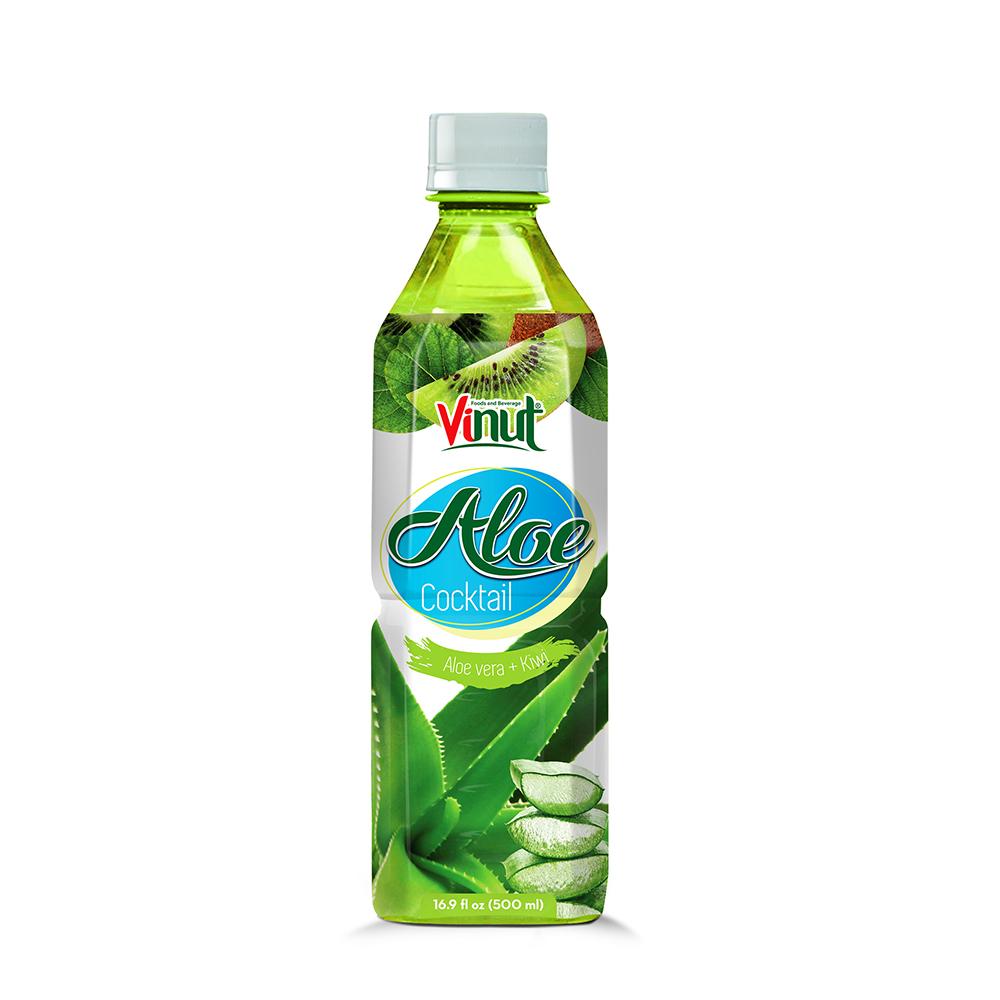
Vinut Aloe Cocktail, Aloe Vera Kiwi Flavor, PET Bottle, 16.9 fl oz (500 mL)
16.9 fl oz (500 mL) · PET Bottle
View product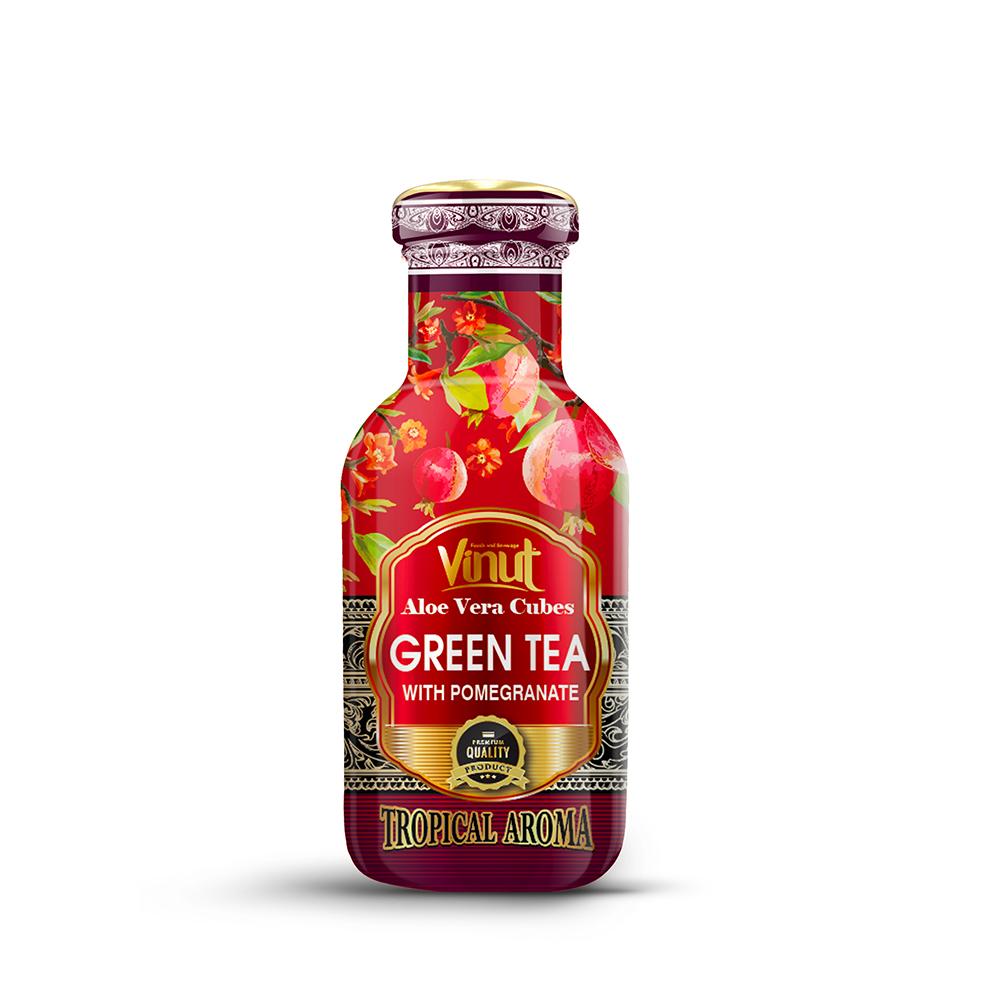
355ml VINUT Real Tropical Aloe vera Cubes with green tea & Pomegranate
355ml · bottle
View product
FAQ
Can I use canned or bottled aloe vera gel instead of fresh aloe vera leaf?
Yes — while fresh aloe vera gel is ideal for taste and quality, canned or bottled aloe vera gel works as a substitute. Choose a high-quality product without additives or preservatives.
Can I store kiwi and aloe vera juice for later consumption?
It's best enjoyed fresh, but you can store it in an airtight container in the refrigerator for up to two days. Shake well before drinking.
Are there any precautions for consuming kiwi and aloe vera juice?
Yes — be aware of potential allergies to kiwi or aloe vera, and note that aloe vera may interact with blood thinners or diabetes medication. Consult a healthcare provider if you have concerns or take regular medication.
Can I add other fruits or vegetables to this juice?
Absolutely — spinach, cucumber, pineapple, or mint leaves are popular additions that enhance flavor and nutrition.
Can I use frozen kiwi instead of fresh kiwi?
Yes, though fresh is preferable. Thaw frozen kiwi chunks before blending for a smoother consistency.
About this article

The VINUT editorial team publishes articles about beverage ingredients, product characteristics, and practical information for readers and international buyers.