

Buyer Briefing
5 min read · 927 words
Cashew fruit — the fleshy fruit the cashew nut grows from — is rich in vitamin C, antioxidants, and minerals like potassium and magnesium. Its top benefits include boosting immunity, supporting digestion, promoting skin health, and helping reduce inflammation.
- Cashew fruit is the fleshy fruit attached to the cashew nut — an often-overlooked source of nutrition in its own right.
- It contains notably high vitamin C, in some cases more per serving than oranges.
- Its fiber and water content support digestion and act as a natural, gentle laxative.
- Antioxidants and anti-inflammatory compounds in cashew fruit may support skin health and help ease chronic inflammation.
- Potassium, magnesium, and calcium round out its nutrient profile, supporting heart, muscle, and bone function.
Listen to the article summary
AI-generated voice · English · 2:29
Read transcript
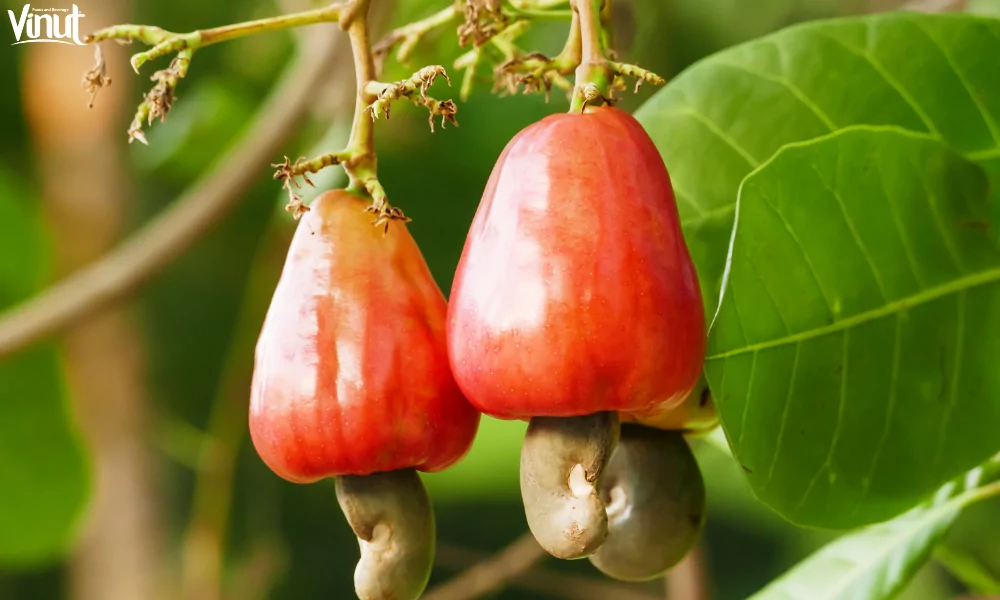
Often overshadowed by its popular nut, the cashew fruit, sometimes called the "cashew apple," is a vibrant, juicy fruit native to Brazil and now cultivated globally. This pear-shaped, red or yellow fruit is a nutritional powerhouse, distinct from the cashew nut which hangs from its bottom. While the nut is known for healthy fats and protein, the fruit is prized for its high vitamin C content, antioxidants, and minerals. Cashew fruit boasts a rich nutritional profile. It's particularly high in vitamin C, a crucial nutrient for immune function and skin health, even surpassing oranges in some instances. This vitamin acts as a powerful antioxidant, neutralizing harmful free radicals and bolstering the immune system against illnesses like colds and flu. Vitamin C also plays a vital role in collagen synthesis, promoting healthier skin and aiding wound healing, potentially improving skin texture and elasticity. Beyond vitamin C, cashew fruit is packed with diverse antioxidants, including flavonoids and phenolic compounds. These protect cells from oxidative damage caused by environmental stressors, potentially reducing the risk of chronic diseases. The fruit also provides essential minerals like potassium, vital for heart function and blood pressure regulation; magnesium, important for muscle function and energy production; and calcium, crucial for strong bones and nerve signaling. Among its top benefits, cashew fruit supports digestive health. Rich in dietary fiber and high in water content, it acts as a gentle, natural laxative, promoting regular bowel movements and alleviating constipation. For skin care, its antioxidant content helps combat free-radical damage linked to premature aging, and its anti-inflammatory properties may soothe minor skin irritations, rashes, or burns, with traditional medicine having long used its pulp and extracts topically. Finally, some phytochemicals in cashew fruit have shown anti-inflammatory properties in early research, suggesting it may help reduce inflammation in the body, which could be a helpful addition to the diet for managing conditions like arthritis, though it should not replace medical treatment. The article notes that if you're exploring nutrient-dense drinks, cashew fruit pairs well with the mindset behind VINUT's fruit juice range.
In the world of exotic fruits, few are as overlooked as the cashew fruit. Most people know the cashew nut — the roasted snack found in every grocery aisle — but few realize that nut actually grows from a vibrant, juicy fruit that's a nutritional powerhouse in its own right. Native to Brazil and now cultivated across tropical regions worldwide, cashew fruit is rich in vitamin C, antioxidants, and minerals that support everything from immunity to skin health.
In this guide, we'll break down cashew fruit's nutritional profile and its three most notable benefit categories: immune support, digestive health, and skin and anti-inflammatory care.
1. Cashew Fruit vs. Cashew Nut: What's the Difference?
It's easy to confuse the two, since only the nut is widely sold. The cashew fruit (sometimes called the "cashew apple") is the soft, pear-shaped, red or yellow fruit that grows on the cashew tree — the nut hangs from the bottom of it inside a hard shell. The fruit itself is juicy, slightly astringent, and tart-sweet, and it's typically eaten fresh, juiced, made into jams, or fermented into beverages in regions where cashew trees grow. Nutritionally, the fruit and the nut are quite different — the fruit is the one packed with vitamin C, while the nut is prized more for healthy fats and protein.
2. Nutritional Profile of Cashew Fruit
Cashew fruit is rich in vitamins, minerals, and antioxidants. It's particularly high in vitamin C — a nutrient essential for immune function, skin health, and overall vitality — and also provides valuable minerals like potassium, magnesium, and calcium.
Nutrient | Role |
|---|---|
Vitamin C | Immune support, collagen synthesis, antioxidant protection |
Potassium | Heart function, blood pressure regulation, fluid balance |
Magnesium | Muscle function, nerve transmission, energy production |
Calcium | Bone strength, blood clotting, nerve signaling |
Fiber | Digestive regularity |
Flavonoids & phenolic compounds | Antioxidant, anti-inflammatory support |
VINUT_Nutritional Profile of Cashew Fruit
2.1 Vitamin C: A Natural Immunity Booster
Vitamin C is widely recognized as a crucial nutrient for overall health. Notably, cashew fruit boasts a remarkably high vitamin C content, even surpassing oranges in some instances. This vitamin acts as a powerful antioxidant, neutralizing harmful free radicals within the body. Incorporating this fruit into your diet can bolster your immune system’s function, reducing the risk of illnesses such as colds, flu, and other infections. Additionally, vitamin C plays a vital role in collagen synthesis, promoting healthier skin and aiding in wound healing. Regular consumption of cashew fruit may contribute to improved skin texture and elasticity.
2.2 Antioxidants: Combatting Oxidative Stress
Beyond its impressive vitamin C content, cashew fruit is a powerhouse of diverse antioxidants. These compounds safeguard cells from oxidative damage triggered by environmental stressors like pollution and toxins. The flavonoids and phenolic compounds present in this fruit enhance its capacity to combat oxidative stress, potentially decreasing the risk of chronic diseases like heart disease and cancer. Regular consumption of cashews reinforces the body’s defense mechanisms against these conditions, fostering improved long-term health and a more vibrant, energetic lifestyle.
2.3 Essential Minerals: Supporting Vital Functions
Beyond its wealth of vitamins, it provides a range of vital minerals that contribute to various bodily functions. Potassium, for example, is essential for healthy heart function, blood pressure regulation, and maintaining proper fluid balance. Magnesium plays a key role in muscle function, nerve transmission, and energy production. Calcium, meanwhile, is crucial for strong bones and also participates in blood clotting and nerve signaling.
Therefore, incorporating cashew fruit into your diet offers a natural way to obtain these essential nutrients, simplifying the pursuit of a balanced and healthy lifestyle.
3. Top 3 Benefits of Cashew Fruit
3.1 Digestive Health: A Natural Laxative
Many individuals struggle with digestive problems, and cashew fruit can act as a gentle and natural laxative. Being rich in dietary fiber, it helps promote regular bowel movements and alleviate constipation. Fiber adds bulk to the stool, making it easier to pass through the digestive tract. Additionally, the high water content in the fruit ensures hydration, which is vital for proper digestion. Incorporating cashew fruit into your meals can be a great way to support digestive health while enjoying its delicious taste. Sources and related content

VINUT_Improves Digestion
3.2 Skin Care: An Age-Old Remedy
Cashew fruit's benefits extend to the skin as well. In traditional medicine, cashew fruit pulp and extracts have long been used in topical applications. Its antioxidant content helps combat free-radical damage linked to premature skin aging, and its anti-inflammatory properties may help soothe minor skin irritations, rashes, or burns. For those interested in natural skincare, cashew-fruit-derived products offer a plant-based option worth exploring — much like aloe vera is valued for its own skin-soothing properties.

VINUT_Skin Care: An Age-Old Remedy
3.3 Anti-Inflammatory Properties: Easing Discomfort
Chronic inflammation is linked to a wide range of health issues, and some phytochemicals found in cashew fruit have shown anti-inflammatory properties in early research. Consuming the fruit may help reduce inflammation in the body, which could be a helpful addition to the diet for people managing conditions like arthritis — though it shouldn't replace medical treatment. Including cashew fruit as part of a broader anti-inflammatory diet may support overall comfort and quality of life over time.

VINUT_ Anti-Inflammatory Properties: Easing Discomfort
4. Conclusion
Cashew fruit's benefits go far beyond its delicious taste. With an impressive nutritional profile, a long history of traditional medicinal use, and real versatility in the kitchen, it deserves a spot in any health-conscious diet. If you're already exploring nutrient-dense drinks, cashew fruit pairs well with the same mindset behind VINUT's fruit juice range — and if you're curious about other underrated fruits and vegetables, our guide to vegetable juice benefits is a good next read. Next time you come across this exotic fruit, remember: there's a lot more to it than the nut it's known for.
FAQ
What is cashew fruit and how is it different from cashew nuts?
Cashew fruit is the fleshy, apple-shaped part of the cashew tree, while the cashew nut grows from a hard shell attached to the bottom of that fruit. The fruit is juicy and tart-sweet, while the nut is what's commonly roasted and sold as a snack.
Can you eat cashew fruit raw?
Yes, cashew fruit can be eaten raw, though its slightly astringent taste means many people prefer it juiced, cooked into jams, or fermented into beverages.
Is cashew fruit good for digestion?
Yes — cashew fruit is rich in dietary fiber and water content, which can support regular bowel movements and act as a gentle, natural laxative.
Does cashew fruit help with skin health?
Cashew fruit's antioxidants and anti-inflammatory compounds may help combat free-radical damage and soothe minor skin irritations, and it's traditionally been used in topical skincare remedies.
How much vitamin C does cashew fruit contain?
Cashew fruit is notably high in vitamin C, with some varieties containing more per serving than oranges, making it a strong natural source of this antioxidant.
About this article

The VINUT editorial team publishes articles about beverage ingredients, product characteristics, and practical information for readers and international buyers.