
Buyer Briefing
7 min read · 1,410 words
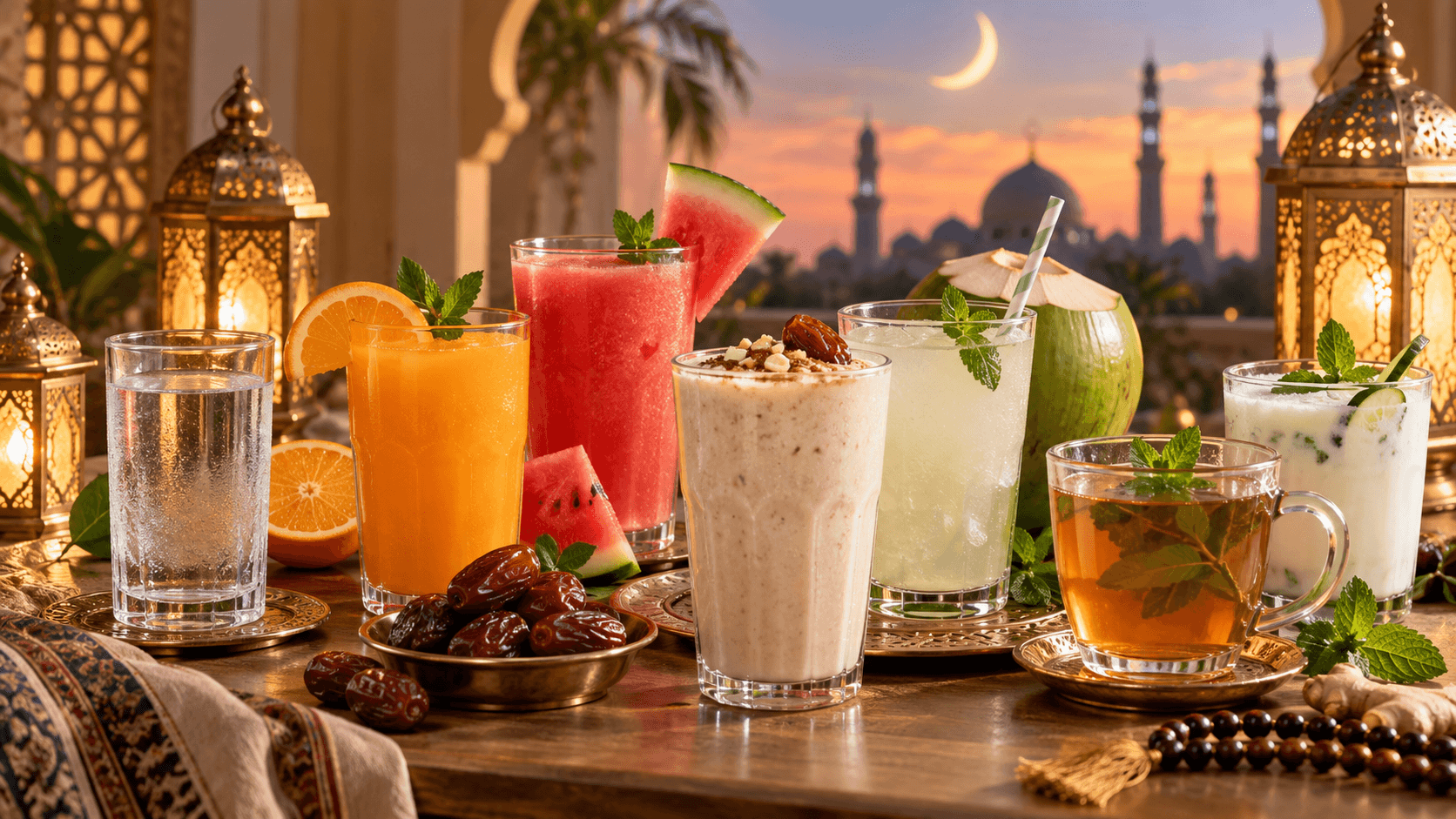
The best drinks for Ramadan include water, fresh fruit juice, coconut water, date milkshakes, herbal tea, and laban. Water should remain the primary source of hydration between Iftar and Suhoor, while other beverages can provide variety, flavor, and additional nutrients. Sugar, caffeine, serving size, and individual hydration needs should also be considered.
- Water should remain the primary hydration source.
- Spread fluid intake between Iftar and Suhoor.
- Fruit juice can provide flavor and fruit-derived nutrients.
- Coconut water naturally contains electrolytes such as potassium.
- Date milkshakes can be satisfying but may be calorie-dense.
- Herbal tea can provide a warm evening beverage.
- Laban can provide protein and calcium.
- Limit excessive amounts of highly sweetened beverages.
- Consider caffeine timing during Ramadan.
- Check serving size and nutrition labels on packaged drinks.
Listen to the article summary
AI-generated voice · English · 2:51
Read transcript
During Ramadan, drinks are crucial for restoring fluids and enhancing Iftar after a day of fasting. Hydration is vital, and fluids should be replaced gradually between Iftar and Suhoor, rather than consuming a large amount at once. Individual hydration needs vary based on factors like climate, activity, and diet. A practical routine includes regular water intake, water-rich foods, and mindful caffeine consumption. Water is the essential hydration choice, serving as the primary fluid source without adding sugar, calories, or caffeine. It should be consumed gradually throughout the evening and at Suhoor. Fresh fruit juice offers natural sweetness and nutrients, with popular options including orange, watermelon, and mango. However, it contains less fiber than whole fruit and can have concentrated natural sugars, so reasonable portions and checking for added sugars are important. Coconut water is another refreshing option, naturally containing electrolytes like potassium. When buying packaged coconut water, checking labels for sugar content is advised. After Iftar, nourishing drinks can contribute calories and nutrients. A date milkshake, combining dates with milk, provides carbohydrates, fiber, protein, and calcium. Dates are naturally sweet and calorie-dense, so additional sugar is often unnecessary. Herbal teas, such as peppermint or chamomile, offer a warm, caffeine-free option for winding down, though added sweeteners like honey contribute sugar. Laban, a traditional yogurt-based drink, can provide protein and calcium, and may contain live cultures. Its nutritional profile, including sugar, sodium, and fat, varies significantly between products, making label checks useful. At Iftar, water is a practical first choice to begin fluid replacement. Other beverages can then complement the meal. For Suhoor, water remains a priority. While coffee and caffeinated tea don't necessarily need to be eliminated, caffeine intake should be considered due to its potential impact on sleep. Beverages to limit include sugar-sweetened soft drinks, highly sweetened fruit drinks, very large juice servings, high-caffeine drinks, and energy drinks, especially close to bedtime. When choosing packaged drinks, it's important to check ingredient lists, review added sugar content, consider serving sizes, and be aware of caffeine levels. Ultimately, water should remain the main hydration source, with other drinks adding variety and flavor to the Ramadan experience.
Drinks for Ramadan play an important role in restoring fluids and making Iftar more enjoyable after a day of fasting. From simple water and refreshing fruit juices to coconut water, date milkshakes, herbal teas, and traditional laban, there are many flavorful options to enjoy between Iftar and Suhoor.
During Ramadan, choosing beverages is not only about satisfying thirst. Sugar content, caffeine, portion size, and overall hydration should also be considered. Water should remain the primary source of fluids, while other beverages can add variety, flavor, and useful nutrients.
In this article, VINUT explores six refreshing and nourishing drinks for Ramadan and offers practical tips for choosing beverages for Iftar and the evening hours.
I/ Why Is Hydration Important During Ramadan?
During Ramadan, those who fast abstain from food and drink between dawn and sunset. Once the fast is broken, replacing fluids gradually throughout the non-fasting period becomes important.
Rather than drinking a very large amount at once, fluids can be spread between Iftar and Suhoor.

Hydration needs vary according to factors such as climate, physical activity, diet, body size, and individual health needs.
A practical Ramadan beverage routine can include:
Drinking water regularly between Iftar and Suhoor
Including water-rich foods at meals
Limiting excessive amounts of very sugary drinks
Considering caffeine intake, particularly close to bedtime
Choosing a variety of beverages without allowing them to replace water entirely
II/ What Are the Best Drinks for Ramadan?
There is no single drink that everyone needs during Ramadan. A combination of water and other beverages can provide variety throughout the evening.
Here are six popular options to consider.
1. Water: The Essential Hydration Choice
Water is the simplest and most important beverage for hydration during Ramadan.
After breaking the fast, drinking water gradually helps replace fluids without adding sugar, calories, or caffeine.
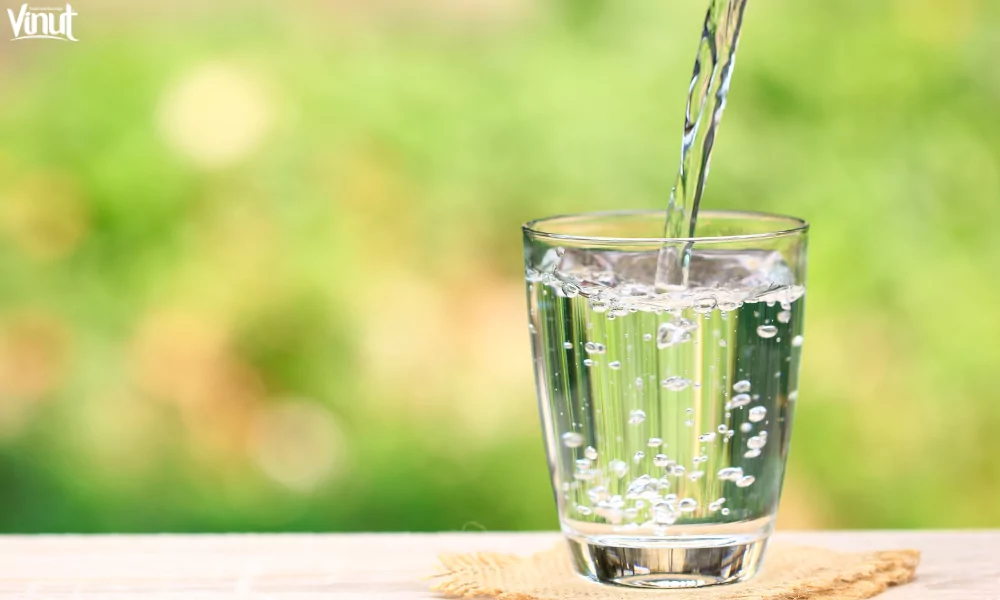
Instead of consuming a large quantity immediately at Iftar, consider drinking water regularly throughout the evening and again around Suhoor.
Temperature is largely a matter of preference. Cold, cool, or room-temperature water can all contribute to hydration.
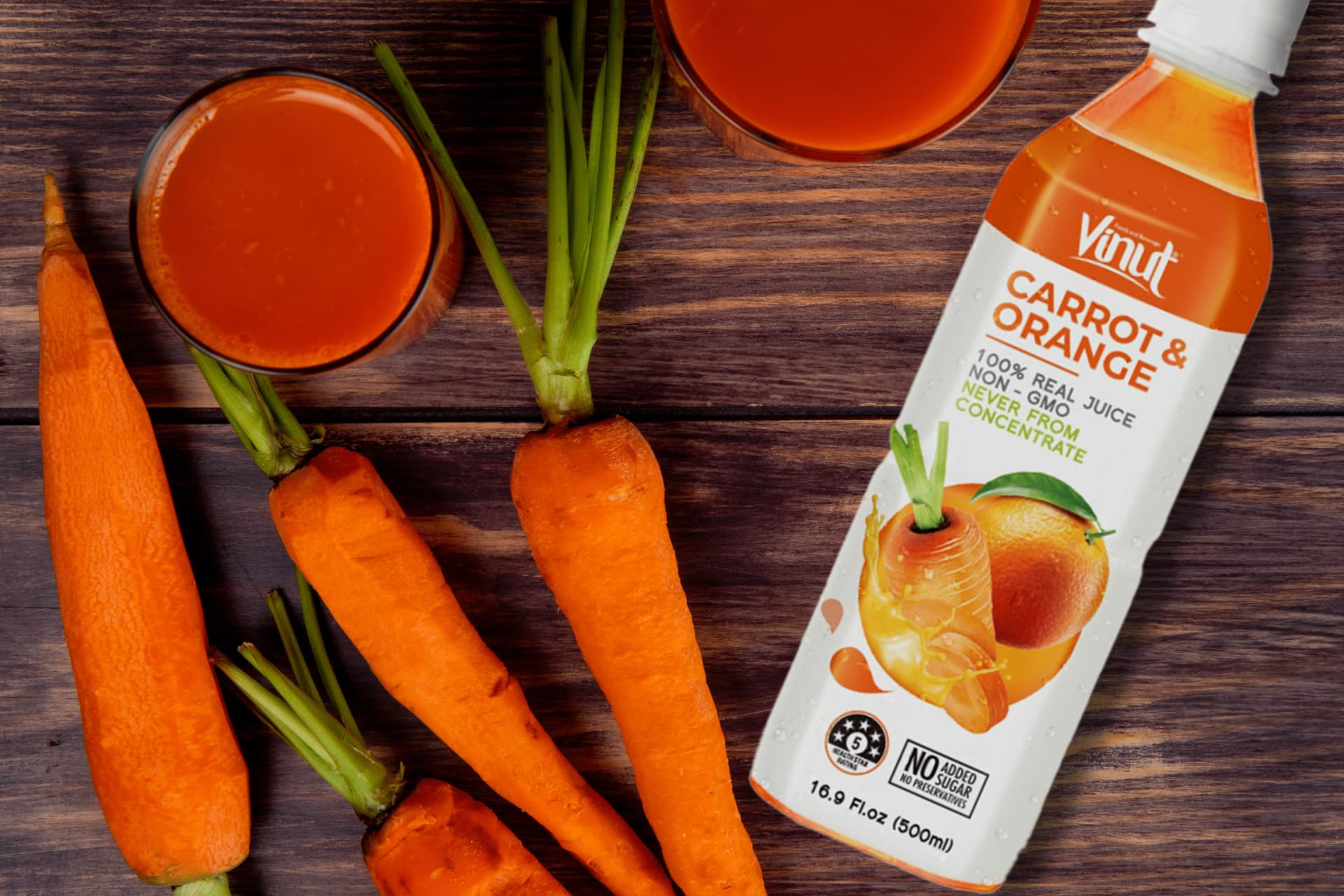
2. Fresh Fruit Juice: A Flavorful Iftar Option
Fresh fruit juice brings natural sweetness and tropical flavor to the Iftar table.
Popular choices include:
Orange juice
Watermelon juice
Pineapple juice
Mango juice
Pomegranate juice
Guava juice
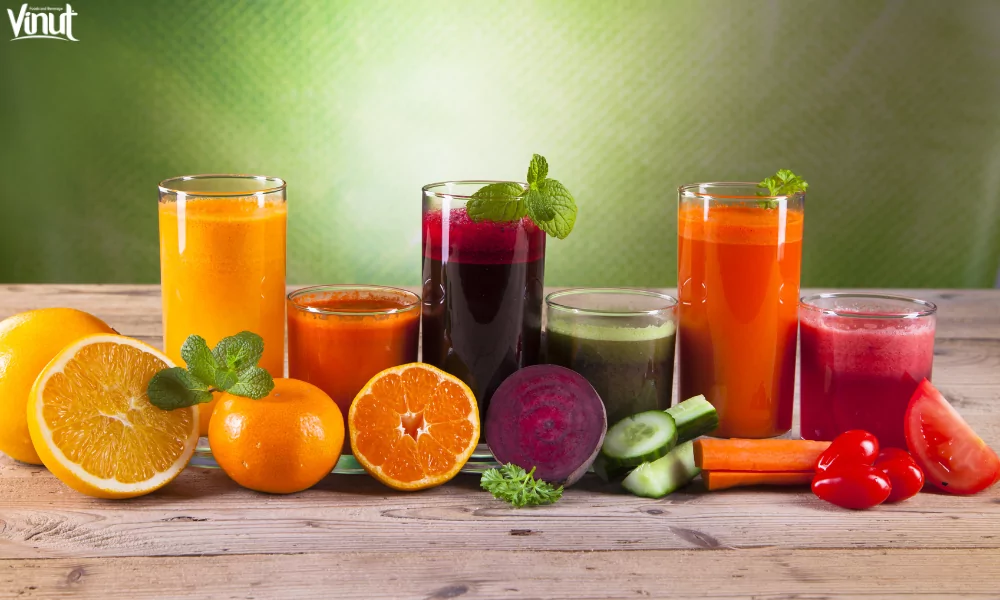
Fruit juices can provide fluids and fruit-derived nutrients. Their exact nutritional value depends on the fruit, processing method, serving size, and whether other ingredients are added.
However, juice generally contains substantially less fiber than whole fruit. It can also provide a concentrated amount of naturally occurring sugar.
For regular consumption, consider reasonable portions and look for products without unnecessary added sugars.
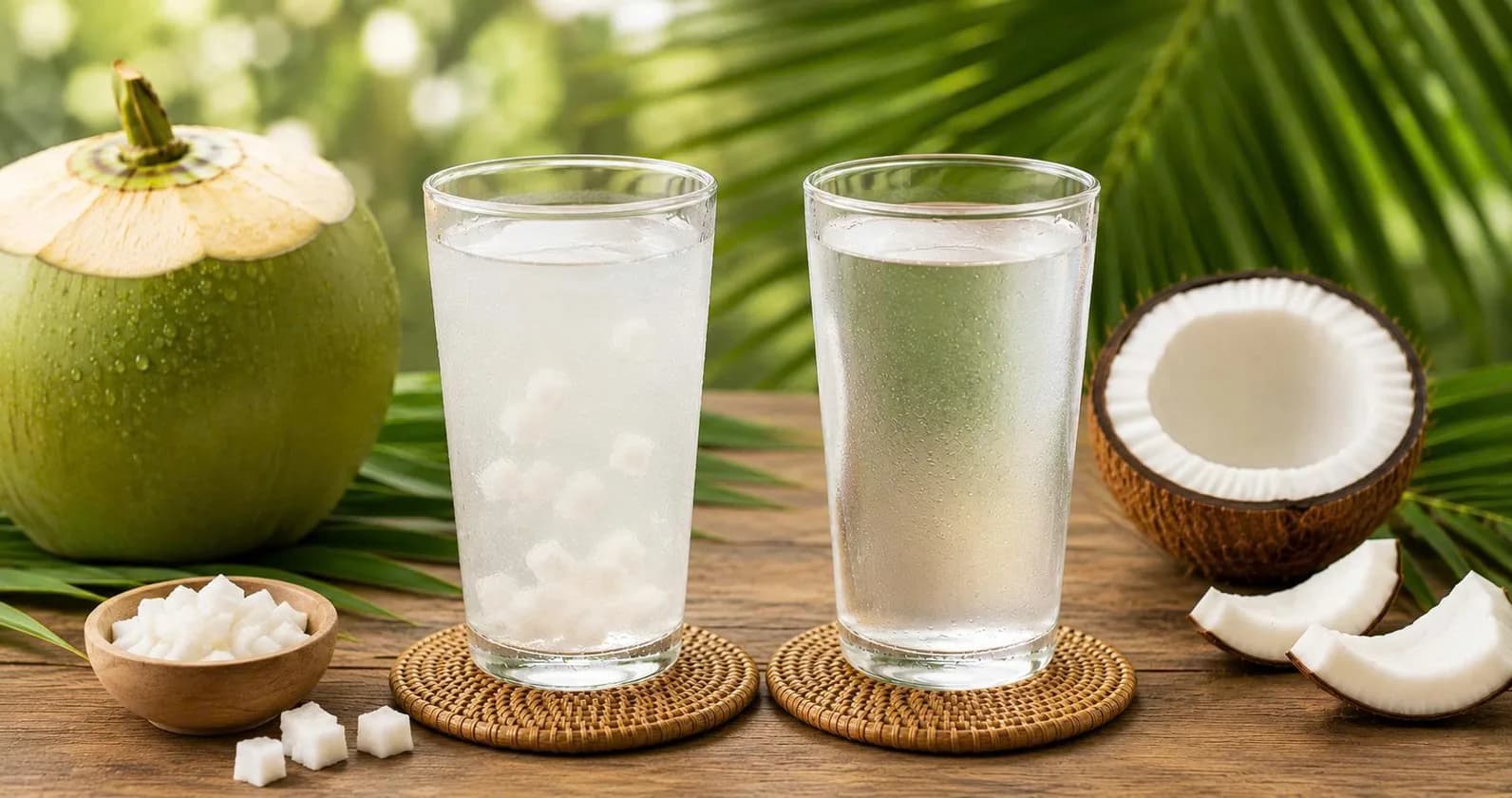
3. Coconut Water: A Refreshing Tropical Choice
Coconut water is another popular beverage that can be enjoyed after fasting.
It naturally contains several electrolytes, including potassium, along with smaller amounts of other minerals.
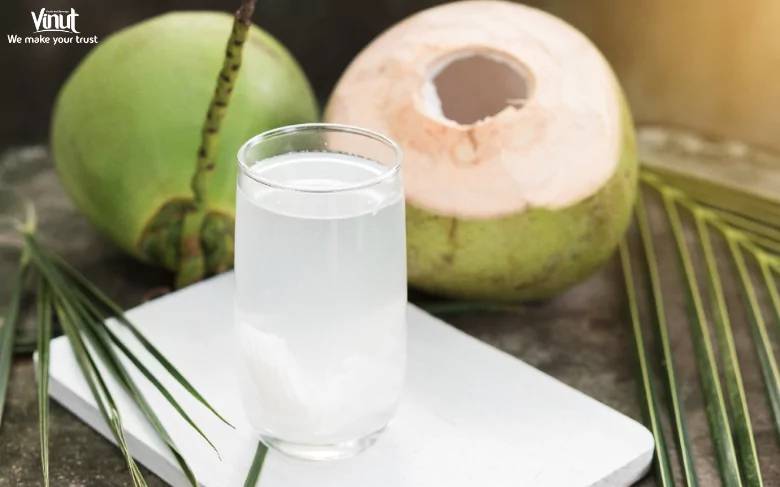
Its mild sweetness and tropical flavor make chilled coconut water an appealing addition to an Iftar meal.
However, coconut water does not need to replace plain water. For everyday hydration during Ramadan, water should remain the foundation.
When purchasing packaged coconut water, check the ingredient and nutrition labels because sugar content and formulations can differ between products.
III/ What Nourishing Drinks Can You Enjoy After Iftar?
Hydration is important, but Ramadan beverages can also contribute calories and nutrients as part of the evening meal.
Milk-based drinks and traditional beverages can be particularly satisfying.
4. Date Milkshake: A Rich and Satisfying Option
Dates hold an important place in Ramadan traditions and are commonly eaten when breaking the fast.
A date milkshake combines the natural sweetness of dates with the creamy texture of milk.

A simple version can be prepared with:
Dates
Milk or a suitable milk alternative
Ice
Cinnamon or vanilla, if desired
Dates naturally provide carbohydrates and some dietary fiber, while dairy milk can provide protein, calcium, and other nutrients.
Because dates are naturally sweet and calorie-dense, additional sugar may not be necessary.
A date milkshake can therefore work well as part of Iftar or as an evening beverage rather than as a replacement for water.
5. Herbal Tea: A Warm Evening Beverage
After Iftar, some people prefer a warm beverage.
Herbal infusions provide a caffeine-free option when prepared with naturally caffeine-free herbs.
Popular choices include:
Peppermint tea
Chamomile tea
Ginger tea

A warm herbal infusion can be an enjoyable way to wind down during the evening.
Honey, lemon, ginger, or other ingredients can be added according to personal preference. However, remember that honey contributes sugar, so large quantities are unnecessary.
Also check the ingredients of packaged herbal blends because some products may contain actual tea leaves or other sources of caffeine.
6. Laban: A Traditional Yogurt-Based Drink
Laban and similar yogurt-based beverages are widely enjoyed across parts of the Middle East.
Depending on the regional recipe, they can be prepared from yogurt or fermented milk and may have a refreshing, slightly tangy flavor.

Milk-based yogurt drinks can provide nutrients such as protein and calcium. Products containing live cultures may also contain microorganisms associated with fermented dairy foods.
However, nutritional profiles differ considerably between products.
Packaged varieties can vary in:
Sugar
Sodium
Fat
Protein
Serving size
Checking the nutrition label is therefore useful when selecting a yogurt drink for regular consumption.
IV/ What Should You Drink at Iftar?
When breaking the fast, simplicity can work well.
Water is a practical first choice because it begins replacing fluids without adding large amounts of sugar or calories.
Afterward, other beverages can be enjoyed as part of the meal.
A simple Iftar beverage routine might look like this:
Begin with water: Drink gradually rather than consuming a large amount immediately.
Break the fast with food: Dates are a traditional choice for many people.
Continue drinking water with the meal: Spread fluid intake over time.
Add another beverage if desired: Fruit juice, coconut water, laban, or another drink can complement the meal.
Continue hydrating throughout the evening: Do not rely entirely on what you drink during Iftar itself.
The goal is not to find one "perfect" Ramadan beverage but to maintain a practical hydration routine throughout the non-fasting hours.
V/ What Should You Drink at Suhoor?
Suhoor is another opportunity to consume fluids before the fasting period begins.
Water should again be a priority.
Depending on your meal and preferences, milk or other beverages can also be included.
What About Coffee and Tea?
People who regularly consume coffee or caffeinated tea do not necessarily need to eliminate them entirely.
However, caffeine intake should be considered alongside sleep and individual sensitivity.
Large amounts of caffeine may interfere with sleep or cause unwanted effects in sensitive individuals.
During Ramadan, this can be especially relevant because sleep schedules may already be different from usual.
VI/ Which Drinks Should You Limit During Ramadan?
Some beverages can still be enjoyed occasionally, but they may be less suitable as the main source of hydration.
Consider limiting excessive amounts of:
Sugar-sweetened soft drinks
Highly sweetened fruit drinks
Very large servings of juice
High-caffeine beverages
Energy drinks, particularly close to sleep
Drinks containing large amounts of added sugar
This does not mean every sweet beverage needs to be completely avoided.
Instead, consider frequency, serving size, and how the beverage fits into your overall eating pattern.
VII/ How Can You Choose Better Drinks for Ramadan?
When selecting packaged drinks, a few simple checks can make comparison easier.
1. Check the Ingredient List
Look at what the beverage actually contains rather than relying only on front-of-package claims.
2. Review Added Sugar
Fruit juice, milk, and other ingredients can naturally contain sugars.
Added sugars are separate, so check the label when reducing additional sugar intake is important.
3. Consider Serving Size
Nutrition information usually corresponds to a specific serving.
If a bottle contains multiple servings, drinking the entire package changes your total intake.
4. Check Caffeine
Coffee, tea, energy drinks, and some other beverages can contain caffeine.
Consider total intake and timing, particularly if caffeine affects your sleep.
5. Keep Water as Your Main Hydration Source
Other drinks can add flavor and variety, but plain water remains one of the simplest choices for replacing fluids.
VIII/ Quick Guide to the Best Drinks for Ramadan
Drink | Why People Choose It | What to Consider |
|---|---|---|
Water | Simple everyday hydration | Make it your primary fluid source |
Fresh fruit juice | Flavor and fruit-derived nutrients | Portion size and sugar |
Coconut water | Refreshing with naturally occurring electrolytes | Check added sugar |
Date milkshake | Rich, satisfying and naturally sweet | Calories and portion size |
Herbal tea | Warm evening beverage | Check caffeine and added sweeteners |
Laban | Tangy, dairy-based traditional drink | Sugar, sodium and fat vary |
Variety can make Iftar more enjoyable, but beverages should complement a balanced meal rather than replace it.
XI/ Conclusion
Choosing the right drinks for Ramadan can help make the hours between Iftar and Suhoor both refreshing and enjoyable.
Water should remain the foundation of hydration, while fruit juice, coconut water, date milkshakes, herbal infusions, and laban can provide variety in flavor, texture, and nutrition.
Rather than consuming large quantities at once, spread fluids throughout the evening. Pay attention to serving size, added sugar, caffeine, and the nutritional profile of packaged beverages.
Most importantly, Ramadan drinks are also part of the experience of gathering around the Iftar table. Choosing beverages that suit your needs and traditions can add another enjoyable element to sharing meals with family and loved ones during the holy month.
FAQ
What are the best drinks for Ramadan?
Water should be the main hydration choice, while fruit juice, coconut water, laban, herbal tea, and date-based drinks can add variety.
What should I drink first at Iftar?
Water is a practical first choice because it begins replacing fluids without adding sugar or caffeine.
Is coconut water good for Ramadan?
Coconut water can be a refreshing choice and naturally contains potassium and other electrolytes. Plain water should still remain an important source of fluids.
How can I stay hydrated during Ramadan?
Drink water regularly between Iftar and Suhoor rather than consuming a large amount at once. Water-rich foods can also contribute to overall fluid intake.
About this article

The VINUT editorial team publishes articles about beverage ingredients, product characteristics, and practical information for readers and international buyers.