

Buyer Briefing
4 min read · 806 words
For people managing diabetes, low-sugar vegetable juices — like tomato, cucumber, and bitter melon — are generally better choices than high-sugar fruit juices. Portion control, dilution with water, and pairing juice with meals can help minimize blood sugar spikes.
- Juice can be part of diabetes management, but requires caution and moderation.
- Pros of juice include nutrient boosts, hydration, antioxidants, and fiber (in some).
- Cons of juice include high sugar content, potential lack of fiber, and high calorie count, which can cause blood sugar spikes and weight gain.
- Best juice choices for diabetes are vegetable juices (spinach, kale, cucumber), tomato juice, bitter melon juice, and low-sugar fruit juices (cranberry, raspberry) diluted with water.
- Tips for incorporating juice include portion control, dilution, choosing low-sugar options, monitoring blood sugar, and consulting a healthcare provider.
Diabetes is a prevalent chronic condition that affects millions of people worldwide. It requires careful management of blood sugar levels, and one aspect of this management that often comes into question is diet. While it’s crucial to monitor what you eat when you have diabetes, you may wonder whether there are any juices that can be beneficial in managing this condition effectively. In this article, VINUT will explore the world of “juice for diabetes” and discover how it can play a role in your diabetes management plan.

Unlocking the Potential of Juice for Diabetes Management
1. Understanding Diabetes

VINUT_Understanding Diabetes
Before delving into the specifics of juices for diabetes, it’s essential to have a clear understanding of the condition itself. Diabetes is a metabolic disorder characterized by elevated blood sugar levels, primarily due to the body’s inability to produce enough insulin (Type 1 diabetes) or use it effectively (Type 2 diabetes). Managing diabetes involves a combination of medication, lifestyle changes, and dietary choices.
2. The Role of Diet in Diabetes Management
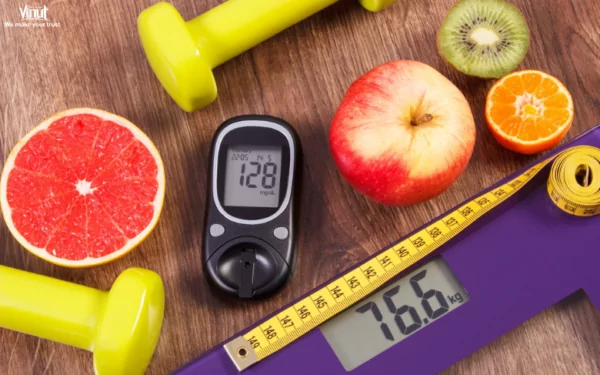
VINUT_The Role of Diet in Diabetes Management
Diet plays a pivotal role in managing diabetes. Monitoring carbohydrate intake, choosing foods with a low glycemic index, and controlling portion sizes are essential aspects of a diabetes-friendly diet, according to the American Diabetes Association.
3. What are The Pros and Cons of Juice for Diabetes?
3.1 The Pros
Nutrient Boost: Many fruit and vegetable juices are packed with essential vitamins and minerals. They can provide a nutrient boost that supports overall health, which is crucial for individuals with diabetes.
Hydration: Staying hydrated is essential for everyone, but it’s especially vital for individuals with diabetes. Certain juices can contribute to your daily fluid intake while adding flavor to your diet.
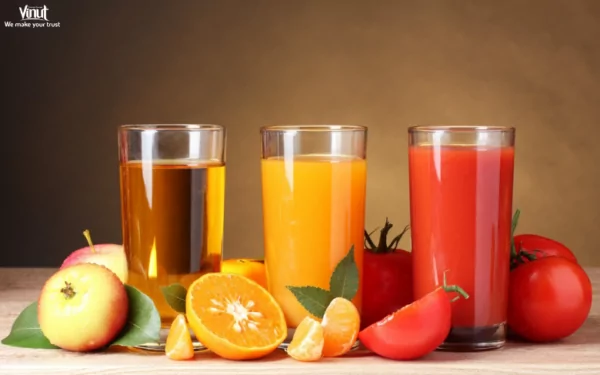
VINUT_Understanding the Basics of Juice for Diet
Antioxidants: Some juices, such as blueberry and pomegranate juice, are rich in antioxidants. These compounds can help protect your cells from damage and may have a positive impact on diabetes management.
Fiber: Some fruit juices contain dietary fiber, which can slow down the absorption of sugar and help stabilize blood sugar levels.
3.2 The Cons
Sugar Content: The most significant concern when it comes to juices and diabetes is their sugar content. Fruit juices, in particular, can be high in natural sugars, which can cause rapid spikes in blood sugar levels.
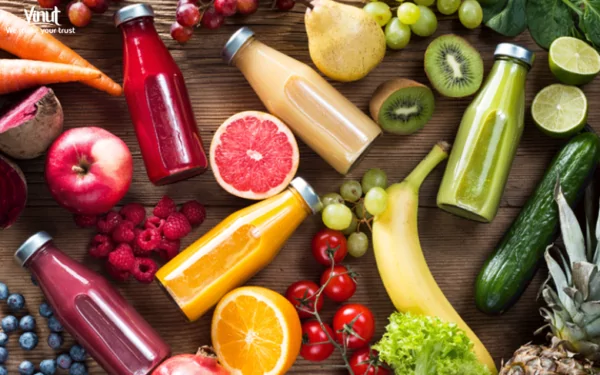
VINUT_Juice for Diabetes: The Cons
Lack of Fiber: While some juices contain fiber, many do not. Without fiber, the sugar in juice is absorbed quickly, leading to blood sugar spikes.
Calorie Count: Juices can be calorie-dense, which can lead to weight gain if consumed in excess. Managing your weight is an essential aspect of diabetes management.
4. Best Juices for Diabetes
4.1 Vegetable Juices
Vegetable juices, such as spinach, kale, and cucumber, are low in sugar and calories while being rich in essential nutrients, making them an excellent choice for managing blood sugar levels. VINUT offers a 100% Vegetable Juice formulated specifically for diabetes management, made with low-glycemic vegetables to support stable blood sugar levels.

VINUT_Vegetable Juice
4.2 Tomato Juice
Tomato juice is low in sugar and has been studied for potential benefits for individuals with diabetes due to its high lycopene content, a powerful antioxidant, according to research summarized by the NIH Office of Dietary Supplements.

VINUT_Tomato Juice
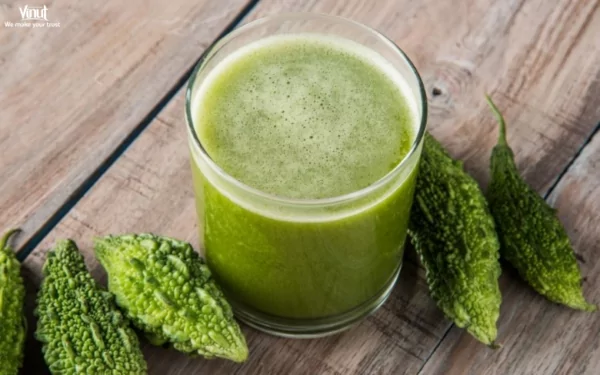
4.3 Bitter Melon Juice
Bitter melon has a long history of use in traditional medicine for diabetes management. Some studies, including research indexed on PubMed, suggest that bitter melon juice may help support healthy blood sugar levels, though it shouldn't replace prescribed diabetes treatment.
VINUT_Bitter Melon Juice
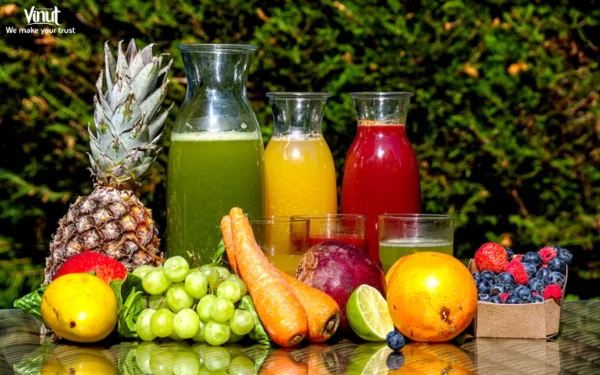
4.4 Low-Sugar Fruit Juices
If you want to include fruit juices, opt for those that are lower in sugar content, such as cranberry or raspberry juice. Be sure to dilute them with water to reduce their sugar concentration further.
VINUT_Low-Sugar Fruit Juices
5. Tips for Incorporating Juice into Your Diabetes Diet
Portion Control: Stick to small servings of juice to avoid excessive sugar intake.
Dilution: Consider diluting your juice with water to reduce its sugar content.
Choose Wisely: Select juices that are low in sugar and high in nutrients.
Monitor Your Blood Sugar: Keep a close eye on your blood sugar levels when incorporating juices into your diet to understand their impact on your body.
Consult Your Healthcare Provider: Before making significant changes to your diet, especially if you have diabetes, it’s crucial to consult with your healthcare provider or a registered dietitian.
6. Summary
Incorporating juice into a diabetes management plan can work, but it should be done with caution and in moderation. While some juices offer potential benefits such as hydration, nutrients, and antioxidants, their sugar content can lead to blood sugar spikes if consumed carelessly. Choosing low-sugar, vegetable-forward options, practicing portion control, and working closely with a healthcare team are the keys to making juice part of a diabetes-friendly diet.
Looking for a low-glycemic vegetable juice option? Explore VINUT's Vegetable Juice for Diabetes or request a free catalog to learn about our export-ready beverage solutions.
Related reading: ABC Juice Benefits: Apple, Beetroot & Carrot Juice · Cherry Benefits for Heart, Brain, and Sleep
FAQ
Can diabetics drink fruit juice safely?
Yes, in small, controlled portions, ideally diluted with water and paired with a meal to slow sugar absorption and reduce blood sugar spikes.
What is the best juice for lowering blood sugar?
Low-sugar vegetable juices like tomato, cucumber, and bitter melon are generally better choices than high-sugar fruit juices for blood sugar management.
Should diabetics dilute juice with water?
Yes, diluting juice reduces its sugar concentration per serving, which can help minimize blood sugar spikes.
Is vegetable juice better than fruit juice for diabetes?
Generally yes — vegetable juices tend to be lower in natural sugar and calories compared to most fruit juices.
How much juice can a diabetic drink per day?
There's no universal amount; portion size should be discussed with a healthcare provider or dietitian based on individual blood sugar goals.
About this article

The VINUT editorial team publishes articles about beverage ingredients, product characteristics, and practical information for readers and international buyers.