


Buyer Briefing
6 min read · 1,274 words
Cherries are nutrient-dense fruits rich in antioxidants (especially anthocyanins), vitamin C, potassium, and fiber. Research suggests they may support heart health, cognitive function, and sleep quality — particularly tart cherries, which contain natural melatonin.
- Cherries are rich in essential nutrients like vitamin C, potassium, and fiber, and are a powerhouse of antioxidants, especially anthocyanins.
- Anthocyanins in cherries contribute to anti-inflammatory properties and may help lower blood pressure, improve blood flow, and reduce the risk of cardiovascular diseases.
- The fiber content in cherries supports digestive health, regulates blood sugar levels, and promotes satiety.
- Cherries may enhance cognitive function and memory, particularly in older adults, and offer protection against neurodegenerative conditions.
- Cherries contain melatonin, which can help improve sleep quality by increasing melatonin levels and reducing the time it takes to fall asleep.
- Cherry varieties are diverse, including sweet types like Bing and Rainier, tart types such as Montmorency and Morello, and hybrid varieties like Sweetheart and Chelan.
Cherries, those luscious, jewel-toned fruits, have graced our tables and captivated our senses for centuries. More than just a delightful treat, cherries offer a treasure trove of health benefits, making them a standout star in the realm of nutritious foods. A single cup of sweet cherries packs a powerful punch, delivering a generous dose of vitamin C, potassium, and fiber. But the benefits don’t stop there. Cherries are also rich in antioxidants, particularly anthocyanins, which lend them their vibrant color and contribute to their potent health-promoting properties. This article delves into the sweet science of cherries, exploring their nutritional benefits, health advantages, and diverse varieties.
1. The Sweet Science of Cherries: A Look at Their Nutritional Benefits
Cherries are not only delicious but also incredibly nutritious. They are low in calories yet high in essential nutrients that can support overall health. Understanding the nutritional profile of this fruit can help us appreciate its role in a balanced diet.
1.1 Nutrition Facts (per 1 cup / ~154g, sweet cherries)
Nutrient | Amount |
|---|---|
Calories | ~97 kcal |
Fiber | ~3 g |
Vitamin C | ~10% of Daily Value |
Potassium | ~10% of Daily Value |
Sugar (naturally occurring) | ~19 g |
Source: USDA FoodData Central
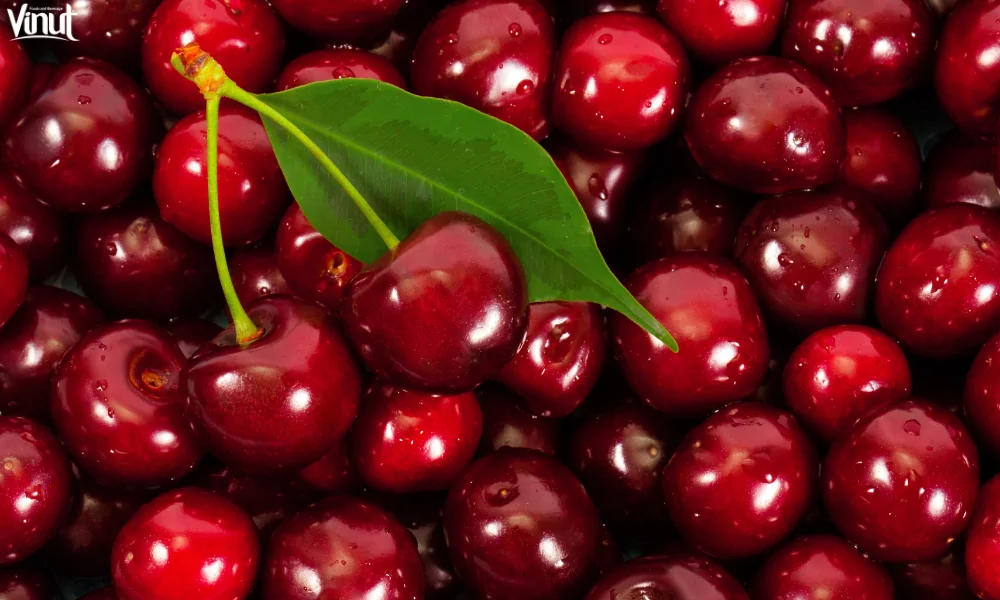
VINUT_The Sweet Science of Cherries: A Look at Their Nutritional Benefits
1.2 Antioxidant Powerhouse
Antioxidants are compounds that combat free radicals—unstable molecules that can damage cells and contribute to disease. They boast a high concentration of antioxidants, including anthocyanins, which are responsible for their vibrant color and numerous health benefits.
Anthocyanins are known for their anti-inflammatory properties, which may help protect against chronic conditions such as heart disease and cancer. Research has shown that these antioxidants can lower blood pressure, improve blood flow, and reduce the risk of cardiovascular diseases. By incorporating these fruits into your diet, you can harness the power of these potent compounds to promote heart health.
1.3 Fiber Content
They are a good source of dietary fiber, which plays a crucial role in digestive health. Fiber aids digestion by promoting regular bowel movements and preventing constipation. Additionally, it helps regulate blood sugar levels, making cherries an excellent choice for those looking to manage their weight or control diabetes.
The fiber content also promotes satiety, helping you feel full longer. This can be particularly beneficial for those trying to maintain a healthy weight or reduce calorie intake. Including this fruit in your meals or snacks can provide a satisfying and nutritious option.
1.4 Essential Vitamins and Minerals
In addition to antioxidants and fiber, they are rich in essential vitamins and minerals. One of the most notable is vitamin C, a powerful antioxidant that supports immune function, collagen production, and skin health. A single cup of cherries provides a significant portion of your daily vitamin C needs, making them an excellent addition to your diet.
These tiny fruits are also a valuable source of potassium, an essential mineral that plays a vital role in maintaining blood pressure, muscle function, and nerve transmission. Adequate potassium intake is crucial for overall health, and it can help you meet your daily requirements.
2. Cherries and Health: What the Research Says ?
Beyond their nutrient profile, cherries have drawn scientific interest for their potential effects on heart health, brain function, and sleep quality. It's worth noting that most of this research is preliminary or based on tart cherry extracts/juice rather than fresh cherries alone, so cherries should be seen as a supportive part of a healthy lifestyle — not a treatment for any condition.
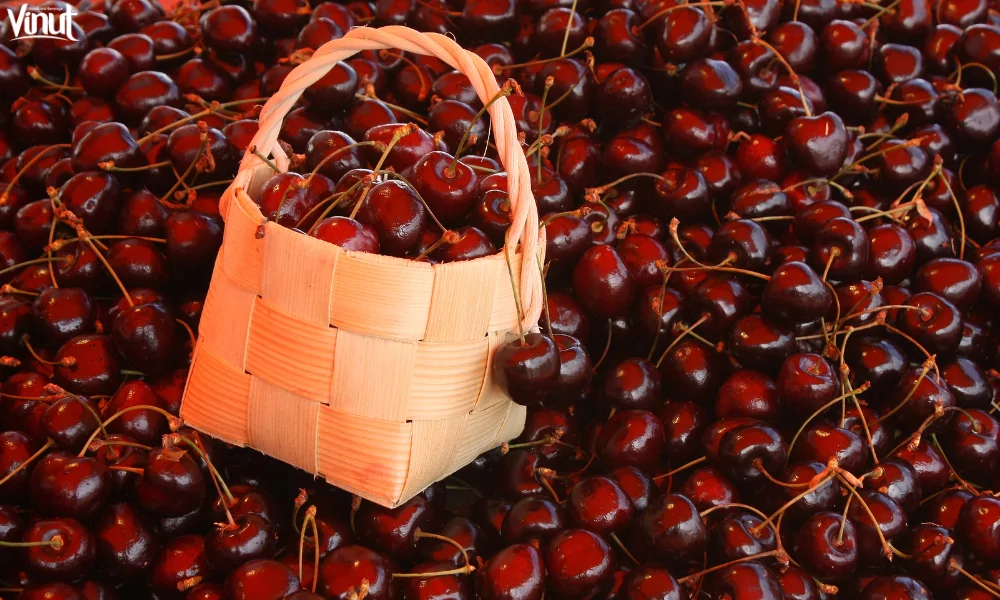
VINUT_Cherries and Health: Exploring the Potential Benefits for Heart, Brain, and Sleep
2.1 Heart Health
The rich antioxidant content of this fruit, particularly anthocyanins, has fueled research into their potential benefits for cardiovascular health. Studies suggest that anthocyanins may help lower blood pressure, improve blood flow, and reduce cholesterol levels.
By promoting blood vessel dilation, cherries may help lower blood pressure, reducing the risk of heart disease. Additionally, anthocyanins may enhance blood flow by inhibiting platelet aggregation, which is the clumping of blood cells. This can further contribute to cardiovascular health, making cherries a heart-friendly fruit.
2.2 Brain Function
Cherries, with their bounty of antioxidants, have also been linked to improved cognitive function and brain health. Research indicates that anthocyanins can enhance memory performance, particularly in older adults. This is particularly important as age-related cognitive decline becomes a concern for many individuals.
The anti-inflammatory and antioxidant properties of this fruit may offer protection against neurodegenerative conditions such as Alzheimer’s disease and Parkinson’s disease. By incorporating cherries into your diet, you may support brain health and cognitive function as you age.
2.3 Sleep Quality
One of the more well-studied benefits involves tart cherries and sleep. Tart cherries naturally contain melatonin, a hormone that helps regulate sleep-wake cycles. A small body of research, including studies published via the National Institutes of Health, suggests that drinking tart cherry juice before bedtime may modestly increase melatonin levels and reduce the time it takes to fall asleep. Results vary between individuals, and it works best as one part of good overall sleep habits.
3. A Guide to Cherry Varieties
The world of this fruit is as diverse as it is delicious, boasting a spectrum of flavors, textures, and sizes. From the intensely sweet to the refreshingly tart, each variety offers a unique culinary experience.
3.1 Sweet Cherries
Sweet ones are characterized by their rich flavor and juicy texture. Some of the most popular varieties include:
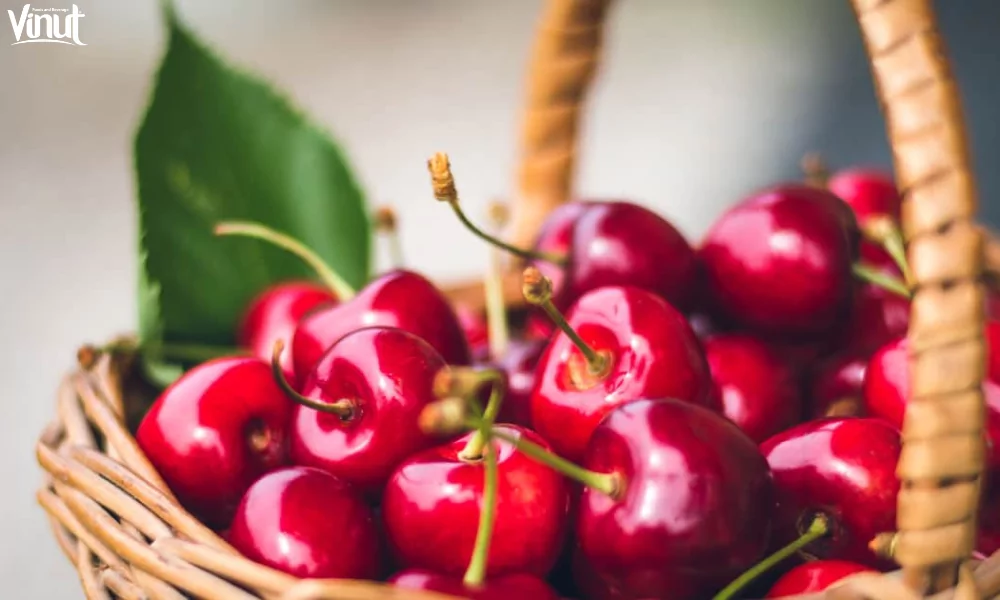
VINUT_Sweet Cherries
Bing: The quintessential sweet cherry, Bing boasts a deep red hue, firm flesh, and a wonderfully balanced sweetness. These are perfect for snacking, baking, or adding to salads.
Lambert: Similar to Bing in flavor, Lambert ones have a lighter red color and a slightly softer texture. They are often used in desserts and preserves.
Rainier: A highly prized cherry, Rainier features a distinctive yellow flesh with streaks of red, offering a sweet and slightly tangy flavor. These fruits are often enjoyed fresh due to their delicate taste.
Stella: Stella ones are known for their large size and intense sweetness, making them a favorite for both eating fresh and for baking. Their robust flavor shines in pies and tarts.
3.2 Tart Cherries
Tart cherries are known for their bold flavor and vibrant color. Some popular tart cherry varieties include:
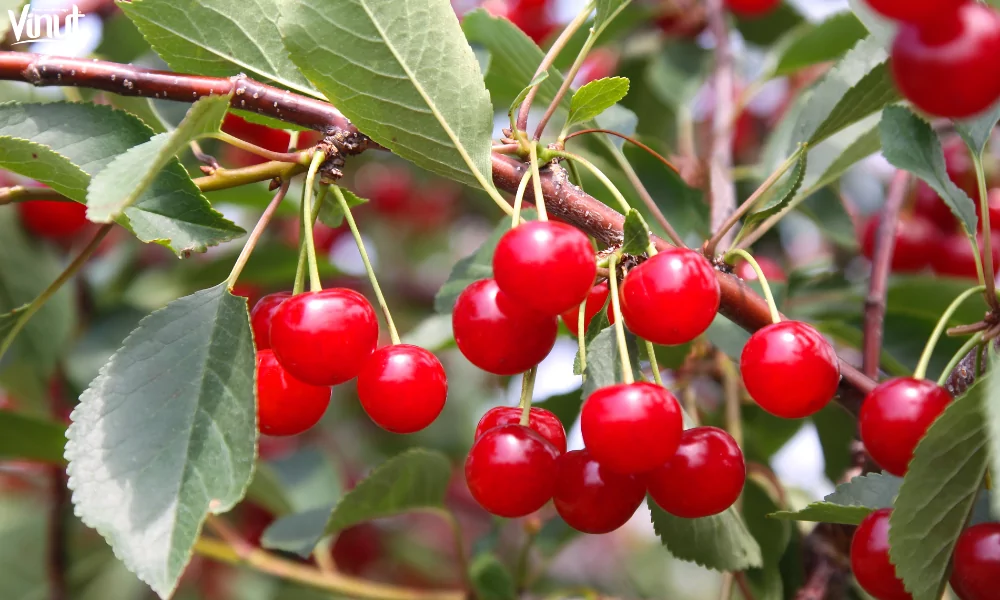
VINUT_Tart Cherries
Montmorency: A classic tart cherry, Montmorency is prized for its bright red color, juicy flesh, and robust tartness. These are often used in pies, jams, and juices.
Morello: Similar to Montmorency, Morello cherries have a deep, almost black-red color and a tart, slightly bitter flavor. They are commonly used in cooking and baking.
Balaton: Balaton cherries, originating from Hungary, are known for their juicy flesh, tart flavor, and distinctive elongated shape. They are often used in desserts and preserves.
3.3 Hybrid Varieties
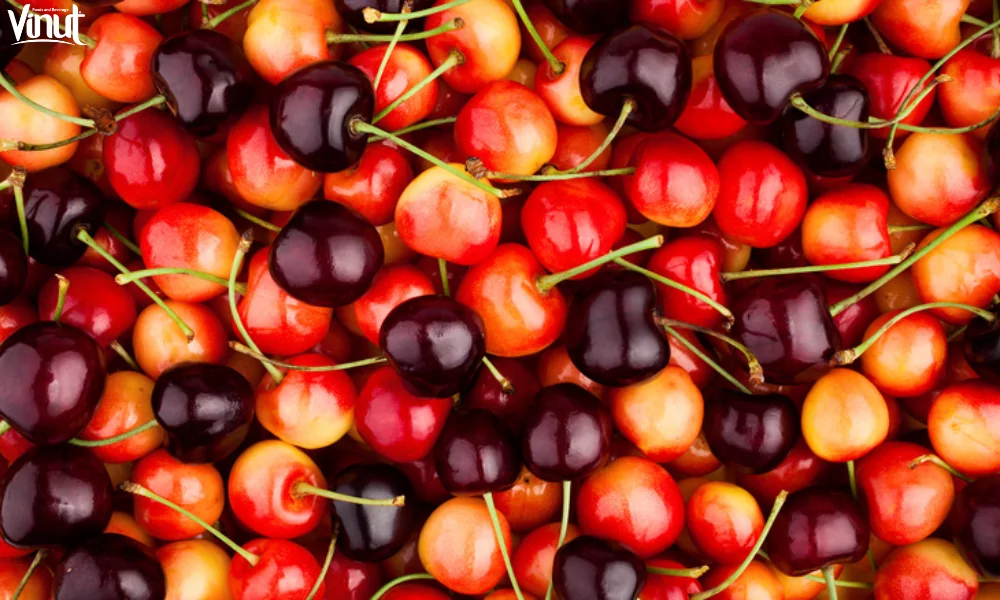
Hybrid cherry varieties combine the best traits of sweet and tart cherries, offering a balanced flavor profile. Some notable hybrids include:
VINUT_Hybrid Varieties
Sweetheart: A hybrid variety combining the best of sweet and tart, Sweetheart cherries offer a balanced flavor profile with a hint of tartness. They are great for snacking and baking.
Chelan: Chelan cherries are a popular hybrid, boasting a large size, sweetness, and a slightly spicy flavor. They are often enjoyed fresh or used in desserts.
Brooks: Brooks cherries are a late-season variety known for their dark red color, firm texture, and sweet, slightly tart flavor. They are versatile and can be used in various culinary applications.
4. Conclusion
From their impressive nutrient profile to their potential — though still emerging — benefits for heart, brain, and sleep health, cherries are a fruit worth adding to a balanced diet. Whether you prefer sweet cherries fresh off the stem or tart cherry juice as an evening ritual, this small fruit offers a lot in every bite.
Looking to source cherry or other fruit juices for your beverage brand? Explore VINUT's product catalog or request a free catalog to learn about our export-ready juice solutions.
Related reading: Dragon Fruit Benefits, Types & Nutrition Facts · Aloe Vera Benefits for Skin, Hair & Health
FAQ
Does tart cherry juice really help you sleep?
Tart cherries contain natural melatonin, and some studies suggest drinking tart cherry juice before bed may modestly improve sleep duration and quality, though more research is needed to confirm the effect size.
What's the difference between sweet and tart cherries?
Sweet cherries (like Bing or Rainier) are typically eaten fresh and have a mild, sugary flavor, while tart cherries (like Montmorency) are more acidic and commonly used in juice, jams, or baking.
How many cherries should you eat per day?
About 1 cup (roughly 20–25 cherries) is a reasonable serving that provides meaningful antioxidants and vitamin C without excessive sugar intake.
Can cherries help with arthritis or gout?
Some research suggests tart cherries may help reduce inflammation and uric acid levels, which are linked to gout flare-ups, but they shouldn't replace medical treatment.
Are cherries good for brain health?
Cherries' antioxidants, particularly anthocyanins, have been studied for their potential to support memory and reduce inflammation linked to cognitive aging, but this isn't a substitute for medical care or a proven treatment for any brain condition.
About this article

The VINUT editorial team publishes articles about beverage ingredients, product characteristics, and practical information for readers and international buyers.