Buyer Briefing
11 min read · 2,269 words
Bubble tea (boba tea) is a Taiwanese beverage invented in the 1980s, made from tea, milk or fruit flavoring, and chewy tapioca pearls (boba). It has since become a global cultural phenomenon with countless regional variations, though it can be high in sugar depending on preparation.
- Bubble tea, also known as boba tea, originated in Taiwan in the 1980s and is a popular beverage worldwide.
- It consists of tea, flavorings like milk and fruit, and chewy tapioca pearls (boba).
- The appeal of bubble tea comes from its sweet, indulgent taste, interesting texture, and extensive customization options.
- Bubble tea has spread globally, becoming a cultural phenomenon popular among young people and a staple in many cafes.
- Key components include various tea bases (black, green, oolong), tapioca pearls made from cassava starch, and diverse fruit or milk flavorings.
- While offering some health benefits from tea and milk, bubble tea can be high in sugar, which is a primary health concern.
Bubble tea, also known as boba tea, is a popular beverage that originated in Taiwan in the 1980s. It consists of tea, flavors of milk and fruit, and chewy tapioca balls, also known as bubbles or boba. It's now a cultural phenomenon enjoyed all over the world.
1. Introduction to Bubble Tea
What Is Bubble Tea?
1.1 The Appeal of Bubble Tea
Bubble tea is a sweet, indulgent drink that provides an interesting and fun texture from the tapioca pearls at the bottom. The combination of flavors like milk tea and fruit creates a sweet yet comforting beverage. The myriad flavors and variety allow for customization, and tea lovers enjoy being able to design their perfect cup of bubble tea. It’s also aesthetically appealing, as the bubbles settle at the bottom of cup or bottle in colorful layers.
1.2 Cultural Impact
While originating in Asia, bubble tea has spread to many other areas of the world like Europe and the Americas. It’s popular among young people and a staple offering in many cafes. Part of bubble tea’s appeal is cultural influence and the ability to share and enjoy a type of cuisine popular in another part of the world. The chewy tapioca bubbles add an element of intrigue and surprise for first-time bubble tea drinkers.
2. What Exactly Is Bubble Tea?
2.1 Definition
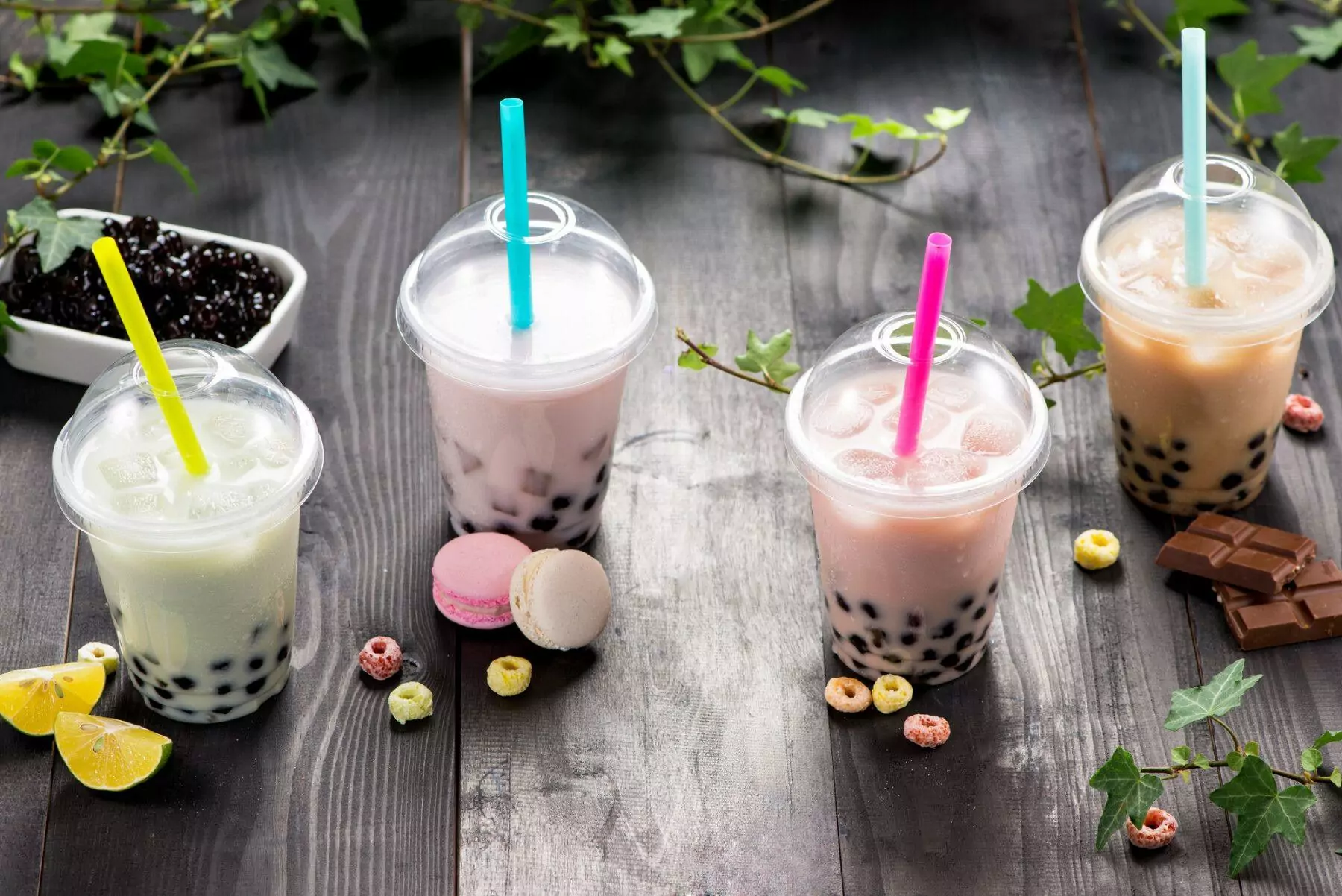
Bubble tea is a catchall term for a chilled tea drink that includes additional flavorings like fruit and milk as well as an additional textural component – tapioca pearls. It’s called “bubble” tea because it includes these small, chewy spheres that settle at the bottom of the cup. They resemble bubbles, giving the beverage its nickname. The tapioca pearls, also called boba, are made from tapioca starch which is extracted from cassava root. These starchy pearls are traditionally black or a dark brown color, but colored pearls are also popular.
2.2 Components of Bubble Tea
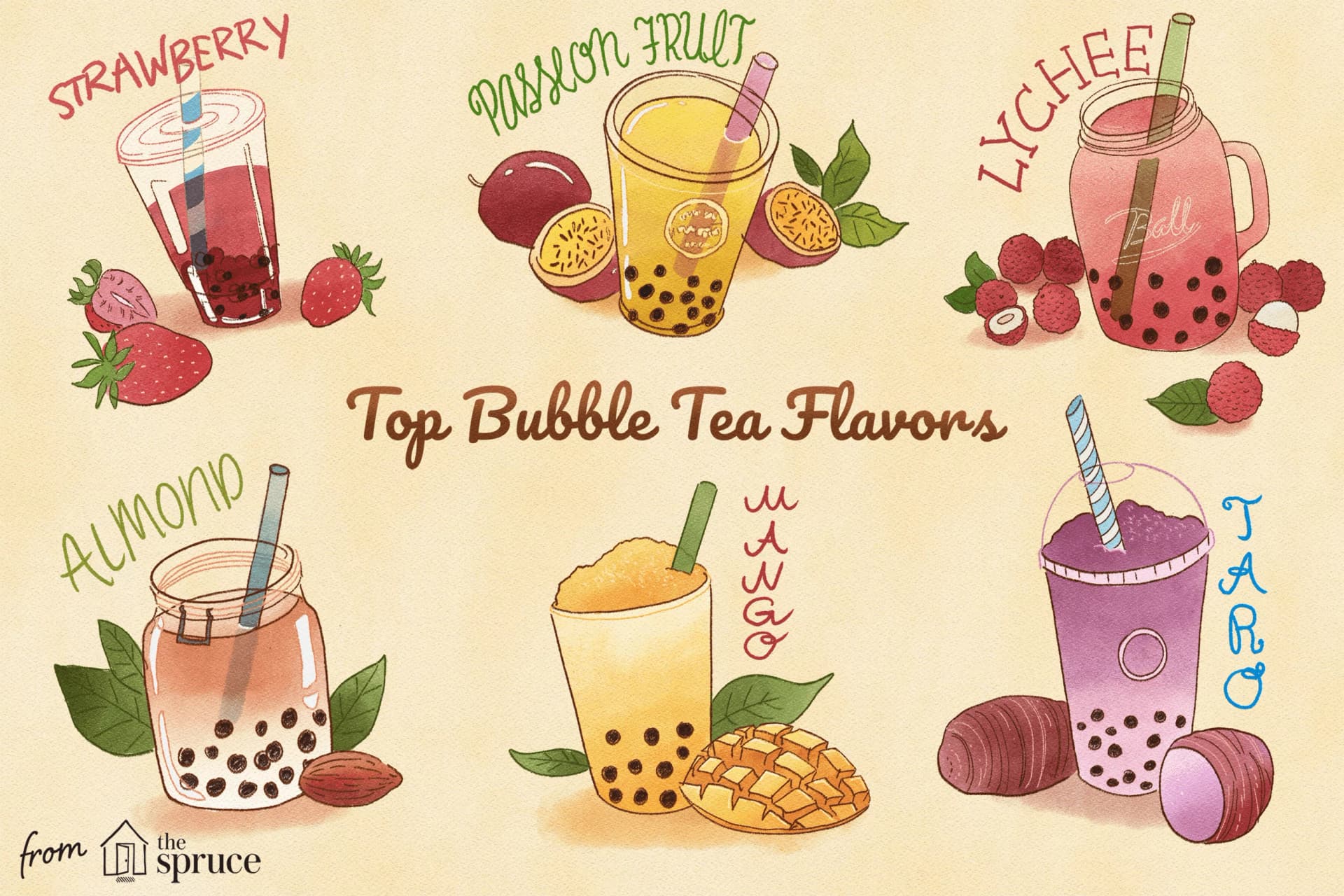
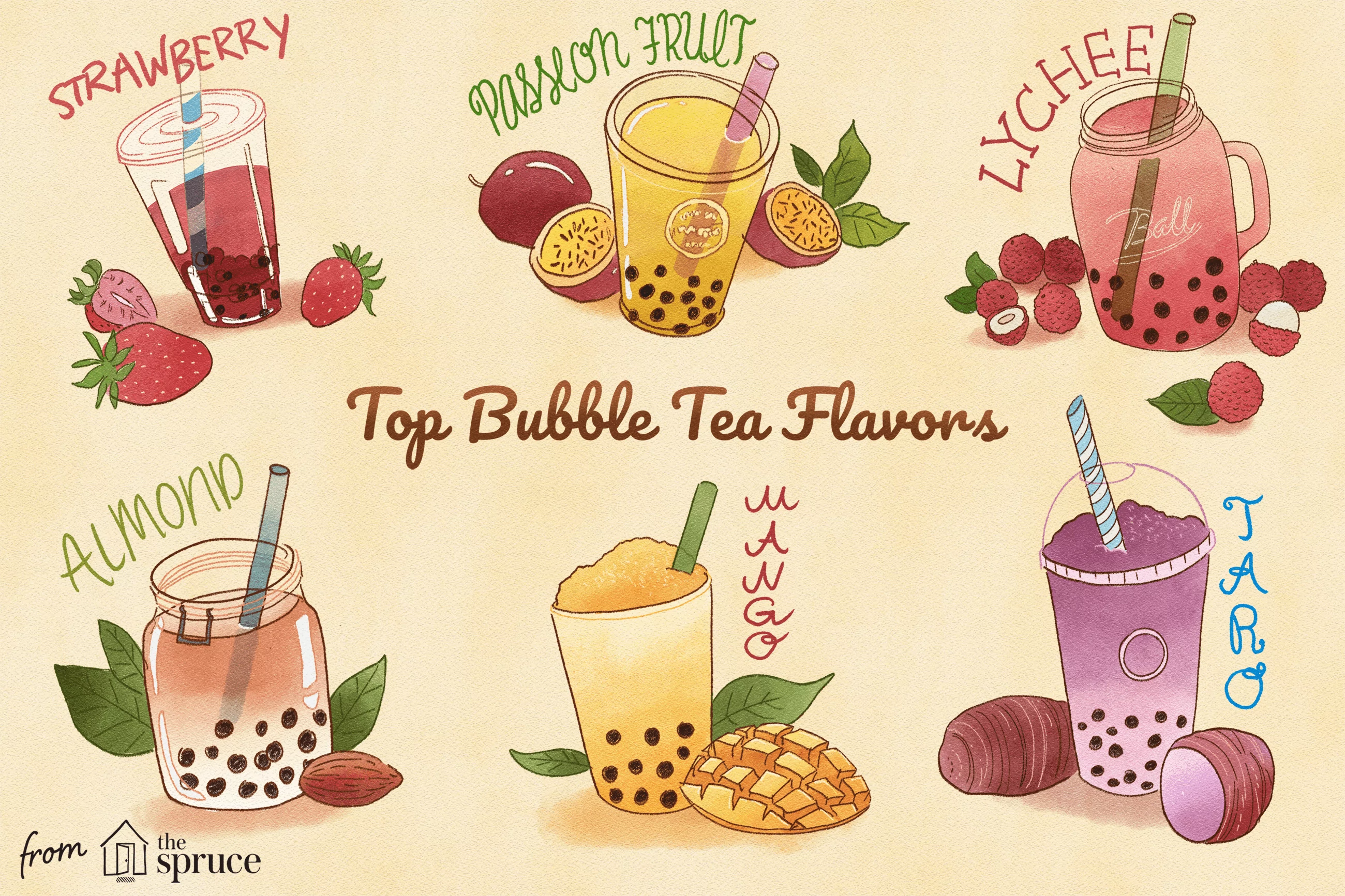
The basic components of a bubble tea beverage are tea, flavoring, milk or non-dairy creamer, a sweetener like sugar or honey, toppings, and tapioca pearls or bubbles. Popular teas used include jasmine tea, milk tea, oolong tea, green tea and black tea. Tea bases also sometimes combine tea with fruit flavor or juice. Common flavor additions include fruit flavors like mango, strawberry, passionfruit, lychee, and pineapple. Popular milk and cream additions include whole milk, non-dairy creamer, evaporated milk, coconut milk, and almond milk. Honey, brown sugar, and simple syrup are used to sweeten bubble tea beverages. Toppings vary widely and can include fruit jellies, grass jelly, pudding, egg pudding, coconut jelly and aloe vera.
2.3 How it’s Prepared
Preparing bubble tea is a layered process with cups typically filled a third of the way with flavor, then tea or milk base, and finally ice and tapioca pearls. The tapioca pearls are boiled or cooked via another method before going into finished drinks. It’s critical they’re prepared for the right amount of time and temperature so they have the right chewy, bouncy texture. Skilled bubble tea preparers need to perfect the texture of these starchy additions in order for the drink to have the right mouthfeel and appeal.
3. The Origins of Bubble Tea
3.1 Invention in Taiwan
Bubble tea originated in Taiwan in the 1980s, though there are conflicting stories about who exactly invented it first. Most accounts name a product development manager named Lin Hsiu Hui, who worked at Chun Shui Tang teahouse in Taichung, Taiwan. She purportedly created the first bubble tea drink by dumping tapioca balls from her fen yuan dessert into her Assam iced black tea. The manager brought her unique creation to her teahouse, and it quickly took off in popularity. Another simultaneous account credits Hanlin Tea Room entrepreneur Tu Tsong-he with inventing bubble tea after seeing creamy Japanese coffee and wanting to reproduce it with tea instead.
3.2 Popularization in the East and Spread Worldwide
Regardless of its exact origin, bubble tea became enormously popular in Taiwan and across Asia by the late 1990s. Consumers loved the unique, indulgent spin on traditional milk tea drinks. By 2000, nearly every city in Taiwan boasted hundreds of bubble tea shops. Neighboring countries with strong tea cultures like China, Hong Kong, Malaysia and Singapore also quickly embraced bubble tea. By the mid 2000s, the international craze was in full swing. Bubble tea shops started appearing across the United States, from California to New York, as the beverage made gains across North America. Soon the drink reached Europe, Australia, the Middle East, and Latin America. What started as a uniquely Taiwanese drink is now beloved worldwide.
4. Variations of Bubble Tea
4.1 Regional Variants
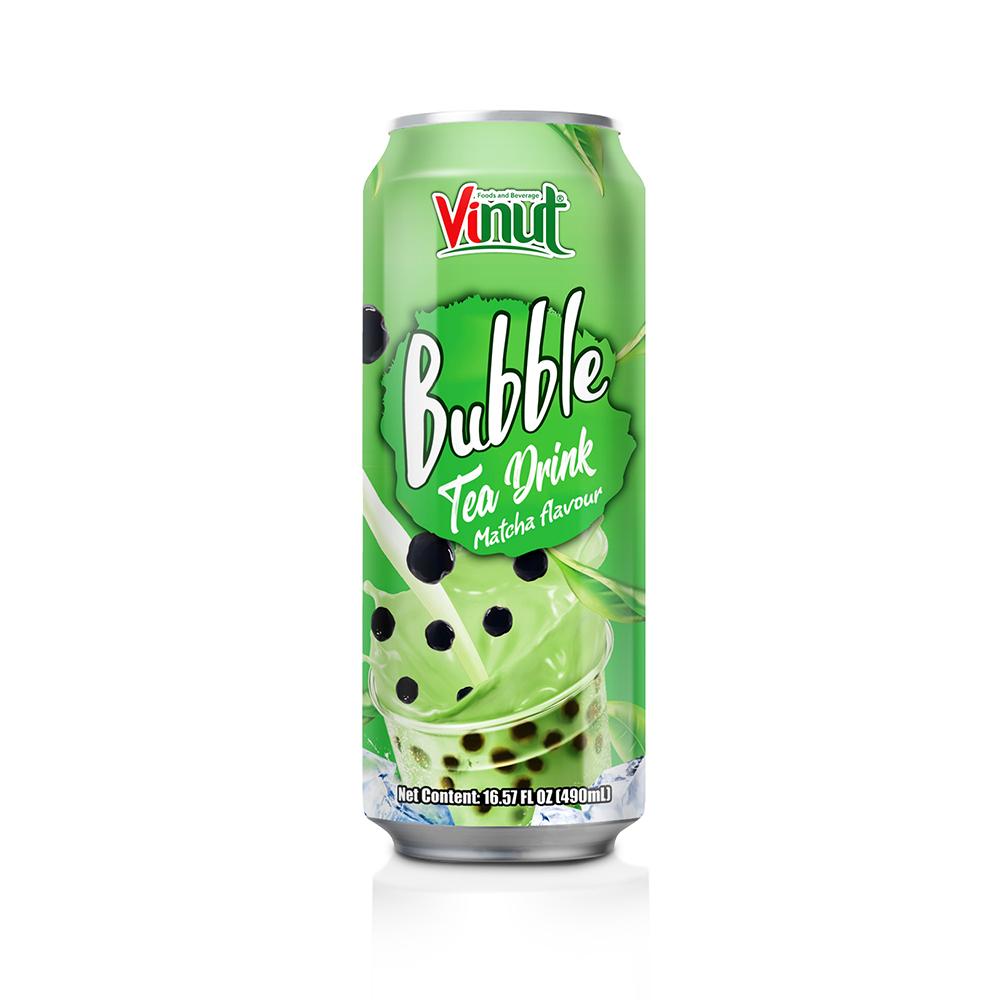
As bubble tea spread from Taiwan across the globe, localized adaptations and riffs emerged. Bubble tea took on regional twists and flavor inspirations depending on taste preferences. In China, popular additions include red bean paste, egg pudding, coconut jelly, grass jelly, prepared fresh fruits like watermelon and cantaloupe, and cream cheese foam topping. Malaysian bubble tea includes tropical flavors like lychee and passionfruit. Japanese bubble tea selections highlight flavors like matcha, adzuki, and houjicha roasted teas. Thai bubble tea spotlights black tea mixed with spices, fruit purees, and sweetened condensed milk. Vietnamese bubble tea features French-inspired roasted coffee.
4.2 Style Variants
Bubble tea comes in distinct style variations depending on ingredients and preparation method. The traditional Taiwanese style, often called classic or traditional bubble tea, consists of a strongly brewed black tea base mixed with tapioca pearls, creamer or milk, an optional fruit puree, and honey or sugar to sweeten. Fruit tea bubble drinks swap classic black tea for a fruit-infused tea, and fruit jelly is often added. Slush or snow bubble tea consists of fruit purees or fruit tea, milk or creamer, tapioca pearls, and ice blended into a slushy frozen concoction. Cream topped bubble tea styles spotlighting foamy, frothy, sweet cream toppings have also emerged in recent years.
5. The Components of Bubble Tea
5.1 Tea Bases
The tea base forms the structure of bubble tea and determines flavor profile even when mixed with cream, milk, and fruit. Black tea varieties like Assam, Ceylon, Earl Grey, English breakfast, jasmine, and Lapsang souchong are frequently used. Oolong and green teas also make flavorful bases. Tea bases can combine real tea leaves with powdered mixes for consistency and stronger flavor impact. Often the base isn't strictly tea — fruit juice, fruit puree, yerba mate, coffee, hibiscus, and milk provide the liquid too. Non-dairy creamer or dairy products like whole milk, almond milk, soy milk, and coconut milk add flavor, texture, and creaminess. Sweeteners like white and brown sugar, honey, and simple syrups infuse the mixture with sweetness.
5.2 Boba and Bubbles
The chewy boba or bubbles that settle at the bottom are small spheres made from tapioca starch, extracted from the cassava root. Tapioca starch is heated and kneaded into a dough, then rolled into the small balls that plump up when boiled or cooked. They're traditionally black or very dark brown. But food-grade colorings have introduced boba in a rainbow of colors, and some even sparkle or glow in the dark. Boba has a chewy, gummy, soft texture that contrasts refreshingly with chilled bubble tea. The texture engages another sense and is part of the fun.
5.3 Flavorings
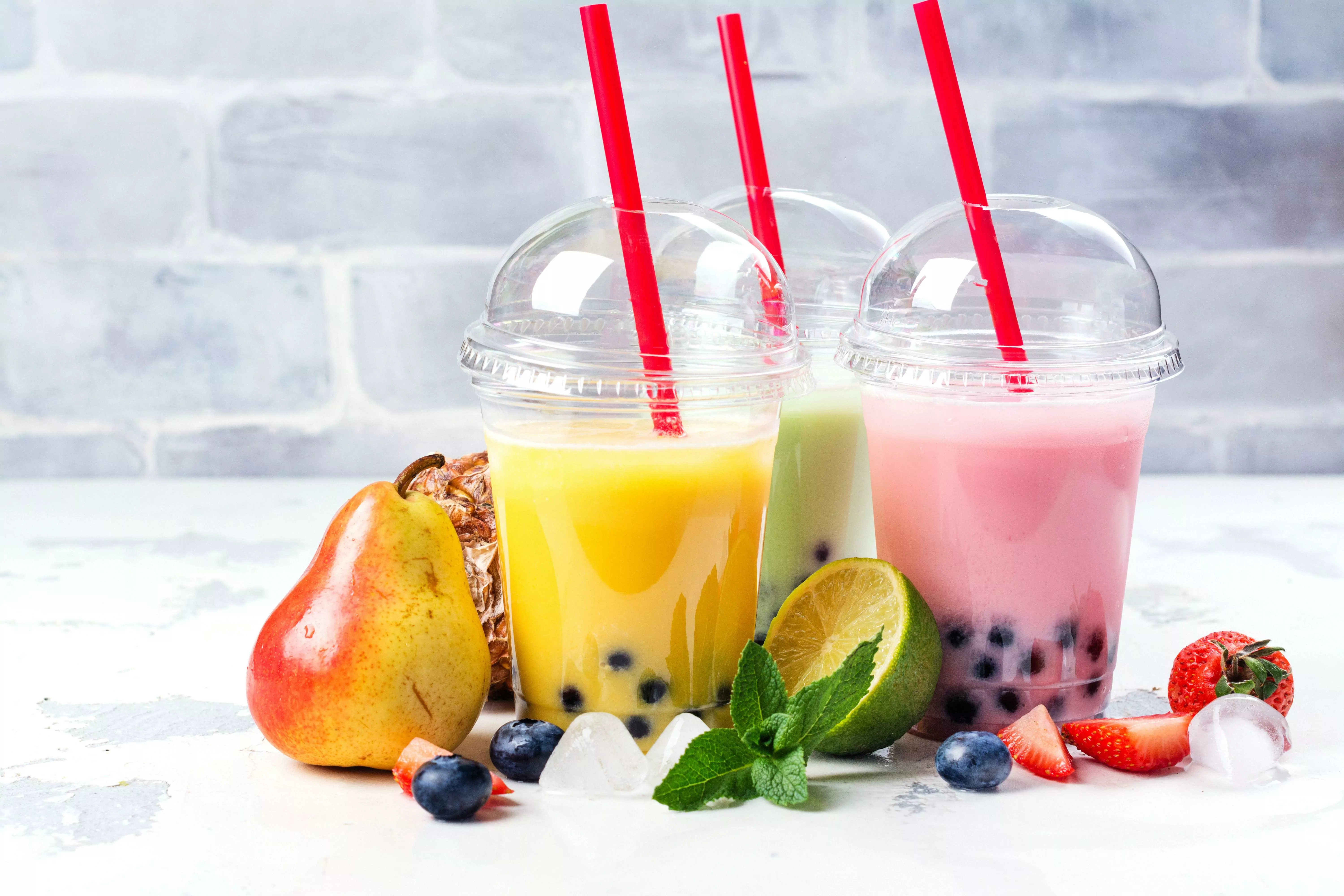
Fruit and fruit flavorings put the "bubble" in bubble tea, introducing everything from intense fruitiness to delicate floral notes to earthy spice. Popular additions include mango, passionfruit, strawberry, peach, pineapple, lychee, honeydew, cantaloupe, orange, lemon, lime, watermelon, blueberry, banana, cherry, apple, raspberry, coconut, avocado, jackfruit, durian, and more. Natural fruit purees or artificial fruit syrups infuse flavor. Unique flavor infusions feature chocolate, coffee, taro, vanilla, cinnamon, cardamom, nutmeg, and matcha too. Toppings like fruit jellies, aloe vera bits, pudding, and custard infuse texture and flavor too.
6. Preparation and Presentation of Bubble Tea
6.1 Preparation
Making good bubble tea requires particular care and the right process from start to finish. Tea bases begin preparation by brewing tea leaves in hot water for an extended time to elicit robust, complex flavor. For fruit and herbal bases, mixes are heated with water or juice, then steeped until intense flavor develops. Flavorings and milk products are added next, either hot or cold depending on the base. Sweeteners go in incrementally until the right balance of flavors develops. Fresh fruit purees require straining out larger fibers and pulp. Finally, tapioca pearls are boiled for 15 to 20 minutes until perfectly plump yet still chewy in consistency. Once the flavors meld and components come together, the bubble tea is chilled before serving over ice.
6.2 Customization and Presentation
One of the appeals of bubble tea is the ability to customize to personal preferences. Most bubble tea shops allow customers to select a tea or fruit base, choose milk and dairy additions, pick sweetness level, and decide which toppings and boba they want. Layering ingredients artfully or intentionally mixing boba and fruit jelly makes for an appealing presentation too.
Bubble tea shops rely heavily on takeaway business, with reusable cups and caps, extra-wide straws, and sealed dome lids for easy sipping on the go. Packaging and cup art spotlight brand identity. Clear cups and bottles show off colorful layers of ingredients, swirling boba, and suspended fruit jelly temptingly. A perfectly layered, properly mixed bubble tea with plump boba peeking through layers looks irresistible and reflects mastery.
7. The Bubble Tea Craze
7.1 Spreading Across Borders
Starting in Taiwan and across Asia in the 1980s, bubble tea mania went global by the early 2000s. Overseas students and travelers encountered the drink abroad, then brought demand back home with them. Bubble tea followed immigration flows and diaspora networks, spreading across the U.S. and Canada with Taiwanese, Chinese, and Southeast Asian communities. By 2015, bubble tea shops were nearly as ubiquitous as coffee shops in metropolis hubs with international populations like Los Angeles, New York, San Francisco, Vancouver, and Toronto. The Instagram era helped bubble tea gain viral food trend clout. Soon European capitals like London, Paris, and Berlin boasted bubble tea shops too, along with Sydney, Dubai, Mexico City, and Mumbai.
7.2 Resilient and Recession-Proof
The 2008 global financial crisis crippled discretionary spending on dining out, but had negligible impact on bubble tea's rise. By allowing customization at affordable price points between $3 to $5 USD on average, bubble tea appealed broadly. Its perceived value and versatility as a snack or drink sustained market resilience. Adaptable young franchises kept overhead costs low. The customization brought repeat business more akin to fast food than a disposable trend. By 2012, specialized bubble tea chains like Taiwanese import Chatime had 700 international locations. By 2022, established chains like Gong Cha and newcomers like Tiger Sugar counted locations in the thousands.
8. Health Benefits and Concerns Associated with Bubble Tea
8.1 Benefits
When made well with high-quality ingredients, bubble tea can offer some health benefits. Tea sources like green tea, oolong tea, and black tea contain polyphenols and antioxidants associated with anti-inflammatory effects and potential heart health benefits, according to the Harvard T.H. Chan School of Public Health. Milk additions provide bone-strengthening calcium, vitamin D, protein, and potassium. Fruits add vitamins plus fiber from pulp and fruit jelly bits. Herbal options feature ingredients like ginger, antioxidant-rich hibiscus, and soothing chamomile.
8.2 Drawbacks
High sugar levels top the list of health concerns, with some bubble tea drinks containing over 50 grams per 24oz drink before accounting for toppings — an amount that can exceed daily recommended limits for added sugar in a single serving, according to guidance from the American Heart Association. Using fruit purees or fresh fruit means consuming fiber and nutrients instead of straight fructose from syrups. Low-quality boba made with dough conditioners and chemical preservatives poses more health risks. If non-dairy creamer contains hydrogenated oil, bubble tea can contain artery-clogging trans fats. And without stringent cleaning practices for machines, mold and bacteria growth risks increase. Preservatives and coloring in jelly toppings may also warrant some caution.
9. Bubble Tea as a Popular Cultural Phenomenon
9.1 Shared Experience Across Borders
Despite origins in Asia, bubble tea now transcends East/West or ethnic divides as a shared intercultural experience marked more by global youth identity than any specific origin. For young people in a hyperconnected, fast-paced world, the distinct flavor and texture intrigue and unify. Customizing a drink provides low-stakes connection — shared stories comparing orders and favorite shops. Queues at popular stands and the ritual process of shaking and piercing the plastic seal to mix boba before enjoying it foster community. Photogenic bubble tea also floods social media, becoming recognizable visual shorthand akin to coffee or cocktail culture.
9.2 Reflection of Changing Tastes
The rise of a hybridized beverage like bubble tea, with influences from Japan, Taiwan, and the U.S., mirrors evolving 21st-century tastes. Bubble tea shops especially cluster around cosmopolitan centers with international universities or corporations drawing expat populations. Appreciation grows for Asian food elements like grass jelly, and enjoyment shifts from straightforward sweetness to contrasting tastes and mouthfeels. Customizing combinations provides individual expression. The global spread delivers traditional tapioca pearls and teas to new regions, repopularizing old ingredients while introducing new ones.
10. Conclusion: The Allure of Bubble Tea
Bubble tea may seem like just another food fad, but its resilience over decades and international appeal suggest true staying power — an adaptable beverage template as enduring as coffee, tea, or chocolate. The flavors dazzle with joyful tastes promising comfort through customization. Tapioca pearls intrigue with a burst of texture against chilled, refreshing tea. Perhaps bubble tea retains its allure precisely because it defies easy definition — a drink as flexible as 21st-century tastes demand.
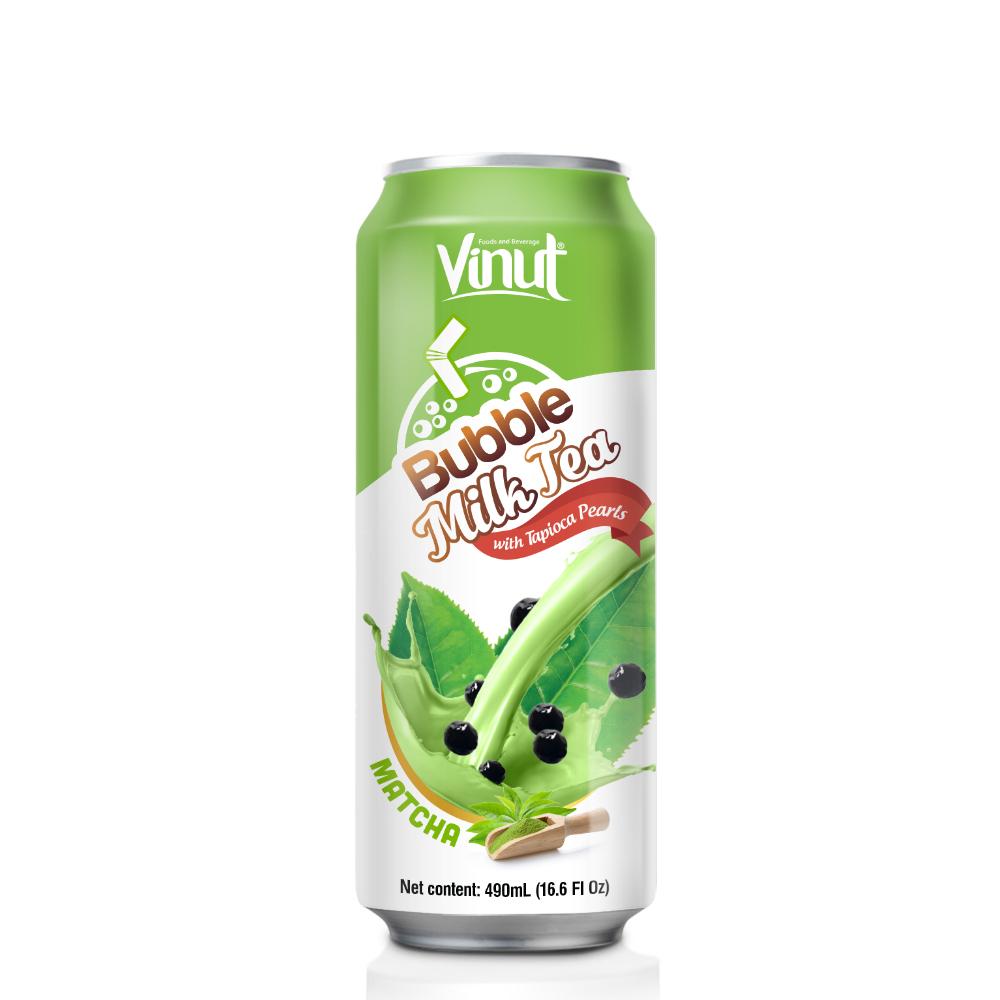
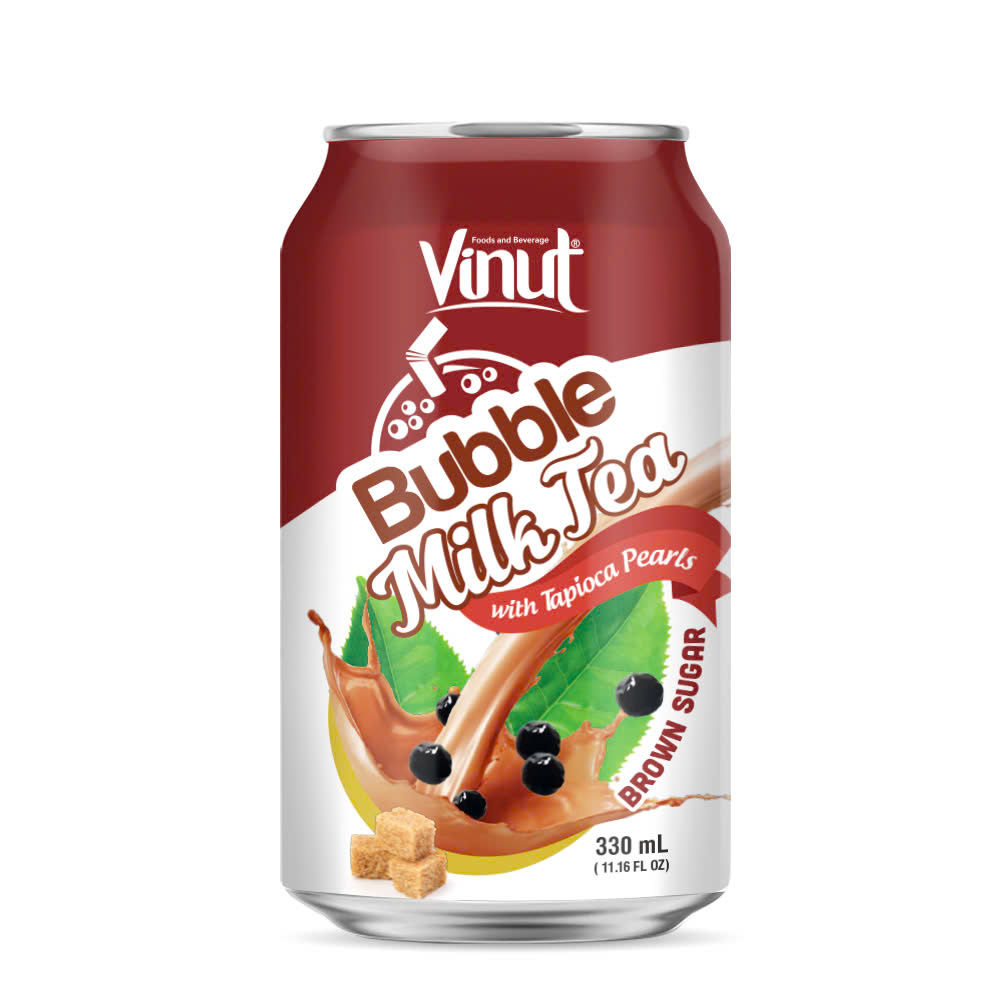
Sourcing fruit purees or juice bases for your bubble tea brand? Explore VINUT's fruit juice product catalog or request a free catalog to learn about our export-ready ingredient solutions.
Related reading: Types of Coffee Drinks Explained: A World Guide · Vietnamese Coffee History and Culture Explained
VINUT products
Explore related drinks
View ingredients, sizes and packaging.
FAQ
What is bubble tea made of?
Bubble tea typically combines a tea base (black, green, or oolong), milk or fruit flavoring, a sweetener, and chewy tapioca pearls (boba) made from cassava starch.
Who invented bubble tea?
Bubble tea originated in Taiwan in the 1980s. Most accounts credit Lin Hsiu Hui of Chun Shui Tang teahouse, though a rival account credits Tu Tsong-he of Hanlin Tea Room.
Is bubble tea healthy?
It depends on preparation — tea itself contains beneficial antioxidants, but many bubble tea drinks are high in added sugar, sometimes exceeding 50g per serving, so moderation and lower-sugar options are worth considering.
What's the difference between bubble tea and boba tea?
They're the same drink — "boba" and "bubble tea" are used interchangeably, both referring to the tapioca pearls at the bottom of the cup.
How much sugar is in bubble tea?
A standard 24oz bubble tea can contain over 50 grams of sugar before toppings are added, which can exceed daily recommended added sugar limits in a single serving.
About this article

The VINUT editorial team publishes articles about beverage ingredients, product characteristics, and practical information for readers and international buyers.