
Buyer Briefing
7 min read · 1,336 words
The article explores various coffee drinks from around the world, highlighting their origins, ingredients, and unique characteristics. It covers Italian classics like Espresso, Cappuccino, Latte, Macchiato, Americano, and Mocha, as well as the Flat White from Australia/New Zealand and Cold Brew. Each drink is described as a cultural phenomenon, offering a diverse range of flavors and experiences for coffee lovers.
- Espresso is a concentrated Italian coffee shot with a bold and intense flavor.
- Cappuccino is a classic Italian drink with espresso, steamed milk, and velvety foam.
- Latte combines espresso with a generous amount of steamed milk, offering a smooth and creamy base for customization.
- Macchiato is a minimalist Italian drink featuring espresso 'stained' with a dollop of frothed milk.
- Americano is espresso diluted with hot water, originating from American soldiers in Italy during WWII.
- Mocha is a decadent blend of espresso, steamed milk, and chocolate.
- Flat White, from Australia and New Zealand, is made with a double shot of espresso and silky microfoam for a velvety texture.
- Cold Brew is coffee steeped in cold water, resulting in a smooth, mellow, and less acidic flavor.
Popular coffee drinks reflect the traditions, ingredients, and brewing styles of different coffee cultures. From a concentrated Italian espresso to refreshing cold brew, each style creates a distinctive drinking experience.
Coffee is more than a source of caffeine. It has become part of morning routines, café culture, social gatherings, and everyday lifestyles worldwide. Different preparation methods have also created an impressive variety of flavors and textures.
In this guide, VINUT explores 8 popular coffee drinks and what makes each one unique.
Which Popular Coffee Drinks Are Featured in This Guide?
Here are the eight coffee drinks we will explore:
Espresso - concentrated and intense
Cappuccino - espresso with steamed milk and foam
Latte - smooth, creamy, and customizable
Macchiato - espresso marked with milk
Americano - espresso diluted with hot water
Mocha - coffee combined with chocolate
Flat White - espresso with silky microfoam
Cold Brew - slowly extracted with cold water
For another perspective on global beverage trends, explore our guide on RTD Tea and Coffee: Convergence or Competition?
I/ What Are the Most Popular Types of Coffee Drinks?
Coffee drinks can vary significantly in strength, texture, preparation, and serving style. Some emphasize the natural character of espresso. Others use milk, chocolate, or cold extraction to create a softer experience.
Here are eight well-known styles worth exploring.
1. Espresso: The Essence of Coffee
Espresso is the foundation of many popular coffee drinks. Originating in Italy, it is prepared by forcing hot water through finely ground coffee under pressure.
The result is a small but concentrated serving with an intense aroma and flavor. A properly prepared espresso also develops a layer of crema on its surface.
Espresso can be enjoyed on its own. It also serves as the base for cappuccinos, lattes, macchiatos, Americanos, and many other café drinks.
Its small serving size makes espresso appear simple. However, factors such as coffee beans, grind size, temperature, and extraction can significantly influence the final cup.

2. Cappuccino: A Balance of Coffee and Milk
The cappuccino is one of the most recognizable Italian coffee drinks. It traditionally combines espresso with steamed milk and a layer of milk foam.
This combination creates a balance between the intensity of coffee and the softness of milk. The foam also contributes to the drink's distinctive texture.
Cappuccinos are commonly served without additional flavoring. However, some cafés add cocoa powder, cinnamon, or other toppings.
The drink is a good option for people who enjoy espresso flavor but prefer a creamier experience.
3. Latte: A Creamy Canvas for Creativity
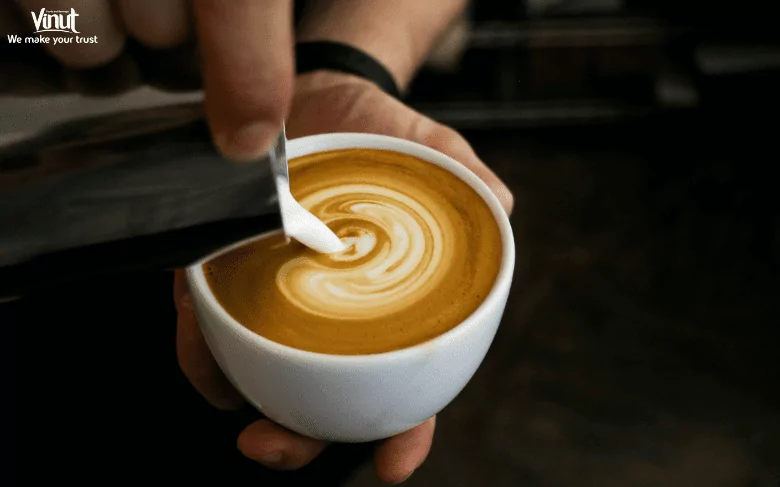
A latte combines espresso with a larger amount of steamed milk. A thin layer of foam usually finishes the drink.
Compared with a cappuccino, a latte generally has a milkier and softer coffee profile. This makes it approachable for consumers who prefer less intense espresso flavors.
The latte has also become a creative café favorite. Baristas can add vanilla, caramel, hazelnut, or other flavors. The milk foam provides a canvas for latte art as well.
Hot and iced versions are widely available, making the latte suitable for different seasons and preferences.
4. Macchiato: Espresso With a Touch of Milk
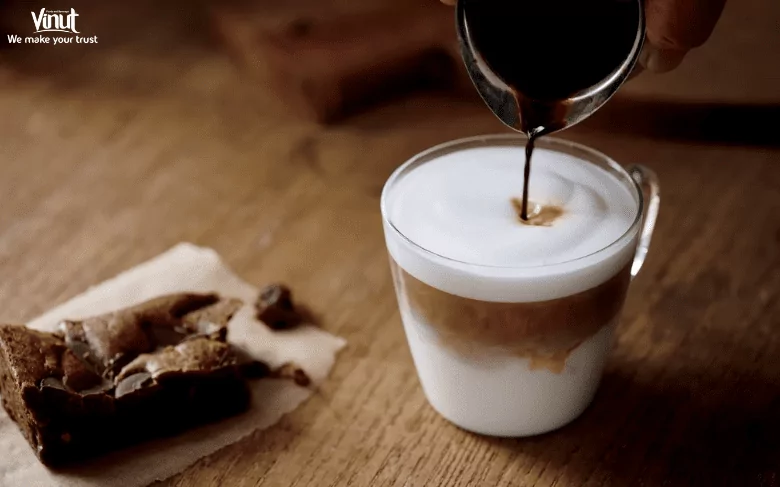
The word macchiato means "marked" or "stained" in Italian. This describes the traditional preparation of the drink.
An espresso macchiato begins with espresso and adds a small amount of milk or milk foam. Unlike a latte, milk does not dominate the drink.
As a result, the macchiato maintains much of espresso's intensity. The small amount of milk provides a softer contrast.
It is particularly suitable for coffee drinkers who want something stronger than a latte or cappuccino. Yet, it still provides a hint of creaminess.
5. Americano: Simple and Smooth
An Americano combines espresso with hot water. This creates a larger beverage while maintaining the characteristic flavor of espresso.
The preparation is straightforward. Espresso is brewed first, followed by the addition of hot water.
The amount of water can be adjusted according to personal preference. More water creates a lighter drink, while less water maintains greater intensity.
An Americano is often chosen by people who enjoy black coffee but want an espresso-based option. It can also be served over ice for a refreshing variation.
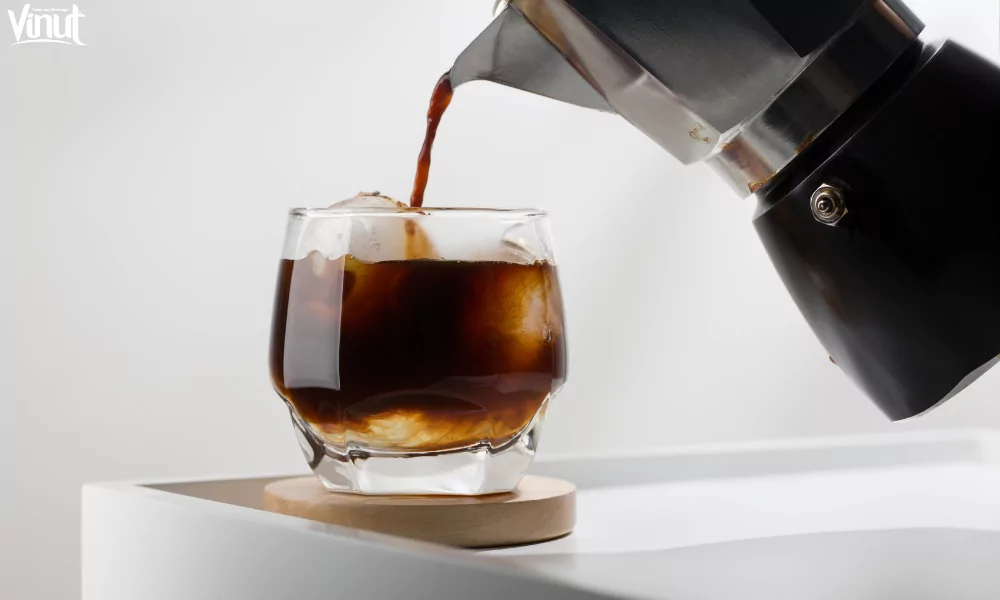
6. Mocha: Where Coffee Meets Chocolate
A mocha brings together two popular flavors: coffee and chocolate.
The drink typically combines espresso, chocolate, and steamed milk. Depending on the café, it may also include milk foam, cocoa powder, or whipped cream.
Chocolate softens some of espresso's bitterness and adds sweetness. This gives mocha a richer and more dessert-like profile than many traditional coffee drinks.
Different chocolates can also change the experience. Dark chocolate creates a more intense profile, while sweeter chocolate produces a softer drink.
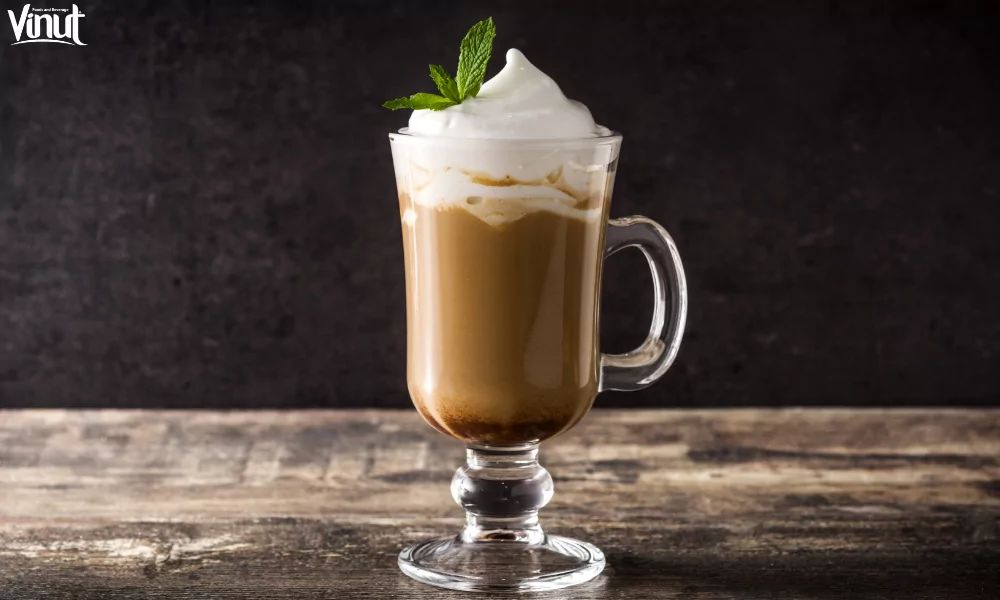
7. Flat White: Smooth Espresso With Silky Microfoam
The flat white is strongly associated with the café cultures of Australia and New Zealand. Its exact origin remains debated between the two countries.
A typical flat white combines espresso with steamed milk and fine microfoam. The result is smooth and creamy without an excessively thick foam layer.
It may look similar to a latte, but the drinking experience can be different. A flat white often emphasizes espresso more strongly because of its coffee-to-milk balance.
Its silky texture has helped the drink become popular in cafés far beyond Australia and New Zealand.
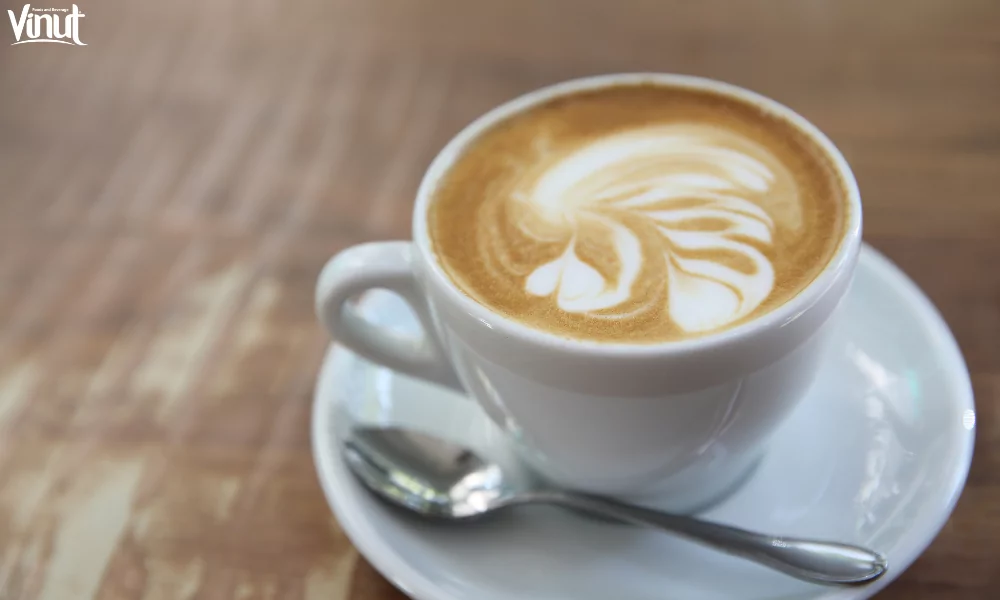
8. Cold Brew: The Refreshing Side of Coffee
Cold brew differs from the previous drinks because of its extraction method.
Instead of brewing ground coffee quickly with hot water, cold brew uses cool or room-temperature water. Coarsely ground coffee is typically steeped for several hours.
After extraction, the coffee is filtered and served chilled. It may be consumed straight, over ice, or mixed with milk.
Cold brew is often appreciated for its smooth flavor profile. Its refreshing serving style has also made it particularly popular during warmer weather.
Importantly, cold brew should not be confused with iced coffee. Iced coffee is generally brewed hot before being cooled. Cold brew uses a different extraction process from the beginning.

II/ What Is the Difference Between These Coffee Drinks?
The main differences come from the preparation method and the ratio of coffee, water, milk, and other ingredients.
Here is a simple comparison:
Coffee Drink | Main Components | General Character |
|---|---|---|
Espresso | Concentrated coffee | Strong and intense |
Cappuccino | Espresso + steamed milk + foam | Creamy and balanced |
Latte | Espresso + more steamed milk | Smooth and mild |
Macchiato | Espresso + small amount of milk | Bold with light creaminess |
Americano | Espresso + hot water | Simple and mellow |
Mocha | Espresso + chocolate + milk | Rich and sweet |
Flat White | Espresso + microfoam | Silky and coffee-forward |
Cold Brew | Coffee + cold water extraction | Smooth and refreshing |
This variety allows consumers to choose a drink according to their preferred intensity, temperature, sweetness, and texture.
III/ How Do You Choose the Right Coffee Drink?
The right choice largely depends on your personal taste.
If you enjoy a strong coffee flavor, consider espresso or macchiato. Both keep espresso at the center of the experience.
For something smoother and creamier, latte, cappuccino, or flat white may be more suitable. Each uses milk differently, creating distinct textures and flavor balances.
An Americano works well for people who enjoy a larger black coffee. A mocha may appeal to those who prefer sweeter, chocolate-forward beverages.
For a chilled option, cold brew provides an entirely different experience. It is particularly refreshing when served over ice.
VINUT products
Explore related drinks
View ingredients, sizes and packaging.
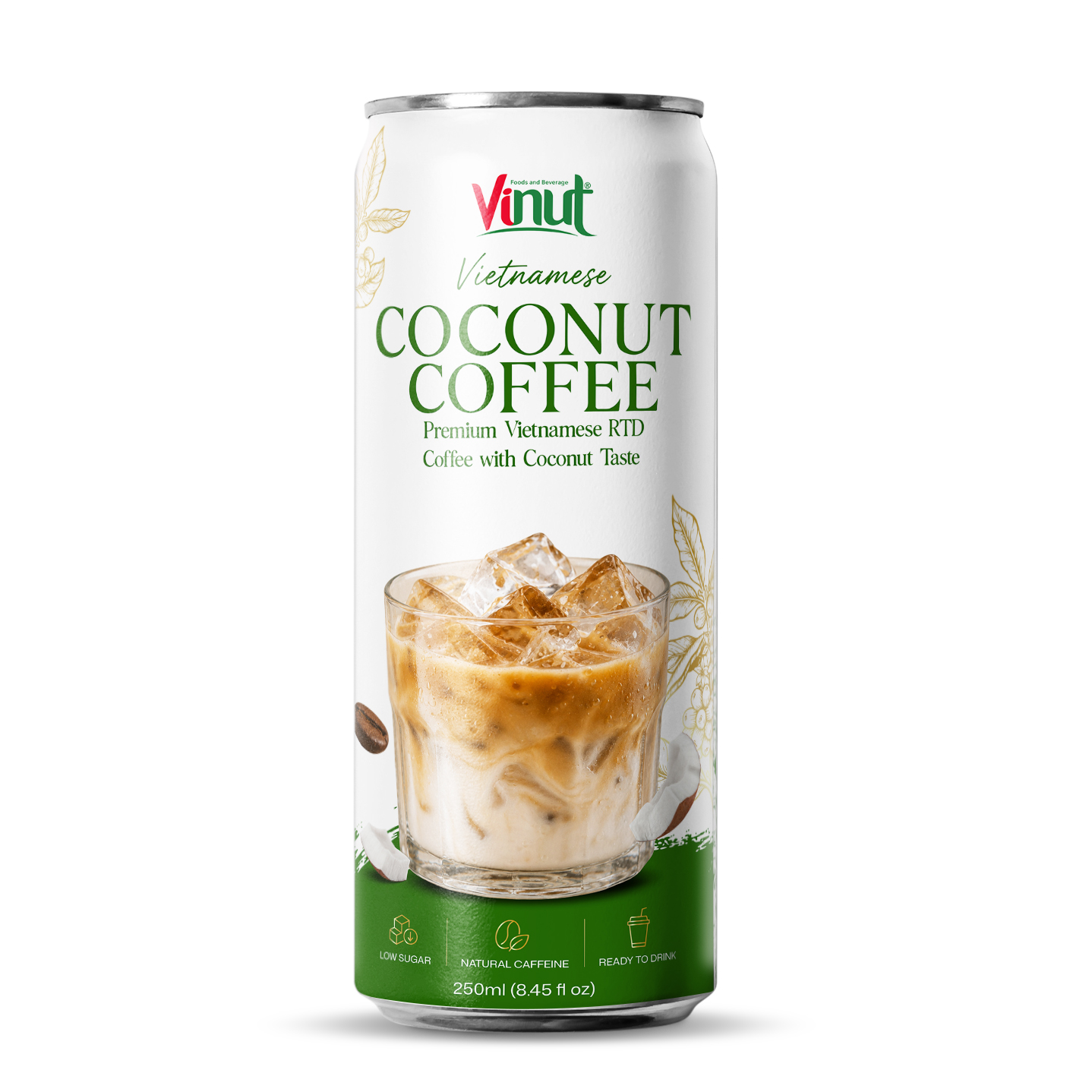
Vinut 250ml (8.45 fl oz) Vietnamese Coffee Drink Coconut Coffee Premium RTD
250 mL (8.45 fl oz) · Can
View product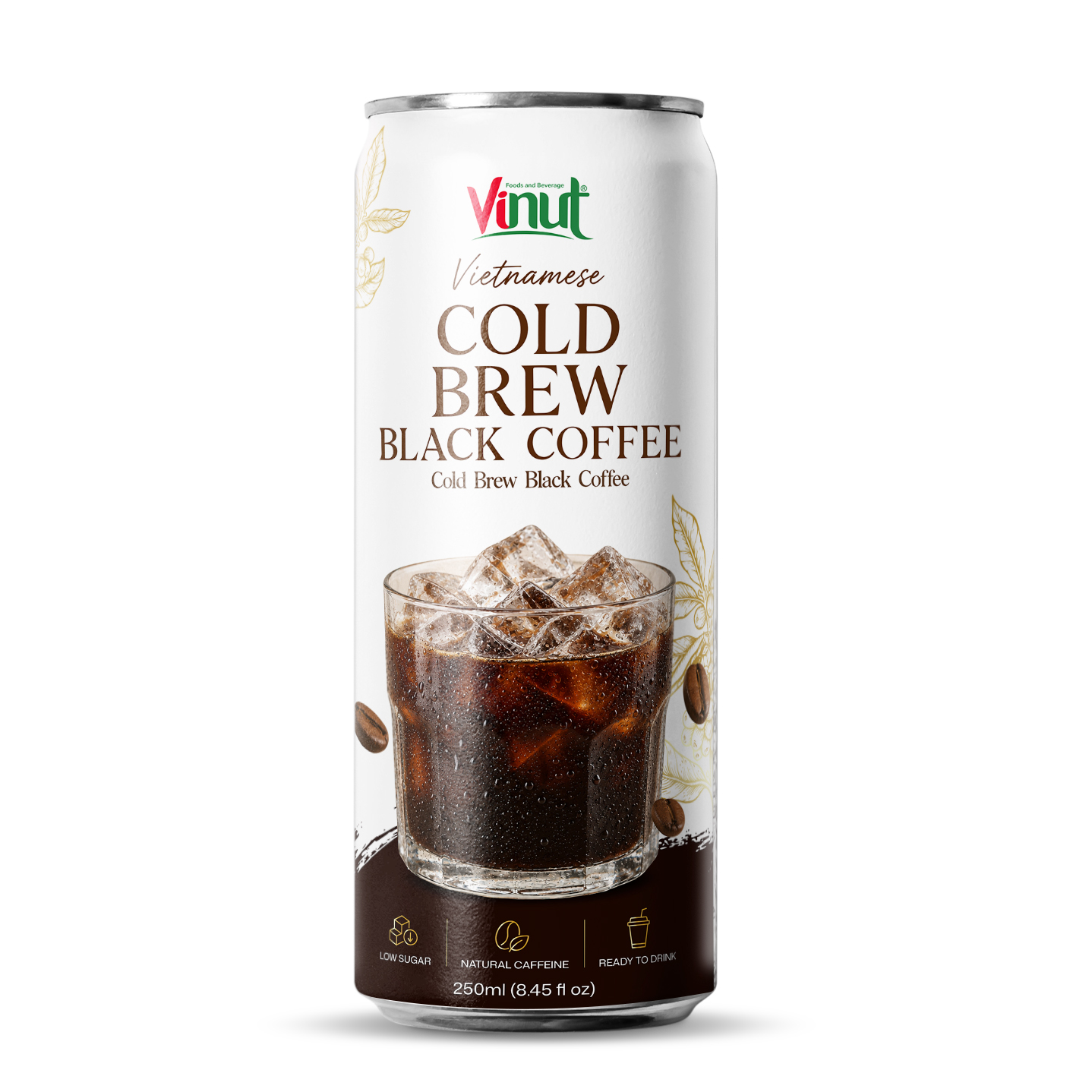
VINUT 250ml (8.45 fl oz) Vietnamese Coffee Drink Cold Brew Black Coffee
250 mL (8.45 fl oz) · Can
View product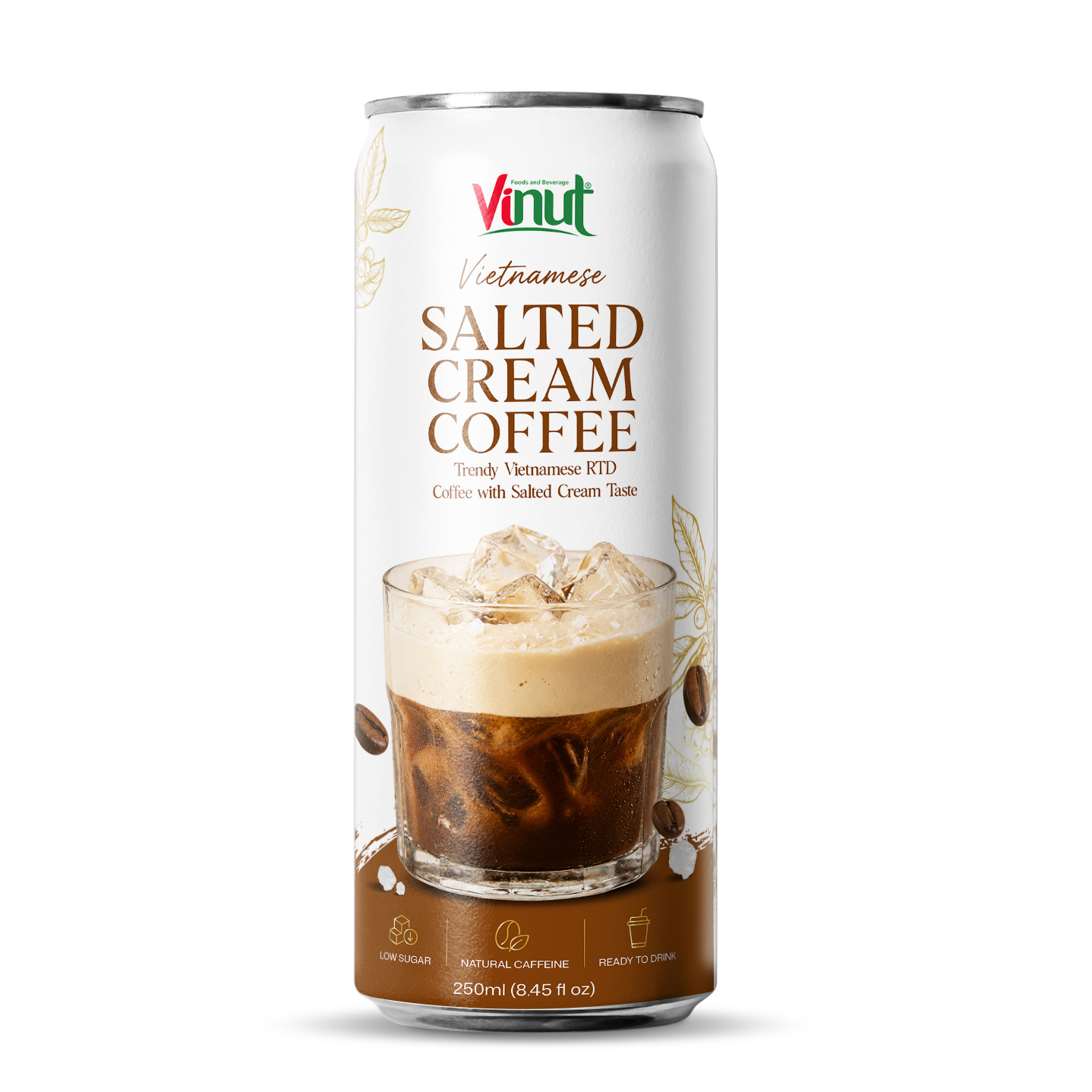
Vinut 250ml (8.45 fl oz) Vietnamese Coffee Drink Salted Cream Coffee Trendy RTD
250 mL (8.45 fl oz) · Can
View product
IV/ Why Are Coffee Drinks Different Around the World?
Coffee adapts easily to local ingredients, traditions, and drinking habits. This has helped create distinctive coffee cultures around the world.
Italy became closely associated with espresso-based drinks. Australia and New Zealand developed influential modern café cultures. Cold coffee preparations have also expanded across many markets.
Milk preferences, sweetness levels, serving sizes, and brewing equipment can differ by region. Local café culture continues to influence how traditional coffee drinks evolve.
This diversity is one reason coffee remains such an interesting global beverage.
V/ Conclusion
Popular coffee drinks demonstrate how one ingredient can create remarkably different experiences. Espresso provides intensity, while cappuccino and latte introduce creamy textures. Mocha adds chocolate, and cold brew offers a refreshing alternative.
There is no single coffee style that suits everyone. Your ideal drink depends on how strong, creamy, sweet, hot, or cold you prefer your coffee.
Exploring these eight drinks is therefore more than trying different recipes. It is also an opportunity to experience the variety and creativity of global coffee culture.
Looking to source coffee-based or RTD beverages for your market?
Explore VINUT's product catalog or request a free catalog to learn about our export-ready beverage solutions.
Related reading:
FAQ
What's the difference between a latte and a cappuccino?
A latte has more steamed milk and a thin layer of foam, while a cappuccino has roughly equal parts espresso, steamed milk, and thick milk foam.
Which coffee drink has the most caffeine?
A straight espresso shot has the highest caffeine concentration by volume, though drip coffee and cold brew often contain more total caffeine per serving due to their larger size.
What is a macchiato?
A macchiato is an espresso shot "marked" with a small amount of frothed milk — much stronger and less milky than a latte or cappuccino.
Is cold brew stronger than regular hot coffee?
Cold brew is typically smoother and less acidic, but can have a higher caffeine concentration since it's steeped longer with a higher coffee-to-water ratio.
What's the difference between an Americano and drip coffee?
An Americano is espresso diluted with hot water, while drip coffee is brewed by passing hot water through grounds — resulting in different flavor profiles despite similar strength.
About this article

The VINUT editorial team publishes articles about beverage ingredients, product characteristics, and practical information for readers and international buyers.