
Buyer Briefing
9 min read · 1,785 words
Vietnamese coffee is often sweet because strong coffee, frequently made with Robusta beans, is combined with sweetened condensed milk. The condensed milk provides concentrated sweetness and creaminess that balance the coffee's bold and bitter characteristics. Traditional phin brewing also produces a concentrated coffee that pairs particularly well with condensed milk.
- Vietnamese coffee is known for its strong and distinctive flavor.
- Sweetened condensed milk is the primary source of sweetness in many Vietnamese milk coffees.
- Robusta plays an important role in Vietnamese coffee culture.
- Robusta generally contains more caffeine than Arabica.
- The phin is a traditional Vietnamese drip brewer.
- Cà phê sữa đá combines strong coffee, condensed milk, and ice.
- Egg coffee uses a rich egg-based topping over strong coffee.
- Roast profile and brewing method influence the final flavor.
- Sugar and caffeine levels vary depending on the recipe.
- Vietnamese coffee can be made less sweet by reducing condensed milk.
Listen to the article summary
AI-generated voice · English · 3:20
Read transcript
Vietnamese coffee is renowned for its bold aroma, intense flavor, and distinctive sweetness, which stems from several key factors. It refers to coffee traditions and beverages developed in Vietnam, introduced during the French colonial period in the 19th century. A hallmark of this coffee culture is the use of a phin, a small metal drip filter that slowly brews concentrated coffee, and a strong association with Robusta coffee beans. The primary reason for its sweetness is the use of sweetened condensed milk, which provides concentrated sweetness and a rich, creamy texture. This balances the intensity and bitterness of the strongly brewed coffee, often made with Robusta beans. Robusta's bold flavor creates a strong contrast with the condensed milk, ensuring the drink tastes intensely sweet without losing its coffee character. The phin brewing method also contributes by producing a concentrated and flavorful brew that pairs exceptionally well with condensed milk and ice. Recipe variations mean that the amount of condensed milk, coffee, and other ingredients can differ, leading to varying levels of sweetness. Vietnamese coffee is often described as bold, rich, bittersweet, and aromatic. Robusta beans play a significant role, offering higher caffeine content, greater bitterness, a heavier body, and earthy or chocolate-like characteristics compared to Arabica. Roasting also influences the flavor, with traditional and modern styles varying from darker roasts emphasizing body to lighter profiles highlighting bean characteristics. Sweetened condensed milk is crucial, adding sweetness, creaminess, body, and a milky flavor, while also offering convenience. Other ingredients like chocolate-like notes, a touch of salt, or ice can further influence the final taste. Modern cafés might also incorporate coconut, egg cream, or yogurt. The phin filter is central to the experience, producing a concentrated coffee ideal for condensed milk, and its slow preparation is part of the tradition. While a French press can be an alternative, it won't replicate the traditional phin method. Popular drinks include Cà Phê Sữa Đá, a combination of strong coffee, condensed milk, and ice, and Cà Phê Trứng, or egg coffee, particularly associated with Hanoi, featuring a rich whipped egg mixture over strong coffee. Vietnamese coffee can be high in sugar, depending on the amount of condensed milk and other added ingredients, but black Vietnamese coffee does not inherently contain a large amount. Similarly, caffeine content can be substantial due to the frequent use of Robusta beans, which generally have more caffeine than Arabica. However, caffeine levels vary based on factors like coffee species, serving size, and brewing method. Both Robusta and Arabica are grown in Vietnam, and some coffees blend them to balance flavor profiles. To make Vietnamese coffee less sweet, one can simply reduce the quantity of condensed milk. Ultimately, Vietnamese coffee is defined by the interplay of beans, brewing, ingredients, and its rich coffee culture.
Vietnamese coffee is famous for its bold aroma, intense coffee flavor, and distinctive sweetness. But why is Vietnamese coffee so sweet compared with many other coffee styles?
The answer comes from several factors. Strong Robusta coffee is often paired with sweetened condensed milk, while the traditional phin brewing method produces a concentrated cup that works particularly well with creamy sweetness. Different roasting styles, serving methods, and regional recipes can further influence the final flavor.
In this guide, VINUT explores the history of Vietnamese coffee, the role of Robusta beans and condensed milk, traditional brewing methods, popular coffee drinks, and the reasons behind its recognizable sweet and bold character.
I/ What Is Vietnamese Coffee?
Vietnamese coffee refers to coffee traditions and beverages developed in Vietnam, rather than one single recipe.
Coffee was introduced to Vietnam during the French colonial period in the 19th century. Over time, Vietnamese consumers developed distinctive preparation and serving styles that became part of the country's modern coffee culture.
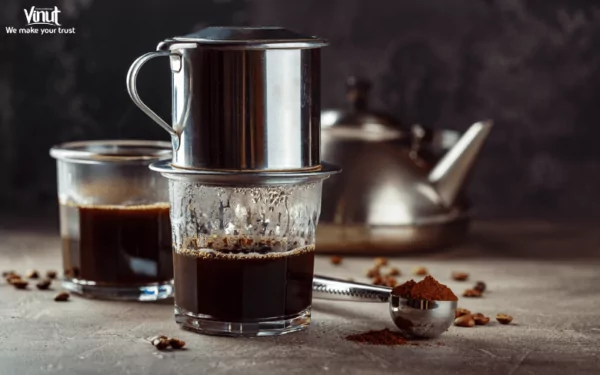
One of its most recognizable characteristics is the use of a phin, a small metal drip filter that slowly brews concentrated coffee directly into a cup or glass.
Vietnam is also strongly associated with Robusta coffee, which typically produces a bold, full-bodied cup with greater bitterness than many Arabica coffees.
When that strong coffee is combined with sweetened condensed milk, the contrast between bitterness and sweetness creates the signature flavor many people associate with Vietnamese coffee.
II/ Why Is Vietnamese Coffee So Sweet?
The sweetness of Vietnamese coffee does not usually come from the coffee beans alone.
Instead, it is primarily created by the way the beverage is prepared.
1. Sweetened Condensed Milk
The most important contributor is sweetened condensed milk.
It combines concentrated milk with sugar, giving Vietnamese milk coffee both sweetness and a rich, creamy texture.
This sweetness helps balance the intensity and bitterness of strongly brewed coffee.
2. Strong Coffee Creates Contrast
Vietnamese coffee is frequently brewed with Robusta beans or blends containing Robusta.
Their bold flavor creates a strong contrast with condensed milk. As a result, the finished drink can taste intensely sweet without completely losing its coffee character.
3. Brewing Style
A phin allows hot water to slowly pass through ground coffee.
The resulting brew can be concentrated and flavorful, making it well suited to condensed milk and ice.
4. Recipe Variations
Vietnamese coffee is not prepared exactly the same way everywhere.
The amount of condensed milk, coffee, water, sugar, ice, and other ingredients can vary between cafés, households, regions, and individual preferences.
Therefore, some Vietnamese coffees are considerably sweeter than others.
III/ What Gives Vietnamese Coffee Its Unique Flavor?
Vietnamese coffee is often described as bold, rich, bittersweet, and aromatic.
Its distinctive profile comes from several elements working together.
Robusta Coffee Beans
Robusta plays an important role in Vietnamese coffee culture.
Compared with Arabica, Robusta generally has:
Higher caffeine content
Greater bitterness
A heavier body
Lower perceived acidity
Earthy, woody, nutty, or chocolate-like characteristics depending on origin and roast
These characteristics work particularly well in strong coffee preparations.
Roast Profile
Roasting has a major influence on coffee flavor.
Darker roasting can produce deeper roasted, caramelized, chocolate-like, smoky, or bittersweet characteristics depending on the beans and roasting process.
Not all Vietnamese coffee is roasted using the same method, however. Modern specialty producers may use very different roast profiles from traditional commercial coffee.
IV/ How Does Roasting Affect Vietnamese Coffee?
Roasting transforms green coffee beans and develops many of the aromas and flavors associated with the finished beverage.
Traditional and Modern Roasting Styles
Some traditional Vietnamese coffee preparations have historically incorporated additional ingredients or distinctive roasting practices. However, these methods are not universal across all Vietnamese coffee.
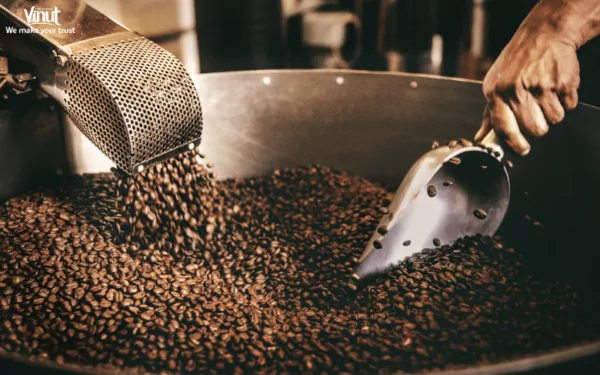
Today, Vietnamese coffee producers use a wide variety of roasting approaches.
Some prefer darker roasts that emphasize body and roasted flavors. Others use lighter or medium profiles designed to highlight the characteristics of a particular bean or growing region.
Therefore, it is more accurate to view Vietnamese coffee as a diverse coffee culture rather than assuming there is one universal Vietnamese roasting technique.
V/ Why Is Sweetened Condensed Milk Used in Vietnamese Coffee?
Sweetened condensed milk is one of the most recognizable ingredients in Vietnamese coffee.

Its thick texture and concentrated sweetness pair particularly well with strong coffee.
What Does Condensed Milk Add?
It contributes several characteristics:
Sweetness: balances the bitterness of strong coffee.
Creaminess: gives the drink a richer mouthfeel.
Body: creates a thicker beverage.
Milky flavor: softens intense roasted notes.
Convenience: it is easy to portion and incorporate into hot or iced coffee.
The amount used can be adjusted according to personal preference.
For a less sweet drink, simply reduce the quantity of condensed milk rather than changing the coffee itself.
VI/ What Other Ingredients Can Influence Vietnamese Coffee Flavor?
Although coffee and condensed milk are the foundation of many popular preparations, other ingredients can influence the final experience.

Chocolate-Like Notes
Some coffees naturally develop cocoa or chocolate-like sensory notes depending on the bean, roast, and brewing method.
These flavors can pair particularly well with condensed milk.
Salt
A small amount of salt is used in some coffee preparations and can influence the perception of bitterness and sweetness.
Vietnam is also known for salt coffee, particularly associated with Huế, where coffee can be combined with a creamy, lightly salty component.
Ice
Ice does not add sweetness itself.
However, it changes the temperature and gradually dilutes concentrated coffee, creating the refreshing character associated with Vietnamese iced coffee.
Other Ingredients
Modern Vietnamese cafés may also incorporate ingredients such as:
Coconut
Egg cream
Yogurt
Chocolate
Fruit
Flavored creams
These are different coffee styles rather than essential ingredients in every Vietnamese coffee.
VII/ What Is a Vietnamese Phin Filter?
The phin is one of the most recognizable tools in Vietnamese coffee preparation.
A typical phin consists of:
A brewing chamber
A perforated base
A filter press or insert
A lid
Ground coffee is placed inside the chamber, hot water is added, and the coffee slowly drips into the cup below.
Why Does the Phin Matter?
The phin produces a relatively concentrated coffee that pairs well with sweetened condensed milk.
The slow preparation process is also an important part of the experience. Instead of producing coffee immediately, the drink develops gradually as water passes through the grounds.
VIII/ Can You Make Vietnamese Coffee With a French Press?
Yes, although the result will differ from coffee brewed with a phin.

A French press prepares coffee by steeping the grounds directly in hot water before separating them with a mesh plunger.
This produces a different extraction and mouthfeel from phin coffee.
If a phin is unavailable, a French press can still be used to create a strong coffee base that can be combined with condensed milk.
However, it should be considered an alternative preparation method, not the traditional Vietnamese phin method.
IX/ What Are the Most Popular Vietnamese Coffee Drinks?
Vietnamese coffee culture includes much more than one sweet iced coffee.
Two internationally recognized examples are cà phê sữa đá and cà phê trứng.
1. Cà Phê Sữa Đá – Vietnamese Iced Coffee With Milk
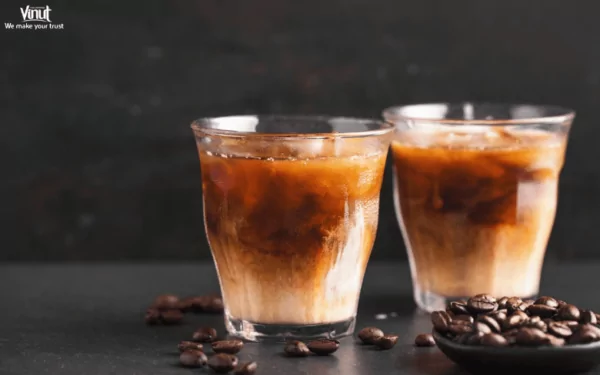
Cà phê sữa đá combines strong coffee, sweetened condensed milk, and ice.
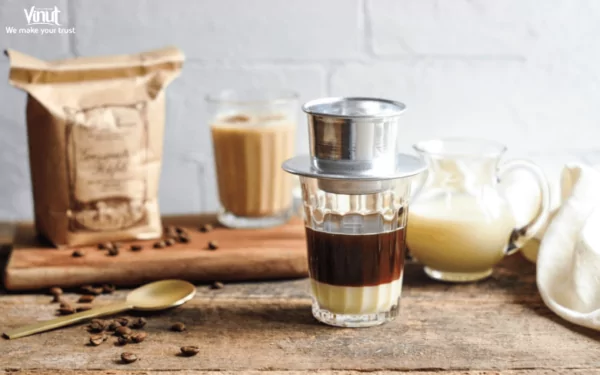
A common preparation method is:
Add sweetened condensed milk to a glass.
Place a phin containing ground coffee over the glass.
Add hot water and allow the coffee to drip slowly.
Stir the brewed coffee with the condensed milk.
Pour or serve the mixture over ice.
The result combines intense coffee flavor with creamy sweetness and a cold, refreshing finish.
2. Cà Phê Trứng – Vietnamese Egg Coffee
Egg coffee, or cà phê trứng, is particularly associated with Hanoi.
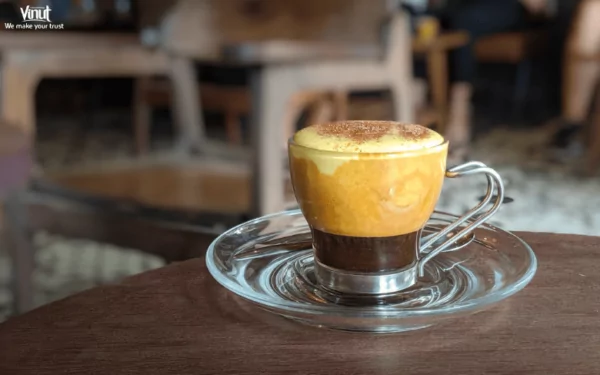
It typically combines strong coffee with a rich whipped egg mixture.
Recipes vary, but the creamy layer may contain egg yolk, sugar, condensed milk, or other ingredients.
The result has a thick, dessert-like texture that contrasts with the strong coffee underneath.
X/ Is Vietnamese Coffee High in Sugar?
It can be, particularly when a generous amount of sweetened condensed milk is used.
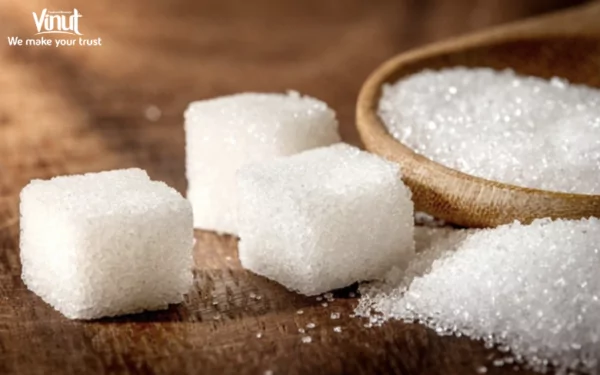
Black Vietnamese coffee does not inherently need to contain a large amount of sugar.
The sugar content depends primarily on ingredients added during preparation.
What Affects the Sugar and Calorie Content?
Consider:
Amount of condensed milk
Added sugar or syrup
Serving size
Cream or milk
Additional toppings
Recipe used by the café or manufacturer
If you prefer Vietnamese coffee with less sugar, ask for less condensed milk or prepare it yourself so that you can control the amount.
XI/ Does Vietnamese Coffee Have More Caffeine?
Vietnamese coffee can contain a substantial amount of caffeine, particularly when Robusta beans are used.
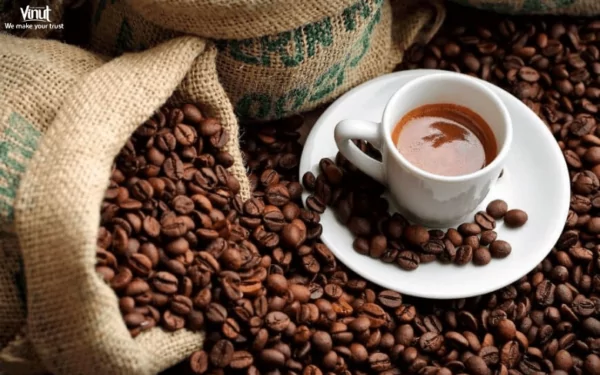
Robusta beans generally contain more caffeine than Arabica beans.
However, the caffeine content of an actual cup depends on several factors:
Coffee species and blend
Amount of ground coffee
Serving size
Brewing method
Water-to-coffee ratio
Extraction conditions
Therefore, it is not accurate to assume that every cup of Vietnamese coffee contains the same amount of caffeine.
People who are sensitive to caffeine should consider portion size and their total caffeine intake from all sources.
XII/ Robusta vs Arabica: Which Beans Are Used in Vietnamese Coffee?
Both Robusta and Arabica are grown and consumed in Vietnam, but they offer noticeably different sensory characteristics.
Robusta Beans
Robusta has historically played a major role in Vietnamese coffee production.
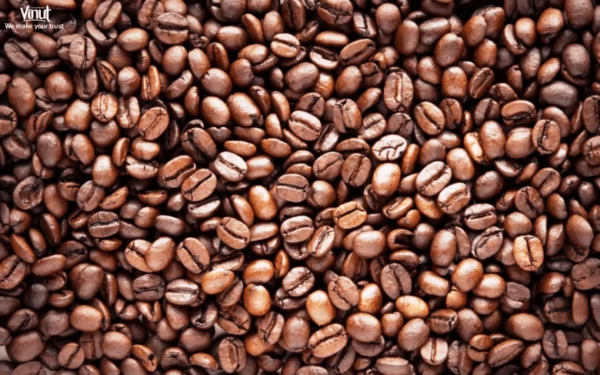
It is commonly associated with:
Bold flavor
Fuller body
Pronounced bitterness
Higher caffeine than Arabica
Earthy, woody, nutty, or chocolate-like notes depending on the coffee
Its intensity makes it particularly suitable for preparations containing condensed milk.
Arabica Beans
Arabica is also cultivated in Vietnam and is commonly associated with a different flavor profile.

Depending on origin and processing, Arabica can offer greater perceived acidity and more delicate aromatic characteristics.
Some Vietnamese coffees blend Arabica and Robusta to balance body, bitterness, aroma, acidity, and sweetness.
Robusta vs Arabica at a Glance
Characteristic | Robusta | Arabica |
|---|---|---|
Caffeine | Generally higher | Generally lower |
Flavor | Bold and intense | Often more delicate |
Bitterness | Usually stronger | Usually milder |
Body | Often fuller | Often lighter |
Common use | Strong coffee and blends | Specialty coffee and blends |
These are broad tendencies rather than absolute rules. Origin, processing, roast, freshness, and brewing can significantly affect the final cup.
XIII/ How Can You Make Vietnamese Coffee Less Sweet?
You do not need to remove condensed milk completely.
Instead, adjust the recipe gradually:
Start with less condensed milk.
Brew the coffee at your preferred strength.
Taste before adding more sweetness.
Add ice if making cà phê sữa đá.
Adjust the coffee-to-milk ratio the next time you brew.
This approach preserves the characteristic creamy contrast while allowing you to control sweetness.
XIV/ Why Is Vietnamese Coffee Different From Regular Coffee?
There is no single definition of "regular coffee," but Vietnamese coffee can differ from many common Western preparations in several ways.
The most recognizable differences include the frequent use of Robusta, phin brewing, sweetened condensed milk, and distinctive drinks such as cà phê sữa đá and egg coffee.
Vietnamese coffee is therefore defined not simply by sweetness but by the relationship between beans, brewing, ingredients, and coffee culture.
XVII/ Conclusion
The characteristic sweetness of Vietnamese coffee comes from the interaction between strong coffee and the ingredients used to prepare it.
Sweetened condensed milk plays the most obvious role, providing concentrated sweetness and creaminess that balance the bold character of Robusta coffee. Phin brewing creates a concentrated cup, while roasting, bean selection, ice, and recipe variations further influence the final flavor.
However, Vietnamese coffee is much more than a sweet beverage. From cà phê sữa đá to Hanoi-style egg coffee, it represents a diverse coffee culture shaped by history, local ingredients, preparation methods, and evolving tastes.
Understanding these elements makes it easier to appreciate why Vietnamese coffee has developed such a recognizable identity - and why its combination of boldness, bitterness, creaminess, and sweetness continues to appeal to coffee drinkers around the world.
VINUT products
Explore related drinks
View ingredients, sizes and packaging.
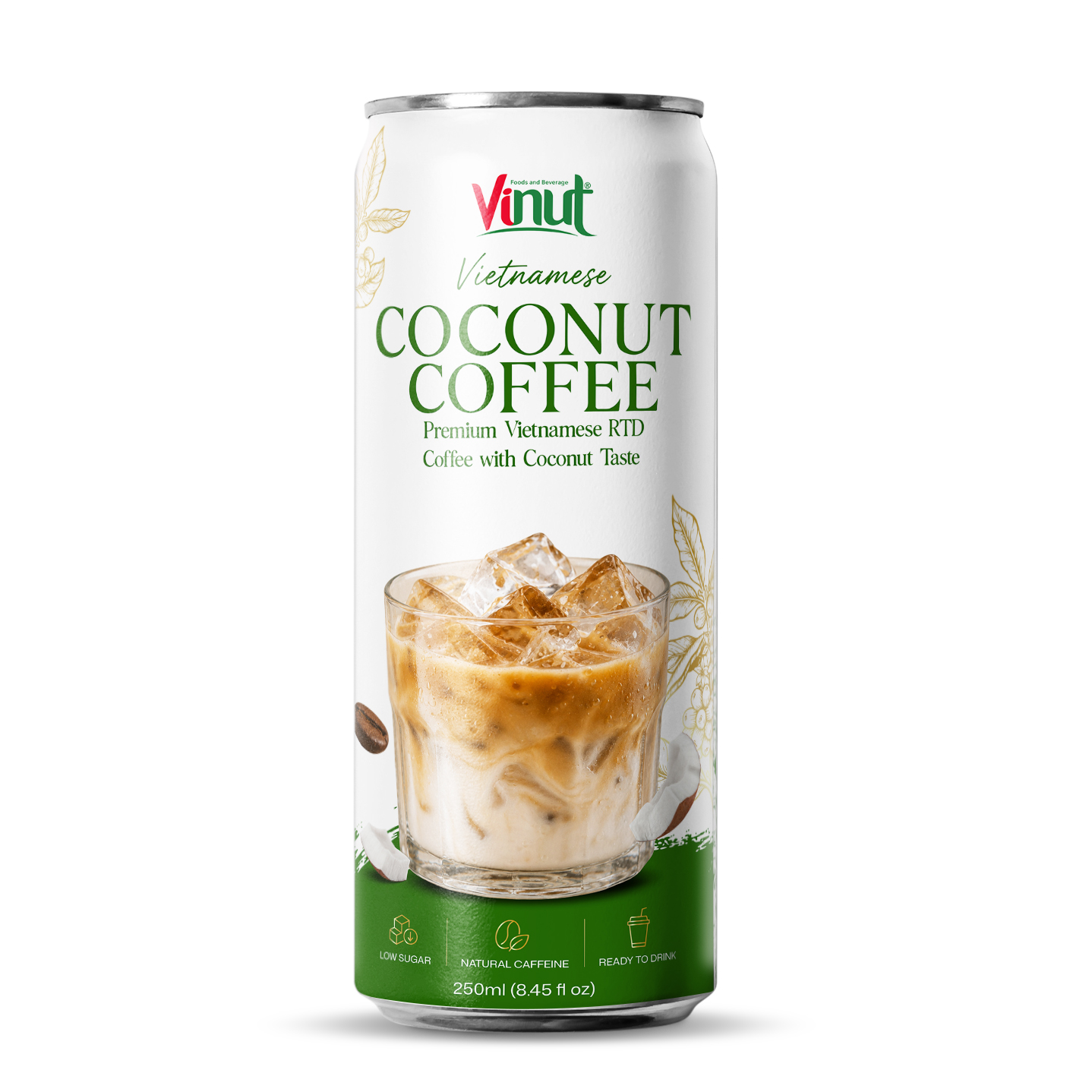
Vinut 250ml (8.45 fl oz) Vietnamese Coffee Drink Coconut Coffee Premium RTD
250 mL (8.45 fl oz) · Can
View product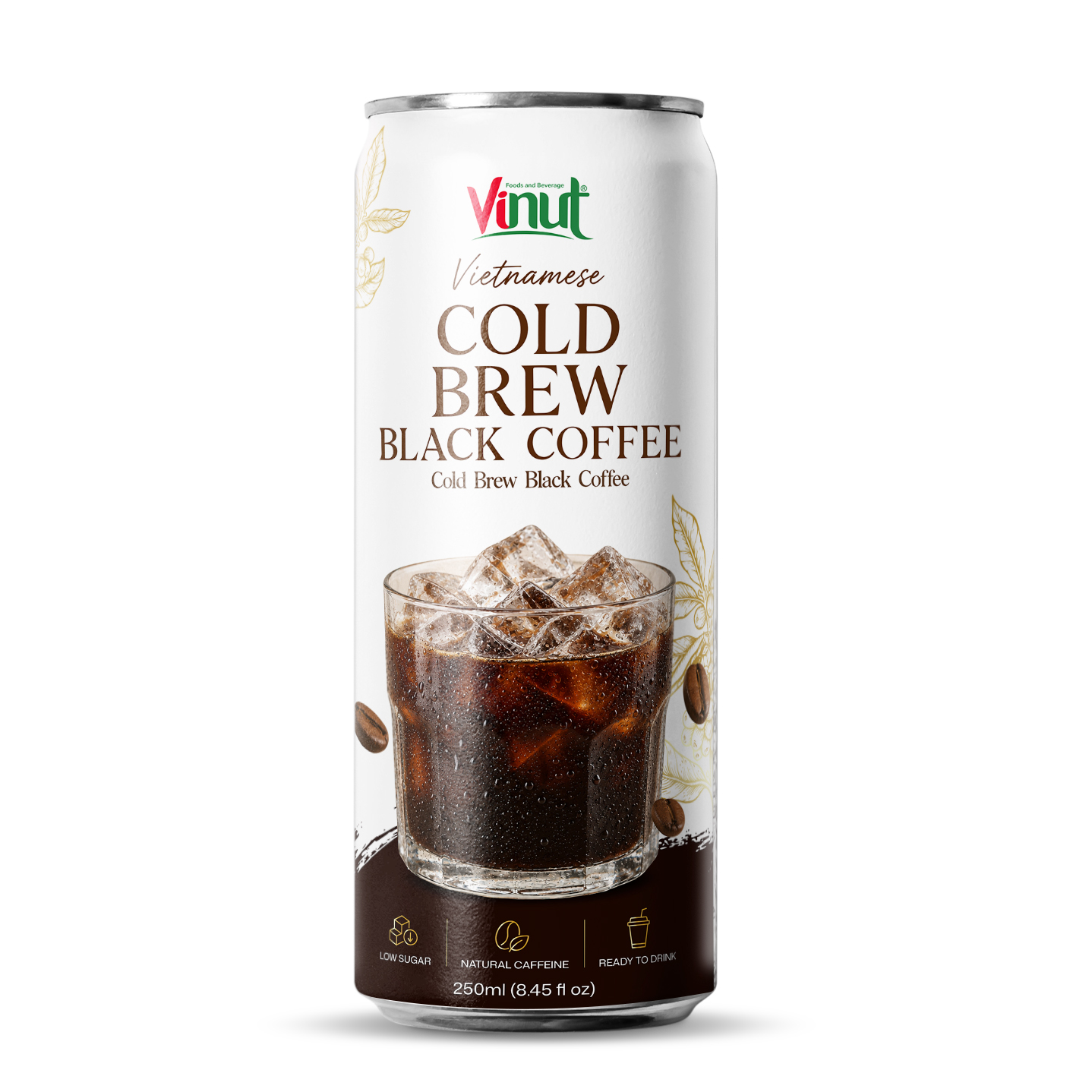
VINUT 250ml (8.45 fl oz) Vietnamese Coffee Drink Cold Brew Black Coffee
250 mL (8.45 fl oz) · Can
View product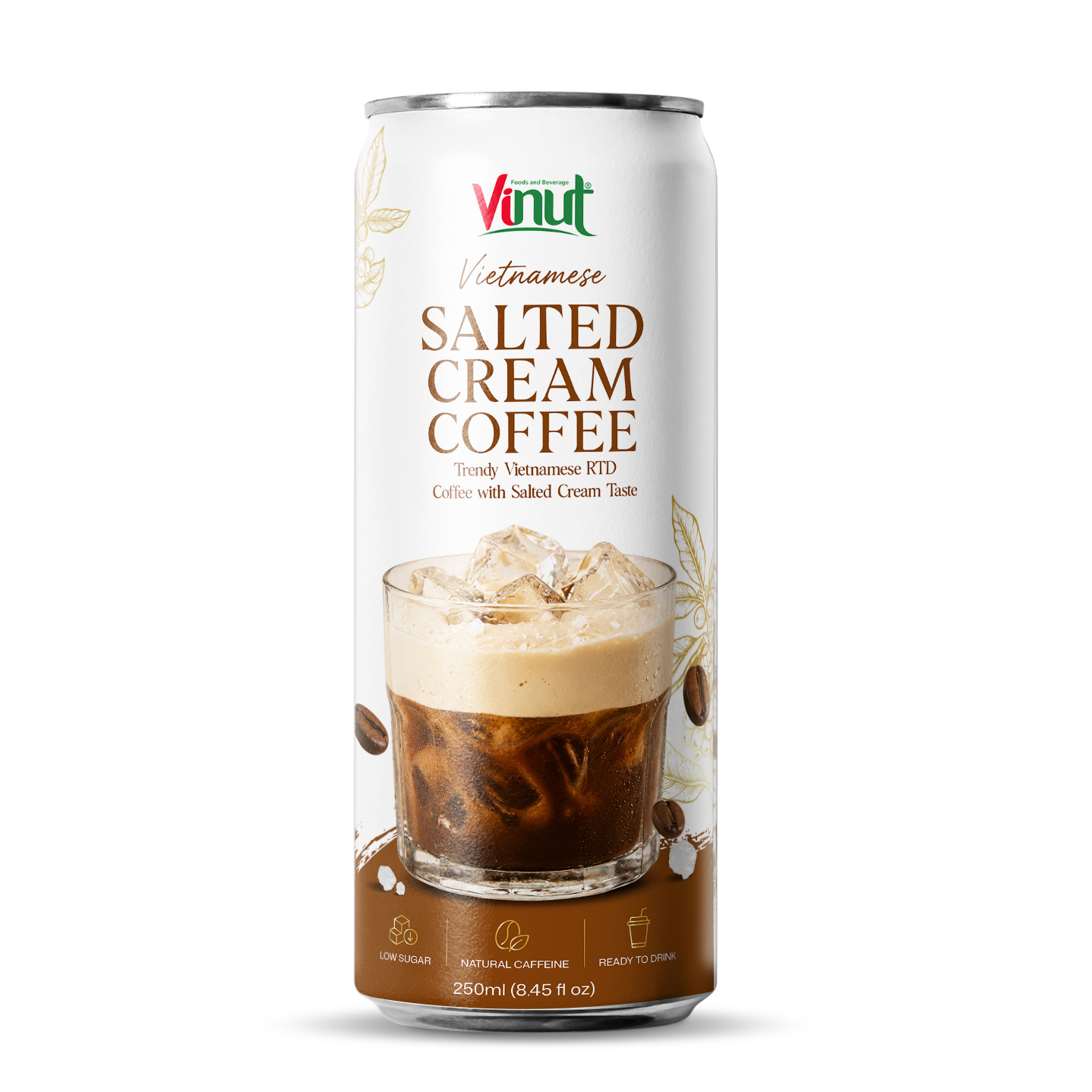
Vinut 250ml (8.45 fl oz) Vietnamese Coffee Drink Salted Cream Coffee Trendy RTD
250 mL (8.45 fl oz) · Can
View product
FAQ
Why is Vietnamese coffee so sweet?
Sweetened condensed milk is the main source of sweetness in many Vietnamese milk coffee recipes. Its creamy sweetness balances the strong flavor and bitterness of concentrated coffee.
What makes Vietnamese coffee different?
Vietnamese coffee is commonly associated with Robusta beans, phin brewing, condensed milk, and drinks such as cà phê sữa đá and egg coffee.
Why does Vietnamese coffee use condensed milk?
Condensed milk provides both sweetness and creaminess, creating a strong contrast with bold coffee.
About this article

The VINUT editorial team publishes articles about beverage ingredients, product characteristics, and practical information for readers and international buyers.