

Buyer Briefing
4 min read · 779 words
Flaxseed (Linum usitatissimum) is a nutrient-dense seed rich in fiber, omega-3 fatty acids (ALA), lignans, protein, and minerals. Eating 1–2 tablespoons of ground flaxseed daily may support heart health, digestion, and healthy blood sugar levels.
- Flaxseed is rich in fiber (7.6g), ALA omega-3s, and plant protein (5.2g) per serving.
- It may support heart health, blood sugar control, weight management, and reduced inflammation.
- Ground flaxseed absorbs better than whole seeds — aim for 1–2 tbsp per day.
- Flaxseed oil should never be heated; use it in dressings or dips instead.
- Drink plenty of water when adding flaxseed to your diet to avoid digestive discomfort.
Listen to the article summary
AI-generated voice · English · 2:57
Read transcript
Flaxseed is a small, nutrient-dense seed derived from the flax plant, scientifically known as Linum usitatissimum. It has been cultivated for thousands of years and is prized for its nutritional and medicinal properties, with VINUT exploring its potential. Flaxseed boasts an impressive nutritional profile. It's an excellent source of dietary fiber, providing around 7.6 grams per serving, which is vital for a healthy digestive system. It's renowned for its high concentration of alpha-linolenic acid, or ALA, an essential omega-3 fatty acid linked to heart health, reduced inflammation, and brain function support, according to the NIH Office of Dietary Supplements. Additionally, flaxseed contains approximately 5.2 grams of protein per serving, making it a valuable plant-based protein source. It's also rich in essential minerals like magnesium, phosphorus, and manganese, which contribute to bone health and energy metabolism, and is a good source of vitamins, including vitamin E and certain B vitamins. The potential health benefits of flaxseed are significant. It's included in the American Heart Association's list of foods that promote heart health, as its omega-3s may help lower blood pressure, reduce inflammation, and support healthy cholesterol levels. Flaxseed also contains phytosterols, which help block cholesterol absorption. Its soluble fiber and healthy fats can aid in blood sugar control by slowing sugar absorption, potentially benefiting those with type 2 diabetes. For weight management, the combination of fiber, protein, and healthy fats promotes feelings of fullness, reducing overall calorie intake. Furthermore, compounds like omega-3 fatty acids and lignans give flaxseed anti-inflammatory properties, which may help ease symptoms related to conditions like rheumatoid arthritis. To incorporate flaxseed into your diet, ground flaxseed is absorbed more easily than whole seeds. You can add it to smoothies, oatmeal, or salads. Flaxseed oil is a concentrated source of healthy fats, suitable for salad dressings, but should not be used for cooking due to high heat degrading its nutritional properties. Flaxseed flour can also be used as a gluten-free alternative in baking. However, precautions are necessary: some individuals may have allergies or sensitivities. Due to its high fiber content, consuming large amounts without sufficient water can cause digestive discomfort like bloating or gas, so adequate water intake is essential. VINUT highlights flaxseed as a true superfood, suggesting its incorporation alongside other nutrient-rich foods to enhance overall well-being.
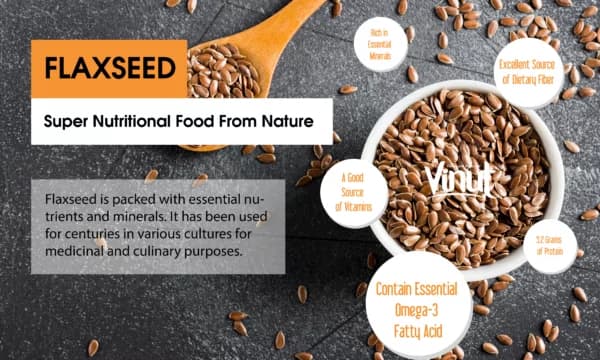
Flaxseed is a tiny but mighty seed that has gained significant popularity in recent years thanks to its impressive flaxseed benefits for heart health, digestion, and overall wellness. Packed with essential nutrients, it has been used for centuries in various cultures for medicinal and culinary purposes.
In this post, VINUT explores the incredible potential of flaxseed — from its nutritional profile to its health benefits, precautions, and culinary applications.
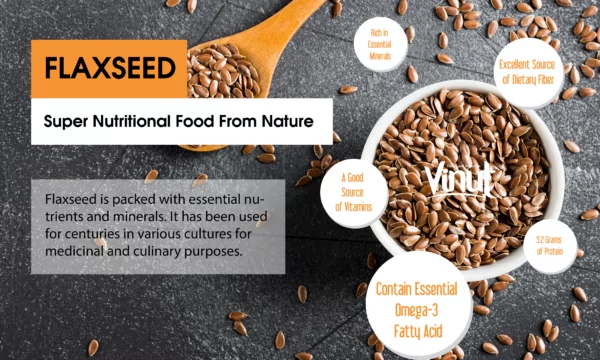
Flaxseed: Super Nutritional Food From Nature
1. What is Flaxseed?
Flaxseed is a small brown or yellow seed derived from the flax plant, scientifically known as Linum usitatissimum. It has been cultivated for thousands of years and is prized for its nutritional and medicinal properties. Flaxseed is a rich source of fiber, omega-3 fatty acids, lignans, and several vitamins and minerals.
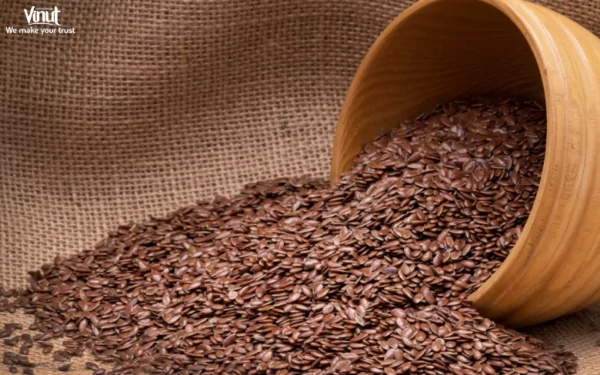
VINUT_What is Flaxseed?
2. Nutritional Profile of Flaxseed
2.1 Fiber
The seed is an excellent source of dietary fiber, with around 7.6 grams per serving. Fiber plays a vital role in maintaining a healthy digestive system and promoting regular bowel movements.
2.2 Omega-3 Fatty Acids
Flaxseed is renowned for its high concentration of alpha-linolenic acid (ALA), an essential omega-3 fatty acid. According to the NIH Office of Dietary Supplements, ALA is linked to heart health, reduced inflammation, and brain function support.

VINUT_ Excellent source of dietary fiber, Omega-3 Fatty Acids, and Protein
2.3 Protein
It contains approximately 5.2 grams of protein per serving, making it a valuable plant-based protein source for vegetarians and vegans.
2.4 Essential Minerals
It is rich in essential minerals such as magnesium, phosphorus, and manganese. These minerals contribute to bone health, energy metabolism, and antioxidant defense systems in the body.
2.5 Vitamins
The seed is a good source of vitamins, including vitamin E and certain B vitamins. Vitamin E acts as an antioxidant, protecting cells from damage, while B vitamins are important for energy production and neurological function.

VINUT_ Rich in essential minerals, vitamins and Protein
3. Potential Health Benefits of Flaxseed
3.1 Heart Health
Flaxseed is included in the American Heart Association's list of foods high in fiber and omega-3s that promote heart health. Its omega-3 fatty acids may help lower blood pressure, reduce inflammation, and support healthy cholesterol levels. Flaxseed also contains phytosterols, compounds structurally similar to cholesterol that help block cholesterol absorption in the intestines.

VINUT_Heart Health
3.2 Blood Sugar Control
Flaxseed's soluble fiber and healthy fats slow down the absorption of sugar into the bloodstream, helping to prevent blood sugar spikes. Some clinical research suggests this effect may be particularly beneficial for people with type 2 diabetes or those at risk of developing it.

VINUT_Blood Pressure Regulation
3.3 Weight Management
Flaxseed contains soluble fiber that slows digestion and increases satiety. The combination of fiber, protein, and healthy fats helps promote feelings of fullness and reduce overall calorie intake, making it a useful addition to a weight-management diet.

VINUT_Ash Gourd Juice for Weight Loss and Detoxification
3.4 Anti-Inflammatory Properties
Flaxseed contains compounds with anti-inflammatory properties, such as omega-3 fatty acids and lignans, which may help ease symptoms related to rheumatoid arthritis, lupus, and Raynaud's phenomenon.

VINUT_A Natural Defense Against Inflammation
4. How to Incorporate Flaxseed into Your Diet?
4.1 Ground Flaxseed
Ground flaxseed is absorbed more easily by the body than whole seeds. You can buy it pre-ground or grind whole flaxseeds using a coffee grinder or food processor. Add it to your morning smoothies, oatmeal, or yogurt, or sprinkle it over salads and roasted vegetables for a nutty flavor and an extra nutritional boost.
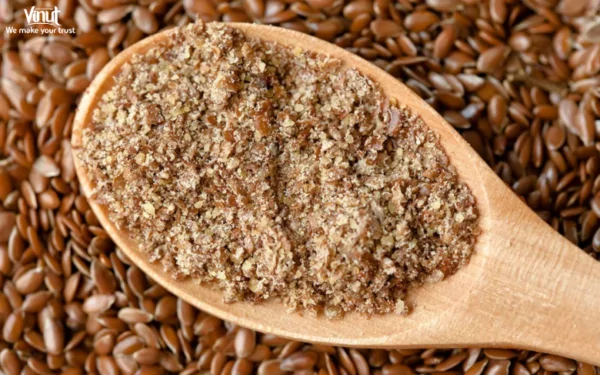
VINUT_Ground Flaxseed
4.2 Flaxseed Oil
Flaxseed oil is a concentrated source of healthy fats and works well in salad dressings, dips, or drizzled over cooked vegetables. Flaxseed oil should not be used for cooking or frying, as high heat can degrade its nutritional properties.

VINUT_ Flaxseed Oil
4.3 Flaxseed Flour
Flaxseed flour, made from finely ground flaxseed, can be used as a gluten-free alternative in baking recipes. It adds moisture and a subtle nutty flavor to baked goods like bread, muffins, and pancakes.
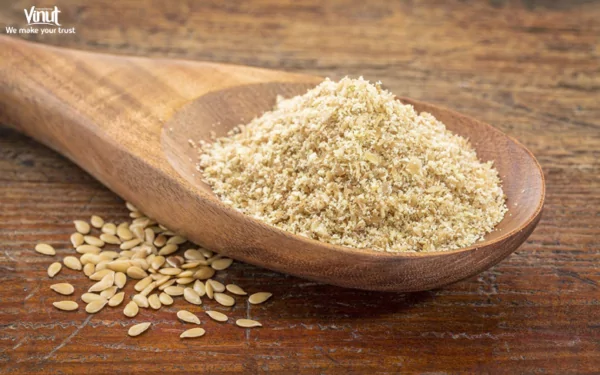
VINUT_Flaxseed Flour
5. Precautions and Considerations
5.1 Allergies and Sensitivities
Some individuals may be allergic or sensitive to flaxseed. If you experience any adverse reactions such as itching, rashes, or difficulty breathing after consuming flaxseed, discontinue use and consult a healthcare professional.

VINUT_Allergies
5.2 Digestive Issues
Due to its high fiber content, consuming large amounts of flaxseed without sufficient water intake may cause digestive discomfort, such as bloating or gas. It is essential to drink an adequate amount of water when incorporating the seed into your diet.

VINUT_Digestive Issues
6. Summary
Flaxseed is a small seed with incredible health benefits. From its high fiber and omega-3 fatty acid content to its potential role in heart health, digestive health, and hormonal balance, flaxseed is a true superfood. Incorporating it into your daily diet — alongside other nutrient-rich foods like fresh vegetable juices and coconut water — is a simple and versatile way to enhance your overall well-being. Explore more natural ingredients on the VINUT Blog.
FAQ
What is flaxseed good for?
Flaxseed supports heart health, digestion, and blood sugar control thanks to its fiber, omega-3 fatty acids (ALA), and lignans.
How much flaxseed should I eat per day?
Most nutrition experts recommend 1–2 tablespoons of ground flaxseed daily, taken with plenty of water.
Should I eat flaxseed whole or ground?
Ground flaxseed is absorbed far better than whole seeds, since whole seeds often pass through the digestive system undigested.
Are there any side effects of eating flaxseed?
In large amounts without enough water, flaxseed's high fiber content can cause bloating or gas. People with seed allergies should also use caution.
What's the difference between flaxseed oil and ground flaxseed?
Flaxseed oil delivers concentrated omega-3 fats but no fiber, while ground flaxseed retains both fiber and healthy fats — but oil should never be heated for cooking.
About this article

The VINUT editorial team publishes articles about beverage ingredients, product characteristics, and practical information for readers and international buyers.