

Buyer Briefing
7 min read · 1,426 words
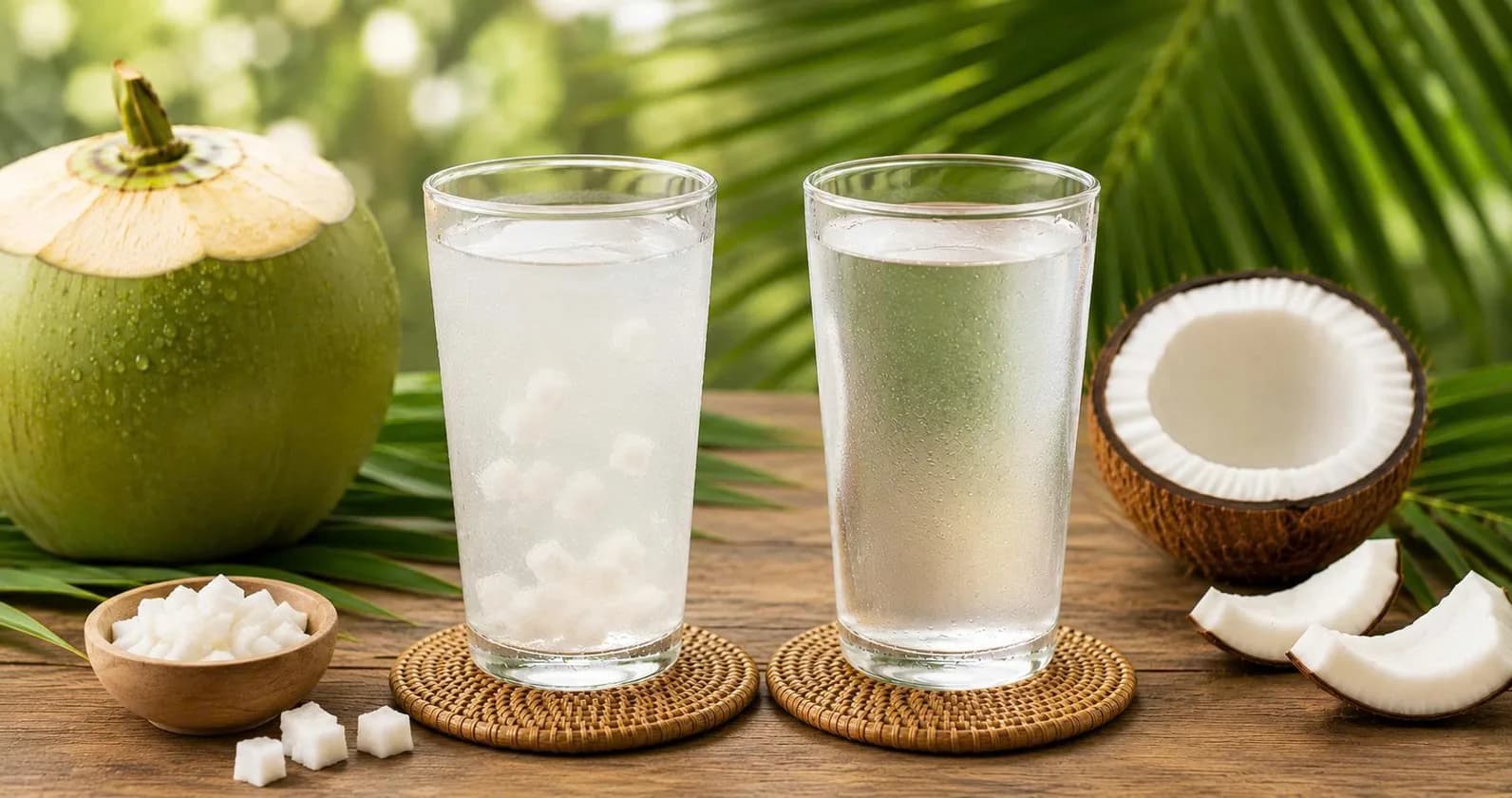
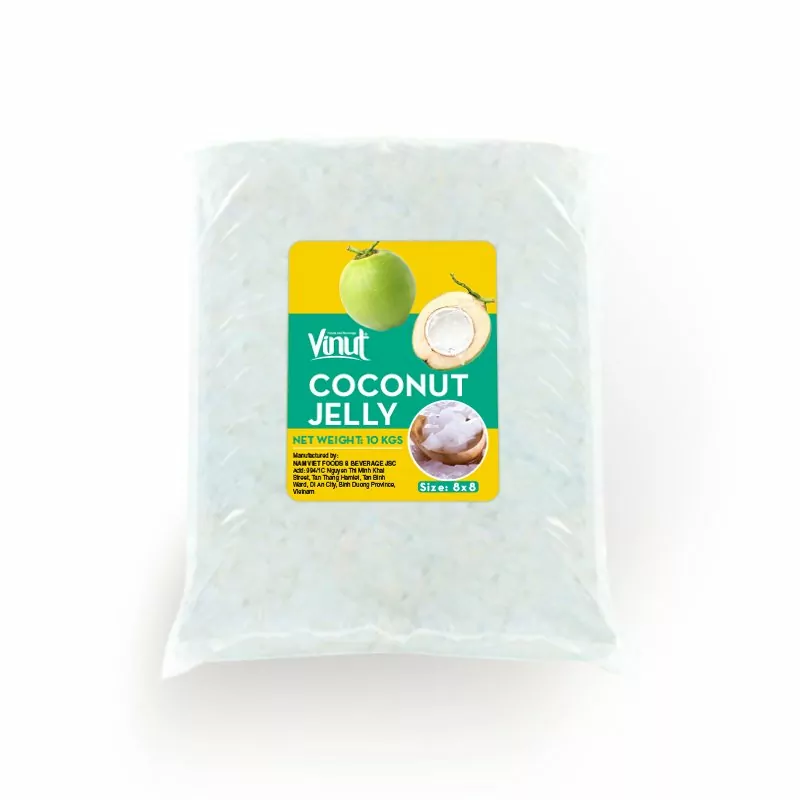
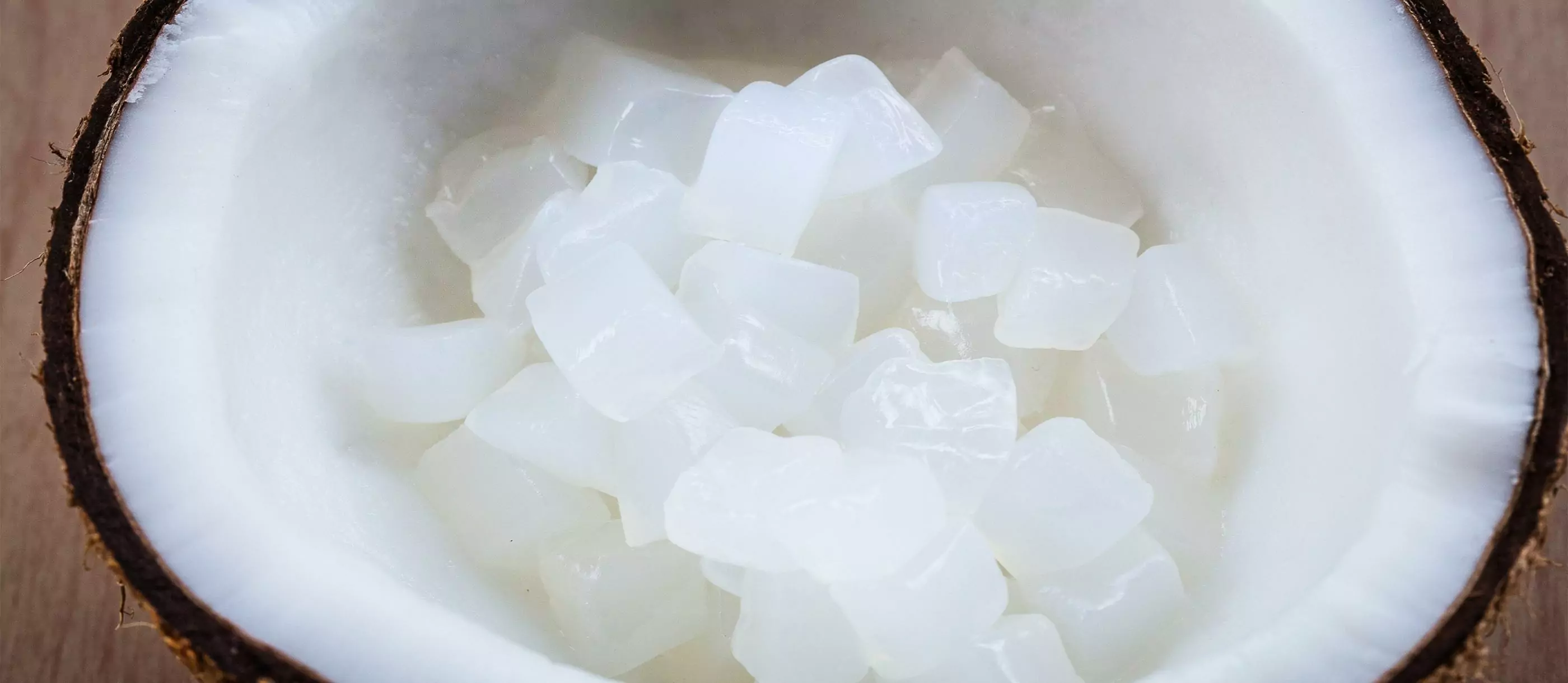
Nata de coco is a chewy, translucent food traditionally produced through the fermentation of coconut water. Its mild sweetness and distinctive texture make it popular in bubble tea, fruit drinks, smoothies, desserts, and other beverages. It can be eaten directly or used as a topping for drinks and desserts.
- Nata de coco is a chewy and translucent ingredient traditionally made from fermented coconut water.
- It is widely used as a topping for bubble tea, fruit drinks, smoothies, and other beverages.
- Its mild flavor makes it easy to combine with many fruits, teas, and creamy drinks.
- Nata de coco can also be enjoyed with ice cream, frozen yogurt, shaved ice, and fruit salads.
- It can be eaten directly or incorporated into both beverages and desserts.
- - Its distinctive chewy texture is one reason it has become popular in modern beverage concepts.
Listen to the article summary
AI-generated voice · English · 2:06
Read transcript
Nata de Coco, a translucent and chewy gelatinous substance derived from coconut water, has become a popular and trending topping for various beverages and desserts. It is traditionally produced through the fermentation of coconut water, resulting in its characteristic firm, jelly-like texture and mild taste. This versatile ingredient can be enjoyed in many types of drinks due to its mild flavor and chewy texture, which pairs well with different bases. Popular applications include bubble tea, where it adds a chewy texture alongside tapioca pearls, and fruit teas, complementing flavors like mango, lychee, and peach. Nata de Coco also enhances smoothies and milkshakes by adding texture, and it works well with tropical fruit juices and sparkling beverages. In Japan, Nata de Coco is a notable ingredient in drinks such as Ramune, a carbonated soft drink, and Mitsuya Cider, another popular carbonated beverage. The combination of the fizzy drinks with the chewy Nata de Coco creates a unique sensory experience. While Nata de Coco can be consumed as a beverage on its own, 'Nata de Coco juice' typically refers to the liquid produced during its fermentation process, which can be used as a base for refreshing, often fruit-flavored, drinks. Beyond beverages, Nata de Coco is a trending topping for both hot and cold coffee and tea, providing a unique contrast to the liquid base. It's also found in frozen treats like ice cream, frozen yogurt, and shaved ice, where it adds a chewy element and absorbs flavors from syrups. Furthermore, Nata de Coco can be enjoyed in jelly cups, added to fruit salads to enhance texture and flavor, and incorporated as an ingredient in various desserts like cakes and pastries, or even savory salads for a contrasting texture and mild sweetness.
Nata de Coco, a translucent and chewy gelatinous substance derived from coconut water, has gained popularity as a trendy topping for various beverages. This article aims to provide an in-depth understanding of nata de coco, its uses, and how it can be enjoyed. We will explore different ways to consume nata de coco, discover Japanese drinks that incorporate this unique ingredient, discuss the possibility of drinking nata de coco juice, and delve into the growing trend of using nata de coco as a topping for beverages. Additionally, we’ll explore various methods to eat nata de coco and highlight its versatile applications.
Sub Outline
1. How Do You Drink Nata de Coco?
Nata de coco can be enjoyed in many types of beverages. Its mild flavor and chewy texture make it easy to pair with different drink bases.
Popular ways to enjoy nata de coco include:
Bubble tea: Adds a chewy texture alongside tapioca pearls or other toppings.
Fruit tea: Pairs well with mango, lychee, peach, and other tropical flavors.
Smoothies: Adds texture to blended fruit and yogurt-based drinks.
Milkshakes: Creates a chewy contrast with creamy beverages.
Fruit juice: Works well with tropical juices such as mango, pineapple, or coconut.
Sparkling drinks: Adds an interesting texture to refreshing carbonated beverages.
These options show why nata de coco has become a versatile ingredient in modern beverage creations.
1.1. Bubble Tea or Boba Drinks
Bubble tea or boba drinks have gained immense popularity worldwide, and nata de coco provides an excellent addition to these beverages. The chewy texture of nata de coco complements the tapioca pearls in bubble tea, providing a delightful and satisfying experience.
Example: In a refreshing fruit-flavored bubble tea, the nata de coco adds a pleasant chewiness, enhancing the overall mouthfeel and taste. It can be combined with other toppings like jelly or grass jelly for added variety.
1.2. Smoothies and Milkshakes
Nata de Coco can be blended into smoothies and milkshakes, adding a unique chewy texture and enhancing the flavor profile. Its ability to absorb the flavors of the surrounding ingredients makes it an ideal choice for creating flavorful beverages.
Example: A tropical smoothie made with pineapple, banana, coconut milk, and a generous amount of nata de coco delivers a refreshing and satisfying treat. The chewy bits of nata de coco provide bursts of flavor with every sip.
2. What Japanese Drink Has Nata de Coco?
In Japan, nata de coco is a popular ingredient in various beverages. Let’s explore two notable examples:
2.1. Ramune
Ramune, a carbonated soft drink, often features nata de coco as an exciting addition. The combination of the fizzy drink with the chewy texture of nata de coco creates a unique experience for the taste buds.
Example: When indulging in a Ramune drink with nata de coco, you will enjoy the effervescence of the soda along with the delightful texture and mild sweetness of the nata de coco cubes.
2.2. Mitsuya Cider
Mitsuya Cider, a popular Japanese carbonated beverage, also incorporates nata de coco. This refreshing drink offers a balance between its fizzy nature and the chewiness of nata de coco, providing an enjoyable sensory experience.
Example: Imagine sipping on a cold bottle of Mitsuya Cider filled with nata de coco. As you take each sip, the bubbles tickle your palate while the nata de coco adds a pleasant chewiness, making it an irresistible combination.
3. Can You Drink Nata de Coco Juice?
Nata de Coco can be consumed as a beverage on its own. However, it’s important to note that nata de coco juice typically refers to the liquid produced during the fermentation process of nata de coco, rather than the gelatinous cubes themselves.
3.1. Nata de Coco Juice-Based Drinks
The juice derived from the fermentation process of nata de coco can be used as a base for various refreshing drinks. These beverages often feature fruit flavors and a hint of tanginess, offering a unique twist to traditional fruit juices.
Example: A refreshing blend of nata de coco juice, pineapple juice, and a squeeze of lime creates a tropical beverage with a delightful balance of sweetness and acidity. The nata de coco juice adds a distinct texture to this thirst-quenching drink.
4. Nata de Coco: A New Trending Topping for Beverages
In recent years, nata de coco has emerged as a trending topping for beverages worldwide. Its chewy and translucent texture, combined with its mild sweetness, adds an exciting element to various drinks.
4.1. Coffee and Tea
Nata de coco can be used as a topping in both hot and cold coffee or tea beverages. It provides a unique contrast to the liquid base, giving an interesting twist to traditional flavors.
Example: Picture a cup of iced coffee with a generous scoop of nata de coco on top. As you take a sip, the creamy coffee blends with the chewy bits of nata de coco, creating a delightful combination of flavors and textures.
4.2. Frozen Treats
Nata de coco is also findingits way into frozen treats, adding both texture and flavor to these delightful desserts.
4.2.1. Ice Cream and Frozen Yogurt
Nata de coco is often used as a topping for ice cream and frozen yogurt, providing a unique chewy element amidst the creamy base. It offers a pleasant surprise with every spoonful.
Example: Imagine enjoying a scoop of creamy coconut ice cream topped with nata de coco cubes. The contrast between the smoothness of the ice cream and the chewiness of the nata de coco creates an indulgent dessert experience.
4.2.2. Shaved Ice or Snow Cones
Nata de coco can be sprinkled over shaved ice or snow cones, enhancing the overall taste and texture of these icy treats. Its ability to absorb flavors makes it an ideal companion for flavored syrups.
Example: In a refreshing bowl of shaved ice drizzled with strawberry syrup, the addition of nata de coco adds a delightful bite. With each spoonful, you experience the coolness of the ice, the burst of fruity flavor, and the satisfying chewiness of the nata de coco.
5. How to Eat Nata de Coco
Nata de coco can be enjoyed on its own or combined with other ingredients to create delicious snacks and desserts. Here are a few ways to consume nata de coco:
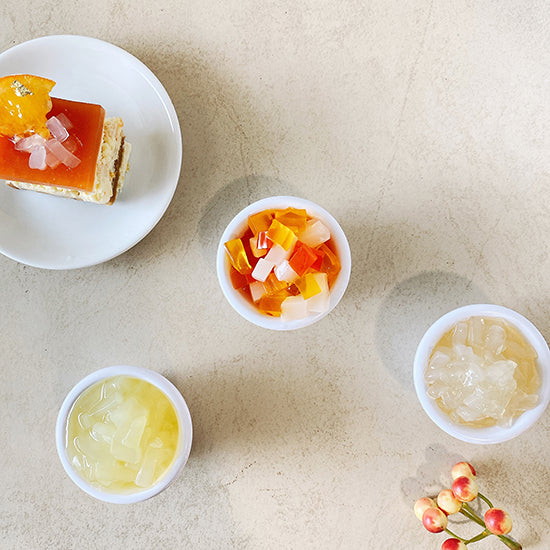
5.1. Nata de Coco Jelly Cups
Nata de coco jelly cups are a popular treat that combines the refreshing nature of jelly with the chewy texture of nata de coco. These cups come in various flavors and make for a delightful snack or dessert option.
Example: A clear plastic cup filled with layers of fruit-flavored jelly and nata de coco cubes is not only visually appealing but also provides a fun eating experience. Each spoonful offers a combination of jiggly jelly and chewy nata de coco, making it an enjoyable treat for all ages.
5.2. Fruit Salad
Nata de coco can be added to fruit salads to enhance their texture and flavor. Its mild sweetness complements the natural sweetness of fruits, creating a refreshing and satisfying dish.
Example: A tropical fruit salad consisting of pineapple chunks, watermelon cubes, mango slices, and nata de coco creates a medley of flavors and textures. The nata de coco adds a delightful chewiness that pairs well with the juicy fruits, making it a delectable and healthy dessert option.
6. What Is Nata de Coco Used For?
Nata de coco has multiple applications beyond being a topping for beverages. Let’s explore some of its uses:
6.1. Dessert Ingredient
Nata de coco is commonly used as an ingredient in various desserts. It can be incorporated into cakes, pastries, custards, and jellies, adding a unique texture and flavor to these sweet treats.
Example: In a coconut-flavored cake, nata de coco can be added to the batter, providing bursts of chewiness throughout each slice. It adds a layer of complexity to the cake, transforming it into a memorable dessert.
6.2. Salad Ingredient
Nata de coco can be included in savory salads to add a contrasting texture and mild sweetness. Its versatility allows it to complement both vegetable-based and protein-based salads.
Example: A refreshing chicken and fruit salad with mixed greens, grilled chicken strips, diced apples, grapes, and nata de coco offers a delightful contrast of flavors and textures. The addition of nata de coco provides a pleasant chewiness alongside the crispness of the vegetables and the tenderness of the chicken.
Conclusion
Nata de Coco has emerged as a new trending topping for beverages, captivating taste buds with its chewy texture and mild sweetness. From bubble tea and smoothies to Japanese drinks like Ramune and Mitsuya Cider, nata de coco offers a unique sensory experience. It can be enjoyed in various ways, including as a topping for coffee, tea, frozen treats, and even as an ingredient in desserts and salads. With its versatility and ability to enhance both sweet and savory dishes, nata de coco is undoubtedly a delightful addition to the culinary world.
FAQ
1. What is nata de coco?
Nata de coco is a chewy, translucent food traditionally produced through the fermentation of coconut water. It has a mild taste and is commonly used in beverages and desserts.
2. What is nata de coco made from?
Nata de coco is traditionally made from coconut water through a fermentation process. The process creates its characteristic firm, jelly-like texture.
3. How do you eat nata de coco?
Nata de coco can be eaten directly or added to fruit salads, jelly cups, ice cream, frozen yogurt, and other desserts.
4. Can you put nata de coco in drinks?
Yes. Nata de coco works particularly well in bubble tea, fruit drinks, smoothies, milk-based beverages, and other refreshing drinks.
5. Is nata de coco the same as boba?
No. Traditional boba pearls are usually made from tapioca starch. Nata de coco is traditionally produced from fermented coconut water and has a different texture.
6. What does nata de coco taste like?
Nata de coco generally has a mild flavor and chewy texture. Its taste can also vary depending on the syrup or beverage in which it is served.
7. Why is nata de coco popular in beverages?
Its chewy texture creates contrast with liquid beverages. Its relatively mild flavor also allows it to complement fruit, tea, milk, and other drink bases.
8. What drinks go well with nata de coco?
Nata de coco can complement bubble tea, fruit juice, smoothies, milk-based drinks, sparkling beverages, and tropical drinks.
About this article

The VINUT editorial team publishes articles about beverage ingredients, product characteristics, and practical information for readers and international buyers.