Buyer Briefing
5 min read · 1,067 words
Noni juice, made from the fruit of Morinda citrifolia, has been used in traditional Pacific Island medicine for centuries. It contains vitamin C, potassium, and antioxidants, and some human studies suggest modest benefits for joint health and immune markers — though evidence for many popular claims, including cancer and diabetes, remains limited. It may also interact with certain medications.
- Noni, or Morinda citrifolia, is a fruit with a long history of medicinal use in tropical cultures, especially the Pacific Islands.
- Scientific research suggests noni possesses anti-inflammatory, antioxidant, and immune-enhancing properties.
- Noni juice is rich in vitamins (like C), minerals (like potassium), phytochemicals, and xeronine, contributing to its health claims.
- Regular intake of noni juice may help enhance physical endurance, reduce aging impacts, lower blood pressure, and improve joint health.
- Noni's antioxidants and bioactive compounds make it beneficial for skincare, helping to combat oxidative stress and promote skin regeneration.
- Noni can be consumed as juice, in smoothies, teas, or dishes, and is also available in capsule or powder form.
- Individuals with kidney problems should be cautious due to noni's high potassium content, and consulting a healthcare provider before use is advisable.
- Future research continues to explore noni's potential in addressing chronic conditions such as cancer, diabetes, and heart disease.
Noni, scientifically known as Morinda citrifolia, is more than just a fruit—it’s a centuries-old medicinal remedy heralded across various tropical cultures, particularly in the Pacific Islands. Despite its somewhat infamous scent and taste, Noni juice has carved out a niche in the health and wellness community due to its impressive array of purported health benefits. This article will delve deep into the world of noni, exploring everything from its historical roots to contemporary scientific research and practical applications in daily life.
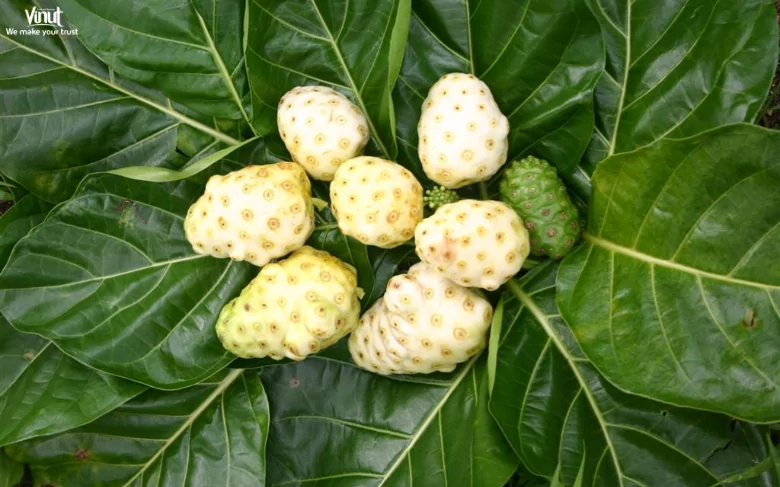
VINUT_Introduction to Noni: Nature’s Wellness Gift
1. The Historical Significance of Noni
The use of noni in traditional medicine spans many Pacific and Southeast Asian cultures. Known for its resilience, the noni tree thrives along rugged Pacific coasts and volcanic soils. Indigenous peoples from Southeast Asia to Australasia have historically used noni's fruit, leaves, and bark to address a variety of ailments, including joint pain, infections, and digestive troubles — long before modern science began studying it.
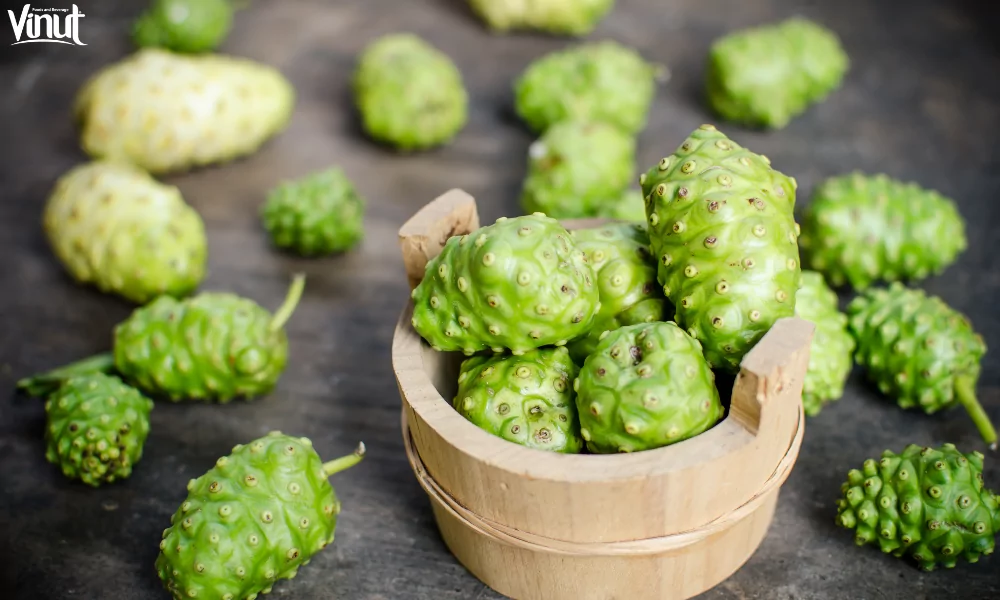
VINUT_Scientific Research Behind Noni’s Health Benefits
2. What Does Current Research Actually Say?
Noni juice has drawn growing scientific interest, but it's important to separate traditional use from what's actually been demonstrated in human studies. A 2018 systematic review of human intervention studies published in the journal Foods (via NIH/PMC) found that noni juice may offer modest benefits in several areas, including:
Reduced markers of oxidative stress in people exposed to tobacco smoke
Some improvements in joint health and physical endurance in small studies
Support for immune activity and antioxidant status
Some support for maintaining normal blood pressure and bone health in limited studies
Important context: The same review notes that all published human trials to date have involved a single source of French Polynesian noni juice, so these findings may not generalize to all noni juice products. Independent medical sources, including WebMD, are more direct: while people use noni for cancer, high blood pressure, diabetes, and other serious conditions, there is currently no good scientific evidence to support noni juice as a treatment for these conditions. Noni juice should never be used as a substitute for medical treatment, and anyone considering it for a health condition should talk to a doctor first.
Note: Noni juice marketing has previously drawn regulatory scrutiny — a major noni juice company was the subject of a U.S. Federal Trade Commission action over misleading health claims. This is a useful reminder to approach bold health claims about noni (or any single food) with healthy skepticism.
3. Noni’s Nutritional Profile: A Closer Look
Noni juice contains a range of vitamins, minerals, and plant compounds. Key nutrients include vitamin C, potassium, and niacin, along with a compound called xeronine that has been studied in early research for its potential role in cell function — though this research is still preliminary.
Nutrient | Notes |
|---|---|
Vitamin C | Contributes antioxidant support |
Potassium | Present in notably high amounts — a key safety consideration (see Precautions) |
Vitamin A | Present in smaller amounts |
Niacin (B3) | Supports normal metabolism |
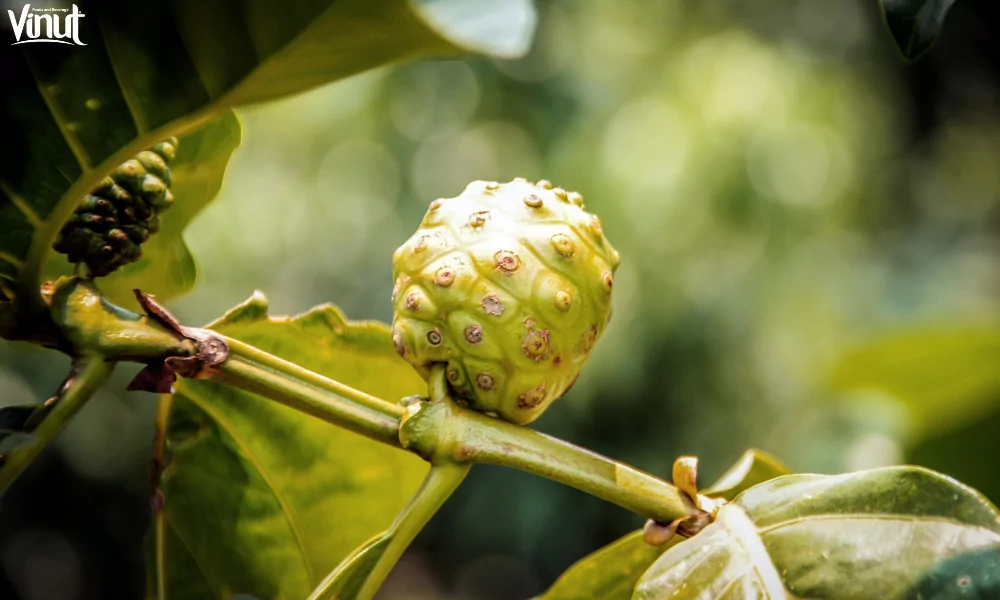
VINUT_Noni’s Nutritional Profile: A Closer Look
4. Health Benefits of Noni Juice
Among the various forms of noni consumption, noni juice is perhaps the most popular. Touted for its ability to enhance physical endurance and reduce the impacts of aging, noni juice is often consumed as a daily supplement. Studies suggest that regular intake of noni juice may aid in reducing blood pressure, improving joint health, and enhancing overall vitality.
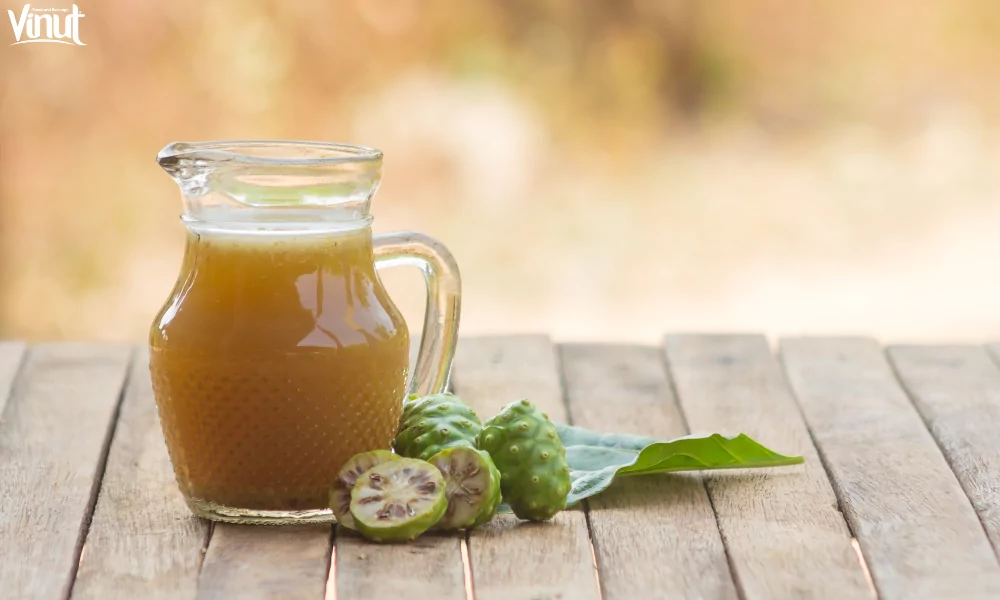
VINUT_Health Benefits of Noni Juice
4.1 Noni for Skincare: More than Just a Trend
The antioxidants in noni make it a valuable component in skincare regimes aiming to combat the oxidative stress caused by environmental pollutants and UV radiation. Noni’s bioactive compounds can help reduce inflammation and promote skin regeneration, making it a sought-after ingredient in creams, serums, and masks aimed at soothing and rejuvenating the skin.
4.2 The Role of Noni in Traditional Medicine
Revisiting the roots of Noni’s traditional uses gives us a glimpse into its versatility and adaptability. In Polynesia, noni leaves were used for their analgesic properties, often wrapped around painful joints or areas inflicted with skin ailments. The fruit itself was used as a laxative or as a general health tonic, indicative of its broad therapeutic applications.
5. How to Use Noni in Your Daily Life
Noni juice is the most common way to consume this fruit, given the fresh fruit's strong smell and flavor. Other options include:
Noni supplements: Available as capsules or powders for those who want to avoid the taste of the juice directly.
Blended into smoothies: A small amount of noni juice can be blended with milder fruits like banana and coconut water to offset its strong flavor.
Noni tea: Some traditional preparations simmer noni fruit or leaves with ginger and honey.
Looking for a milder, everyday alternative rich in antioxidants? Explore VINUT's fruit juice range for export-ready options.
6. Precautions and Safety Considerations
Noni juice carries some real safety considerations that are worth knowing before adding it to your routine:
High potassium content: People with kidney problems should be cautious, as noni's high potassium levels could be harmful if the kidneys can't process excess potassium efficiently.
Blood pressure medications: Combining noni with certain blood pressure medications may raise potassium levels too high.
Liver health: There have been reports associating noni consumption with liver harm; people with existing liver conditions, or those taking medications that affect the liver, should be especially cautious.
Blood thinners : Noni may reduce the effectiveness of warfarin, potentially increasing the risk of blood clotting.
Diuretics ("water pills"): Combining these with noni may lead to excessively high potassium levels.
Phenytoin (anti-seizure medication): Noni may reduce blood levels of phenytoin, potentially reducing its effectiveness.
If you take any prescription medication or have a kidney or liver condition, talk to your doctor before adding noni juice to your routine. This article is for informational purposes only and is not a substitute for professional medical advice.
7. Conclusion: Noni’s Place in Modern Wellness
Noni has a rich history in traditional Pacific Island medicine, and modern research has begun to explore some of its properties — particularly its antioxidant content and possible modest benefits for joint health and immune markers. However, many of the bolder claims associated with noni juice, especially around serious conditions like cancer and diabetes, are not well supported by current evidence. As with any supplement, it's best approached as a complementary addition to a healthy lifestyle — not a medical treatment — and always with awareness of its potential medication interactions.
Looking for a well-documented, export-ready fruit juice option instead? Explore VINUT's product catalog or request a free catalog to learn about our beverage solutions.
Related reading: Cherry Benefits for Heart, Brain, and Sleep · Dragon Fruit Benefits, Types & Nutrition Facts
VINUT products
Explore related drinks
View ingredients, sizes and packaging.
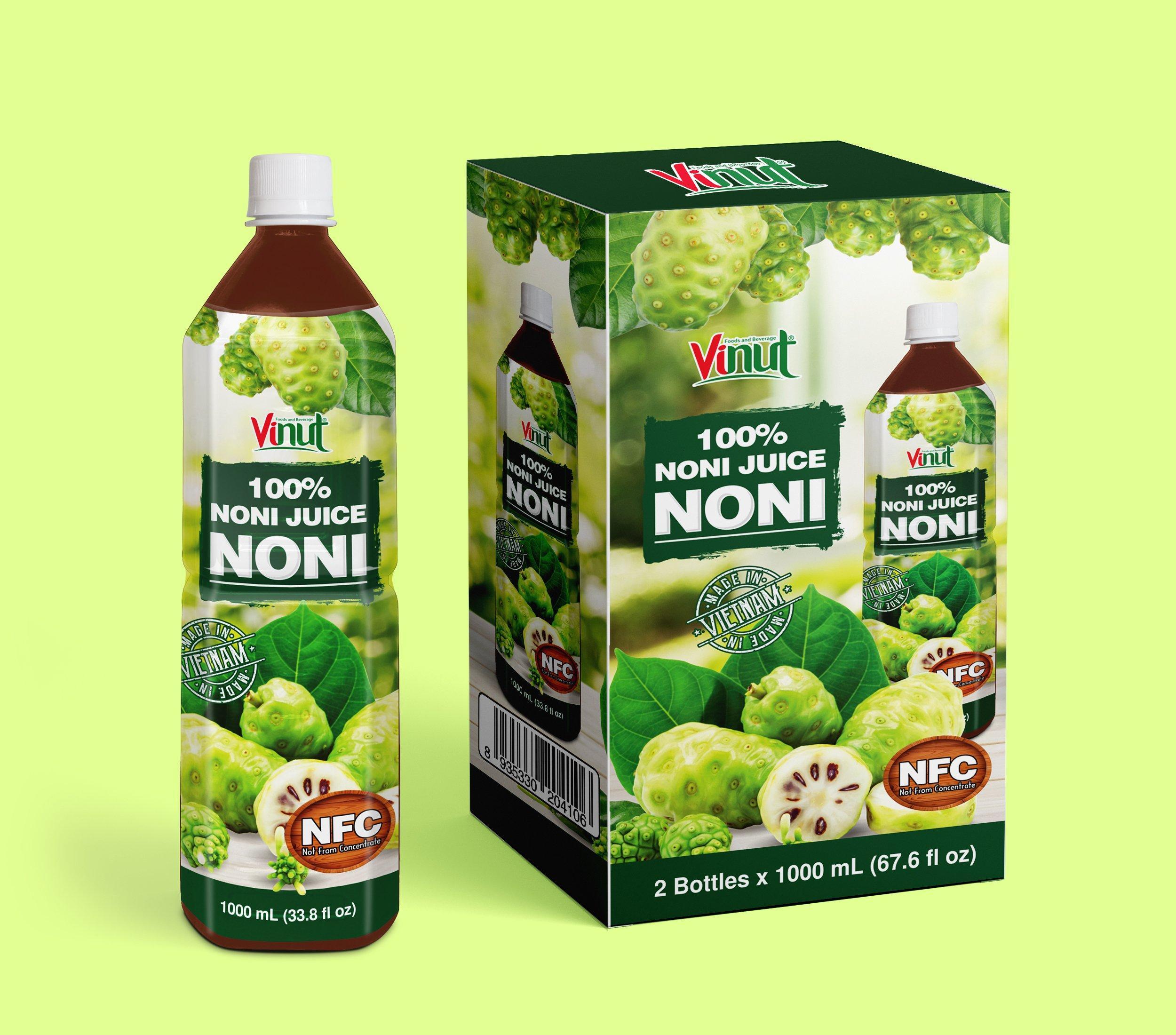
VINUT 100% Noni Juice, Made in Vietnam 100%, NFC, PET Bottle, 1000 mL (33.8 fl oz)
1000 mL (33.8 fl oz) · PET Bottle
View product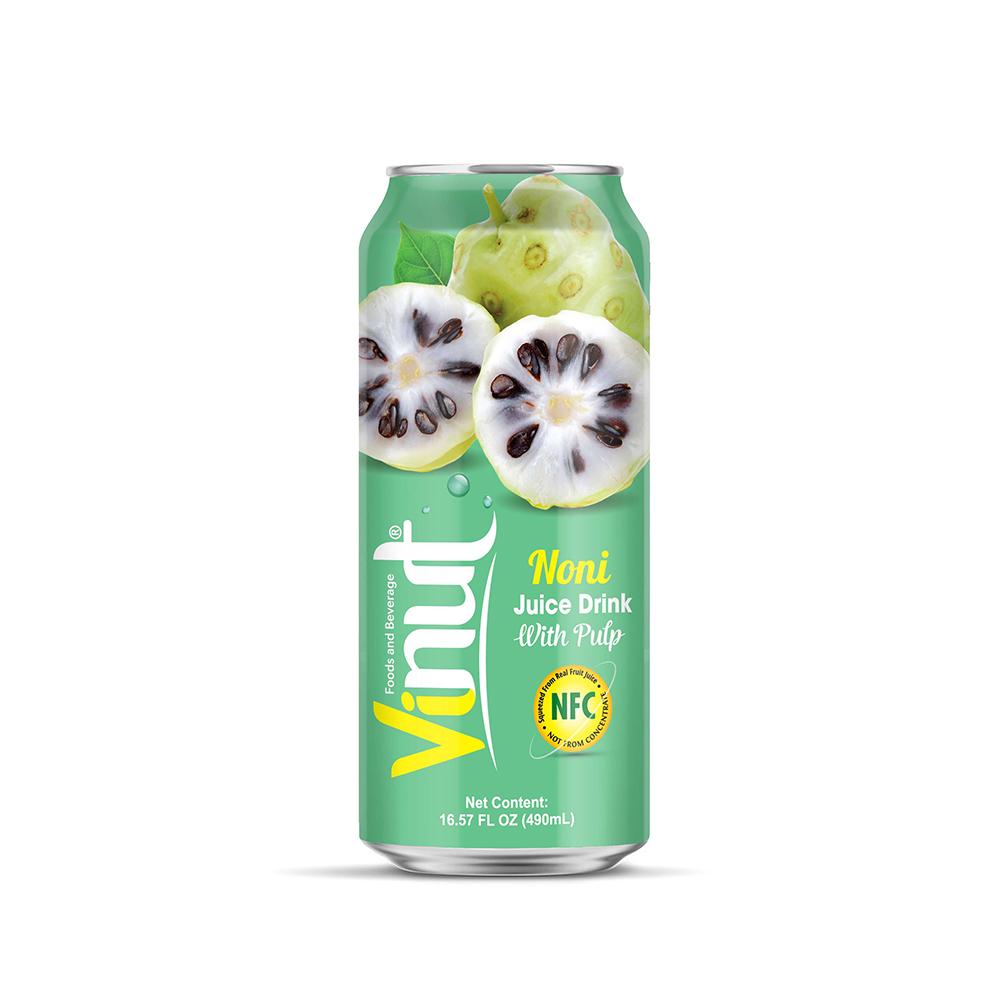
VINUT Noni Juice Drink, With Pulp, NFC Squeezed From Real Fruit Juice Not From Concentrate, Can, 16.57 fl oz (490 mL)
16.57 fl oz (490 mL) · Can (Tinned)
View product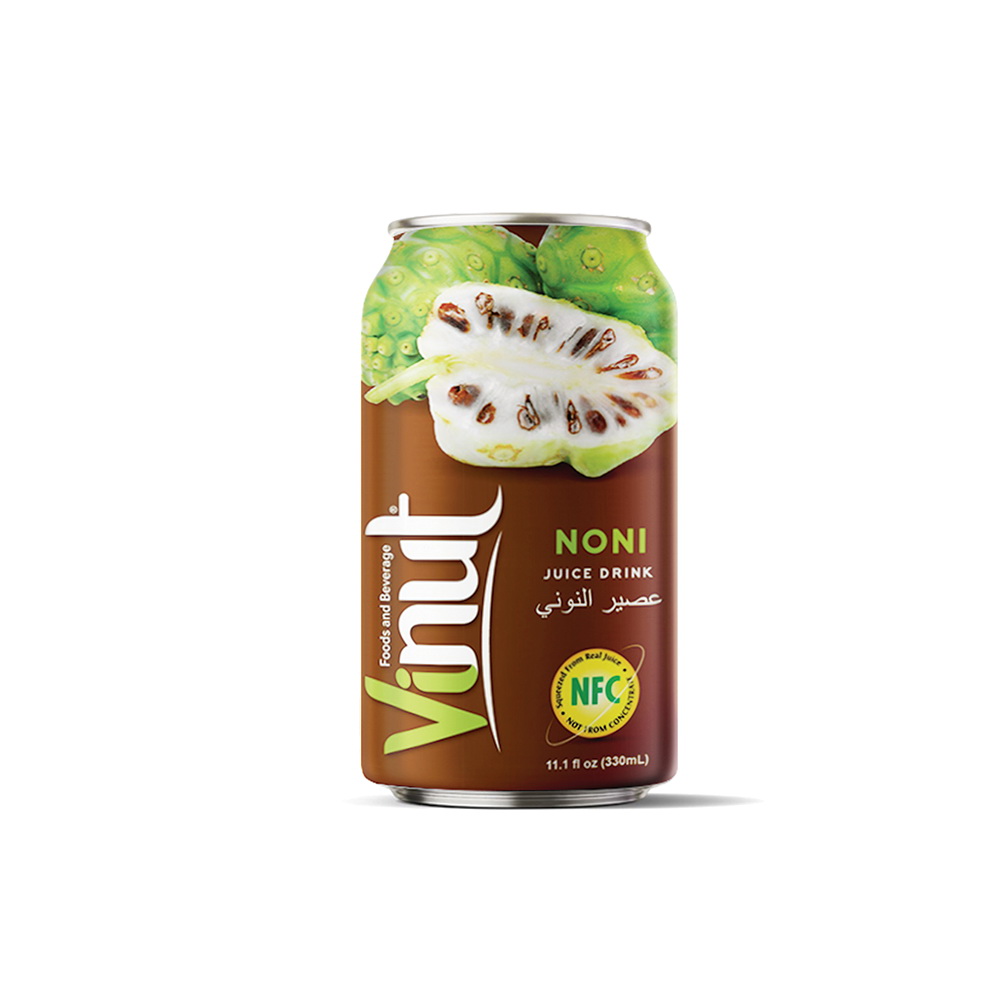
VINUT Noni Juice Drink, NFC Squeezed From Real Juice Not From Concentrate, Can, 11.1 fl oz (330 mL)
11.1 fl oz (330 mL) · Can (Tinned)
View product
FAQ
Is noni juice scientifically proven to treat cancer or diabetes?
No. While some early research explores noni's antioxidant and anti-inflammatory properties, there is currently no strong scientific evidence that it treats or prevents cancer, diabetes, or other chronic diseases. It should never replace medical treatment.
What does noni juice taste like?
Noni fruit has a notoriously strong, unpleasant smell and flavor, often described as similar to aged cheese — which is why it's almost always consumed as processed juice rather than eaten fresh.
Can noni juice interact with medications?
Yes. Noni may interact with blood pressure medications, blood thinners like warfarin, certain diuretics, and the anti-seizure medication phenytoin. Consult a doctor before use if you take any of these.
Who should avoid drinking noni juice?
People with kidney problems (due to high potassium content), liver conditions, or those on the medications listed above should avoid noni juice or consult a doctor first.
How is noni juice traditionally made?
Traditionally, ripe noni fruits are placed in sealed containers to ferment for about two months, though fresh noni juice can also be made by simply pressing the ripe fruit.
About this article
The VINUT editorial team publishes articles about beverage ingredients, product characteristics, and practical information for readers and international buyers.