

Buyer Briefing
5 min read · 901 words
Oranges, strawberries, guava, and kiwi are among the richest fruit sources of Vitamin C — guava and kiwi actually contain more Vitamin C per serving than oranges. Regularly eating these fruits supports immunity, skin health, and iron absorption.
- Guava contains more than 4x the Vitamin C of an orange, making it one of the richest natural sources.
- A single kiwi and one cup of strawberries each provide close to or more than 100% of daily Vitamin C needs.
- Vitamin C supports immune function, collagen production, and iron absorption from plant-based foods.
- Eating fruit fresh (rather than cooked) helps preserve its Vitamin C content.
- Rotating oranges, strawberries, guava, and kiwi in your diet ensures a well-rounded nutrient intake beyond just Vitamin C.
Listen to the article summary
AI-generated voice · English · 2:31
Read transcript
Vitamin C is an essential nutrient vital for overall health, boosting immunity, enhancing skin health, and aiding iron absorption. While oranges are a well-known source, several other fruits are equally, if not more, potent in this nutrient. Oranges are a popular source, with one medium-sized orange providing over 70% of the daily recommended intake. They enhance immune function by stimulating white blood cell production, promote glowing skin through antioxidants and collagen production, and protect against oxidative stress. Oranges also support heart health by potentially lowering cholesterol and improving circulation, and aid hydration due to their high water content. Strawberries are another powerhouse, with a single cup offering nearly 100% of the recommended daily intake. They support collagen production for firm skin, reduce inflammation with compounds like anthocyanins, and boost heart health through a combination of Vitamin C, fiber, and antioxidants. Strawberries also aid in weight management as they are low in calories but high in fiber, and improve brain health due to their antioxidants. Guava surpasses oranges in Vitamin C content, with just one guava containing more than four times the amount found in an orange, making it one of the richest natural sources. Guava improves digestion due to its rich dietary fiber, boosts immunity, and promotes radiant skin by combating oxidative stress. It also helps regulate blood sugar levels and supports eye health, being rich in Vitamin A. Kiwi is also an excellent source, containing more Vitamin C than an orange. This fruit enhances iron absorption from plant-based foods, strengthens immunity with its high antioxidant content, and aids in maintaining healthy skin by promoting collagen synthesis. Kiwi supports digestive health with the enzyme actinidin and improves sleep quality due to serotonin. In conclusion, while oranges are a classic, strawberries, guavas, and kiwis offer comparable or greater Vitamin C content, each providing unique benefits. Incorporating a variety of these fruits, whether fresh, blended, or as juice, is an easy and tasty way to meet your Vitamin C needs and support overall wellness.
Vitamin C is an essential nutrient that plays a crucial role in maintaining overall health. It boosts immunity, enhances skin health, and aids in the absorption of iron, making it an indispensable part of a balanced diet. While many people immediately think of oranges when it comes to Vitamin C, several other fruits are just as rich — if not richer — in this vital nutrient. Here are four fruits high in vitamin C that are excellent sources of Vitamin C and the unique benefits they offer.
1. Why Is Orange a Good Source of Vitamin C?
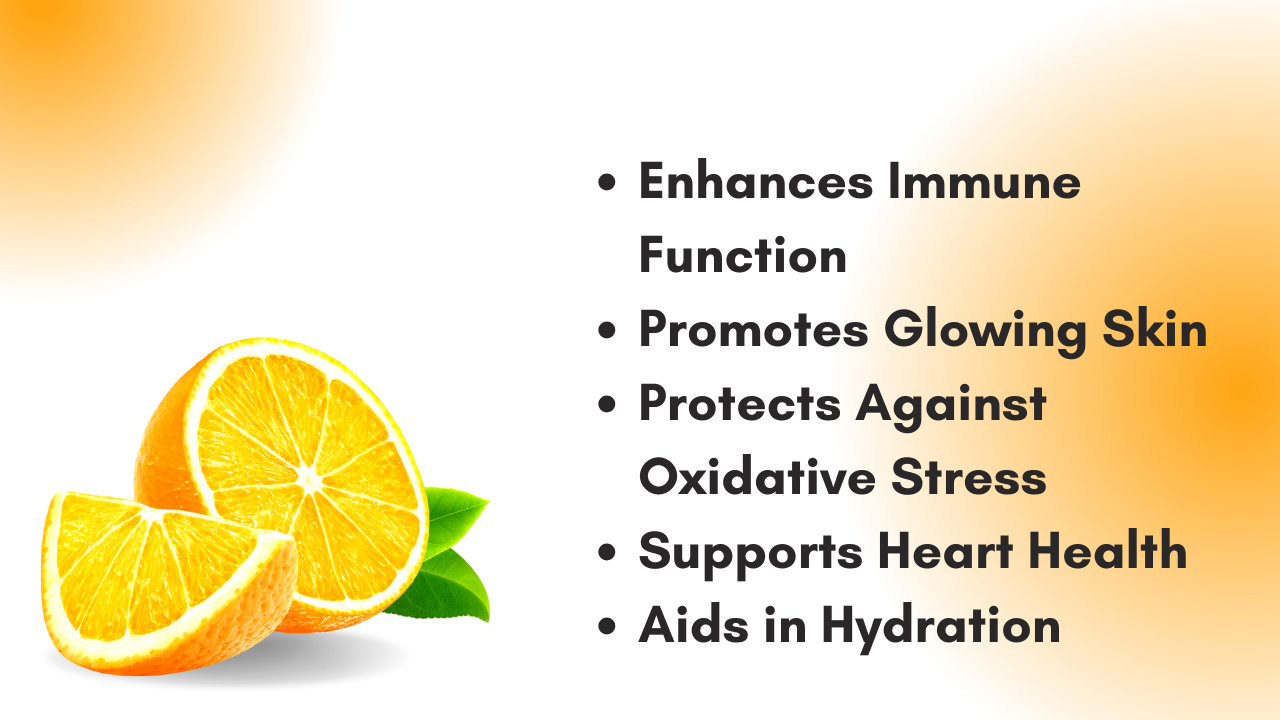
Oranges are among the most popular sources of Vitamin C, with one medium-sized orange providing more than 70% of the daily recommended intake. This citrus fruit is also rich in fiber and antioxidants, making it a well-rounded choice for overall health.
VINUT_Orange
1.1 Key Benefits:
Enhances Immune Function: Vitamin C helps stimulate the production of white blood cells, which are crucial for fighting infections and diseases.
Promotes Glowing Skin: The high antioxidant content helps neutralize free radicals, reducing signs of aging and promoting collagen production.
Protects Against Oxidative Stress: Oranges contain flavonoids and carotenoids that support cellular health and reduce inflammation.
Supports Heart Health: Regular consumption of oranges has been linked to lower cholesterol levels and improved blood circulation, reducing the risk of heart disease.
Aids in Hydration: Oranges have a high water content, helping keep the body hydrated and supporting overall metabolic functions.
2. Why Are Strawberries Rich in Vitamin C?
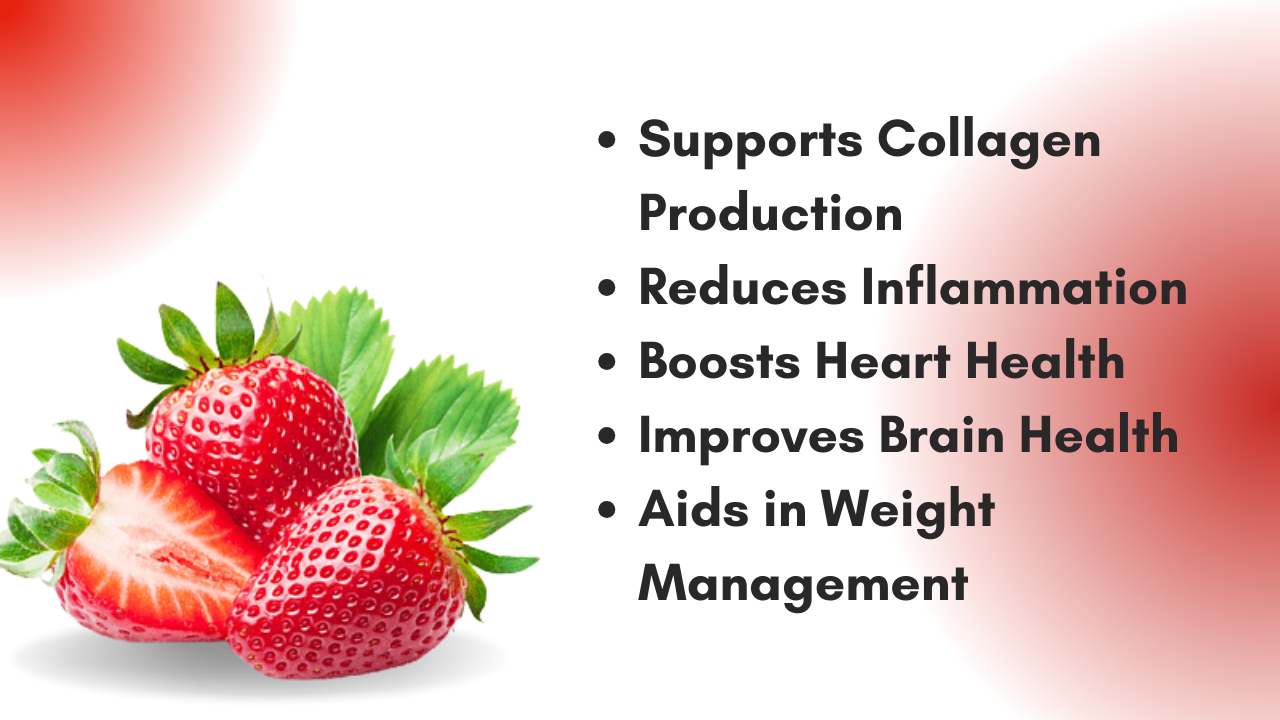
Strawberries are another powerhouse when it comes to Vitamin C. A single cup of strawberries provides nearly 100% of the recommended daily intake. Beyond their sweet, juicy taste, they offer a wide range of health benefits.
VINUT_Strawberry
2.1 Key Benefits:
Supports Collagen Production: Vitamin C is essential for collagen synthesis, which keeps skin firm and elastic, reducing wrinkles and fine lines.
Reduces Inflammation: Strawberries contain anti-inflammatory compounds like anthocyanins, which help lower the risk of chronic diseases such as heart disease.
Boosts Heart Health: The combination of Vitamin C, fiber, and antioxidants in strawberries can help regulate blood pressure and improve overall cardiovascular health.
Aids in Weight Management: Strawberries are low in calories but high in fiber, making them a great addition to a balanced diet for weight control.
Improves Brain Health: The antioxidants in strawberries have been linked to better cognitive function and a reduced risk of neurodegenerative diseases.
3. Why Does Guava Have More Vitamin C Than Oranges?
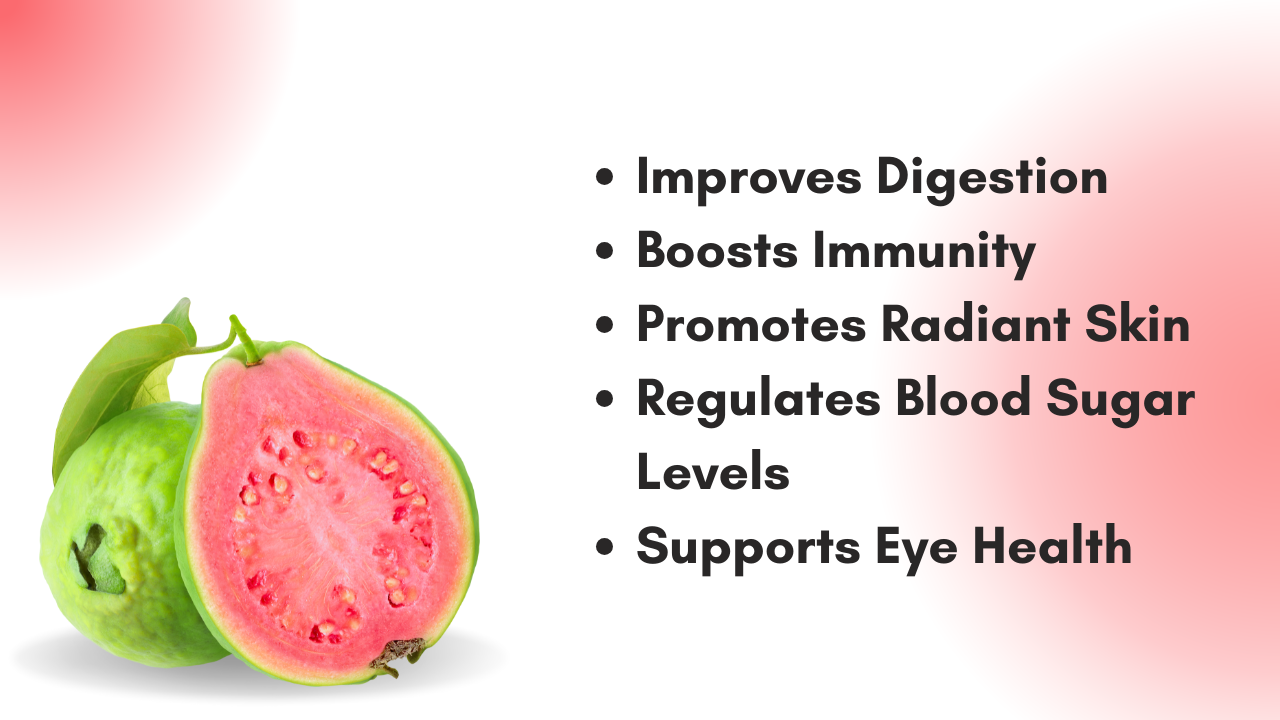
Guava is a tropical fruit that surpasses oranges in Vitamin C content. Just one guava contains more than four times the amount of Vitamin C found in an orange, making it one of the richest natural sources of this essential vitamin.
VINUT_Guava
3.1 Key Benefits:
Improves Digestion: Guava is rich in dietary fiber, which aids digestion and helps prevent constipation.
Boosts Immunity: The high Vitamin C content strengthens the immune system, helping the body fend off infections more effectively.
Promotes Radiant Skin: The antioxidants in guava help combat oxidative stress, leading to healthier, more youthful-looking skin.
Regulates Blood Sugar Levels: Guava has a low glycemic index and is beneficial for people managing diabetes.
Supports Eye Health: Rich in Vitamin A, guava contributes to better vision and reduces the risk of age-related eye conditions.
4. Why Is Kiwi a Great Source of Vitamin C?
A single kiwi contains more Vitamin C than an orange, making it an excellent addition to your diet. This small but mighty fruit is also packed with dietary fiber, potassium, and other essential nutrients.
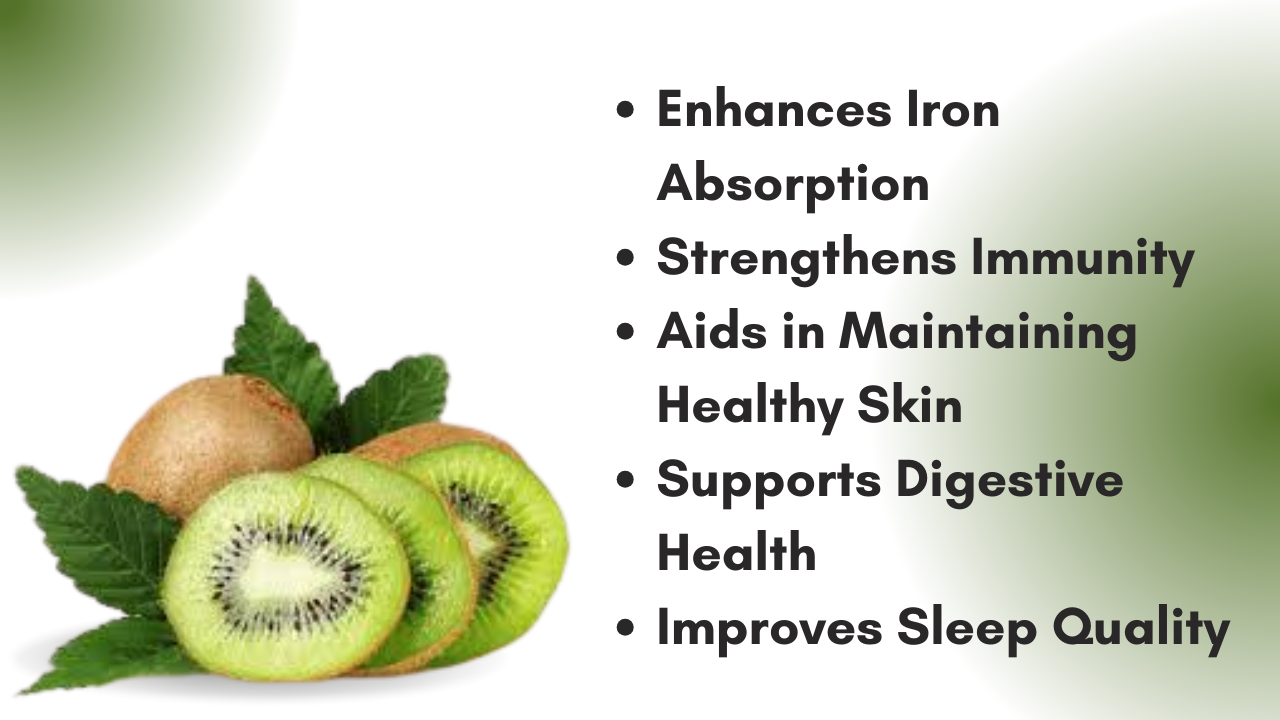
VINUT_Kiwi
4.1 Key Benefits:
Enhances Iron Absorption: Vitamin C enhances the absorption of iron from plant-based foods, making kiwi a great choice for individuals prone to iron deficiency.
Strengthens Immunity: With its high antioxidant content, kiwi helps protect the body against infections and strengthens the immune response.
Aids in Maintaining Healthy Skin: The Vitamin C in kiwi promotes collagen synthesis, which is essential for keeping the skin hydrated, firm, and resilient.
Supports Digestive Health: Kiwi contains an enzyme called actinidin that aids in protein digestion, reducing bloating and discomfort.
Improves Sleep Quality: Kiwi is known to contain serotonin, a compound that promotes better sleep and relaxation.
Incorporating these Vitamin C-rich fruits into your diet can offer a multitude of health benefits, from boosting immunity to improving skin health. While oranges are a classic source, strawberries, guavas, and kiwis provide just as much—if not more—Vitamin C, along with unique advantages that contribute to overall wellness. By including a variety of these fruits in your daily meals, you can ensure optimal nutrition while enjoying delicious and refreshing flavors. Whether eaten fresh, blended into smoothies, or added to salads, these fruits are an easy and tasty way to meet your Vitamin C needs.
5. Conclusion
Vitamin C remains one of the most important nutrients for a healthy immune system, radiant skin, and efficient iron absorption — and oranges are far from the only way to get it. Guava and kiwi actually outshine oranges in Vitamin C content, while strawberries come remarkably close, each bringing its own extra set of benefits, from better digestion to improved sleep quality. Rather than relying on a single fruit, rotating oranges, strawberries, guava, and kiwi through your weekly diet is the simplest way to cover your daily Vitamin C needs while enjoying a wider range of flavors and nutrients. Whether fresh, blended into a smoothie, or enjoyed as a ready-to-drink juice, these four fruits make it easy to turn good nutrition into a daily habit.
Related Reading
FAQ
Which fruit has the most Vitamin C?
Among common fruits, guava has one of the highest Vitamin C contents — over four times more than an orange of the same size.
Do strawberries have more Vitamin C than oranges?
Yes, one cup of strawberries can provide nearly 100% of your daily recommended Vitamin C, slightly more than a medium orange.
How much Vitamin C do I need per day?
Most adults need around 65–90 mg of Vitamin C daily, though needs vary by age, sex, and health status.
Can I get too much Vitamin C from fruit?
It's very rare to overconsume Vitamin C from whole fruit; excess intake is more commonly linked to high-dose supplements.
What's the best way to eat these fruits to preserve their Vitamin C?
Eat them fresh and raw when possible, since Vitamin C degrades with heat and prolonged storage.
About this article

The VINUT editorial team publishes articles about beverage ingredients, product characteristics, and practical information for readers and international buyers.