
Buyer Briefing
6 min read · 1,268 words
Basil seeds are small, nutrient-dense seeds from the basil plant, rich in fiber, plant-based omega-3s, antioxidants, and minerals like calcium and iron. Soaked in water for about 30 minutes before eating, 1–2 tablespoons daily can support digestion, blood sugar control, and hydration.
- Basil seeds are packed with fiber, antioxidants, calcium, magnesium, and iron.
- They must be soaked in water for about 30 minutes before eating to develop their signature gel-like texture.
- They're nutritionally similar to chia seeds and flaxseeds but with a milder taste.
- Recommended intake is 1–2 tablespoons of soaked basil seeds per day.
- Start with small amounts to avoid digestive discomfort, especially if the seeds are unsoaked.
Listen to the article summary
AI-generated voice · English · 3:05
Read transcript
Basil seeds, derived from the basil plant, are a nutrient-dense superfood, often overlooked compared to chia and flax seeds. These tiny black seeds originate from tropical regions of central Africa and Southeast Asia and have been used for centuries in culinary and medicinal applications, holding cultural significance in many Asian countries where they are known as "sabja" or "tukmaria." Nutritionally, basil seeds are rich in dietary fiber, which aids digestion and promotes fullness. They also contain healthy fats, protein, vitamins, and minerals like calcium, magnesium, and iron. Their high antioxidant content helps combat oxidative stress and may reduce the risk of chronic diseases. VINUT explores these aspects, noting that research summarized by Healthline supports the antioxidant benefits. To use basil seeds, proper preparation is key. They must be rinsed and then soaked in water for about 30 minutes, during which they swell and develop a gelatinous coating, making them easier to digest. Once prepared, they can be incorporated into various dishes and drinks, including smoothies, puddings, desserts, and traditional beverages like falooda. VINUT's beverage lineup also includes basil seed drinks. For storage, keeping them in an airtight container in a cool, dry place helps maintain their freshness. Basil seeds offer numerous health benefits. Their high fiber content aids digestion and helps regulate blood sugar levels, an effect supported by clinical research on seed fiber and blood sugar. The antioxidants protect against free radicals, potentially reducing the risk of heart disease and cancer, while omega-3 fatty acids support brain health and reduce inflammation. However, there are potential drawbacks: some individuals may experience digestive discomfort if large quantities are consumed, especially if not adequately soaked. It's advised to start with small amounts, such as one teaspoon, and gradually increase intake. Those with allergies to basil should also exercise caution. Alternatives to basil seeds include chia seeds and flaxseeds, both rich in fiber and omega-3s, and suitable for similar culinary uses. Other options like hemp and pumpkin seeds also offer unique nutritional profiles. To maximize the benefits of basil seeds, VINUT suggests starting slowly, pairing them with hydrating foods like fruits and vegetables, and combining them with other superfoods. It's also important to be mindful of portion sizes, with a general guideline of one to two tablespoons of soaked basil seeds per day. Overall, basil seeds are a versatile and nutritious addition to any diet, offering impressive health benefits and culinary flexibility. You can explore VINUT's basil seed drinks or discover more natural superfoods on the VINUT Blog.
Basil seeds, often overshadowed by their more popular counterparts like chia and flax seeds, are a hidden gem in the world of superfoods. These tiny black seeds come from the basil plant (Ocimum basilicum), which is widely known for its aromatic leaves used in cooking. However, basil seeds themselves pack a nutritional punch and offer numerous health benefits.
In this article, VINUT explores everything you need to know about basil seeds, including their origins, how to use them, their pros and cons, alternatives, a step-by-step guide on incorporating them into your diet, and tips for maximizing their benefits.
1. Who Are Basil Seeds?
1.1 Origins of Basil Seeds
These tiny seeds originate from the basil plant, native to tropical regions of central Africa and Southeast Asia. The seeds are harvested from the flower spikes of the basil plant and have been used for centuries in various culinary and medicinal applications. In many cultures, particularly in Southeast Asia, they are considered a traditional remedy for different ailments and are often used in desserts and beverages.
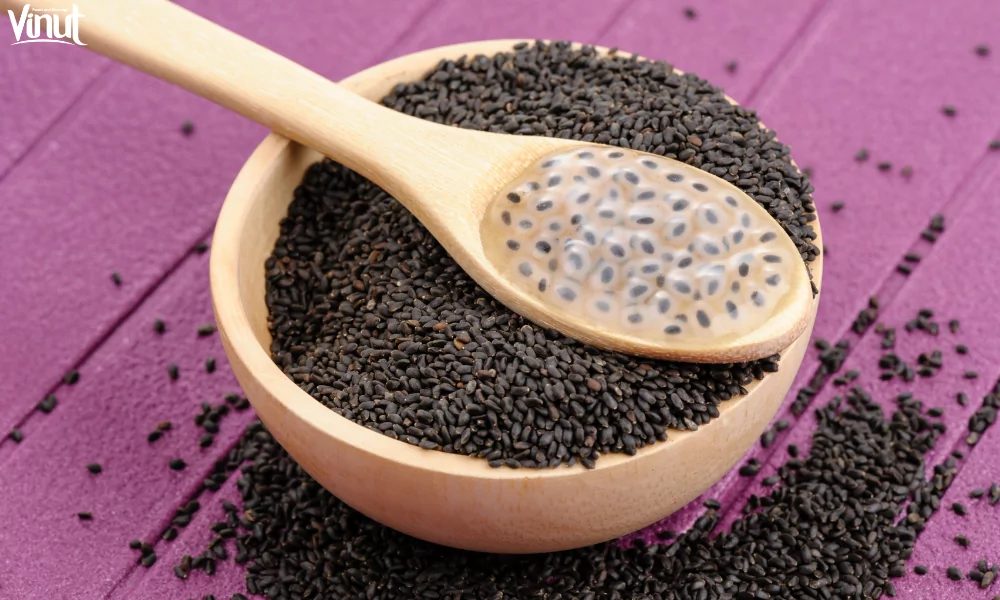
VINUT_Origins of Basil Seeds
1.2 Nutritional Profile
Basil seeds are rich in essential nutrients that contribute to overall health. They are an excellent source of dietary fiber, which aids in digestion and promotes a feeling of fullness. Additionally, they contain healthy fats, protein, vitamins, and minerals such as calcium, magnesium, and iron. According to research summarized by Healthline, the high antioxidant content in basil seeds helps combat oxidative stress and may reduce the risk of chronic diseases.
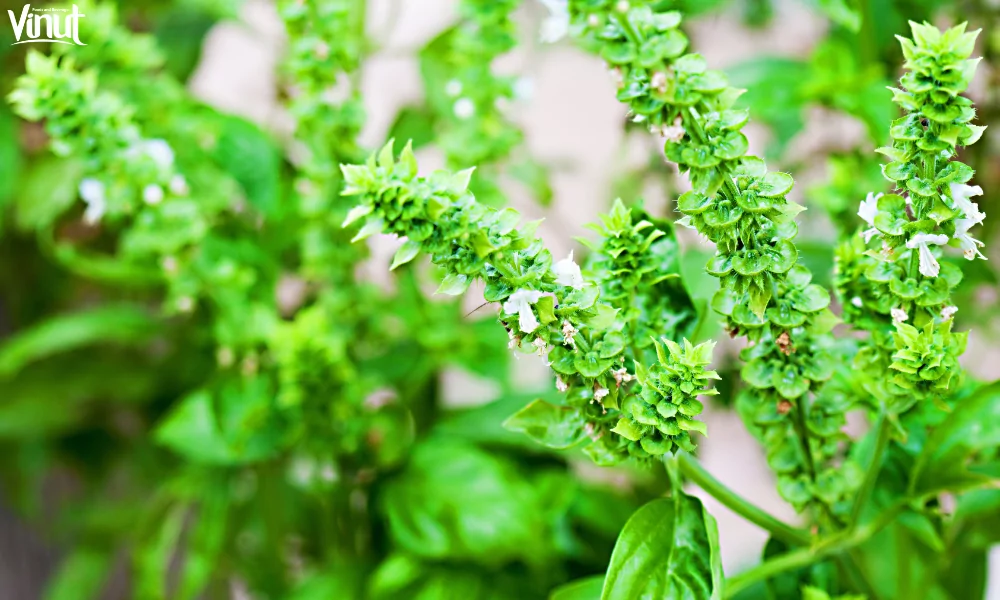
VINUT_Nutritional Profile
1.3 Cultural Significance
In many Asian countries, basil seeds are not just a food item but also hold cultural significance. For instance, in India, they are known as "sabja" or "tukmaria" and are often added to drinks during hot summer months for their cooling properties. In Thailand, basil seeds are commonly used in desserts and beverages, providing a unique texture and nutritional boost. Understanding the cultural context of basil seeds can enhance our appreciation for this versatile ingredient.
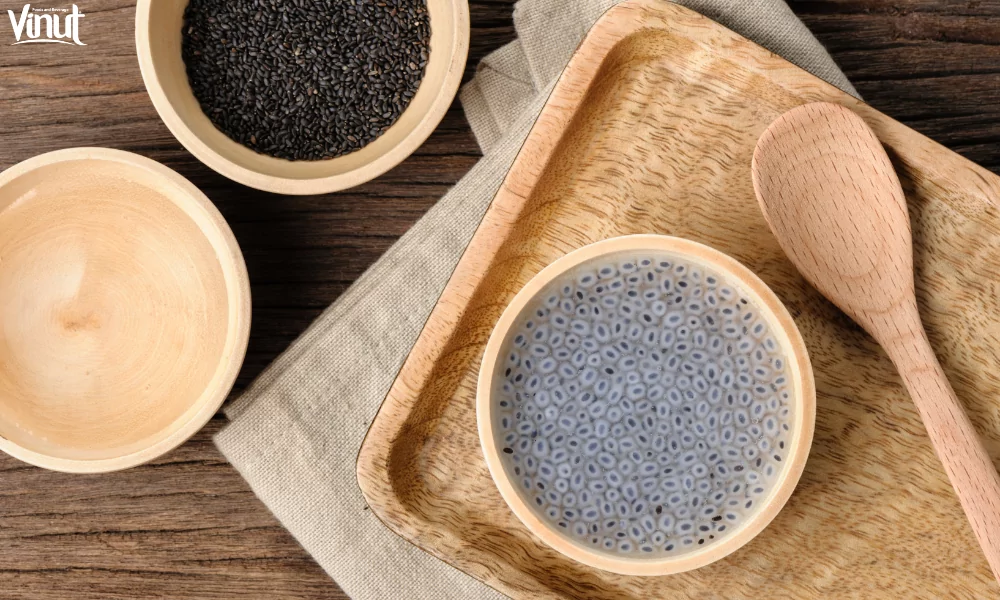
VINUT_Cultural Significance
2. How to Use Basil Seeds
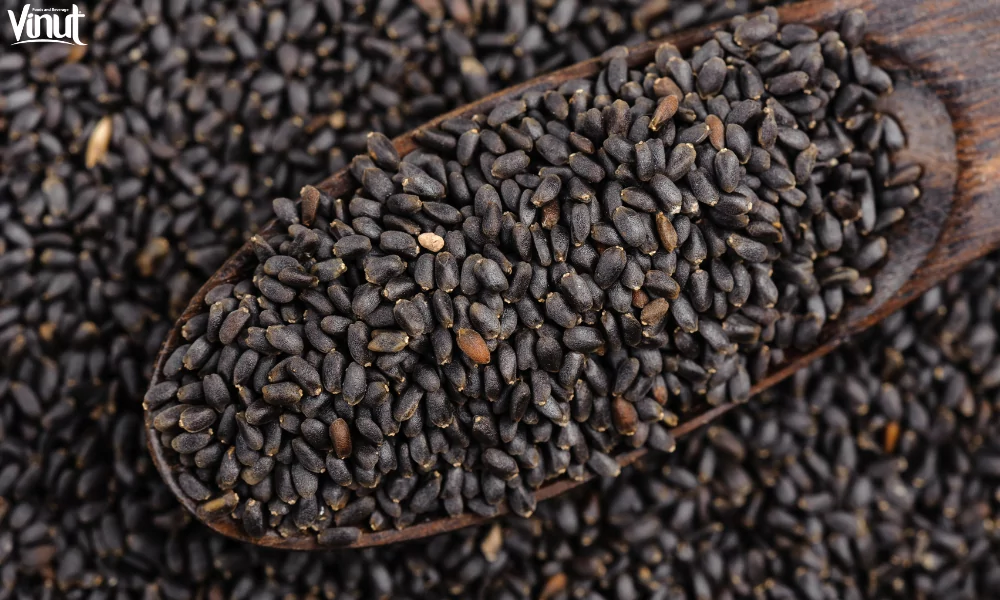
VINUT_How to Use Basil Seeds
2.1 Preparation Methods
Before consuming basil seeds, it's essential to prepare them properly. The seeds are hard and require soaking in water to expand and soften. To prepare basil seeds, simply rinse them under cold water and then soak them in water for about 30 minutes. During this time, they will swell and develop a gelatinous coating, making them easier to digest and enhancing their texture.
2.2 Culinary Applications
Basil seeds can be incorporated into various dishes and drinks — including basil seed drinks available in VINUT's beverage lineup. They are often used in smoothies, puddings, and desserts, where their unique texture adds an interesting element. You can also sprinkle soaked basil seeds over salads or mix them into yogurt for added nutrition. In some cultures, they are used in traditional drinks, such as falooda, a popular Indian dessert made with vermicelli, milk, and sweet seeds.
2.3 Storage Tips
To maintain the freshness and potency of basil seeds, store them in a cool, dry place away from direct sunlight. An airtight container is ideal for preventing moisture and preserving their quality. Proper storage ensures that you can enjoy the benefits of basil seeds for an extended period without compromising their nutritional value.
3. Pros and Cons of Basil Seeds
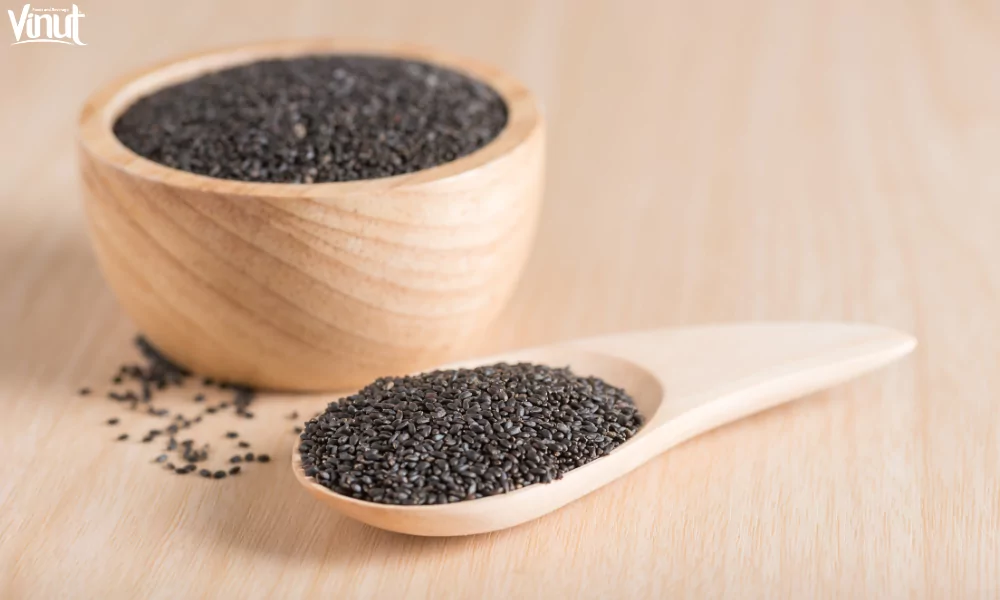
VINUT_Pros and Cons of Basil Seeds
3.1 Health Benefits
Basil seeds offer numerous health benefits that make them a valuable addition to any diet. Their high fiber content aids in digestion and helps regulate blood sugar levels, making them beneficial for individuals with diabetes — an effect supported by clinical research on seed fiber and blood sugar. The antioxidants present in basil seeds help protect the body from free radicals, reducing the risk of chronic diseases such as heart disease and cancer. Additionally, the omega-3 fatty acids found in basil seeds support brain health and reduce inflammation.
3.2 Potential Drawbacks
While these seeds are generally safe for consumption, there are some potential drawbacks to consider. Some individuals may experience digestive discomfort if they consume large quantities of them, especially if they are not adequately soaked. It’s essential to start with small amounts and gradually increase your intake to allow your body to adjust. Additionally, those with allergies to basil or related plants should exercise caution when trying basil seeds for the first time.
3.3 Conclusion on Pros and Cons
Overall, the pros of incorporating basil seeds into your diet outweigh the cons for most individuals. Their impressive nutritional profile and versatility in culinary applications make them a worthwhile addition to a balanced diet. However, it’s crucial to listen to your body and consume them mindfully to avoid any adverse effects.
4. Alternatives to Basil Seeds
4.1 Chia Seeds
Chia seeds are one of the most popular alternatives to basil seeds. Like basil seeds, chia seeds are rich in fiber, omega-3 fatty acids, and antioxidants. They also absorb liquid and form a gel-like consistency when soaked, making them suitable for similar culinary applications. Chia seeds can be added to smoothies, puddings, and baked goods, offering a nutty flavor and a nutritional boost.
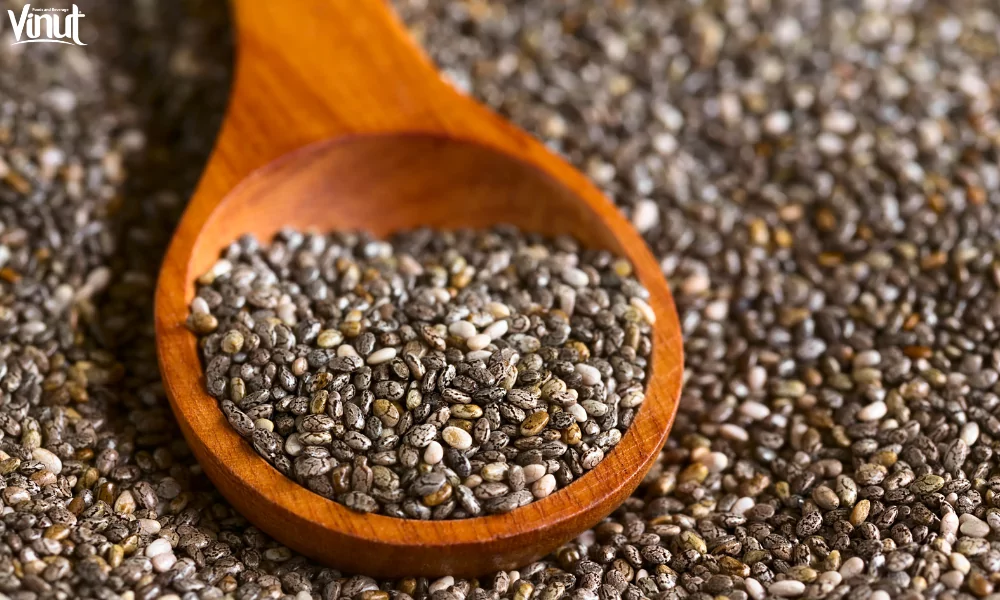
VINUT_Chia Seeds
4.2 Flaxseeds
Flaxseeds are another excellent alternative to basil seeds. They are high in omega-3 fatty acids and lignans, which have antioxidant properties. Flaxseeds can be ground into a powder and added to smoothies, oatmeal, or baked goods. While they do not have the same gelatinous texture as basil seeds, they offer many of the same heart-healthy and digestive benefits and can be easily incorporated into various recipes.
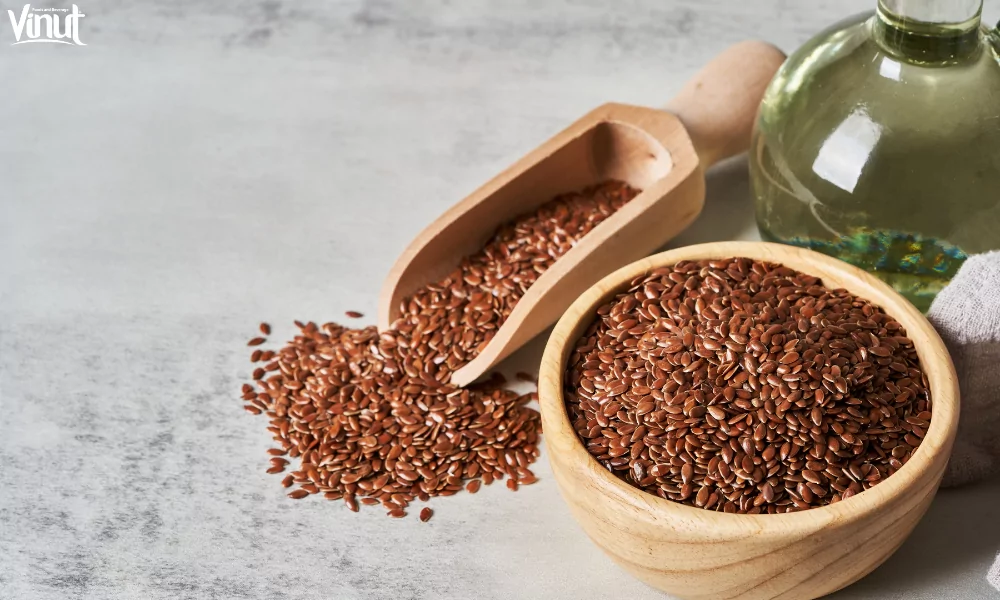
VINUT_Flaxseeds
4.3 Other Seed Options
Several other seeds can serve as alternatives to basil seeds, including hemp seeds and pumpkin seeds. Hemp seeds are a complete source of protein and contain healthy fats, while pumpkin seeds are rich in magnesium and zinc. Each of these seeds has its unique flavor and nutritional profile, allowing for diverse options in your diet.
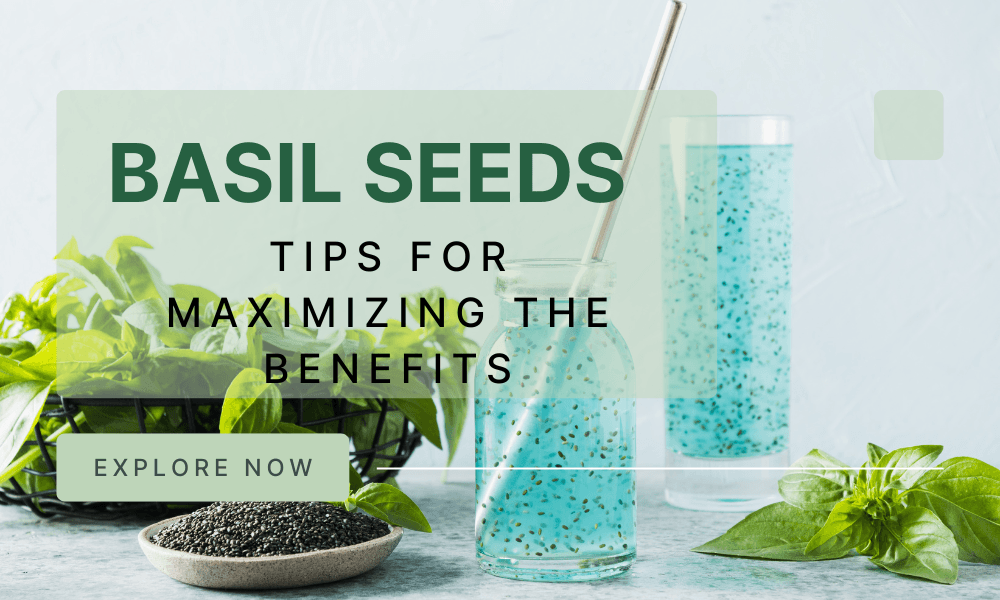
5. Tips for Maximizing the Benefits of Basil Seeds
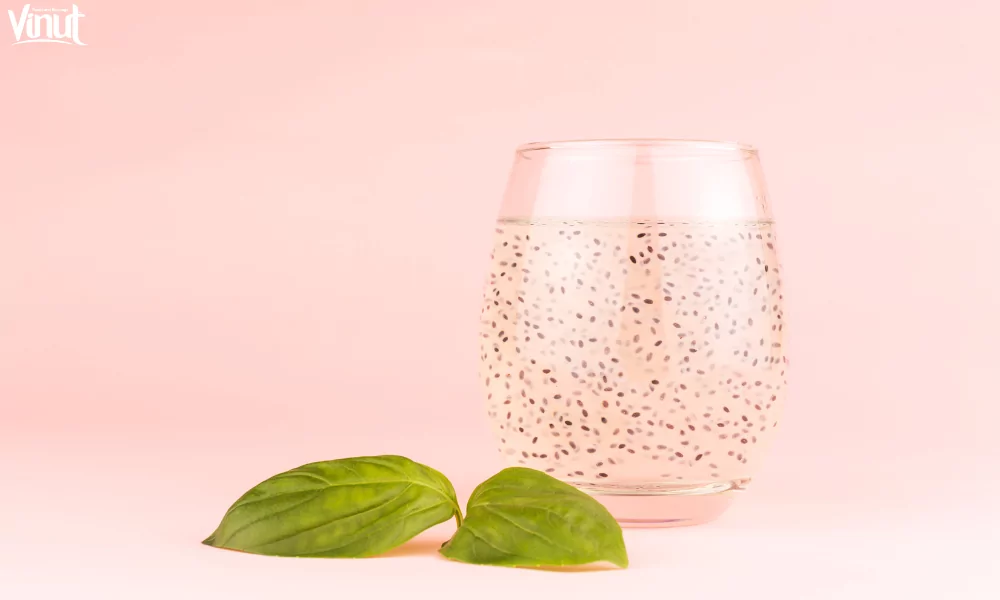
VINUT_Tips for Maximizing the Benefits of Basil Seeds
5.1 Start Slowly
If you're new to basil seeds, it's essential to start slowly. Begin with a small amount, such as one teaspoon, and gradually increase your intake as your body adjusts. This approach helps prevent any digestive discomfort and allows you to gauge how your body reacts to the seeds.
5.2 Pair with Hydrating Foods
Basil seeds have a unique ability to absorb liquid, so pairing them with hydrating foods can enhance their benefits. Consider adding them to smoothies made with fruits and vegetables that have high water content, such as cucumbers or watermelon, or blending them with other hydrating superfoods like coconut water. This combination can help keep you hydrated and support overall wellness.
5.3 Combine with Other Superfoods
To maximize the nutritional benefits of these seeds, consider combining them with other superfoods. For example, you can mix them with chia seeds, flaxseeds, or spirulina for a nutrient-dense smoothie or pudding. This combination not only boosts the nutritional profile but also adds variety to your meals.
5.4 Stay Mindful of Portion Sizes
While basil seeds are nutritious, it’s important to be mindful of portion sizes. Consuming excessive amounts may lead to digestive discomfort. A general guideline is to aim for one to two tablespoons of soaked basil seeds per day, depending on your individual needs and preferences.
6. Conclusion
Basil seeds are a versatile and nutritious addition to any diet. With their rich history, impressive health benefits, and culinary applications, they deserve a place in your pantry. By understanding how to prepare and use basil seeds, as well as being mindful of their pros and cons, you can fully enjoy the advantages they offer. Whether you're looking to enhance your smoothies, create delicious desserts, or simply add a nutritional boost to your meals, basil seeds are an excellent choice. Explore VINUT's basil seed drinks or discover more natural superfoods on the VINUT Blog.
FAQ
What are basil seeds good for?
Basil seeds support digestion, help regulate blood sugar, and provide antioxidants, fiber, and plant-based omega-3s.
How do you prepare basil seeds before eating?
Rinse them under cold water, then soak in water for about 30 minutes until they swell and develop a gel-like coating.
What's the difference between basil seeds and chia seeds?
Both form a gel when soaked and share similar fiber and omega-3 content, but basil seeds have a milder flavor and slightly different texture, making them interchangeable in most recipes.
How much basil seeds should you eat per day?
A general guideline is 1–2 tablespoons of soaked basil seeds per day, starting with smaller amounts to let your body adjust.
Can basil seeds cause side effects?
Consuming them unsoaked or in excess may cause digestive discomfort; people with basil allergies should also use caution.
About this article
The VINUT editorial team publishes articles about beverage ingredients, product characteristics, and practical information for readers and international buyers.