
Buyer Briefing
5 min read · 1,017 words
Cashew fruit, or cashew apple (Anacardium occidentale), is the juicy, fibrous stalk attached to the cashew nut. It has a sweet-tart, slightly astringent taste, is reported to be very high in vitamin C, and is mainly enjoyed fresh, as juice, or in jams and chutneys in tropical regions.
- Cashew fruit is the swollen stalk (cashew apple); the cashew nut is the true fruit.
- It is reported to contain far more vitamin C per 100 g than oranges, plus antioxidants and fiber.
- The taste is sweet, tart, and slightly astringent, and it softens as the fruit ripens.
- It spoils quickly, so it is rarely exported fresh and is mostly used as juice, jam, or chutney.
- Never eat raw nuts in their shell, and take care if you have tree nut allergies.
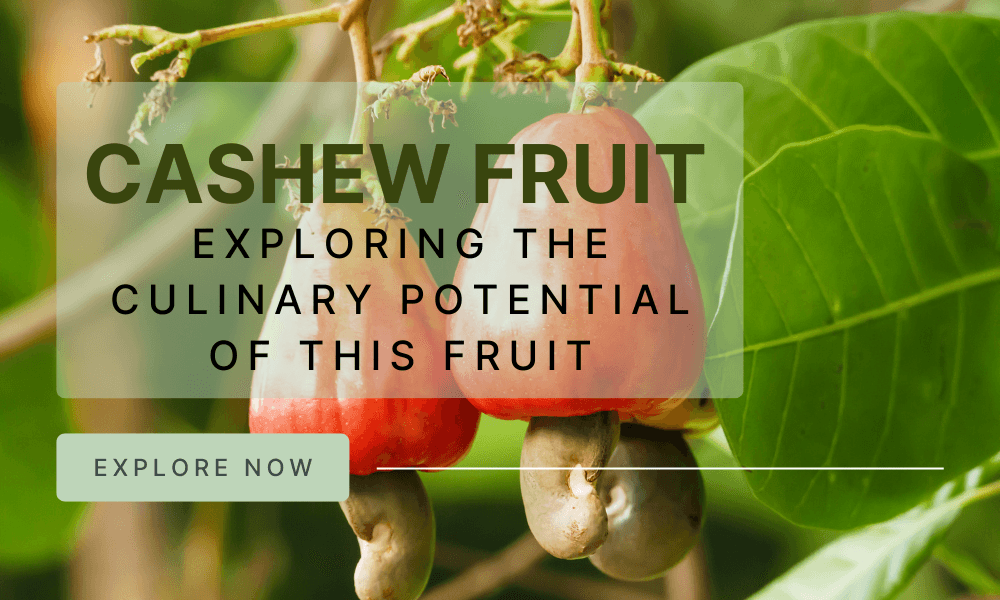
Cashew fruit, often overshadowed by its more famous nut counterpart, is a unique and intriguing tropical delicacy that deserves its moment in the spotlight. This article explores the cashew fruit, also known as the cashew apple, including its origins, taste, nutritional benefits, culinary uses, and potential drawbacks.
From its peculiar shape to its rich nutritional profile, we'll uncover the secrets of this lesser-known fruit and show how it can be part of your culinary adventures.
1. What Is Cashew Fruit?
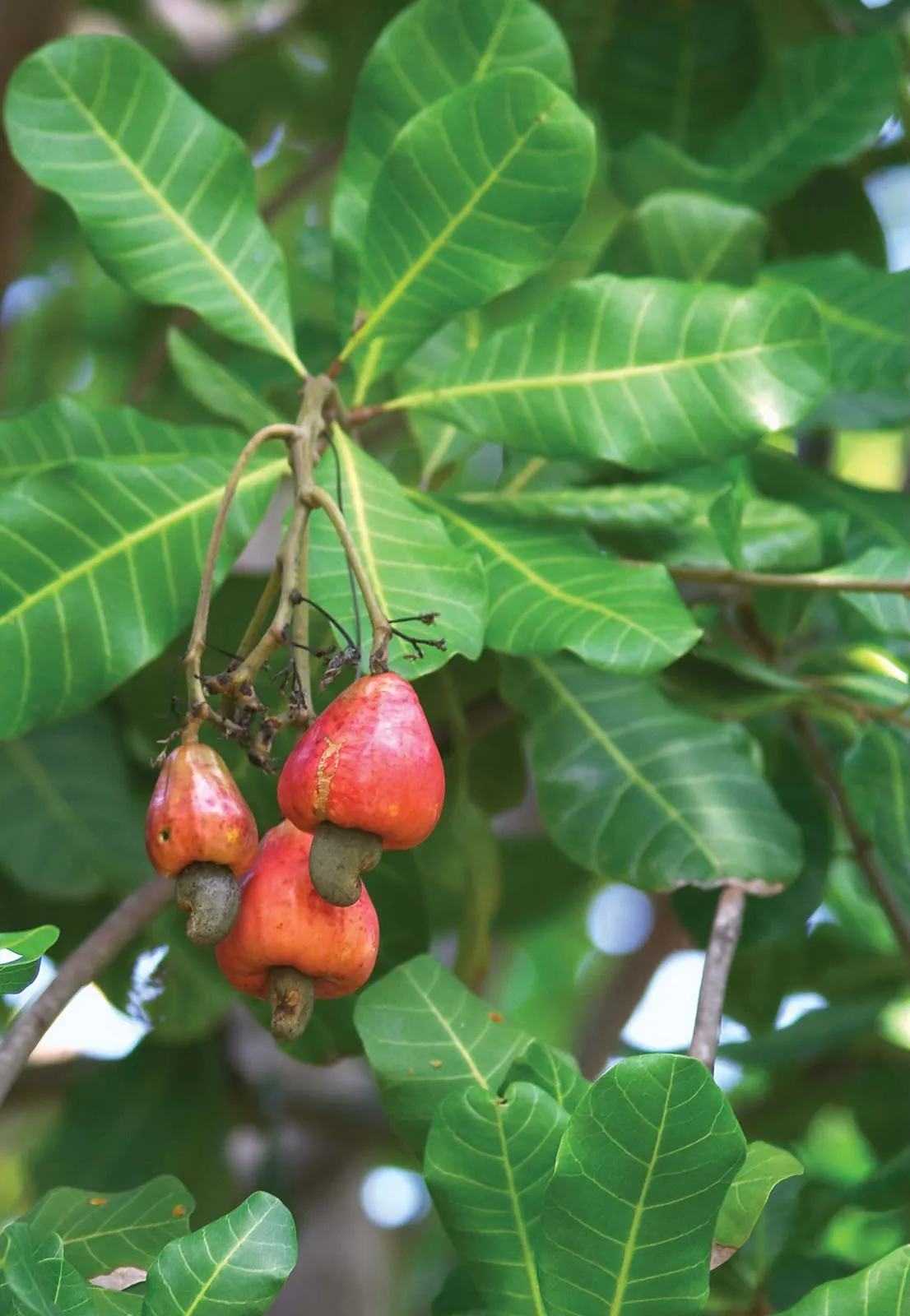
The cashew tree (Anacardium occidentale) produces two distinct parts. The cashew apple is the soft, juicy, pear- or bell-shaped stalk, usually yellow, orange, or red. Hanging from its base is a kidney-shaped shell containing the cashew nut, which is botanically the tree's true fruit. When people say "cashew fruit," they usually mean the cashew apple.
2. Where Does Cashew Fruit Come From?
Cashew has been part of South American culture for centuries. Indigenous peoples in Brazil and elsewhere have long valued both the fruit and the nut. The Tupí-Guaraní people of coastal Brazil called the fruit "acaju," which evolved into the English word "cashew."
European explorers first encountered cashews in the 16th century. Portuguese colonists then spread the trees to India, Southeast Asia, and Africa. Today, cashew trees grow in many tropical regions, contributing to local economies and culinary traditions. For more background on the tree's history, see Britannica.
Cashew Fruit
3. What Are the Nutritional Benefits of Cashew Fruit?
Cashew apple is more than a curiosity; it offers several nutritional highlights. Exact values vary by variety and ripeness, so check a database such as USDA FoodData Central for reference figures.
Vitamin C: Studies report that cashew apple can contain several times more vitamin C per 100 g than oranges, though levels differ by variety and ripeness. Vitamin C supports immune function and skin health (see the NIH vitamin C guidelines). For other options, explore fruits high in vitamin C.
Antioxidants: It contains flavonoids, carotenoids, and tannins, which help protect cells from oxidative stress.
Fiber: Its fibrous flesh supports digestion and fullness.
Low calories: It is relatively light compared with many other fruits.
Minerals: It provides small amounts of minerals such as calcium, phosphorus, and iron, but it should not be relied on as a major source.
Natural sugars: These provide quick energy, which is why the fruit is a popular refreshment where it grows.
4. What Does Cashew Fruit Taste Like?
Describing the taste is challenging because it's unlike any other common fruit. Many people liken it to a combination of mango, pineapple, and bell pepper, with a hint of astringency. It has a juicy, fibrous texture and a refreshing tartness balanced by natural sweetness.
4.1 Why Is Cashew Fruit Astringent?
The astringency comes from tannins in the fruit's skin and flesh. It tends to decrease as the fruit ripens, so a fully ripe cashew apple is soft, fragrant, and more pleasant. Some people sprinkle a little salt on the fruit to enhance its flavor and soften the astringent sensation.
5. How Can You Enjoy Cashew Fruit?
Form | How it is used | Notes |
|---|---|---|
Fresh | Twist off the nut, wash, and eat the ripe flesh | Best eaten shortly after harvest |
Juice | Pressed and drunk alone or mixed with other fruit juices | Popular in Brazil as "suco de caju" |
Cajuína | Clarified, lightly processed cashew apple drink | A traditional Brazilian beverage |
Jam and chutney | Cooked with sugar or spices | Softens astringency and extends shelf life |
Smoothies and cocktails | Blended with other fruits or mixed into drinks | Often sweetened to balance tartness |
5.1 How Do You Eat Cashew Fruit Fresh?
In regions where cashew fruit is abundant, it is often eaten straight from the tree. The fruit is typically twisted off the nut, washed, and enjoyed as a refreshing snack. Always separate the nut carefully, and never eat the raw nut or its shell (see safety notes below).
5.2 Can You Make Juice From Cashew Fruit?
Yes. Cashew fruit is pressed to extract its flavorful juice, which can be consumed on its own or used as a base for other beverages. In Brazil, cashew juice is known as "suco de caju," and it is often mixed with sugar or other fruit juices to create refreshing drinks and smoothies. If you enjoy fruit-based drinks, explore VINUT's 100% fruit juice range.
5.3 Why Is Cashew Fruit Rarely Exported Fresh?
Because of its high tannin content and delicate flesh, a fresh cashew apple bruises easily and spoils within a day or two of harvest. That is why it remains a true local delicacy and is usually sold as juice, jam, or other processed products.
6. What Are the Pros and Cons of Cashew Fruit?
6.1 What Are the Benefits of Eating Cashew Fruit?
High vitamin C content that supports immune function and skin health.
Antioxidants that help combat oxidative stress.
Relatively low calories, with fiber that supports digestion and fullness.
Natural sugars that provide a quick energy boost.
A distinctive flavor that adds variety to the diet.
6.2 What Are the Potential Drawbacks of Cashew Fruit?
Astringency: High tannin content can leave a dry, puckering sensation, especially in unripe fruit.
Acidity: For some people, it may cause digestive discomfort or worsen acid reflux.
Allergies: Reactions to the fruit are less common than to cashew nuts, but people with tree nut allergies should consult a healthcare provider before trying it.
Short shelf life: Fresh fruit spoils quickly and is hard to find outside growing regions.
7. Is the Cashew Nut Shell Safe to Handle?
No. The shell of the raw cashew nut contains an irritant oil (related to urushiol, the compound in poison ivy) that can cause skin burns and rashes. Never eat raw cashews in the shell, and avoid handling them bare-handed. Commercial cashew nuts are processed to remove this hazard.
8. Conclusion
Cashew fruit stands as a testament to nature's diversity and the rich culinary traditions of tropical regions. Its unusual appearance, intriguing sweet-tart flavor, and high vitamin C content make it a fascinating ingredient for food enthusiasts and health-conscious readers alike. Enjoy it ripe, try it as juice or chutney, respect its short shelf life, and stay cautious about the raw nut shell and any allergies. To explore more fruit-based drinks, browse VINUT's 100% fruit juice range.
What Else Should You Read About Fruits and Vitamin C?
FAQ
What is cashew fruit?
Cashew fruit, also called cashew apple, is the swollen, juicy stalk that the cashew nut hangs from; the nut itself is the true fruit.
What does cashew fruit taste like?
It is sweet and tart with a fibrous texture and some astringency, often compared to a mix of mango, pineapple, and bell pepper.
Is cashew fruit high in vitamin C?
Yes, studies report that it can contain several times more vitamin C per 100 g than oranges, though levels vary by variety and ripeness.
Can you eat cashew fruit raw?
Ripe cashew apples can be eaten fresh, but the raw nut shell is an irritant and should never be eaten or handled bare-handed.
Why is cashew fruit rarely sold outside tropical regions?
It bruises easily and spoils within a day or two of harvest, so it is usually processed into juice, jam, or other products.
Is cashew fruit safe for people with nut allergies?
Allergy to the fruit is less common than to cashew nuts, but people with tree nut allergies should consult a healthcare provider first.
About this article

The VINUT editorial team publishes articles about beverage ingredients, product characteristics, and practical information for readers and international buyers.