

Buyer Briefing
5 min read · 1,025 words
Chili peppers (Capsicum) are fruits native to the Americas, prized for their heat and flavor. Their active compound, capsaicin, may offer health benefits like pain relief, improved metabolism, and better heart health — though excessive consumption can cause digestive discomfort or irritation in sensitive individuals.
- Chili peppers originated in Central America over 6,000 years ago and are now used worldwide.
- Their heat comes from capsaicin, measured on the Scoville scale.
- Popular varieties include jalapeño, habanero, serrano, Thai bird's eye, and cayenne.
- Potential benefits include pain relief, weight management support, heart health, and digestion.
- Overconsumption may cause digestive discomfort, allergic reactions, or skin/eye irritation.
Listen to the article summary
AI-generated voice · English · 2:27
Read transcript
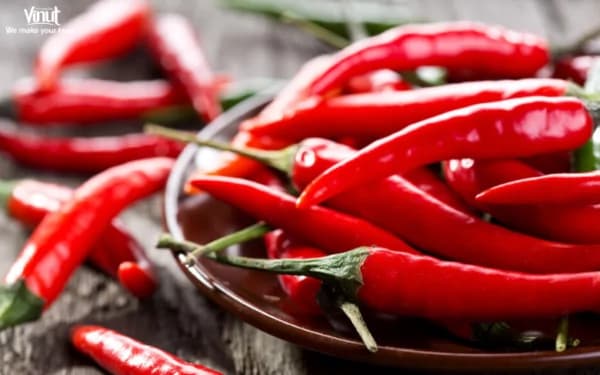
Chili peppers, scientifically known as Capsicum, are a beloved ingredient worldwide, prized for their distinct flavor and heat. Originating in the Americas roughly 6,000 years ago, ancient civilizations like the Olmecs, Mayans, and Aztecs incorporated them into dishes, religious ceremonies, and medical practices. From there, chili peppers quickly gained popularity across Asia and Africa, becoming an integral part of culinary traditions globally. Chili peppers exhibit a diverse range of shapes, sizes, and colors, often changing from green to vibrant hues as they ripen. Their characteristic spiciness is attributed to a compound called capsaicin, found primarily in the seeds and membranes, and is measured using the Scoville scale. Among the most common types are the Jalapeño, known for its mild-to-moderate heat and use in salsas; the very hot, fruity Habanero, popular in sauces and marinades; the Serrano, similar to Jalapeños but hotter, used in Mexican cuisine; the fiery Thai Bird's Eye, a staple in curries and stir-fries; and the Cayenne, often used in powdered form as a seasoning. Beyond their culinary appeal, chili peppers offer several potential health benefits. Capsaicin has analgesic properties, binding to pain receptors to offer pain relief. It may also support weight management by increasing metabolism, promoting fat burning, and reducing appetite. Chili peppers can contribute to heart health through potassium and capsaicin, which may lower blood pressure and improve circulation. Additionally, they can stimulate digestion by increasing salivation and gastric acid secretion. However, it's important to note potential downsides. Chilies can cause digestive discomfort like heartburn or stomach pain in some individuals, especially those with pre-existing conditions. Allergic reactions, though rare, can range from mild itching to severe anaphylaxis. Direct contact with chilies can also lead to skin and eye irritation due to capsaicin. Therefore, while chili peppers are a nutrient-rich ingredient with many benefits, moderation is key, particularly for those with sensitivities.
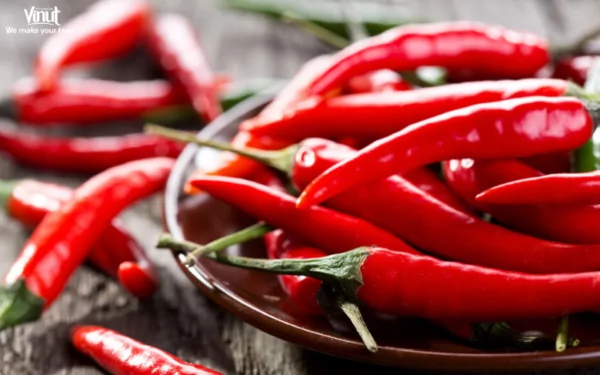
Chili pepper, with its fiery reputation and distinct flavor, has long been a beloved ingredient in cuisines around the world. Whether you enjoy a mild kick or crave the intense heat, the versatility of chili peppers allows you to explore a wide range of culinary possibilities.
In this post, VINUT delves into the fascinating world of chili pepper, exploring its origins, varieties, health benefits, culinary applications, and downsides.
VINUT_Chili Pepper
1. Where Do Chili Peppers Come From?
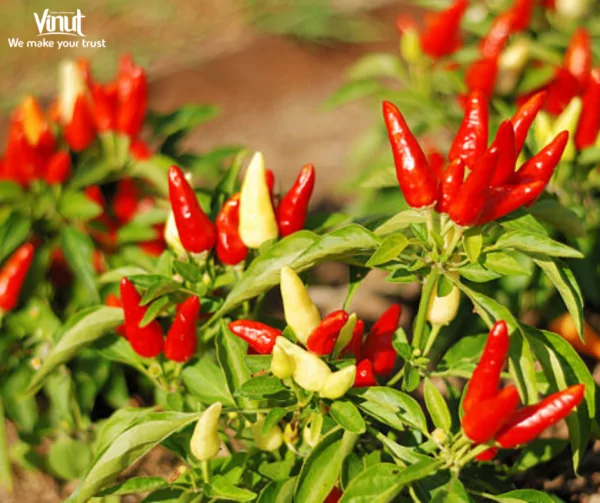
Chili pepper is a plant scientifically known as Capsicum, native to the Americas. It has a history dating back roughly 6,000 years. The ancient civilizations of Central America, such as the Olmecs, Mayans, and Aztecs, took chili peppers very seriously and incorporated them into their dishes, religious ceremonies, and medical practices. They were not only used as a spice to add heat and flavor to dishes but also carried symbolic and cultural significance.
VINUT_hili pepper is a plant scientifically known as Capsicum, native to the Americas
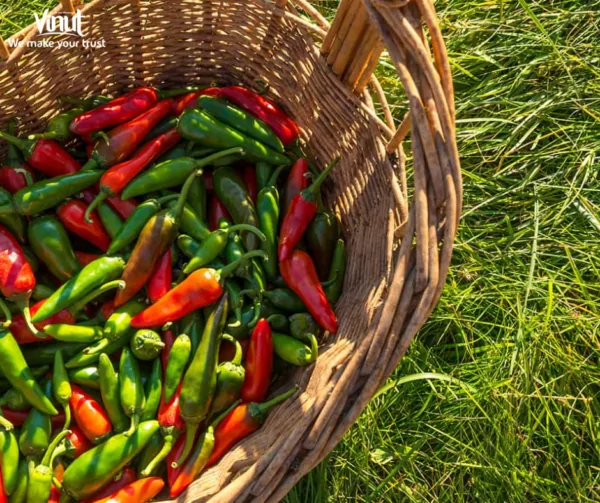
Chili peppers quickly gained popularity in various cuisines across the globe. They are embraced in Asian countries such as India, Thailand, China, and Korea, where they have become an integral part of culinary traditions. They were also introduced to Africa, where they are found in cuisines across the continent. Today, chili peppers are grown and consumed in many different cultures worldwide and have become an essential ingredient in countless dishes, sauces, and condiments.
VINUT_Chili peppers quickly gained popularity in various cuisines across the globe.
2. What Do Chili Peppers Look Like?
2.1 Shape and Size
Shape: Ranges from long and slender to short and round, curved, pointed, or even wrinkled.
Size: Can range from a few centimeters to several inches, depending on the variety.
2.2 Colors
Chilies exhibit a diverse array of colors, including green, yellow, orange, red, purple, and even black. The color of the chili often changes as it ripens, starting from green and progressing to a vibrant hue as it matures.
2.3 Heat Levels
Chilies are known for their spiciness, which is measured using the Scoville scale. The heat of chilies is attributed to a compound called capsaicin, found primarily in the seeds and membranes.
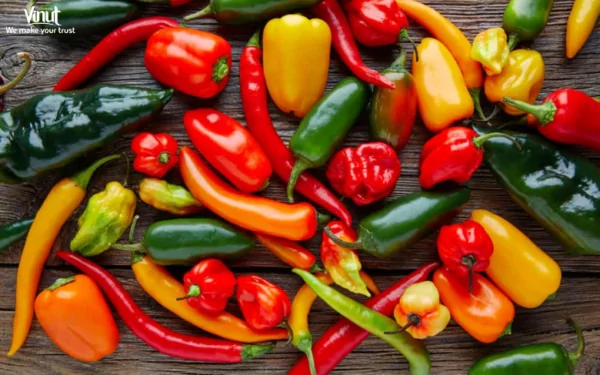
VINUT_Chili Pepper Description
3. What Are the Most Common Types of Chili Peppers?
Variety | Heat Level | Color | Common Use |
|---|---|---|---|
Jalapeño | Mild–Moderate | Green or red | Salsas, stuffings, taco/nacho toppings |
Habanero | Very Hot | Orange or red | Hot sauces, marinades, spicy dishes |
Serrano | Hot | Green to red | Salsas, sauces, soups |
Thai Bird's Eye | Very Hot | Red or green | Curries, stir-fries, spicy salads |
Cayenne | Hot | Bright red | Powdered seasoning, spice blends |
3.1 Jalapeño
This is one of the most well-known chili peppers. Jalapeños are medium-sized, green, or red when ripe, and have a moderate heat level. They are commonly used in salsas, stuffings, and as toppings for nachos and tacos.
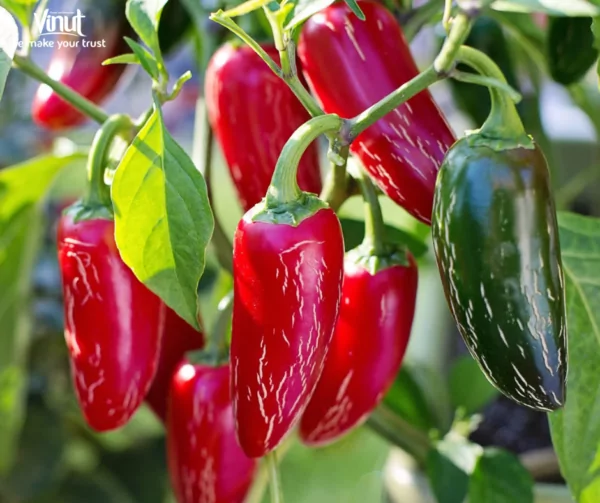
VINUT_Jalapeño
3.2 Habanero
These peppers are small, lantern-shaped, and usually orange or red in color. Habaneros are very hot and have a fruity, tropical flavor. They are used in hot sauces, marinades, and spicy dishes.
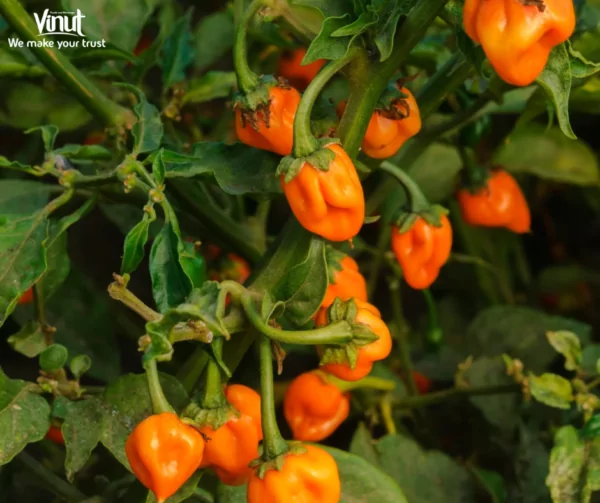
VINUT_Habanero
3.3 Serrano
Serrano peppers are similar in appearance to jalapeños but smaller and hotter. They are green when unripe and turn red as they mature. Serranos are commonly used in Mexican cuisine and can be added to salsas, sauces, and soups.
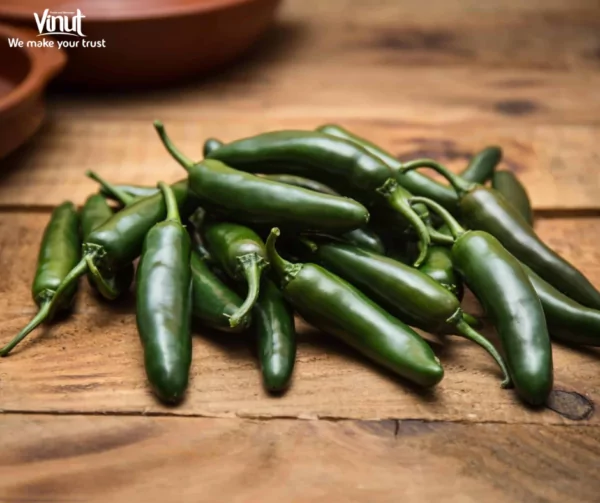
VINUT_Serrano
3.4 Thai Bird’s Eye
These small, fiery peppers are a staple in Thai cuisine. They are typically red or green and have a strong, pungent heat. Thai bird’s eye chilies are used in curries, stir-fries, and spicy salads.
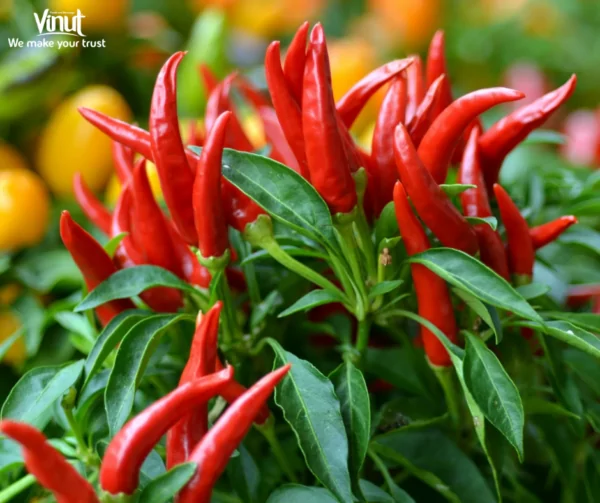
VINUT_Thai Bird’s Eye
3.5 Cayenne
Cayenne peppers are long, thin, and usually bright red. They are known for their spicy heat and are commonly used in powdered form as a seasoning or spice in various dishes.

VINUT_Cayenne
4. What Are the Health Benefits of Chili Peppers?
4.1 Pain Relief
Capsaicin, a compound that has been found in chili peppers, has analgesic properties because it binds to pain receptors and causes a burning sensation that can desensitize your pain receptors over time. In this way, capsaicin acts as a pain reliever.

VINUT_Anti-Inflammatory Effects
4.2 Weight Management
Obesity is a serious health condition that increases the risk of many chronic diseases, such as heart disease and diabetes. Fortunately, research on capsaicin has shown it may increase metabolism and promote fat burning. It may also help reduce appetite and calorie intake, supporting potential weight loss.

VINUT_Managing Diabetes
4.3 Heart Health
Chili peppers can also be a great, natural way to support your cardiovascular system and prevent heart disease. They are high in potassium, which is a mineral that has several functions in the human body. Additionally, Capsaicin may help lower blood pressure, improve blood circulation, and reduce the risk of heart disease by improving lipid profiles and reducing inflammation.

VINUT_Supports Heart Health
4.4 Improved Digestion
Chile peppers can stimulate digestion by increasing salivation and promoting gastric acid secretion. They may also have antibacterial properties that may help fight certain gut bacteria.

VINUT_Digestive Relief: How Bael Juice Aids Digestion
5. What Are the Side Effects of Eating Chili Peppers?
5.1 Digestive Discomfort
Chilies can irritate the gastrointestinal tract in some individuals, leading to symptoms such as heartburn, acid reflux, or stomach pain. People with pre-existing digestive conditions, such as gastritis or ulcers, may be more sensitive to the spiciness of chilies and may need to limit or avoid them.

VINUT_Better Digestion and Gut Health
5.2 Allergic Reactions
Some individuals may be allergic to chilies or specific compounds found in them, such as capsaicin. Allergic reactions can range from mild symptoms like itching or hives to more severe reactions such as difficulty breathing or anaphylaxis.

VINUT_Allergies
5.3 Skin and Eye Irritation
The potent compounds in chilies, particularly capsaicin, can cause skin and eye irritation. Direct contact with chilies, especially when handling or chopping them, can lead to burning or stinging sensations on the skin or in the eyes.

VINUT_Skin and Eye Irritation
6. Conclusion
Chili pepper is a nutrient-rich ingredient that has earned its place in culinary traditions across the globe, prized for both its fiery heat and its wide range of potential health benefits — from pain relief to better heart health. As with any potent natural ingredient, moderation matters: those with digestive sensitivities or a history of allergies to chili peppers should introduce them carefully. Whether you're chasing a mild kick or the boldest heat on the Scoville scale, understanding the different varieties and their effects lets you enjoy chili peppers safely and confidently in your everyday cooking.
What Else Should You Read on Natural Ingredients?
FAQ
What are the health benefits of chili peppers?
Chili peppers may help relieve pain, support weight management, boost heart health, and improve digestion, thanks to their active compound, capsaicin.
What gives chili peppers their heat?
The heat comes from capsaicin, a compound found mainly in the seeds and membranes, measured using the Scoville scale.
What are the most common types of chili peppers?
Popular varieties include jalapeño, habanero, serrano, Thai bird's eye, and cayenne, each with different heat levels and culinary uses.
Can eating chili peppers have side effects?
Yes — chilies can cause digestive discomfort, allergic reactions, or skin and eye irritation in sensitive individuals, especially in large amounts.
Which chili pepper is the hottest?
Among common varieties, habanero is significantly hotter than jalapeño or serrano, though extreme varieties like the Carolina Reaper rank far higher on the Scoville scale.
About this article

The VINUT editorial team publishes articles about beverage ingredients, product characteristics, and practical information for readers and international buyers.