

Buyer Briefing
4 min read · 765 words
Passion fruit is a tropical fruit with a sweet-tart flavor, available in purple, yellow, and giant granadilla varieties. Each small fruit is low in calories and provides fiber, vitamin C, and antioxidants, which may support digestion, immunity, and heart health.
- Purple, yellow, and giant granadilla are the main passion fruit varieties, each with a slightly different flavor.
- One fruit has about 17 calories, 2 g of fiber, and roughly 6–9% of daily vitamin C.
- Potential benefits include better digestion, immune support, and heart health.
- It can be eaten raw, juiced, blended into smoothies, or used in desserts.
- Some people may experience allergic reactions, stomach upset, or headaches.
Listen to the article summary
AI-generated voice · English · 2:53
Read transcript
Passion fruit, also known as granadilla, is a tropical fruit native to South America, now grown globally. It's characterized by a hard outer shell, ranging from yellow to purple, and a soft, juicy pulp filled with seeds. VINUT explores this fruit, highlighting its unique flavor and nutritional value. There are several varieties of passion fruit. The most common is the Purple Passion Fruit, known for its sweet and tart taste. The Yellow Passion Fruit is slightly sweeter and has a more delicate flavor. The Giant Granadilla is notably larger and offers a milder taste. Nutritionally, passion fruit is both delicious and beneficial. A single small fruit, weighing about 18 grams, contains approximately 17 calories, 4 grams of carbohydrates, and 2 grams of fiber. It also provides about 0.5 grams of protein and 0.2 grams of fat. Importantly, one small fruit offers roughly 6–9% of the daily value for Vitamin C and 8–10% for Vitamin A, along with smaller amounts of iron and potassium. Eating several fruits can quickly contribute significantly to daily nutrient needs, for example, three to four fruits can supply a quarter or more of daily vitamin C. Passion fruit offers several potential health benefits. Its Vitamin C content helps boost immunity and aids in iron absorption. Being a rich source of fiber, it improves digestion and may have a prebiotic effect, feeding beneficial gut bacteria. The fruit also contains potassium, which can help lower blood pressure and reduce the risk of heart disease and stroke. Furthermore, passion fruit is rich in antioxidants that protect the body against damaging free radicals and reduce inflammation. Incorporating passion fruit into your diet is versatile. It can be eaten raw by simply scooping out the pulp. It's also popular as a juice, either on its own or in cocktails, with VINUT offering a 100% fruit juice range. The pulp can be added to smoothies for a tropical twist or used in desserts like cheesecake, mousse, and sorbet. While generally safe, some individuals may experience side effects such as allergic reactions, stomach upset or diarrhea, and headaches. As with any new food, it's advisable to introduce it gradually and consult a healthcare professional if symptoms persist. VINUT concludes that passion fruit is a nutrient-dense tropical fruit, easy to add to your diet for flavor and nutrition.
Passion fruit has a tart, sweet flavor that is often used in beverages and desserts. It is a good source of vitamin C, fiber, and antioxidants. Some potential health benefits of this fruit include improved digestion, support for healthy blood pressure, and a reduced risk of certain diseases.
Passion fruit, also known as granadilla, is a tropical fruit found in various parts of the world. It has a unique flavor and is packed with nutrients that make it an ideal addition to your diet. In this post, VINUT explores the varieties of passion fruit, its real nutrition facts, its benefits, and tips on how to incorporate it into your diet.
VINUT_Passion Fruit
1. What is Passion Fruit?
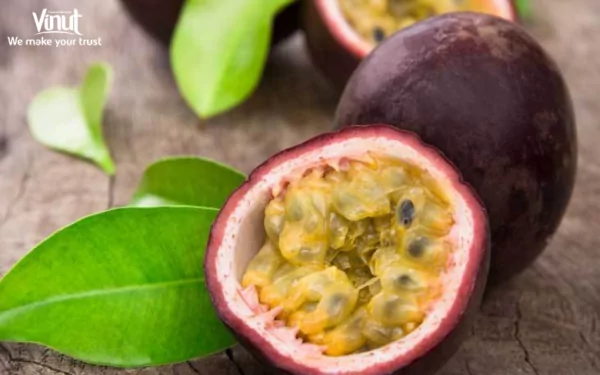
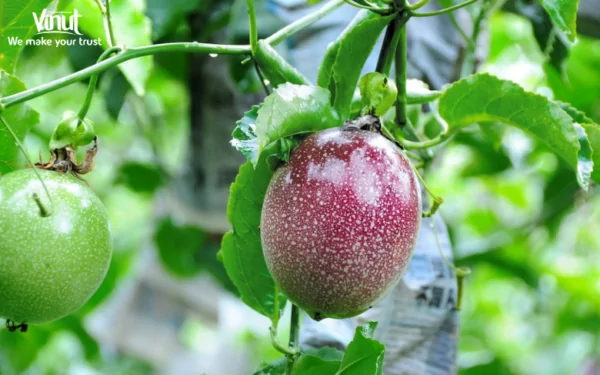
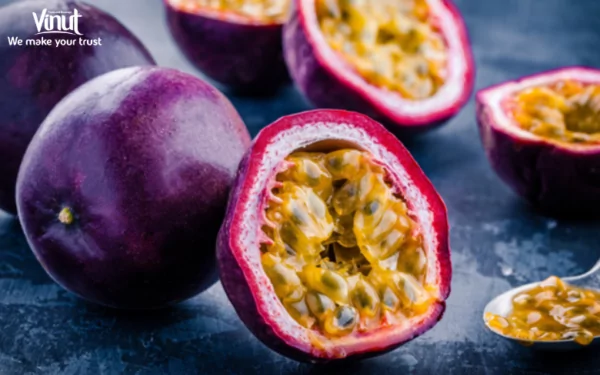
Passion fruit is a type of fruit that comes from the passion flower plant. It is native to South America but is now grown in many tropical regions around the world. The fruit is typically small, and round, and has a hard outer shell that can range in color from yellow to purple. Inside the fruit, you will find a soft, juicy pulp filled with seeds.
VINUT_Origins and Evolution
2. Passion Fruit Varieties
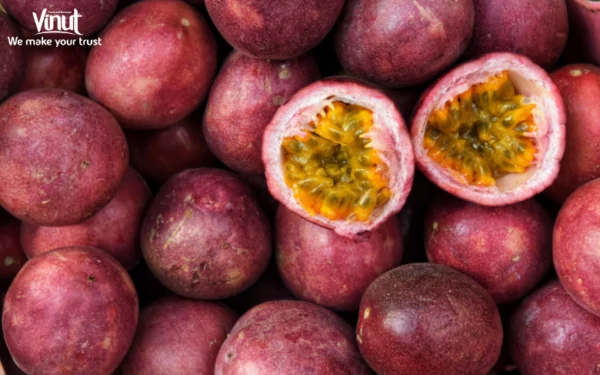
2.1 Purple Passion Fruit
This is the most common variety of passion fruit, known for its sweet and tart flavor.
VINUT_A Burst of Flavor
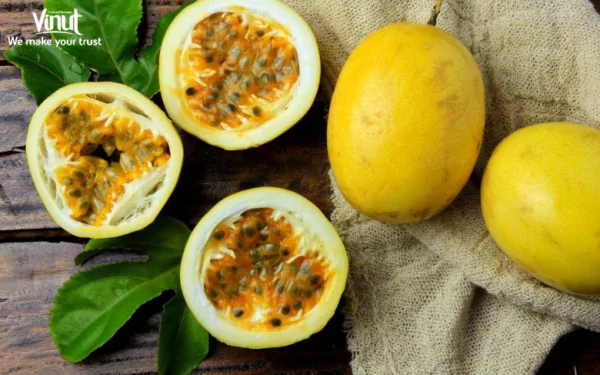
2.2 Yellow Passion Fruit
This variety is slightly sweeter than purple one and has a more delicate flavor.
VINUT_Yellow Passion Fruit
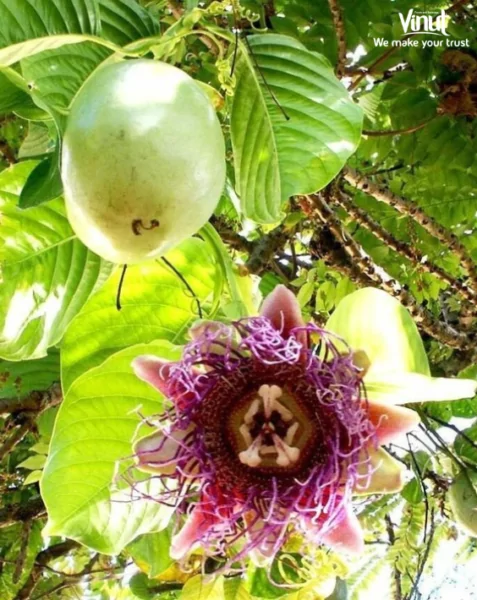
2.3 Giant Granadilla
This variety is much larger than other types of passion fruit and has a milder flavor.
VINUT_Giant Granadilla
3. Passion Fruit Nutrition Facts
Passion fruit is not only delicious but also nutritious. Approximate values for one small fruit (about 18 g), based on typical USDA FoodData Central figures:
Nutrient (per 1 fruit, ~18 g) | Approximate amount |
|---|---|
Calories | ~17 kcal |
Carbohydrates | ~4 g |
Fiber | ~2 g |
Protein | ~0.5 g |
Fat | ~0.2 g |
Vitamin C | ~6–9% of daily value |
Vitamin A | ~8–10% of daily value |
Iron | ~2% of daily value |
Potassium | ~2–3% of daily value |
Because each fruit is small, values add up quickly if you eat several — for example, three to four passion fruits can provide roughly a quarter or more of daily vitamin C needs.
VINUT_Passion Fruit Nutrition Facts
4. Passion Fruit Benefits
4.1 Boosts Immunity
Thanks to its vitamin C content, passion fruit can support a healthy immune system. Vitamin C helps the body absorb more iron from plant-based foods and plays a role in the body's ability to fight infections (see the NIH vitamin C guidelines).

VINUT_Stronger Immunity
4.2 Improves Digestion
This fruit is a rich source of fiber, which promotes healthy digestion and prevents constipation. It may also have a prebiotic effect, which means it can help feed the beneficial bacteria in the gut.

VINUT_Digestive Harmony
4.3 Lowers Blood Pressure
The fruit contains a lot of potassium that helps lower blood pressure, thereby reducing the risk of heart disease and stroke. Passion fruit, when eaten whole, contains a lot of fiber that can help remove excess cholesterol inside the blood vessels. A high-fiber diet can reduce a person’s risk of heart disease.

VINUT_Supports Heart Health
4.4 Rich in antioxidants
The fruit is rich in antioxidants, which are compounds that help neutralize harmful free radicals in the body that help protect the body against the damaging effects of free radicals and reduce inflammation. These antioxidants help protect the body against free radicals, which can damage cells and lead to chronic diseases like cancer and heart disease.

VINUT_Boosting Immunity: The Anti-Inflammatory Properties of Bael
5. How to Eat Passion Fruit?
5.1 Raw Consumption
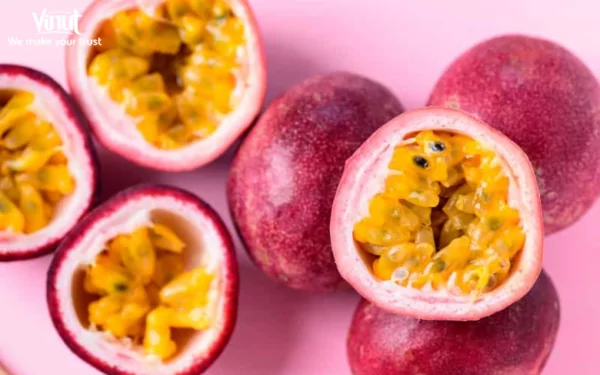
To eat passion fruit raw, you can simply cut it in half with a sharp knife and scoop out the juicy pulp with a spoon.
VINUT_Raw Consumption
5.2 Juice
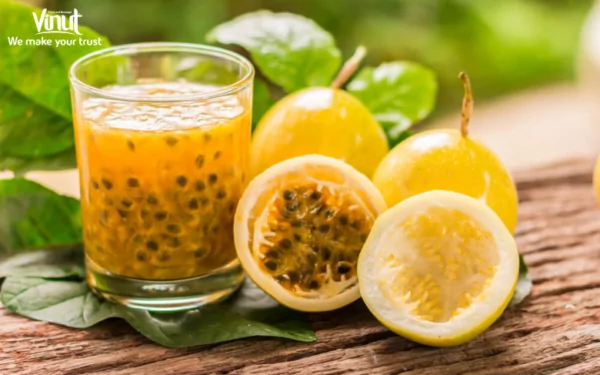
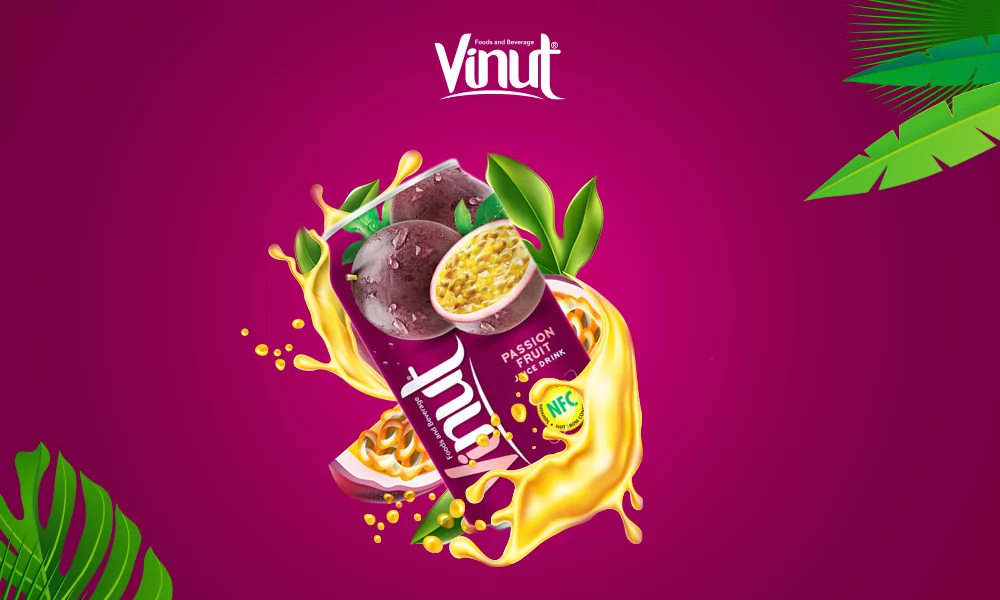
Passion fruit juice is popular in many countries and can be enjoyed on its own or mixed into cocktails. If you prefer a ready-to-drink option, try VINUT's 100% fruit juice range.
VINUT Passion Fruit Juice
5.3 Smoothies
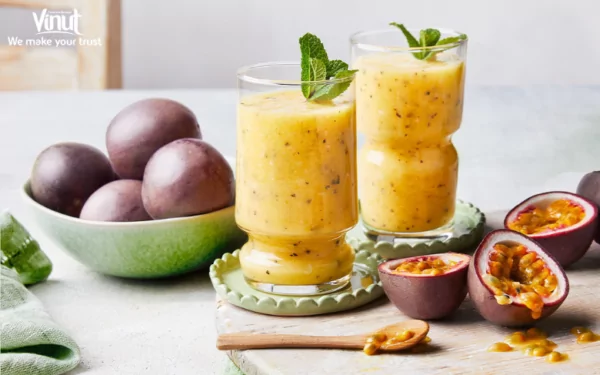
Add passion fruit pulp to your favorite smoothie recipe to give it a tropical twist and added nutrition.
VINUT_passion smoothies
5.4 Desserts
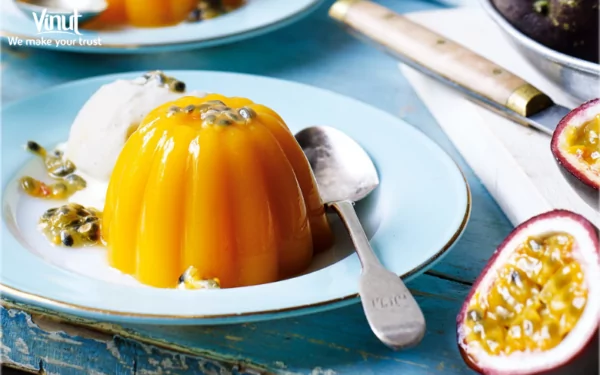
It makes a great addition to desserts like cheesecake, mousse, and sorbet.
VINUT_passion dessert
6. The Side Effects
While this fruit is generally safe to eat, some people may experience side effects like:
Allergic reactions
Stomach upset or diarrhea
Headaches
VINUT_Passion Fruit Side Effects
7. Conclusion
Passion fruit is a small but nutrient-dense tropical fruit, offering fiber, vitamin C, and antioxidants across its purple, yellow, and giant granadilla varieties. Enjoyed raw, juiced, blended, or baked into desserts, it's an easy way to add tropical flavor and nutrition to your diet. As with any new food, introduce it gradually, watch for allergic reactions or digestive discomfort, and consult a healthcare professional if symptoms persist. To try a convenient ready-to-drink option, explore VINUT's 100% fruit juice range.
What Else Should You Read About Tropical Fruits?
FAQ
What is passion fruit good for?
Passion fruit provides fiber, vitamin C, and antioxidants that may support digestion, immune health, and heart health.
How much vitamin C is in passion fruit?
One small passion fruit (about 18 g) has roughly 5–6 mg of vitamin C, around 6–9% of most adults' daily needs; eating several fruits adds up quickly.
What's the difference between purple and yellow passion fruit?
Purple passion fruit has a classic sweet-tart flavor, while yellow passion fruit is slightly sweeter and more delicate in taste.
How do you eat passion fruit?
Cut it in half and scoop out the pulp and seeds with a spoon; it can also be juiced, blended into smoothies, or used in desserts.
Can passion fruit cause side effects?
In some people it may cause allergic reactions, stomach upset, or headaches, especially in large amounts or with a known fruit allergy.
About this article

The VINUT editorial team publishes articles about beverage ingredients, product characteristics, and practical information for readers and international buyers.