
Buyer Briefing
4 min read · 749 words
Durian is a calorie-dense tropical fruit rich in fiber, vitamin C, B vitamins, potassium, and antioxidants. Around 100 g provides about 147 calories and 19 g of sugar, so it fits best into a balanced diet in moderate portions, especially for people managing blood sugar or calorie intake.
- 100 g of durian has about 147 calories, 19 g of sugar, and 3.8 g of fiber.
- It's a good source of vitamin C, vitamin B6, thiamine, potassium, and folate.
- Its antioxidants and fiber may support heart, digestive, and metabolic health.
- Preliminary research suggests possible anti-inflammatory and neuroprotective effects, but more study is needed.
- People with diabetes or on calorie-restricted diets should eat it in moderation.
Listen to the article summary
AI-generated voice · English · 3:22
Read transcript
Durian, often called the "king of fruits," is a tropical delicacy known for its unique aroma, spiky exterior, and creamy interior. Beyond its distinct flavor, it's recognized as a nutritional powerhouse. Per 100 grams of edible flesh, durian provides approximately 147 calories, 27.1 grams of carbohydrates, and about 19 grams of natural sugars. It's also a good source of dietary fiber, offering 3.8 grams, which is about 14% of the daily value. Nutritionally, durian is rich in various vitamins and minerals. It contains nearly 20 milligrams of Vitamin C, roughly 22% of the daily value, and is a notable source of B vitamins, including Thiamine (Vitamin B1) at about 31% of the daily value, and Pyridoxine (Vitamin B6) at around 19%. Additionally, it provides 436 milligrams of potassium, contributing to about 9% of the daily value, and 36 micrograms of folate. These nutrients contribute to several potential health benefits. Durian is a rich source of antioxidants like flavonoids, carotenoids, and polyphenols, which may help reduce oxidative stress and inflammation. Its potassium content supports heart health by helping to regulate blood pressure, while its fiber and antioxidants may also aid healthy blood vessels and cholesterol levels. The fiber content further supports improved digestive function, promoting regular bowel movements and a healthy gut microbiome. Durian's high carbohydrate content offers an energy boost, with the combination of natural sugars and fiber providing prolonged energy release and satiety. The B-vitamins, particularly B6 and thiamine, are linked to neuroprotective properties, supporting brain health and cognitive function. Preliminary studies also suggest potential anti-inflammatory effects, though more human research is needed in this area. Furthermore, durian provides folate, which is essential for DNA synthesis and cell division. However, there are important considerations for consumption. Due to its relatively high calorie and sugar content, durian should be eaten in moderation, especially by individuals managing diabetes or those on energy-restricted diets. While anecdotal concerns exist about combining durian with alcohol, strong scientific confirmation is limited, though some research suggests its sulfur compounds might affect alcohol processing, making cautious, separate consumption a reasonable precaution. As with any nutrient-dense food, moderate portion sizes are key to enjoying its benefits without excessive calorie or sugar intake. In conclusion, durian is a nutrient-dense fruit offering a range of potential health benefits, making it a valuable addition to a varied and balanced diet when consumed in moderation.
Durian, often dubbed the "king of fruits," is not only a tropical delicacy but also a nutritional powerhouse. Rich in carbohydrates, fiber, vitamins B and C, potassium, and antioxidants, durian is linked to a range of potential health benefits — from heart health and digestion to brain function and inflammation reduction. Though calorie-dense and naturally high in sugars, it can be a valuable addition to a balanced diet when consumed in moderation.
This article explores durian's complete nutritional profile and reviews current findings on its health-related properties.
1. What Is Durian?
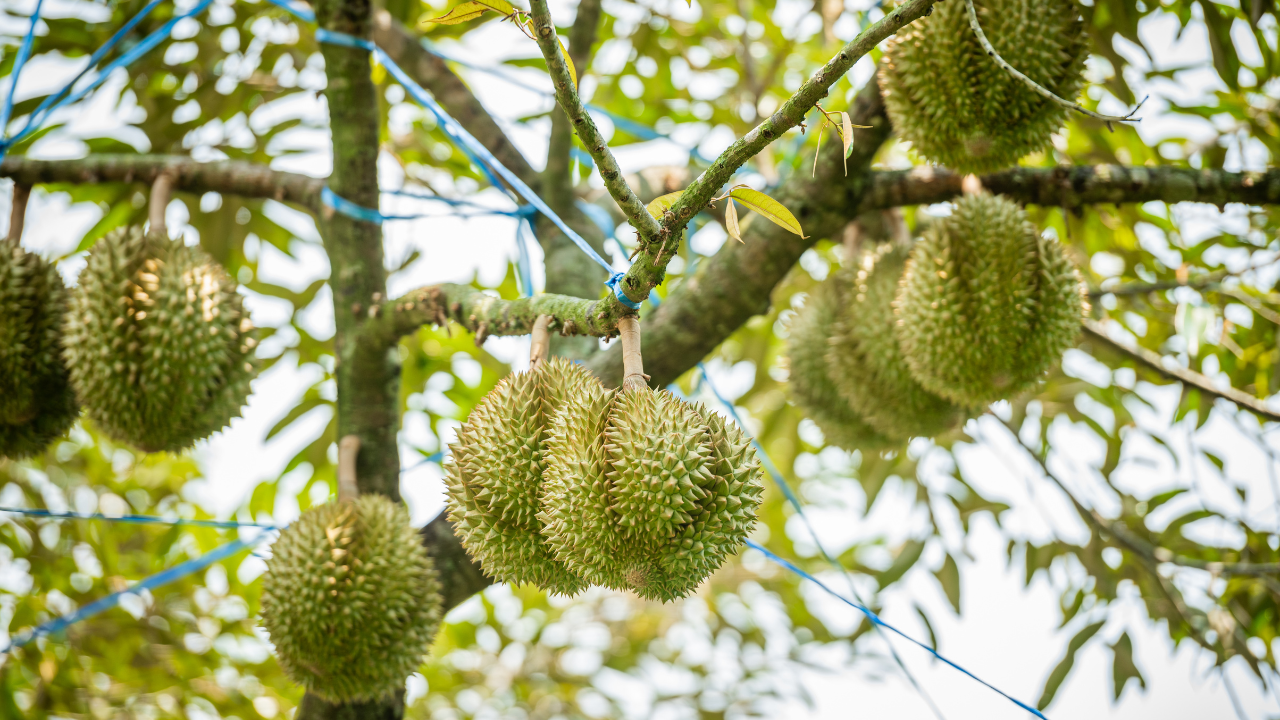
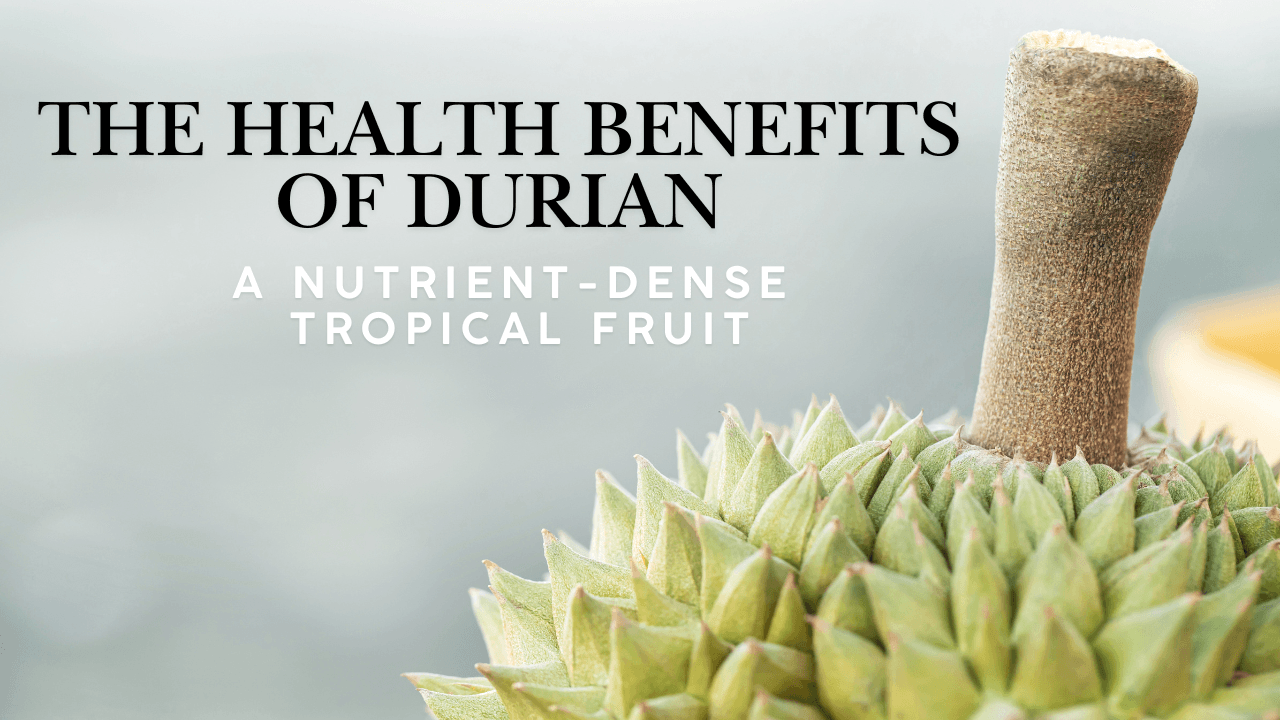
VINUT_Durian (Durio zibethinus), often referred to as the "king of fruits"
Durian (Durio zibethinus), often referred to as the "king of fruits," is a tropical delicacy renowned for its distinctive aroma, spiky exterior, and creamy interior. While its strong smell can be polarizing, durian is highly valued not only for its rich flavor but also for its impressive nutritional composition. In recent years, research has shed light on the various health-promoting properties of durian, making it a fruit worth understanding beyond its reputation.
2. What Are Durian's Nutrition Facts?
Values below are per 100 g of edible flesh, based on typical figures reported by USDA FoodData Central. Percent Daily Values (%DV) are calculated using current U.S. reference amounts and may differ slightly from older labels or sources that use outdated reference values.
Nutrient (per 100 g) | Amount | % Daily Value (current) |
|---|---|---|
Calories | ~147 kcal | — |
Carbohydrates | 27.1 g | — |
Sugars | ~19 g | — |
Dietary Fiber | 3.8 g | ~14% |
Fat | 5.3 g | — |
Protein | 1.5 g | — |
Vitamin C | 19.7 mg | ~22% |
Vitamin B1 (Thiamine) | 0.37 mg | ~31% |
Vitamin B6 (Pyridoxine) | 0.32 mg | ~19% |
Potassium | 436 mg | ~9% |
Magnesium | 30 mg | ~7% |
Iron | 0.43 mg | ~2% |
Calcium | 6 mg | <1% |
Phosphorus | 39 mg | ~3% |
Folate | 36 mcg | ~9% |
Note: Values may vary depending on variety and ripeness.
3. What Are the Health Benefits of Durian?
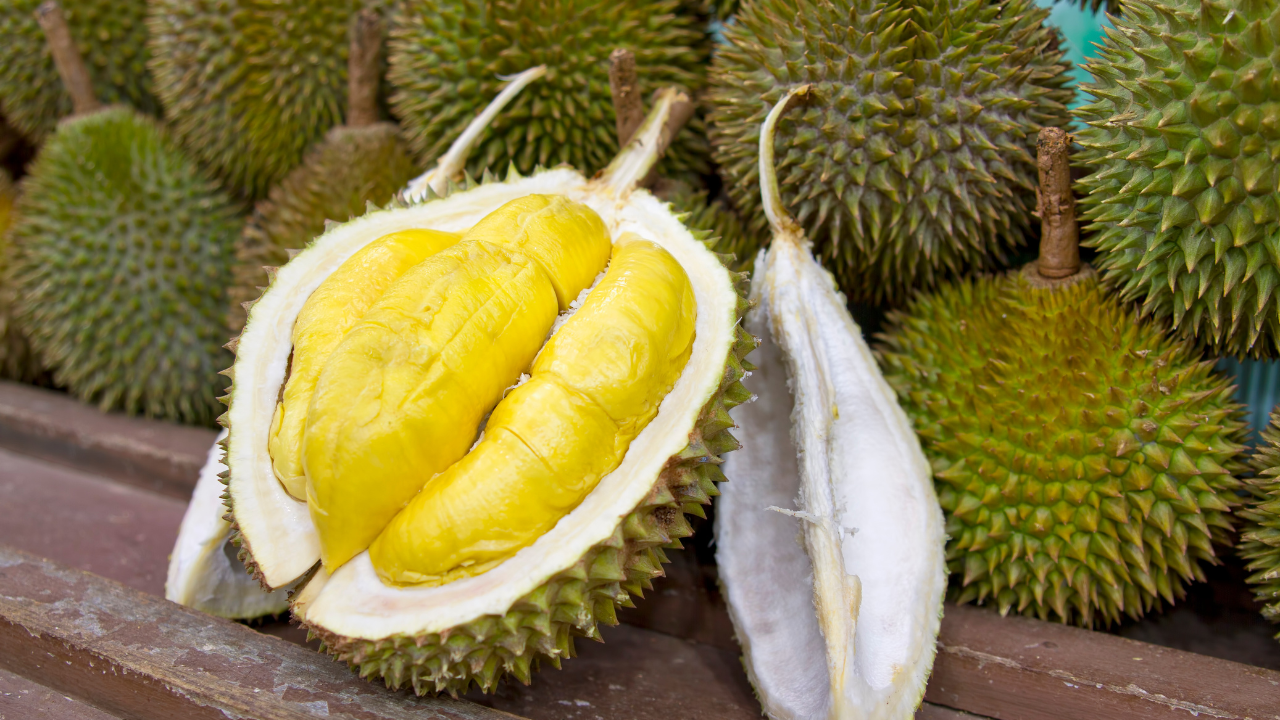
VINUT_Health Benefits of Durian
3.1 Rich Source of Antioxidants
Durian contains various bioactive compounds, including flavonoids, carotenoids, and polyphenols, which contribute to its antioxidant capacity. These compounds help neutralize free radicals, potentially reducing oxidative stress, inflammation, and the risk of chronic diseases such as cancer and cardiovascular disease.
3.2 Heart Health Support
Durian is a good source of potassium, a mineral essential for regulating blood pressure (see NIH potassium guidelines). A potassium-rich diet can help manage healthy blood pressure. The fruit's dietary fiber and antioxidant content may also support healthy blood vessels and cholesterol levels as part of an overall balanced diet.
3.3 Improved Digestive Function
With nearly 4 g of fiber per 100 g, durian may support regular bowel movements and a healthy gut microbiome. Fiber can also help moderate blood sugar responses and, as part of a fiber-rich diet overall, is associated with a lower risk of colorectal cancer.
3.4 Energy Boost and Satiety
Durian’s high carbohydrate content provides a quick energy source, making it ideal for active individuals. The combination of natural sugars and fiber slows digestion, contributing to prolonged energy release and enhanced satiety.
3.5 Neuroprotective Properties
Durian is rich in B-vitamins, especially B6 and thiamine, which play critical roles in brain health and neurotransmitter function. Adequate B6 intake is associated with improved mood, cognitive function, and a lower risk of neurodegenerative conditions.
3.6 Anti-inflammatory Potential
Preliminary studies suggest durian extract may have anti-inflammatory properties by affecting pro-inflammatory pathways. This is an active area of ongoing research, and more human studies are needed before firm conclusions can be drawn.
3.7 Natural Source of Folate
Folate (vitamin B9) is essential for DNA synthesis, cell division, and fetal development. Durian provides a moderate amount of folate, which can contribute to overall folate intake, including during pregnancy — though pregnant individuals should still follow their doctor's specific nutrition guidance.
4. What Should You Consider Before Eating Durian?
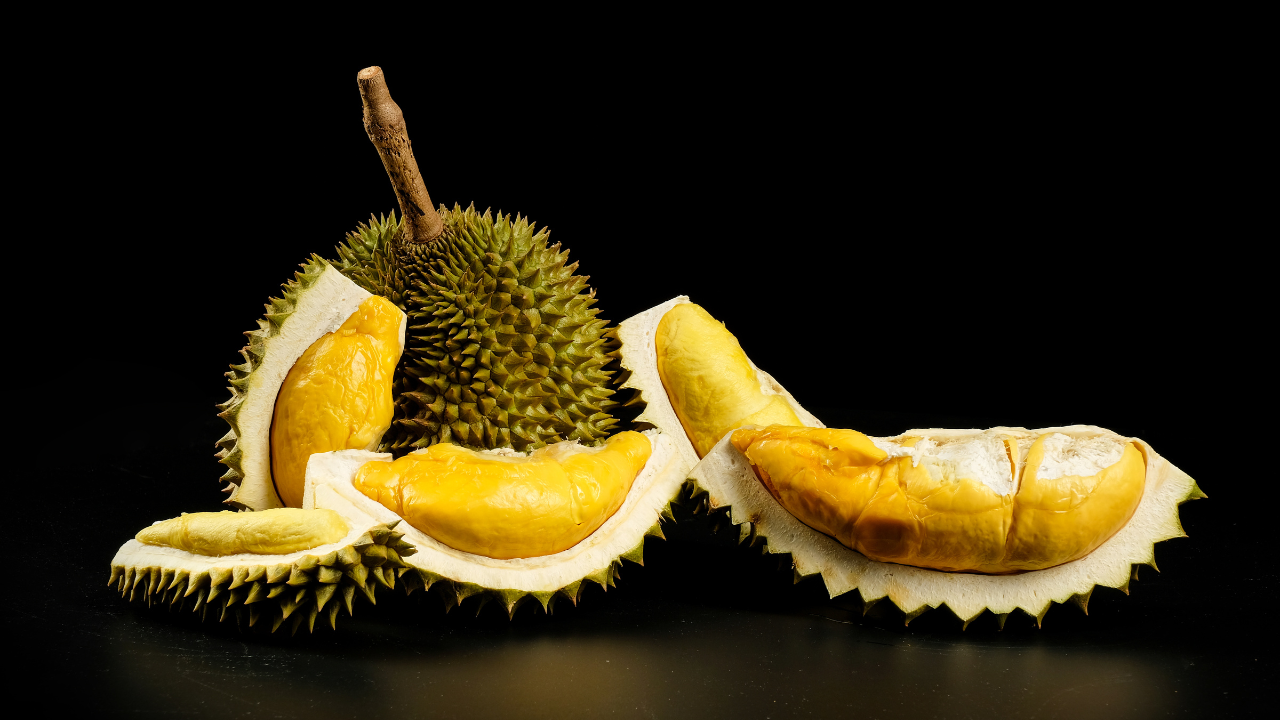
VINUT_Considerations and Moderation
Calories and sugar: Durian is relatively high in both, so people with diabetes or those on energy-restricted diets should eat it in moderation.
Durian and alcohol: Anecdotal concerns about combining durian with alcohol lack strong scientific confirmation, but durian's sulfur compounds may affect how the body processes alcohol, so cautious, separate consumption is a reasonable precaution.
Portion size: As with any nutrient- and calorie-dense food, moderate portions let you enjoy the benefits without excess calorie or sugar intake.
5. Conclusion
Durian is a nutrient-dense fruit linked to a range of potential health benefits, from cardiovascular and digestive support to antioxidant and anti-inflammatory effects. Its rich supply of vitamins, minerals, and bioactive compounds makes it a valuable part of a varied diet when eaten in moderate portions. While its aroma may deter some, its nutritional profile makes it well worth considering as an occasional addition to a balanced diet. If you enjoy tropical fruit flavors, explore VINUT's 100% fruit juice range as well.
What Else Should You Read About Tropical Fruits?
FAQ
Is durian good for you?
Yes, in moderation — durian provides fiber, vitamin C, B vitamins, potassium, and antioxidants, though it's also calorie- and sugar-dense.
How much vitamin C does durian have?
About 100 g of durian flesh has roughly 20 mg of vitamin C, around 22% of the current daily value.
Is durian high in calories and sugar?
Yes, 100 g has about 147 calories and roughly 19 g of sugar, so people managing calorie or sugar intake should watch portion sizes.
Can you drink alcohol after eating durian?
This is a long-standing folk belief; scientific evidence is limited, but some research suggests durian's sulfur compounds may affect alcohol metabolism, so cautious consumption is reasonable.
Who should limit durian?
People with diabetes, those on calorie-restricted diets, or anyone sensitive to high-potassium foods due to certain kidney conditions should eat it in moderation and check with a doctor if unsure.
About this article
The VINUT editorial team publishes articles about beverage ingredients, product characteristics, and practical information for readers and international buyers.